A discreet buyer’s guide to reading reserve study assumptions before purchasing luxury condominium real estate in Boca Raton, with practical questions for funding, timing, assessments, and long-term ownership risk.

For affluent buyers, even the most elegant residence can carry a quiet financial question beneath the marble, glass, landscaping, pools, porte cochères, elevators, garages, and amenity spaces: has the building planned realistically for its own future? In Boca Raton, where luxury buyers often compare established condominium addresses with New-construction offerings, the reserve study deserves the same close attention given to floor plans, views, and private club access.
A reserve study is not simply a technical document. It is a statement of belief. It reflects what the association, its consultants, and its board assume about the remaining life of major components, the likely cost of repair or replacement, and the pace at which funds should be accumulated. Those assumptions can influence monthly carrying costs, future assessments, buyer confidence, and the long-term feel of ownership.
This is why sophisticated due diligence should go beyond asking whether a reserve study exists. The sharper question is whether its assumptions fit the building you are buying, the lifestyle standard you expect, and the risk tolerance you bring to ownership.
The first question is deceptively simple: how current is the reserve study, and what exactly did it cover? A recent study that examines the full property is more useful than an older document focused on a narrow list of components. Ask whether the study includes common-area finishes, roofing, exterior envelope items, waterproofing, elevators, mechanical systems, garage areas, amenity spaces, landscaping infrastructure, and shared technology systems.
For a luxury buyer, scope is critical because lifestyle expectations are part of the asset. A tower can be structurally functional yet feel dated if lobby finishes, pool decks, spa areas, fitness spaces, corridors, and lighting are not anticipated in the capital plan. When comparing a polished address such as Alina Residences Boca Raton with a Resale opportunity in an older building, the reserve conversation helps clarify whether the apparent price difference is truly meaningful.
Ask who prepared the study, when the property was last physically inspected, and whether the assumptions have been updated after major repairs, insurance changes, or vendor bids. A reserve study is most valuable when it reflects the property as it is today, not as it was several budget cycles ago.
Every reserve study relies on useful-life assumptions. These estimates can appear precise, but they are not promises. A buyer should ask how remaining useful life was assigned to each major component and whether the study assumes normal wear, accelerated exposure, deferred maintenance, or premium replacement standards.
In a coastal South Florida setting, the details matter. Exterior surfaces, balconies, railings, waterproofing, windows, doors, mechanical equipment, and garage conditions should be understood in practical terms. The objective is not to become an engineer at the dining table. It is to understand whether the building’s projected timeline feels conservative, neutral, or optimistic.
Buyers should ask which components are assumed to last longest, which are approaching replacement, and which line items carry the largest uncertainty. If several major items are grouped into later years, ask whether that timing is supported by recent inspection and maintenance history. A beautiful building with optimistic timing assumptions may carry more future risk than its current monthly dues suggest.
A reserve study does more than estimate when work may be needed. It also estimates what that work may cost. In luxury real estate, that cost assumption should be examined through the lens of quality. Will future replacements be basic, mid-market, or consistent with the expectations of a high-end Boca Raton residence?
For example, a lobby refresh can mean many things. So can pool deck restoration, corridor renovation, landscape redesign, elevator modernization, or fitness amenity replacement. Ask whether the reserve study assumes like-kind replacement or an elevated standard that preserves the building’s market position.
This is especially important when considering boutique luxury projects such as Glass House Boca Raton, where buyers may expect a refined design language to remain intact over time. If future capital planning is based on lower-cost replacement assumptions, the association may eventually face a choice between higher assessments and a gradual decline in presentation.
The right question is not simply, “Are reserves funded?” It is, “Are reserves funded for the version of this property that owners believe they bought?”
Monthly dues are often treated as the headline number. They are not the whole story. A lower monthly figure may appear attractive, but if reserves are thin or assumptions are aggressive, the buyer may be accepting the possibility of future special assessments. Conversely, higher dues may reflect a more disciplined approach to capital planning.
Ask for the current reserve balance, the funding plan, the contribution schedule, and any recent or pending assessments. Then ask whether the reserve study recommends a funding level that the association is actually following. A study can be thorough on paper while the budget tells a different story.
For Investment-minded buyers, this matters because unexpected capital calls can disrupt yield, resale timing, and buyer perception. For end users, it matters because assessments can arrive at precisely the wrong moment, often when a building is already navigating repairs or amenity disruption. In both cases, the reserve assumptions become part of the purchase price, even if they never appear on the contract’s first page.
Reserve questions vary by property type. In New-construction, the reserve history may be limited, so buyers should ask how the initial budget was created, what transition planning is expected, and how early operating costs may evolve as the building matures. In Resale properties, the questions shift toward maintenance history, completed projects, upcoming work, and whether past boards chose to fund reserves consistently.
At a highly serviced setting such as The Residences at Mandarin Oriental Boca Raton, buyers should also distinguish between association reserves, shared facilities, service standards, and any separate cost structures that affect ownership. The goal is to understand the full ecosystem of costs, not just one line item.
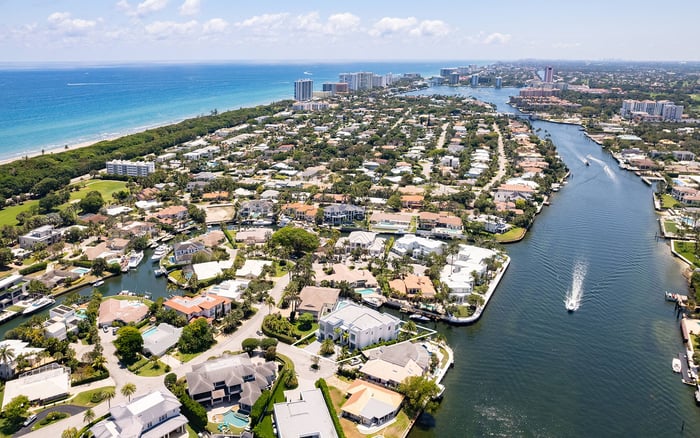
For Waterfront buyers, the review should be especially disciplined. Ask whether the reserve study addresses the components most relevant to the property’s setting and whether cost assumptions reflect the desired standard of upkeep. A residence can offer exceptional views and privacy, but common elements still require a sober capital plan.
Before committing, ask your advisor to help frame the reserve review in writing. Practical questions include: What are the largest reserve components? Which items are scheduled in the next five years? Is the association following the funding recommendation? Have any components been deferred? Are there active bids, engineering reviews, or board discussions that may change the plan? Are recent repairs reflected in the study? Have owners discussed altering the reserve contribution?
You should also ask whether the seller is aware of pending assessments or board-approved projects not fully reflected in current dues. The answer may not eliminate risk, but it can sharpen negotiation. In some cases, reserve issues may support a price adjustment, escrow discussion, closing credit, or a more cautious approach to timing.
Properties such as Mr. C Residences Boca Raton may attract buyers focused on hospitality-driven ease, while other Boca Raton residences may appeal for privacy, scale, or location. In every case, the reserve study brings the same discipline: it asks whether the building’s financial planning can support the lifestyle promise.
Do not read a reserve study as a pass-fail report. Read it as a conversation among physical condition, financial policy, and owner expectations. The most revealing points are often the gaps: a major system with a distant replacement date but limited inspection detail, an amenity plan that assumes modest finishes, or a reserve contribution that does not appear aligned with the study’s own recommendations.
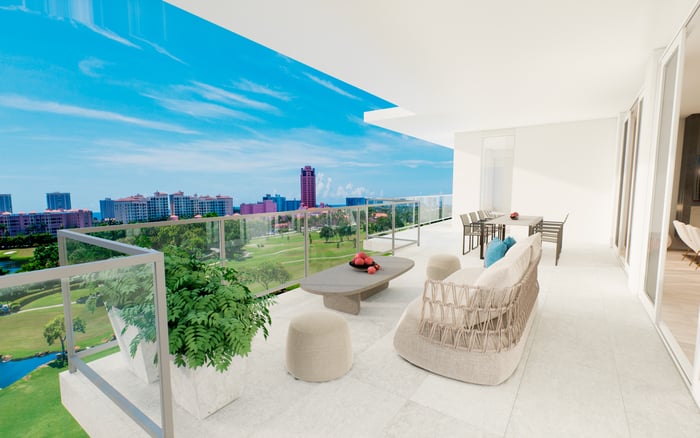
For Buyer's Guides, the most refined advice is often the most practical: ask better questions before emotion hardens into commitment. A terrace view, private elevator entry, and elegant lobby create desire. Reserve assumptions reveal whether the ownership structure is prepared to preserve that desire over time.
The best purchase is not necessarily the building with the lowest dues, the newest finishes, or the longest amenity list. It is the one where the financial plan, physical condition, and lifestyle standard are in quiet agreement.
What is the main reserve study question before buying in Boca Raton? Ask whether the assumptions are current, complete, and consistent with the luxury standard you expect from the building.
Should I worry if a building has low monthly dues? Low dues are not automatically negative, but they should be compared with reserve funding, upcoming projects, and assessment history.
What does remaining useful life mean? It is an estimate of how long a major component may last before repair or replacement is expected.
Are reserve study assumptions guaranteed? No. They are planning estimates, which is why buyers should ask how they were developed and updated.
What components should luxury buyers review most carefully? Focus on exterior systems, elevators, garages, waterproofing, amenity areas, mechanical equipment, and high-visibility finishes.
Can reserve issues affect resale value? Yes. Buyers may discount properties with uncertain funding, pending assessments, or unclear capital planning.
Are New-construction buildings exempt from reserve concerns? No. New buildings still need realistic initial budgets and a plan for long-term maintenance as systems age.
Should I ask about special assessments? Yes. Ask about recent, pending, discussed, or likely assessments before waiving contingencies.
Can reserve study findings support negotiation? They can. A buyer may use documented capital risk to discuss price, credits, or other contract terms.
Who should review the reserve study with me? Use qualified real estate, legal, accounting, and technical advisors who understand condominium ownership and risk.
For a discreet conversation and a curated building-by-building shortlist, connect with MILLION.
If branded residences are on your mind — as a home or as an allocation — we would be glad to share what we are seeing, privately.
Begin a quiet conversation