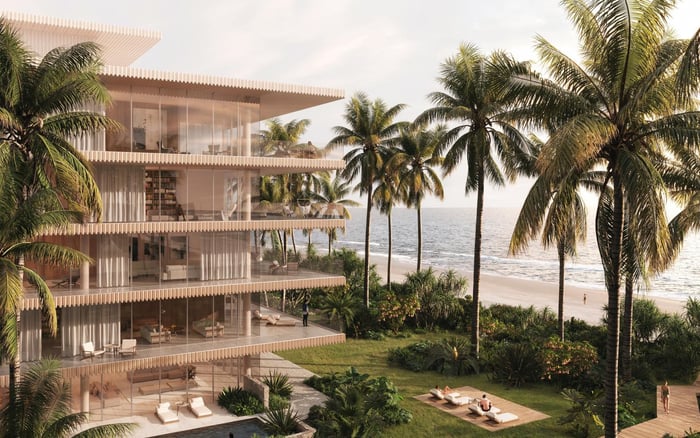
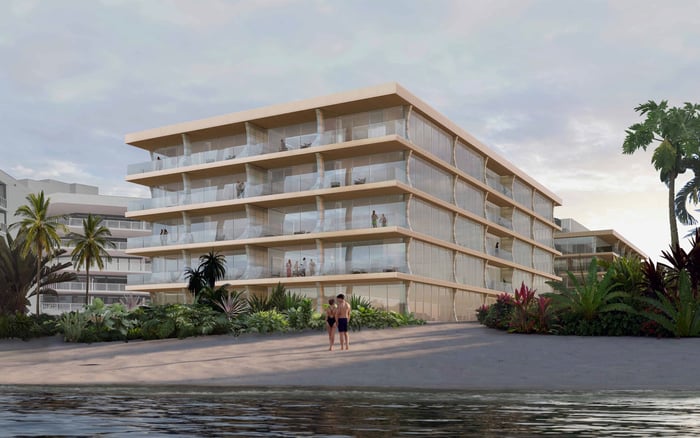
A buyer-focused look at how Shorecrest on Flagler Drive can be planned as a private waterfront family compound for extended stays, with emphasis on privacy, service flow, multigenerational routines, and resort-level reliability.
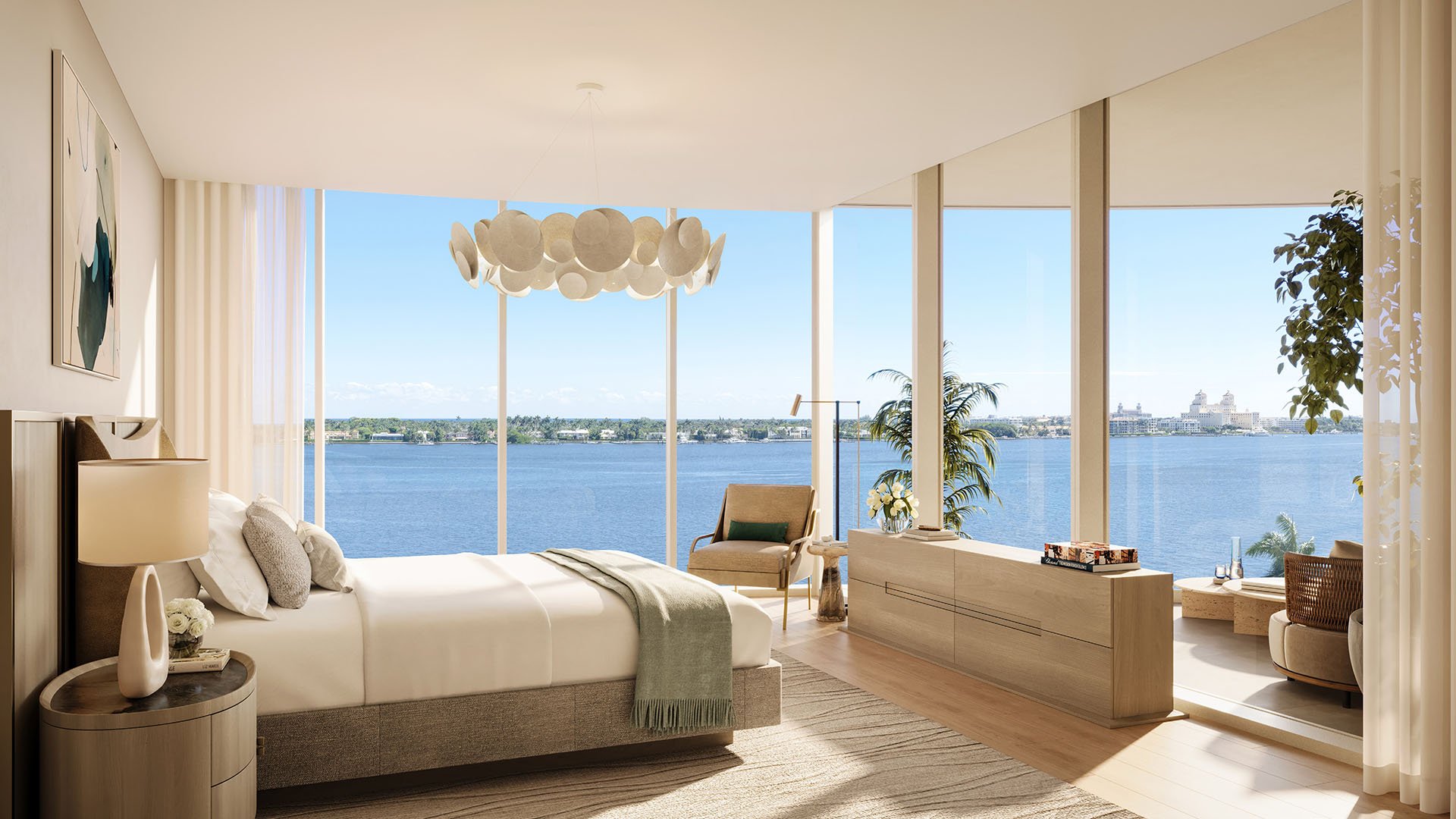
For buyers considering Shorecrest Flagler Drive West Palm Beach, the essential question is not simply whether a waterfront home impresses. It is whether the residence can support family life over weeks or months without friction. Extended family stays demand a different standard than a long weekend. They require privacy, predictable service, adaptable sleeping arrangements, and a rhythm that allows grandparents, children, friends, and visiting household staff to occupy the same property comfortably.
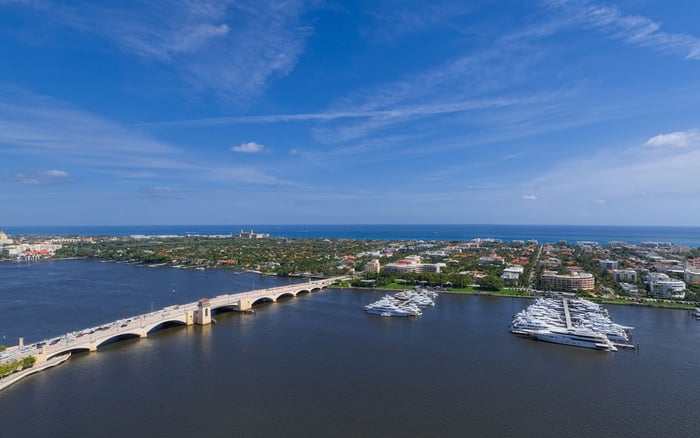
Shorecrest’s Flagler Drive setting gives the home a mainland West Palm Beach base while orienting daily life toward the Intracoastal Waterway and Palm Beach views. That duality matters. The residence can be understood as a private family resort, with waterfront downtime at home and access to dining, shopping, clubs, boating, and cultural activities across West Palm Beach and Palm Beach. The strongest guest strategy treats the property less as a static showpiece and more as a living operating environment.
A short visit can rely on improvisation. An extended stay cannot. When family members arrive for a season, the house needs durable systems for laundry, meals, storage, transportation, housekeeping, and technology. Guest rooms should never feel like overflow. They should have a clear relationship to bathrooms, closets, quiet seating, and morning routines.
In the broader West Palm Beach market, residences such as Forté on Flagler West Palm Beach and Alba West Palm Beach help frame how buyers now evaluate lifestyle through service, access, and waterfront orientation. Shorecrest belongs in that conversation through a more residential lens, especially for households that want the intimacy of a private home with the discipline of hospitality.
The service plan should begin before guests arrive. Arrival protocols, luggage handling, pantry stocking, bedroom assignments, preferred linens, and transportation needs all shape the first impression. Over time, cadence matters even more. Breakfast should not collide with school-age pool plans. Housekeeping should not interrupt an older relative’s morning reading. Dinner preparation should not congest the main kitchen just as everyone returns from the waterfront.
For multigenerational use, circulation is one of the clearest measures of comfort. Congestion at the main entry, garage, kitchen zones, service areas, and waterfront access points can turn an otherwise beautiful home into a daily bottleneck. Shorecrest’s guest strategy should make movement feel intuitive. Guests should understand where to enter, where to drop bags, how to reach outdoor spaces, and how to move between quiet and social zones without passing through every private room.
This is where a waterfront residence is tested. Terraces, pool areas, docks, shaded gardens, and interior gathering rooms all compete for attention. If the path from the house to the water is unclear, wet, crowded, or dependent on staff intervention, the guest experience loses ease. If towel storage, changing areas, sunscreen, drinks, and post-boating cleanup are planned in advance, the waterfront becomes effortless rather than performative.
A successful extended-family plan gives each generation permission to live differently. Older relatives may want shaded outdoor seating, waterfront walks, quiet reading areas, and simple internal circulation. Younger guests may need supervised recreation, media spaces, flexible bedrooms, and pool safety planning. Adults may want areas for remote calls, wellness routines, late dinners, or a quiet drink after children have gone to sleep.
The objective is not separation for its own sake. It is simultaneous use without conflict. Active entertainment areas should be buffered from quiet retreat zones. Bedrooms for children and grandchildren should be flexible enough to adjust as family groups change. Space for close friends or visiting household staff should be dignified and practical, not an afterthought. In an estates and single-family context, true luxury is not only square footage. It is the ability to host without exhausting the host.
The best family compounds handle two modes. On a holiday, social spaces should expand for gatherings, meals, and movement between indoor and outdoor areas. On an ordinary Tuesday, the same spaces should feel comfortable for a small breakfast, a quiet lunch, or a few people watching the water. Overscaled rooms that only perform during parties can feel cold during longer stays. Overly intimate rooms can fail when the house fills.
Shorecrest’s guest strategy should therefore prioritize layered social areas: a main gathering space, shaded outdoor seating, quieter corners, waterfront staging, and places where smaller groups can peel away. Comparable buyer conversations around South Flagler House West Palm Beach and The Ritz-Carlton Residences® West Palm Beach often focus on how daily life is supported, not just how a residence photographs. For Shorecrest, that same discipline should be applied to the family-compound format.
Interiors set the mood, but operations determine whether an extended stay succeeds. Meal planning, housekeeping cadence, laundry systems, activity scheduling, household technology, guest preferences, and staff circulation should be considered part of the design. The home should feel personal and residential while functioning with the predictability of a luxury hospitality setting.
For boating-oriented guests, the plan should account for dock access, day-trip staging, provisioning, towel systems, storage, and safe movement between the house and waterfront. For families with children, pool rules and supervision should be as carefully designed as the outdoor furniture plan. For guests who prefer slower days, shaded seating and calm internal routes matter as much as dramatic views.
This is the lifestyle advantage of a well-run Flagler Drive home. The property can host multiple tempos at once: a quiet morning by the water, a children’s swim session, a Palm Beach lunch, an afternoon boating plan, and a family dinner that does not feel logistically strained.
The most relevant due diligence is experiential. Where do guests sleep when three generations visit at once? How does luggage move from arrival to rooms? Can older relatives reach the outdoor areas easily? Is there a clear separation between service movement and family relaxation? Can social spaces expand for holidays without overwhelming daily living? Does the waterfront operate as an integrated amenity rather than a scenic backdrop?
For the ultra-premium buyer, Shorecrest is most compelling when evaluated as a private resort for the family. The home should preserve the discretion and emotional warmth of private domestic life while supporting the reliability expected from a high-service environment. That balance is the real guest strategy.
What is the core guest strategy for Shorecrest? The strategy is to make the home work as a private family resort, with clear zones for privacy, service, recreation, and waterfront use.
Why are extended stays different from short visits? Extended stays require repeatable systems for meals, laundry, storage, staffing, transportation, and daily routines rather than ad hoc hosting.
How should Shorecrest support multiple generations? The plan should account for different schedules, wellness routines, privacy needs, mobility preferences, and activity levels within one household.
What makes the Flagler Drive setting important? It gives the residence a mainland West Palm Beach base while orienting daily life toward the Intracoastal Waterway and Palm Beach views.
How should outdoor areas be planned for guests? Terraces, pool areas, docks, and shaded garden spaces should be easy to access, safely managed, and supported by storage and service routines.
What should buyers look for in guest bedrooms? Flexibility matters because guest groups may include children, grandchildren, older relatives, close friends, and visiting household staff.
Why is circulation so important? Good circulation reduces congestion at entries, garages, kitchen areas, service points, and waterfront access, especially when the house is full.
How can quiet and active uses coexist? Quiet retreat areas should be separated from entertainment, media, pool, and waterfront activity zones so generations can use the home simultaneously.
What role does household service play? Service design shapes the stay through arrival planning, meal cadence, housekeeping, technology, activity scheduling, and provisioning.
Is Shorecrest best viewed as a trophy property or a working compound? It is strongest when viewed as a working family compound that can operate smoothly over weeks or months while still feeling deeply residential.
For a tailored shortlist and next-step guidance, connect with MILLION.
If branded residences are on your mind — as a home or as an allocation — we would be glad to share what we are seeing, privately.
Begin a quiet conversation