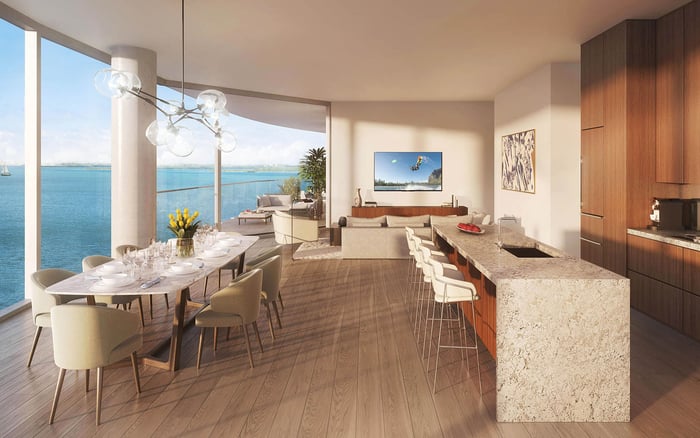
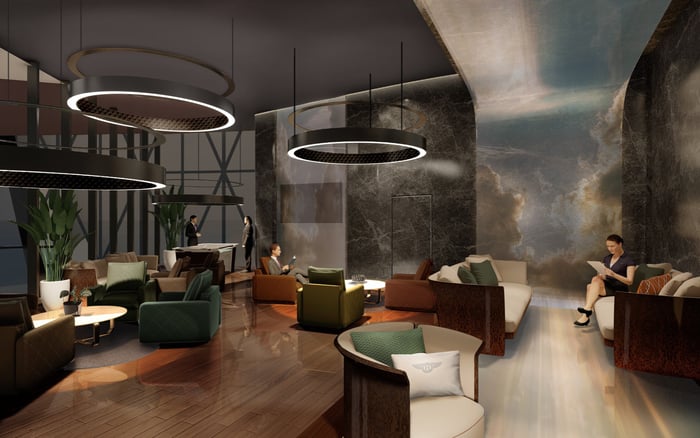
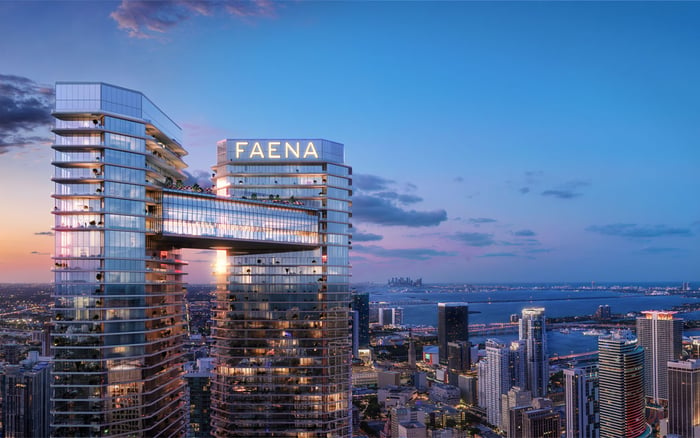
A discreet buyer’s framework for evaluating South Florida residences where design, brand, services or rarity may sharpen lifestyle appeal while narrowing the future buyer pool.
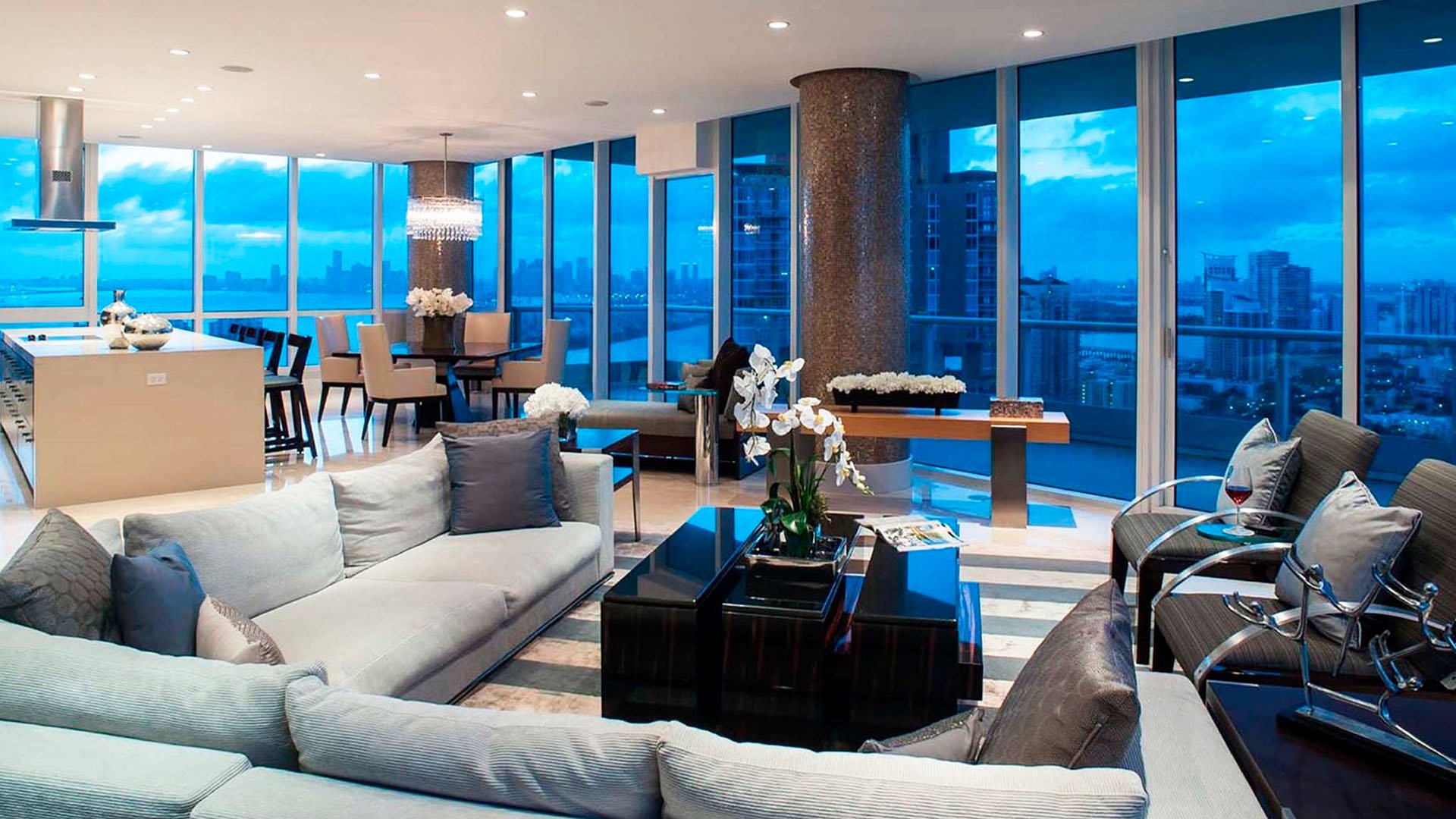
For a Dubai-based buyer evaluating South Florida, the essential question is often not which residence makes the strongest first impression. It is which residence the next qualified buyer will understand, desire and underwrite most easily when it is time to sell.
That distinction is critical in a specialized building. A specialized building may be branded, highly designed, boutique in scale, deeply amenitized, wellness-led, marina-oriented, ultra-private or defined by a precise lifestyle promise. None of that is a weakness. In the right purchase, specialization creates identity, scarcity and emotional pull. But specialization also narrows the audience, and a narrower audience requires greater discipline.
Resale liquidity is the art of buying something distinctive without making it so idiosyncratic that only one future buyer can fully appreciate it.
Before comparing floor plans, define what makes the building specialized. Is the value tied to a fashion or hospitality name, architecture, beach access, services, views, privacy, security, wellness, club culture or a specific neighborhood pattern? Each form of specialization carries a different exit profile.
Branded Residences, for example, can travel well with international buyers because the name provides immediate shorthand. A buyer comparing 888 Brickell by Dolce & Gabbana with other urban luxury towers is not only comparing square footage. The buyer is weighing identity, service expectations and whether the brand premium will remain legible later.
In an Investment context, the best specialized purchase is not necessarily the rarest. It is the one where the premium can be explained clearly in one or two sentences.
South Florida is not one luxury market. It is a series of micro-markets with distinct exit audiences.
Brickell is the most intuitive for buyers who want a high-rise urban environment, access to dining and business life, and a building that can be measured against a broad set of condominium alternatives. That can support liquidity because the buyer pool is diverse: local professionals, Latin American families, New York relocations, Europeans and Middle Eastern buyers can all understand the use case. In Brickell, a project such as The Residences at 1428 Brickell sits within a market where buyers are already trained to compare premium vertical living.
Miami Beach is different. It is more emotional, more lifestyle-led and often more sensitive to views, outdoor space, privacy and the feeling of arrival. A specialized Miami Beach residence must answer a lifestyle question with elegance: why this building, why this part of the beach, and why this unit over other trophy options? A buyer studying The Perigon Miami Beach is entering a conversation where design and setting can matter as much as raw utility.
Sunny Isles Beach has its own logic, with a recognizable concentration of high-rise oceanfront luxury and an international buyer base that understands vertical waterfront living. For buyers who want name recognition and oceanfront identity, St. Regis® Residences Sunny Isles offers a comparison point within a market known for prominent residential towers.
First, identify the future buyer. If the likely next buyer is clear, liquidity improves. If the asset requires a long explanation, liquidity becomes more fragile.
Second, study the comparables. A building with too few comparable sales can be difficult to price. A building with too many similar units may lose scarcity. The goal is a useful middle ground: enough evidence to support value, enough distinction to justify preference.
Third, examine the unit type. A well-proportioned residence with intuitive room placement, strong natural light and broadly appealing views will usually have a deeper audience than a more eccentric layout.
Fourth, understand carrying costs and governance. Luxury buyers will pay for service, but they want clarity. The more specialized the amenity package, the more important it is to understand how the building is operated, funded and maintained.
Fifth, consider usage rules. Rental restrictions, guest policies, pet policies, renovation rules and amenity access can all affect the future buyer pool. The most beautiful residence can become less liquid if its practical use is too narrow for the market.
The most liquid unit in a specialized building is often not the most theatrical. It is the one that translates the building’s identity into everyday livability.
Prioritize floor plans that feel natural on the first walk-through. Favor bedrooms that work for real guests, terraces that are easy to furnish, kitchens that match the expected lifestyle, and primary suites that do not require explanation. If a residence has a dramatic design gesture, the rest of the plan should feel calm and usable.
This is especially important when buying pre-construction. Renderings can emphasize spectacle. Resale buyers walk the physical space, measure light, test privacy and imagine furniture. The closer the residence is to a widely understood luxury ideal, the easier the eventual sale conversation becomes.
Specialization invites premiums. The question is whether the premium is durable.
A durable premium is attached to something future buyers will still value: waterfront positioning, recognized service, architectural pedigree, privacy, scale, views or a neighborhood with enduring demand. A fragile premium is attached to novelty alone. Novelty can create excitement at launch, but resale requires conviction from a buyer comparing completed alternatives.
The right approach is to separate the emotional premium from the market premium. Pay for what improves daily life and future desirability. Be cautious about paying a number that only makes sense if every future buyer shares the same taste.
A specialized building deserves a specialized diligence process. Ask how many units share the same line or similar exposure. Ask what makes the floor plan easier to resell than the alternatives. Ask how the association or building will manage amenities, service standards and long-term maintenance. Ask whether the brand, if any, is central to the residential experience or primarily part of the identity.
Also consider the buyer profile at exit. Will the next buyer be a primary resident, a seasonal owner, a family seeking beach life, an executive wanting Brickell convenience or an international purchaser seeking a recognizable address? The clearer that answer, the cleaner the purchase thesis.
Dubai buyers often understand statement architecture, branded hospitality and lifestyle-led real estate. South Florida shares those elements, but the market is less uniform. Neighborhood identity carries enormous weight. A ten-minute change in location can mean a different buyer pool, different daily rhythm and different resale narrative.
That is why a Dubai-to-Miami purchase should begin with liquidity, then move to lifestyle. The best outcome is not a generic residence. It is a specialized home with a broad enough audience, a clear enough value story and a unit configuration that future buyers can immediately recognize as desirable.
What does resale liquidity mean in a luxury condominium? It means the likely ease of attracting qualified buyers and achieving a credible sale when you decide to exit.
Are specialized buildings harder to resell? Not always. They can resell well when the specialization is desirable, clear and supported by a deep enough buyer pool.
Is Brickell a liquid choice for international buyers? Brickell can be compelling because many global buyers understand its urban condominium lifestyle and broad comparison set.
How should I evaluate Miami Beach for liquidity? Focus on setting, views, privacy, outdoor space and whether the residence offers a lifestyle that is easy to explain.
What matters most in Sunny Isles Beach? Oceanfront identity, tower reputation, views and building operations are often central to the buyer’s decision.
Should I pay extra for Branded Residences? Pay extra only when the brand strengthens daily living, service expectations and future buyer recognition.
Which unit types are usually easier to resell? Units with intuitive layouts, strong light, usable terraces and broadly appealing views tend to have wider appeal.
Can a very rare residence be illiquid? Yes. Rarity helps only when enough future buyers understand and want the specific form of rarity.
What documents should be reviewed before buying? Review building rules, budgets, reserves, rental policies, service obligations and any brand-related residential terms.
Is resale more important than lifestyle? No. The strongest purchase balances personal enjoyment with a clear exit story for the next qualified buyer.
If you'd like a private walkthrough and a curated shortlist, connect with MILLION.
If branded residences are on your mind — as a home or as an allocation — we would be glad to share what we are seeing, privately.
Begin a quiet conversation