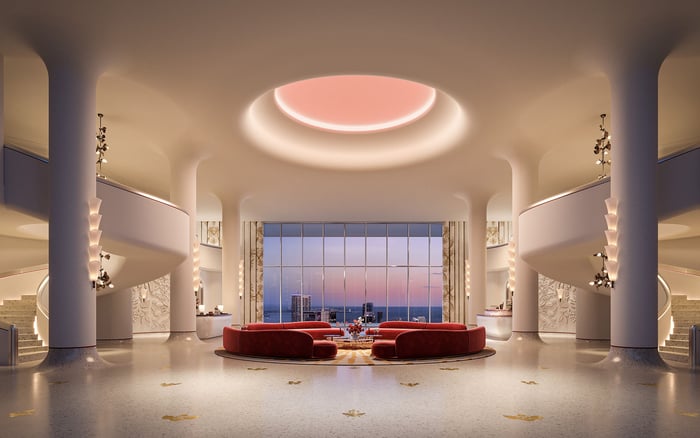
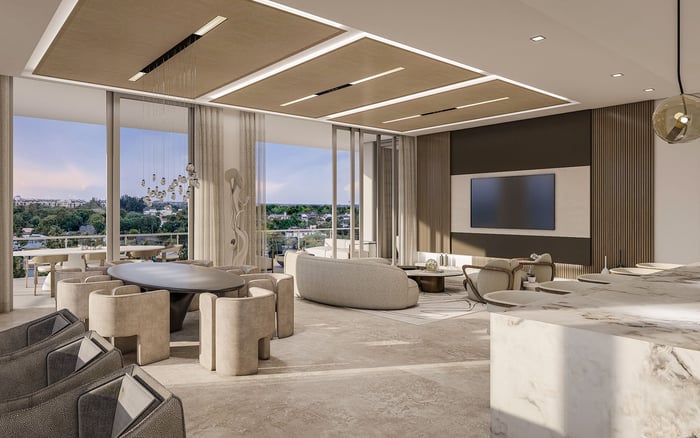
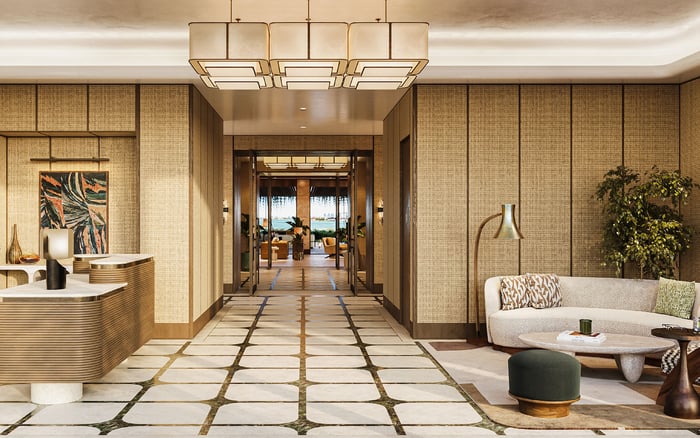
Downtown Miami can function as a polished South Florida base for Palm Beach social-season buyers who want discretion, waterfront presence, dining access and metropolitan flexibility without giving up a Palm Beach point of view.
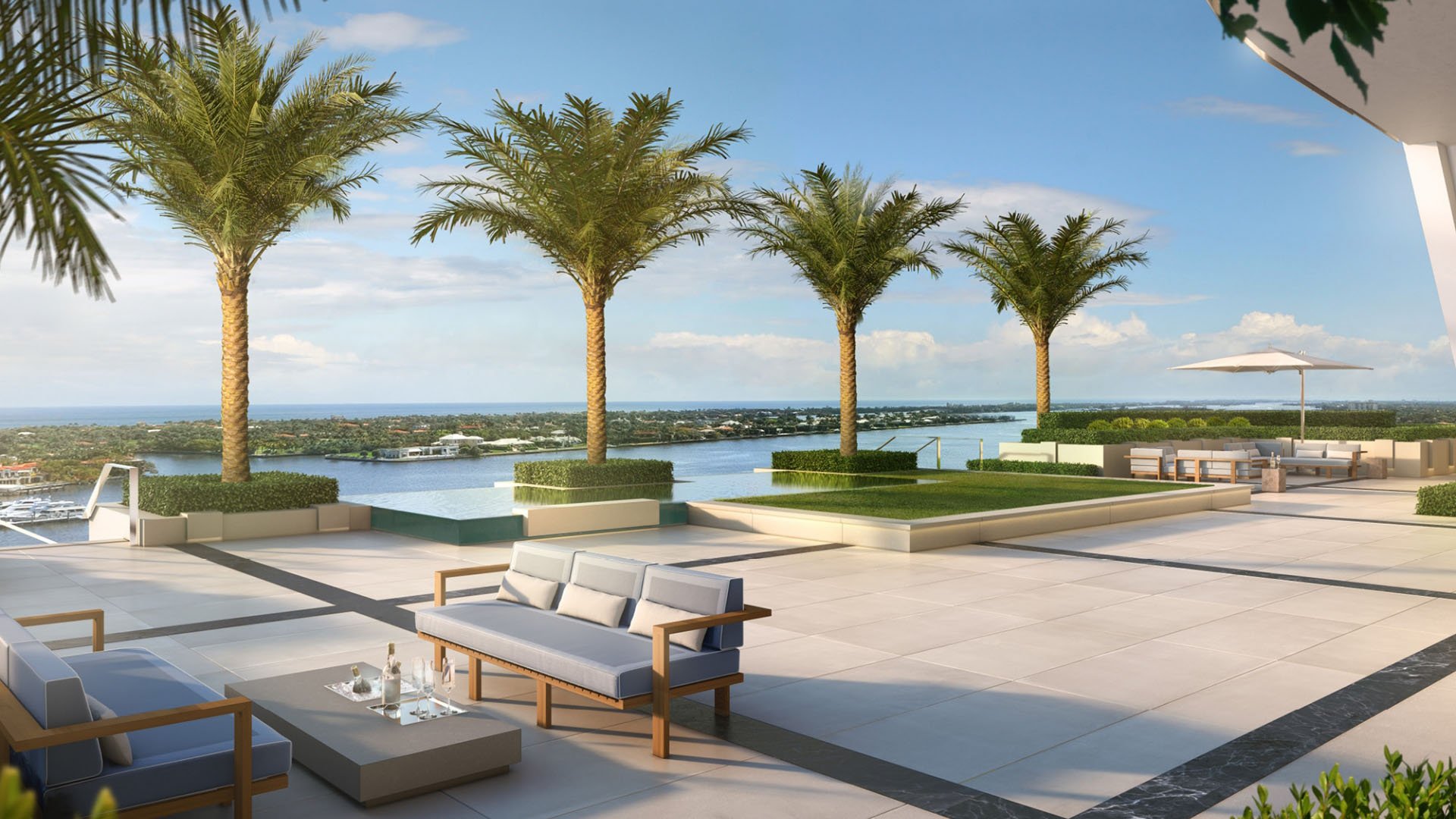
For many Palm Beach social-season buyers, the question is no longer whether South Florida should be understood as one connected lifestyle. It is how to arrange that lifestyle with elegance. Palm Beach offers heritage, club culture, charity calendars and a quieter formality. Downtown Miami adds another dimension: a polished waterfront base with cultural range, private residential towers, dining depth and proximity to Brickell’s financial and social rhythm.
The appeal is not about replacing Palm Beach. It is about adding an intelligent southern address that can handle the parts of the season that feel more urban, spontaneous or international. A buyer may keep a Palm Beach residence for tradition and privacy while using Downtown Miami for dinners, art weeks, yachting weekends, visiting family, business meetings or a more vertical, bay-facing way to live.
That is why Downtown Miami has become especially relevant to buyers who already understand South Florida at the highest level. They are not shopping for novelty. They are refining logistics, privacy and access.
Downtown Miami gives Palm Beach buyers a different daily tempo. Instead of estate grounds and residential stillness, the setting is architectural, waterfront and metropolitan. The base can be compact, serviced and highly lock-and-leave, which matters for owners moving among Palm Beach, Miami Beach, New York, Europe or the Caribbean.
This is where the neighborhood’s luxury towers become important. A residence at Aston Martin Residences Downtown Miami speaks to buyers who want the symbolism of a global design brand, a bay-oriented setting and a downtown position without adopting a purely resort identity. The building becomes a controlled environment, allowing the owner to arrive, host, retreat and depart with minimal friction.
For the Palm Beach buyer, that rhythm is essential. The residence should not feel like a project to manage. It should feel like a private instrument calibrated to the season.
Brickell is central to the equation. It gives Downtown Miami an adjacent district of restaurants, offices, lounges, hotels and private meeting points that can support both social and professional calendars. Palm Beach buyers who maintain business interests in Miami, Latin America, finance, design, hospitality or family-office circles often value that proximity.
A Brickell residence can also function as a more formal city perch. Baccarat Residences Brickell, for example, suits a buyer who wants a branded, hospitality-inflected setting with a glamorous urban atmosphere. It is a different proposition from Palm Beach restraint, but it can be complementary rather than contradictory.
The most successful South Florida buyers tend to choose addresses by use case. Palm Beach for ceremony. Downtown Miami for mobility. Brickell for proximity and polish. Miami Beach for resort energy. The refined buyer does not need one residence to do everything.
Waterfront living in Downtown Miami holds a particular attraction for those accustomed to larger residences. It delivers the visual drama of the bay without the same grounds, staffing or maintenance considerations associated with a traditional estate. The privacy is vertical rather than walled. The service is shared, but highly curated. The arrival sequence can be discreet, and the residence can remain secure when the owner is away.
This is where projects such as Waldorf Astoria Residences Downtown Miami become relevant to the Palm Beach audience. A familiar hospitality name can provide assurance for buyers who prioritize service culture and a recognizable standard. In Downtown Miami, that brand logic is paired with a skyline lifestyle rather than a beach-club one.
For a buyer who already owns generously elsewhere, the Miami residence may not need to be the largest home in the portfolio. It needs to be the most efficient urban base, with the right view, the right staff structure and the right sense of arrival.
Lifestyle is the quiet driver behind many of these decisions. Palm Beach’s season has its own cadence, but South Florida life increasingly extends beyond a narrow winter window. Families come for long weekends, adult children visit, business partners pass through, and friends expect Miami to be part of the itinerary.
Downtown Miami gives the owner options without requiring a complete change in identity. The residence can host a pre-dinner cocktail before a Brickell evening, serve as a private retreat after a cultural event, or function as a convenient base when travel plans shift. It can also offer a more contemporary mood than Palm Beach, which is part of the attraction.
For buyers who prefer a softer residential character within the broader Miami orbit, The Residences at Mandarin Oriental, Miami may align with the desire for hospitality, water views and composed privacy. The draw is not simply the name. It is the way a residence can support a life that is increasingly regional, layered and fluid.
Second-home decisions at this level are rarely impulsive. The best Downtown Miami purchase for a Palm Beach season buyer depends on how the residence will actually be used. Is it for overnight stays after Miami dinners? A workweek base? A place for adult children and guests? A pied-à-terre with hotel-level service? Or a larger residence designed to host more frequently?
The answer should influence everything: floor plan, parking, staff access, elevator privacy, amenity priorities, views, storage, rental flexibility if relevant, and the overall tone of the building. Some buyers want a social, branded environment. Others want the quietest possible entry sequence and a residence that feels almost invisible from the public realm.
Downtown Miami can serve both, but not every tower serves both equally. The distinction is subtle and important.
Start with lifestyle choreography. A Palm Beach buyer should map the most common South Florida movements during the season: Palm Beach commitments, Miami dinners, airport patterns, boat days, family visits, art and design events, and business appointments. The ideal residence will remove friction from those patterns.
Then consider atmosphere. A building with a high-gloss branded identity may be perfect for owners who enjoy being in the current of the city. A more restrained waterfront residence may suit buyers who want Miami access without constant visibility. Service culture matters, but so does the emotional register of the lobby, the elevator, the amenities and the private residence itself.
Finally, think about portfolio balance. A Palm Beach home may already provide gardens, formality and entertaining scale. The Downtown Miami base can therefore focus on views, efficiency, service and convenience. When selected correctly, it becomes less a second home than a strategic extension of how the owner lives across South Florida.
Is Downtown Miami a replacement for Palm Beach? Usually not. For this buyer, Downtown Miami is best understood as a complementary base that supports a broader South Florida lifestyle.
Why would a Palm Beach buyer want a Downtown Miami residence? It can offer easier access to Miami dining, culture, business meetings and waterfront living while maintaining a Palm Beach home for tradition and privacy.
Is Brickell important to the decision? Yes. Brickell adds a polished urban layer that can be useful for dining, meetings and a more metropolitan pace.
What type of residence works best? Buyers often look for privacy, service, strong views, easy arrival and a layout that supports short stays as well as occasional hosting.
Should the Miami home be large? Not necessarily. The right residence should match the use case, whether that is a pied-à-terre, family base or full-scale entertaining apartment.
Do branded residences make sense for this audience? They can, especially when the buyer values hospitality, service standards and a recognizable residential identity.
How should buyers compare Downtown Miami with Miami Beach? Downtown Miami is more urban and business-adjacent, while Miami Beach often feels more resort-driven and leisure oriented.
Is waterfront living the main appeal? For many buyers, water views are central, but privacy, service and building culture can be just as important.
Can a Downtown Miami base support year-round use? Yes. Its value can extend beyond the social season because Miami’s dining, business and cultural calendar is not limited to winter.
What is the first step for a serious buyer? Define how the residence will be used, then compare buildings by privacy, service, location and portfolio fit.
For a confidential assessment and a building-by-building shortlist, connect with MILLION.
If branded residences are on your mind — as a home or as an allocation — we would be glad to share what we are seeing, privately.
Begin a quiet conversation