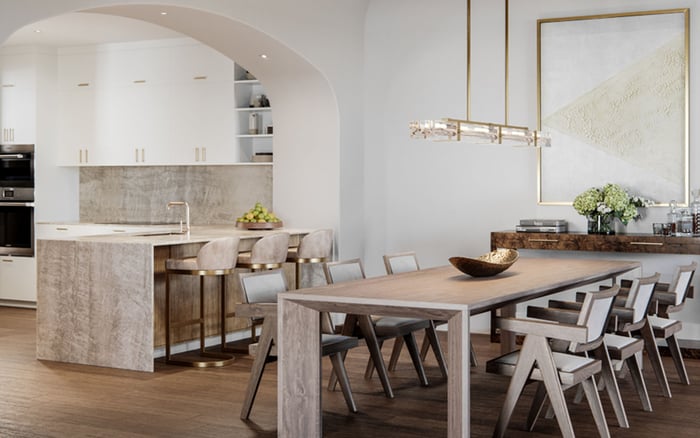
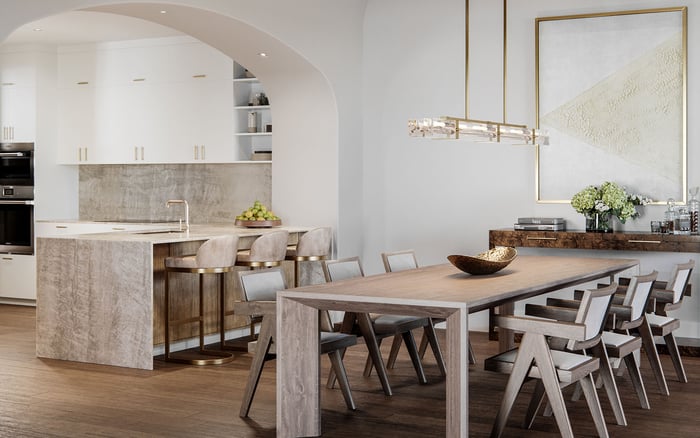
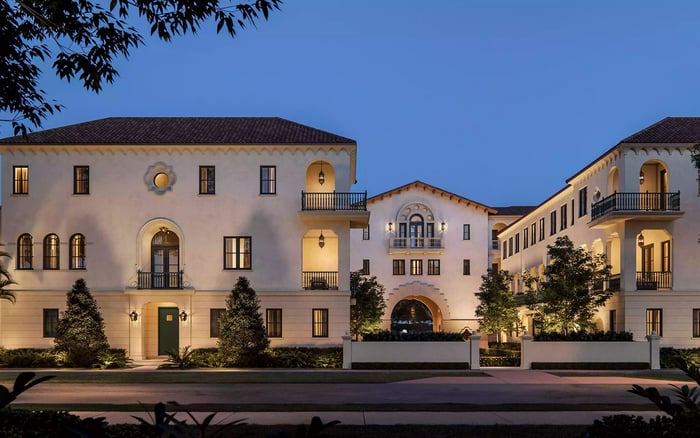
Coral Gables offers long-term South Florida buyers a composed residential base shaped by architecture, greenery, design discipline and proximity to Miami’s business, cultural and leisure centers.
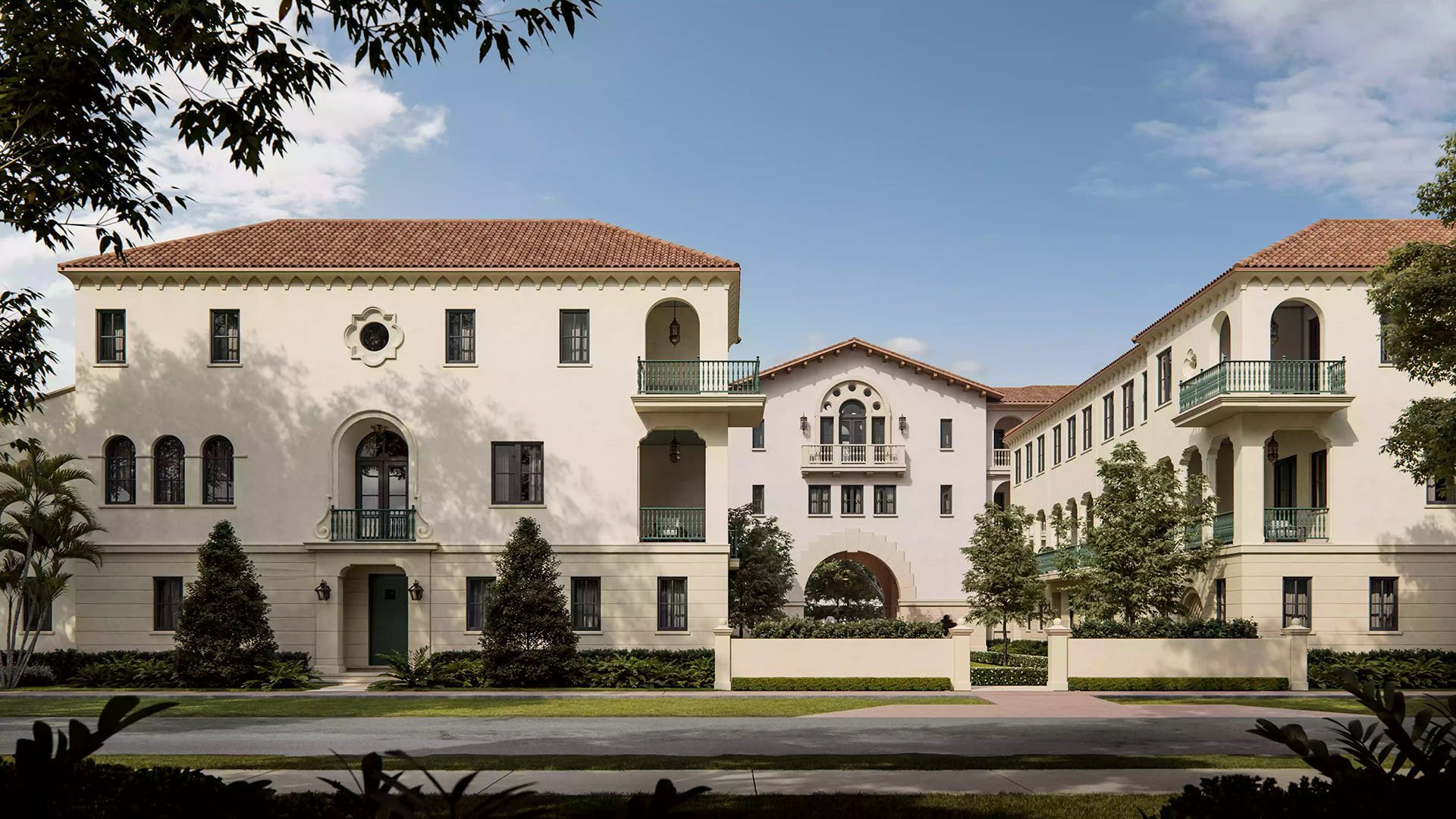
For buyers building a durable South Florida base, Coral Gables offers something more nuanced than spectacle. It is not defined by height, nightlife, or constant reinvention. Its appeal is rooted in planning, proportion, architectural continuity, and a daily rhythm that feels deliberately composed. In a region often associated with waterfront drama and resort energy, Coral Gables stands apart as a residential city with an enduring sense of order.
That matters for families, international buyers, executives, and seasonal residents who are not simply purchasing a place to stay. They are choosing the setting for routines, relationships, and long-term identity in South Florida. Coral Gables can accommodate that ambition because it balances privacy with access. It feels removed from Miami’s most kinetic districts, yet remains connected to the broader network of business, education, airport, cultural, and leisure destinations that define the area.
The result is a refined base, not a compromise. Buyers who want beaches every day may look elsewhere. Buyers who want civic scale, mature landscaping, and a more architectural sense of arrival often find Coral Gables more compelling with time.
Coral Gables’ planned-city DNA is central to its appeal. Its connection to the City Beautiful tradition, Mediterranean Revival architecture, and a controlled visual language creates a sense of coherence that is increasingly rare in South Florida. The value is not only aesthetic. It is emotional. Streets feel legible. Buildings tend to relate to one another. Landscaping softens the urban experience, and the overall atmosphere encourages a slower, more settled way of living.
For long-term buyers, that consistency can be as important as square footage. A residence is easier to hold, improve, and enjoy when the surrounding environment has discipline of its own. This is why Coral Gables often attracts buyers who have already experienced more overt luxury settings and now want something quieter, more rooted, and less transactional.
Within that context, newer residential offerings can be especially relevant when they respect neighborhood scale. A buyer considering Ponce Park Coral Gables is often looking for the ease of a modern residence without losing the intimacy and grace associated with the city. Similarly, The Village at Coral Gables speaks to continued demand for residential formats that feel integrated into Coral Gables rather than imposed upon it.
One reason Coral Gables works as a long-term base is its ability to sit between worlds. Buyers can remain close to Miami-area professional, educational, airport, cultural, and leisure nodes while living in a setting that does not feel dominated by those forces. That distinction is meaningful. In many luxury markets, convenience comes with noise, density, or a sense of constant turnover. Coral Gables offers proximity through a more residential filter.
For executives and entrepreneurs, the connection to Brickell is part of the equation. Brickell’s vertical energy may be essential during the workweek, but not every buyer wants that same intensity at home. Coral Gables gives those buyers a more composed counterpoint. It allows the household to function with access to the city’s commercial gravity while preserving a private, greener atmosphere at day’s end.
For others, the comparison may be with Coconut Grove. The Grove has its own canopy, informality, and waterfront sensibility, while Coral Gables offers a more formal civic structure and architectural continuity. A discerning buyer may compare both, perhaps reviewing Four Seasons Residences Coconut Grove alongside Coral Gables opportunities, not because the neighborhoods are interchangeable, but because each addresses the desire for permanence in a different language.
A long-term Coral Gables search should begin with lifestyle, not finishes. The strongest purchases are usually those that align with how the buyer expects to live across a full cycle of years. That means thinking about school patterns, office routes, airport usage, club life, dining preferences, privacy requirements, guest accommodations, and the degree of maintenance a household is willing to carry.
Single-family homes may offer land, separation, and a more traditional residential experience. Condominiums and townhome-style residences may appeal to buyers seeking security, lock-and-leave convenience, and fewer day-to-day responsibilities. New construction can be attractive when a buyer wants contemporary systems and amenities, but in Coral Gables the best new inventory must be evaluated through the lens of neighborhood fit, architectural tone, and long-term livability.
The area around Merrick Park also matters for buyers who value convenience without surrendering refinement. Cora Merrick Park can enter the conversation for those who want a polished residential experience near established shopping, dining, and daily services. The appeal is not about chasing novelty. It is about bringing errands, social life, and home into a more graceful pattern.
Buyers should also be honest about seasonality. A second home in Coral Gables needs to function differently from a primary residence. Lock-and-leave ease, building services, parking, guest access, and maintenance protocols become more important when the owner is away for extended periods. Conversely, a primary household may place greater emphasis on neighborhood routine, outdoor space, and the subtle pleasure of living amid mature landscaping.
Coral Gables is not the loudest luxury proposition in South Florida, which is precisely the point. Its strongest value lies in continuity: streets that feel considered, architecture that carries a recognizable vocabulary, and a residential mood that does not depend on the latest cycle of attention. For buyers building a long-term South Florida base, that kind of restraint can be the highest form of luxury.
The decision is ultimately about temperament. Coral Gables suits buyers who want access, but not constant exposure; elegance, but not theatricality; convenience, but not congestion as a lifestyle. It is for those who understand that a true base should become more useful, more familiar, and more meaningful over time.
Is Coral Gables a good fit for long-term South Florida buyers? Yes. Its planned character, architectural continuity, and residential calm make it well suited to buyers seeking a stable base rather than a purely seasonal address.
Does Coral Gables work better as a primary residence or a second home? It can work for either. Primary buyers may value routine and neighborhood depth, while second-home owners may prioritize lock-and-leave convenience and access.
Where does new construction fit into a Coral Gables search? New construction can be compelling when it adds modern comfort while respecting Coral Gables’ scale, landscaping, and architectural expectations.
How does Coral Gables compare with Brickell? Brickell offers a more vertical, business-centered lifestyle. Coral Gables provides a quieter residential counterpoint with convenient access to Miami’s core.
How does Coral Gables compare with Coconut Grove? Coconut Grove feels more informal and waterfront-oriented, while Coral Gables is more structured, architectural, and civic in character.
Is Coral Gables mainly for families? Families are an important audience, but the area also appeals to executives, international buyers, downsizers, and seasonal residents seeking refinement.
Should buyers focus on homes or condominiums? The right choice depends on privacy, maintenance tolerance, travel patterns, and desired services. Both formats can support a long-term Coral Gables base.
Why is design control important in Coral Gables? Design discipline helps preserve visual coherence. For many buyers, that consistency contributes to long-term confidence and daily enjoyment.
Can Coral Gables feel connected without feeling urban? Yes. Its appeal lies in pairing access to Miami-area business, education, airport, cultural, and leisure nodes with a more composed residential setting.
What should buyers evaluate before committing? They should consider daily routes, household needs, privacy, building services, outdoor space, and how the residence will function across many years.
If you'd like a private walkthrough and a curated shortlist, connect with MILLION.
If branded residences are on your mind — as a home or as an allocation — we would be glad to share what we are seeing, privately.
Begin a quiet conversation