A disciplined framework for deciding whether a full-service tower’s amenity program will improve daily life enough to justify its cost, complexity, and long-term obligations.
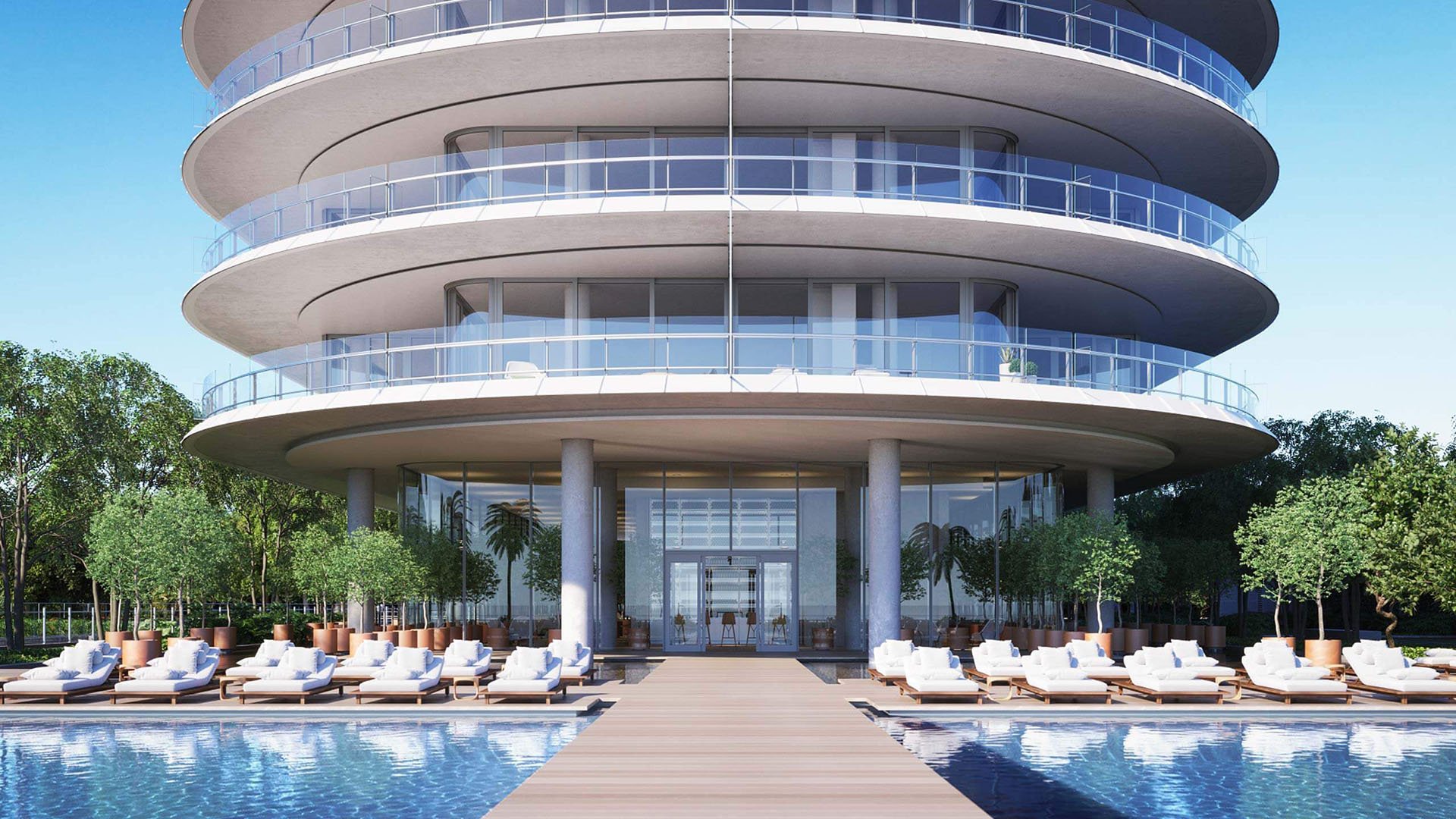
The question is not whether a luxury tower offers an impressive amenity program, but whether that program will materially improve the way you live. A screening room may photograph beautifully yet hold little value for an owner who travels frequently. A discreet arrival sequence, responsive residential staff, or reliably available fitness space may matter every day.
Before touring, map a typical week in South Florida. Include work hours, exercise, dining, entertaining, boating, children, pets, wellness appointments, deliveries, and time away. Then assign each proposed amenity a likely frequency: daily, weekly, monthly, occasionally, or never. This simple exercise converts a broad lifestyle proposition into a personal utilization forecast.
The resulting hierarchy should distinguish among necessities, meaningful conveniences, and decorative extras. Buyers should be willing to pay most for the first category, selectively for the second, and very little for the third.
An amenity creates value only when it is easier than the alternative. Estimate the total time required to use it, including elevator travel, check-in, reservations, setup, waiting, and the return to your residence. A pool one elevator ride away may become part of a morning routine. The same space can feel inaccessible if seating is scarce, operating hours conflict with your schedule, or guest access is cumbersome.
Compare in-building conveniences with options already embedded in your routine. If you prefer a private club, trainer, marina, spa, or restaurant elsewhere, duplicated facilities inside the building may not merit a substantial personal premium. Conversely, an amenity that eliminates repeated drives or coordination can be valuable even if it appears modest on a plan.
This is especially relevant when comparing urban options such as The Residences at 1428 Brickell and Cipriani Residences Brickell. Evaluate each Brickell address through the lens of your own schedule rather than assuming a longer amenity menu is automatically superior.
Physical spaces are only half of a full-service proposition. Ask who operates each amenity, who may use it, when it is available, and what requires an appointment or separate charge. Clarify whether services are delivered by building employees, outside operators, or a hospitality component. That distinction can affect continuity, accountability, and the resident experience.
Request written answers on reservation windows, cancellation rules, guest limits, age restrictions, dress expectations, food and beverage policies, private-event bookings, and seasonal operating hours. For wellness and treatment spaces, determine what is included, what is merely available, and what depends on outside professionals.
Observe the service culture during more than one visit. Note how arrivals, packages, calls, maintenance questions, and resident requests are handled. Discretion and consistency are more revealing than ceremonial gestures staged for a sales presentation.
Amenity square footage means little without context. Ask how many residences share each space and whether hotel guests, club members, commercial patrons, or other groups may also have access. Then study circulation: private and public elevators, service routes, loading areas, valet flow, beach or waterfront access, and the path from residence to amenity.
Privacy can erode when residents and outside users converge at entrances or popular spaces. Capacity may also be limited by furniture layouts, treatment rooms, equipment counts, or reservation policies. Tour at the hour you would realistically use the building, not only during a quiet appointment.
In Miami Beach, compare the day-to-day experience of candidates such as Five Park Miami Beach and The Perigon Miami Beach using the same questions. The objective is not to crown a universal winner, but to identify the environment that best protects your time and privacy.
Do not separate the purchase price from the recurring cost of the amenity ecosystem. Review the current or projected budget, scope of included services, reserve assumptions, insurance responsibilities, staffing model, utilities, maintenance contracts, and any separately billed usage. Ask which elements could be modified after turnover and how owner governance may influence future operations.
Model costs under more than one scenario. A base case can reflect the presented budget. A more conservative case can account for higher staffing, maintenance, insurance, utilities, and replacement needs without assigning unsupported percentages. The purpose is not to predict a precise fee, but to test whether the residence remains comfortable if carrying costs rise.
Buyers often benefit from separating emotional appeal from financial utility. Assign each amenity a personal annual value, then compare the total with the portion of ownership cost you believe supports shared services. The calculation will be imperfect, but it reveals where enthusiasm is doing more work than utilization.
Create a one-page matrix with five criteria: expected frequency, time saved, privacy, service reliability, and recurring cost. Score each criterion consistently across every property. Add a separate red-flag column for unclear access, third-party dependence, limited capacity, or unresolved operating terms.
Weight the criteria according to your life. A primary resident may prioritize daily service and convenience. A second-home owner may care more about arrival readiness, oversight while away, and low-friction visits. Someone who entertains often may value guest protocols and private dining space, while another buyer may prefer a quieter boutique environment with fewer shared facilities.
Apply the scorecard even across different settings. A comparison involving Four Seasons Residences Coconut Grove should still be governed by the same personal thresholds used for coastal or urban alternatives. Consistency prevents architecture, branding, or presentation from obscuring operational fit.
Ask for the governing documents, proposed or current budget, service descriptions, rules, management agreements, and any schedules of additional charges available for review. Have qualified legal and financial advisers examine obligations, amendment rights, shared-use arrangements, and owner control. Confirm verbal representations in writing before relying on them.
Finally, repeat the tour as a resident rather than a spectator. Walk the arrival path, wait for the elevator, locate service access, inspect the spaces you would use most, and imagine a rainy weekday, a busy weekend, and an extended absence. The right full-service tower should reduce friction across all three situations.
How many amenities should a luxury tower have? The count matters less than whether the spaces and services match your routine, remain accessible, and are financially sustainable for you.
How can I estimate my likely amenity use? Map a normal week and assign every amenity a realistic frequency, from daily to never.
Should I pay more for a branded residence? Evaluate the actual service obligations, operating structure, and personal utility rather than relying on the brand name alone.
What should I ask about reservations? Confirm booking windows, peak-time availability, cancellation rules, guest access, private events, and any usage charges.
Why does the number of residences matter? It helps frame potential demand for shared spaces, although access rules and outside users also require review.
Are hotel-style services always included? Not necessarily. Confirm in writing which services are included, separately charged, outsourced, or subject to change.
How should seasonal owners assess value? Prioritize arrival readiness, security, maintenance coordination, owner services, and amenities you will actually use during visits.
What documents deserve professional review? Focus on governing documents, budgets, management arrangements, shared-use provisions, fee schedules, and rules governing access.
Can low utilization still be worthwhile? Yes, when an occasionally used service provides exceptional convenience, privacy, or peace of mind at critical moments.
What is the clearest warning sign? Treat vague answers about access, cost, staffing, capacity, or future control as a reason for deeper diligence.
For a discreet conversation and a curated building-by-building shortlist, connect with MILLION.
If branded residences are on your mind — as a home or as an allocation — we would be glad to share what we are seeing, privately.
Begin a quiet conversation