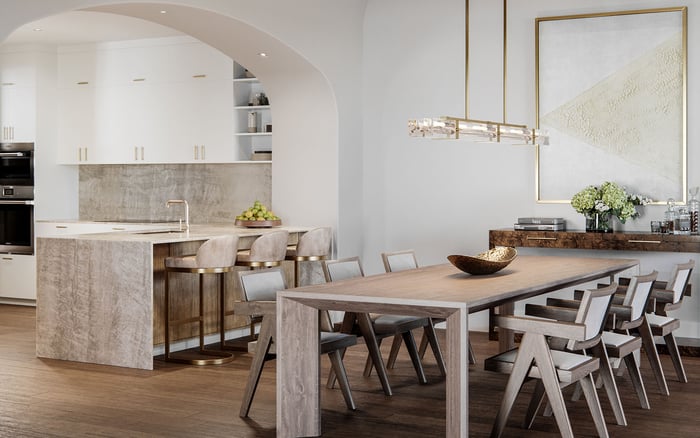
A discreet buyer’s guide for Manhattan residents evaluating Coral Gables preconstruction condos, with practical advice on lifestyle fit, contract discipline, design review, and long-term optionality.
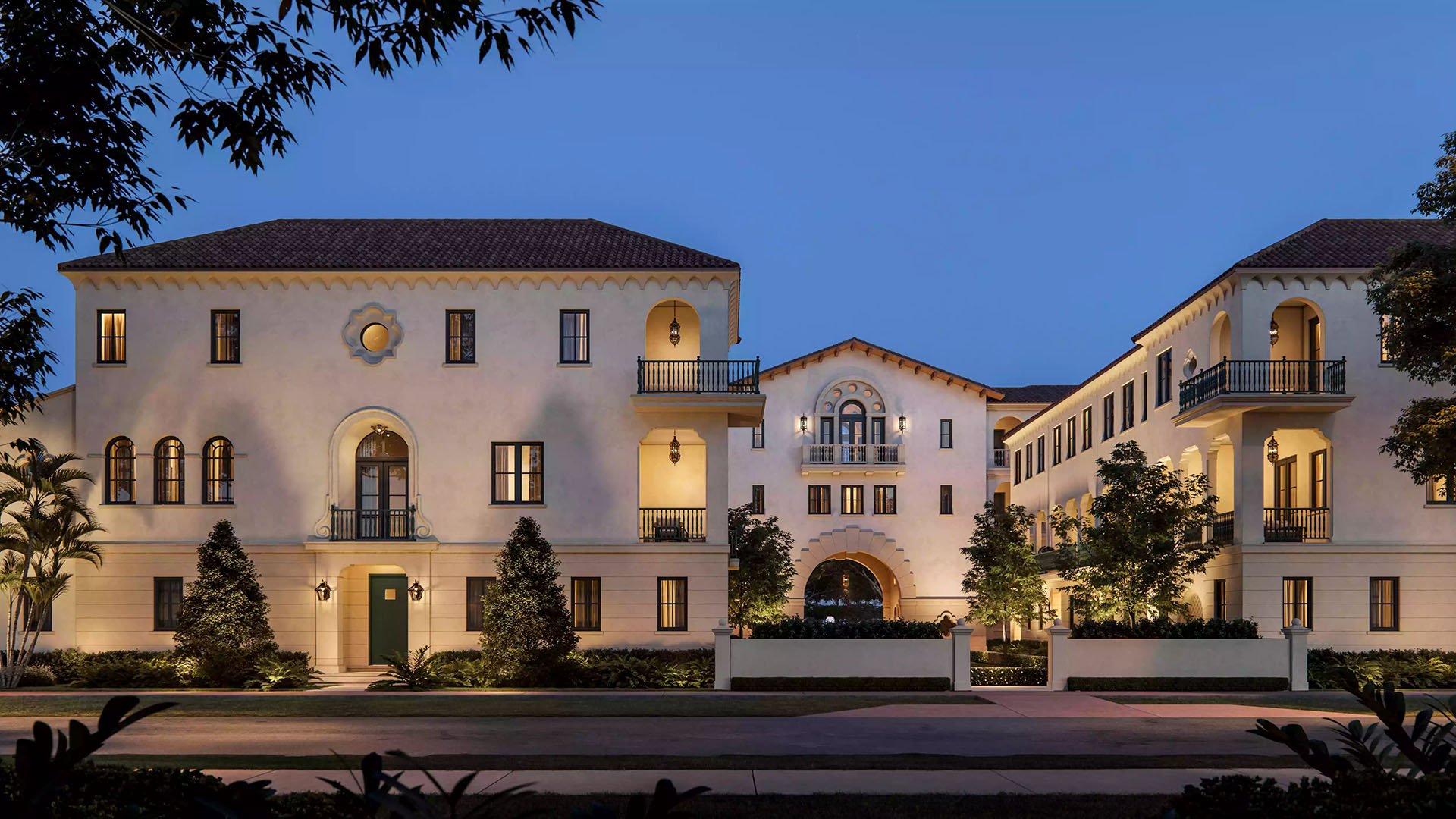
For a Manhattan buyer, the decision to consider Coral Gables is rarely about square footage alone. It is usually about pace, privacy, light, school proximity, outdoor living, and the emotional relief of a more composed daily rhythm. A preconstruction condo can be the cleanest expression of that shift, allowing a buyer to choose early, plan deliberately, and step into a residence shaped for the next chapter rather than adapted from the last one.
The strongest move begins with a candid definition of use. Will the residence be a full-time home, a seasonal base, a future retirement address, or a foothold for family visits? Manhattan buyers often bring exacting expectations around service, building operations, and walkability. Coral Gables adds a different calculus: architecture, neighborhood texture, private terraces, dining access, proximity to work corridors, and the feeling of arriving somewhere residential without becoming remote.
In a practical search file, label the opportunity Pre-construction or New-construction only after the buyer understands the timeline, deposit structure, finish package, governance documents, and the developer’s delivery obligations. The words are attractive; the discipline behind them is what protects the purchase.
New York buyers tend to ask excellent questions. They are accustomed to boards, building rules, high monthly carrying costs, elevator logistics, staff culture, and the premium attached to a well-run address. In South Florida, the questions shift slightly. A buyer should study exposure, balcony usability, hurricane-rated systems, parking arrangements, storage, amenity programming, insurance assumptions, and how the association will function after turnover.
The preconstruction process also requires comfort with drawings rather than completed rooms. A sales gallery can convey materials and mood, but it cannot replace a careful reading of plans. Study column placement, primary bedroom separation, kitchen work zones, ceiling heights where available, mechanical locations, and the relationship between interior living areas and terraces. A residence that photographs beautifully may not live beautifully if circulation is awkward or outdoor space is merely decorative.
Manhattan buyers should also resist comparing neighborhoods on a single scale. Brickell may speak to a buyer who wants vertical energy, restaurants, business access, and an urban skyline, while Coral Gables often appeals to those seeking a more established, gardened environment. A project such as The Residences at 1428 Brickell can be useful as a point of comparison for amenity expectations and urban luxury, even when the final preference is the quieter elegance of the Gables.
Coral Gables is not trying to be Manhattan, and that is the point. Its appeal is measured rather than theatrical. Buyers are drawn to its architectural language, mature streets, civic polish, and the ability to live near Miami’s cultural and business life without placing the home at the center of constant motion.
For the Manhattan buyer, this can feel like a recalibration of value. Instead of paying for the fastest elevator to the highest view, the premium may sit in proportion, privacy, terrace depth, parking convenience, arrival sequence, and the neighborhood’s sense of permanence. Preconstruction in this setting should be judged less by spectacle and more by daily grace.
Within the Coral Gables conversation, Cora Merrick Park offers a relevant example of how buyers may evaluate location, scale, and access to established retail and dining areas. Ponce Park Coral Gables is another natural reference point for those who want to understand how new residential offerings can fit into the city’s traditional fabric rather than overwhelm it.
A preconstruction condo is purchased twice: first on paper, then emotionally at delivery. The first purchase should be analytical. A buyer should ask whether the foyer creates privacy, whether the kitchen supports real entertaining, whether the laundry area is placed intelligently, and whether guest rooms can flex for family, staff, or remote work.
The best Manhattan relocations often involve a mental reset around outdoor living. In New York, outdoor space can be rare and prized even when small. In Coral Gables, the terrace should be evaluated as a functional room. Can it hold a dining table? Does it connect naturally to the main living area? Is the exposure comfortable at the time of day the buyer will use it most? These questions matter more than a glamorous rendering.
The same rigor applies to finishes. Buyers should understand what is included, what is optional, what is merely representative, and where substitutions may occur. Cabinetry, stone, appliances, flooring, lighting provisions, smart-home infrastructure, and bath specifications should be reviewed with the same seriousness one would bring to a co-op board package or townhouse renovation.
A beautiful unit in a poorly conceived building is not a luxury purchase; it is a compromise with a view. Manhattan buyers know this instinctively. In Coral Gables, the building’s long-term quality will depend on staffing, security, arrival, maintenance standards, amenity restraint, and the financial clarity of the association.
Preconstruction buyers should ask how many residences will share the amenity spaces, how parking and valet will work, where service access is located, and whether the lobby experience suits the buyer’s expectation of discretion. A smaller building may offer intimacy, while a larger building may offer more amenities and staff coverage. Neither is inherently superior. The right answer depends on how the buyer lives.
For those comparing the Gables with nearby enclaves, Four Seasons Residences Coconut Grove can help frame the conversation around branded service, waterfront-adjacent lifestyle, and the broader appeal of established residential neighborhoods near Biscayne Bay. The exercise is not to chase a logo, but to define which services are essential and which merely inflate monthly costs.
The strongest preconstruction buyers move with calm urgency. They understand that early selection can matter, but they do not confuse speed with care. Before signing, review the contract with qualified counsel, clarify deposit timing, understand rescission rights where applicable, and confirm how changes, delays, and closing conditions are handled.
Financing should be discussed early, even for cash buyers. Liquidity planning matters when deposits are staged over time, and the buyer should understand how the final closing will be funded if personal circumstances, markets, or interest rates shift before completion. Insurance, association fees, taxes, and reserves should be modeled conservatively rather than optimistically.
A buyer should also consider resale before falling in love. The most resilient residences tend to have clear advantages: desirable exposure, efficient plans, generous primary suites, meaningful outdoor space, parking convenience, and a location that makes sense to both local and relocating buyers. The goal is not to buy for an imagined future purchaser, but to avoid a floor plan or view condition that narrows the audience unnecessarily.
Manhattan buyers are fluent in vertical living, but Coral Gables introduces another possibility: a more village-like residential experience. That may mean lower scale, more architectural detail, a closer relationship to the street, and a softer transition between private home and neighborhood life.
A project such as The Village at Coral Gables can be part of that evaluation for buyers considering how architecture, setting, and daily routine intersect. The question is not simply whether one prefers a tower or a village concept. It is whether the residence supports the life the buyer is actually moving toward.
For some, that life includes frequent travel to New York, a need for lock-and-leave convenience, and concierge-level simplicity. For others, it includes deeper roots, local dining rituals, family proximity, and a quieter architectural identity. The right preconstruction condo should make both the present and the future feel coherent.
What should a Manhattan buyer review first? Start with intended use, timeline, budget, and whether Coral Gables supports the daily rhythm you want after leaving New York.
Is preconstruction suitable for a first South Florida purchase? Yes, if the buyer is comfortable purchasing from plans and has qualified legal, financial, and real estate guidance before signing.
How important is the developer’s track record? It is central because preconstruction requires confidence in execution, communication, delivery standards, and post-closing building quality.
Should I prioritize view or floor plan? A strong view is valuable, but an efficient floor plan usually has greater impact on daily comfort and long-term usability.
Are amenities always worth paying for? Not always. Choose amenities you will use regularly, and evaluate whether the staffing and operating costs match your lifestyle.
What makes Coral Gables different from Brickell? Brickell offers a denser urban experience, while Coral Gables generally appeals to buyers seeking a more residential and architectural setting.
Can I customize a preconstruction residence? Customization depends on the project, timing, and developer policy, so options should be confirmed in writing before relying on them.
When should I involve an attorney? Before signing any reservation, contract, or amendment, especially when deposits, delays, and closing obligations are involved.
How should I think about resale? Favor residences with broad appeal, including practical layouts, desirable exposure, meaningful outdoor space, and a location with durable demand.
What is the best way to begin? Build a short list, compare the buildings carefully, and visit the neighborhood at different times before making a commitment.
For a confidential assessment and a building-by-building shortlist, connect with MILLION.
If branded residences are on your mind — as a home or as an allocation — we would be glad to share what we are seeing, privately.
Begin a quiet conversation