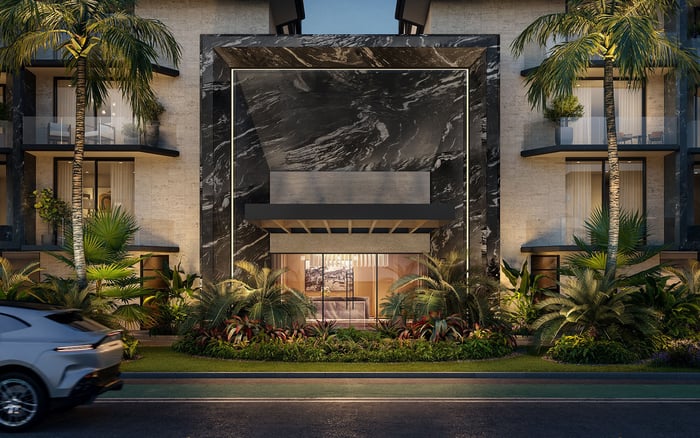
A disciplined framework for Montreal-based buyers evaluating La Baia North, from domicile planning and travel cadence to carrying costs, currency exposure, and resale flexibility.
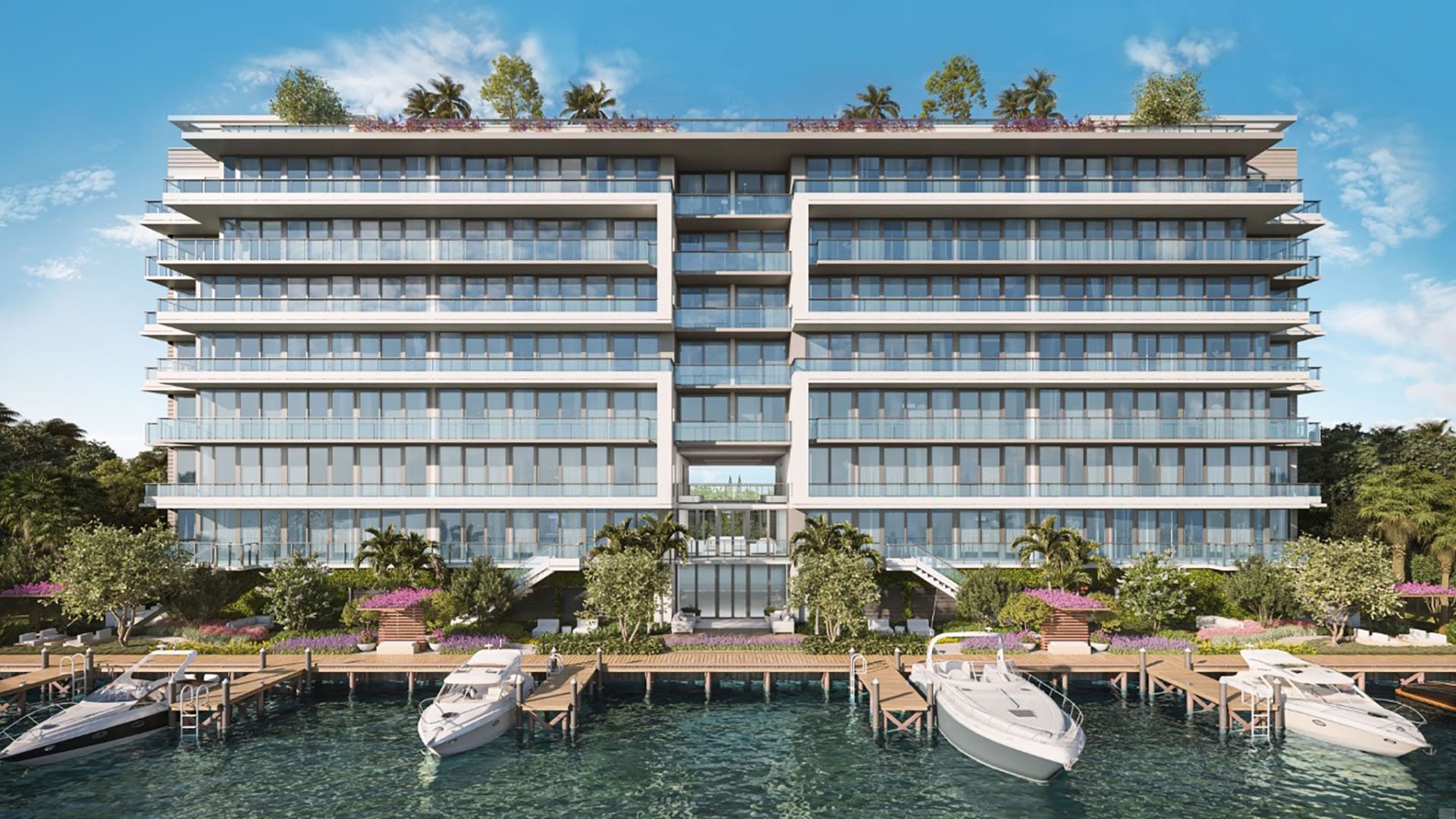
For a Montreal buyer, a South Florida home is more than an acquisition. It is a cross-border lifestyle system shaped by family calendars, professional obligations, currency, property administration, and long-term intent. The elegant decision is the one that works on an ordinary Tuesday, not only during a perfect winter week.
La Baia North Bay Harbor Islands can serve as the focal point for that analysis. Yet the residence should be tested against three distinct questions: where the owner is domiciled, how the home will actually be used, and what it will cost to hold through changing circumstances.
Domicile should be treated as a legal and personal planning matter, not inferred from a purchase. Before signing, buyers should map where family life, business activity, principal ties, records, and time are centered. Canadian and United States counsel, together with cross-border tax advisers, can then assess the buyer's specific structure and intentions.
Consistency is essential. Travel records, estate documents, insurance arrangements, ownership entities, and day-to-day behavior should not tell conflicting stories. A second-home strategy may be entirely appropriate, but it should be documented as deliberately as a primary-residence decision. Spouses or partners may also require separate analysis when citizenship, employment, or travel patterns differ.
Begin with a twelve-month occupancy plan. Mark preferred arrival windows, work commitments, school dates, family events, hurricane-season decisions, and periods when the residence may stand empty. Then account for realistic friction: packing, airport transfers, delayed returns, pet arrangements, groceries, housekeeping, and reopening the home after an absence.
Frequency matters more than aspiration. A buyer anticipating short, regular stays may value effortless lock-and-leave routines differently from someone planning a long seasonal residence. Build three scenarios: ideal use, reduced use, and an interruption year. If the home remains rational in all three, the travel thesis is more durable.
Location comparisons should follow the same calendar. A buyer considering Bay Harbor Islands can also review Onda Bay Harbor, while a broader coastal search may include Bal Harbour. The aim is not to collect options, but to determine which setting best supports repeated arrivals and departures.
Create a holding-cost ledger in both United States and Canadian dollars. Separate fixed obligations from usage-driven expenses and discretionary upgrades. Include purchase funding, closing and advisory costs, property taxes, association charges, insurance, utilities, internet, housekeeping, maintenance, furnishing replacement, security, vehicle or transport needs, and professional administration where applicable.
Add reserves for building assessments, appliance replacement, interior refreshes, storm preparation, and post-storm inspection. These are planning categories, not forecasts. During diligence, request current documents and quotations rather than relying on generalized assumptions.
Currency deserves its own line. Purchase funds, recurring bills, sale proceeds, and debt service may not move in the same direction when measured in Canadian dollars. Test several exchange-rate scenarios without assuming a favorable outcome. If financing is contemplated, compare the currency of income, assets, borrowing, and expenses.
Waterfront ownership warrants additional scrutiny of insurance, maintenance protocols, building governance, and resilience planning. Buyers can use La Maré Bay Harbor Islands as another project-level comparison, then apply the same document-based questions to every candidate.
The right floor plan begins with behavior. Count overnight guests, remote-work needs, storage requirements, wardrobe rotation, outdoor preferences, and the owner's tolerance for managing unused rooms. Consider whether family members will arrive independently and who can authorize repairs while the owner is in Montreal.
Translate service expectations into specific operating questions. What does the building handle, what remains the owner's responsibility, and which services require separate contracts? Review access procedures, delivery policies, renovation rules, pet provisions, parking arrangements, and leasing restrictions directly in the current governing materials.
For another Bay Harbor comparison, The Well Bay Harbor Islands can help sharpen preferences without presuming that one concept suits every buyer. Investment logic should remain secondary to personal utility unless the acquisition was expressly designed around income or resale. Optionality is valuable, but only when permitted by the documents and supported by realistic costs.
Ask advisers to review a base case, a higher-cost case, a lower-use case, and an earlier-than-planned sale. Include transaction expenses, currency movement, carrying periods, and the possibility that desired leasing or renovation plans may be unavailable. A disciplined offer follows completed diligence, not the reverse.
The final test is simple: the property should support the buyer's life with minimal improvisation. When domicile, travel rhythm, governance, and costs align, the residence can feel less like a remote asset and more like an assured extension of home.
Does buying at La Baia North determine domicile? Domicile requires individualized legal and tax analysis. Treat the purchase and domicile planning as coordinated but separate decisions.
When should cross-border advisers become involved? Ideally, involve them before selecting an ownership structure, transferring funds, or signing a contract with material obligations.
How should Montreal buyers estimate annual use? Build an actual calendar with conservative, expected, and high-use scenarios, including family and professional constraints.
Which ownership costs are easiest to overlook? Buyers often need separate allowances for home watch, maintenance reserves, interior replacement, storm preparation, and administration.
How should currency exposure be modeled? Show acquisition costs, annual carrying costs, financing, and eventual sale proceeds in both currencies under multiple exchange assumptions.
Is a larger residence always better for seasonal ownership? No. Additional rooms can improve guest flexibility, but they can also increase furnishing, maintenance, and management demands.
What building documents deserve close review? Examine current budgets, financial statements, insurance materials, rules, reserves, meeting records, assessments, and purchase disclosures with counsel.
Should rental income be included in the base case? Include rental income only after confirming current rules, approvals, costs, taxes, and realistic occupancy assumptions.
How can an owner manage the home from Montreal? Establish local contacts, written authorization limits, inspection routines, emergency procedures, and a secure system for records and payments.
What makes the purchase resilient over time? Conservative costs, appropriate advisers, flexible personal use, sound governance review, and a credible exit plan create a stronger foundation.
For a discreet conversation and a curated building-by-building shortlist, connect with MILLION.
If branded residences are on your mind — as a home or as an allocation — we would be glad to share what we are seeing, privately.
Begin a quiet conversation