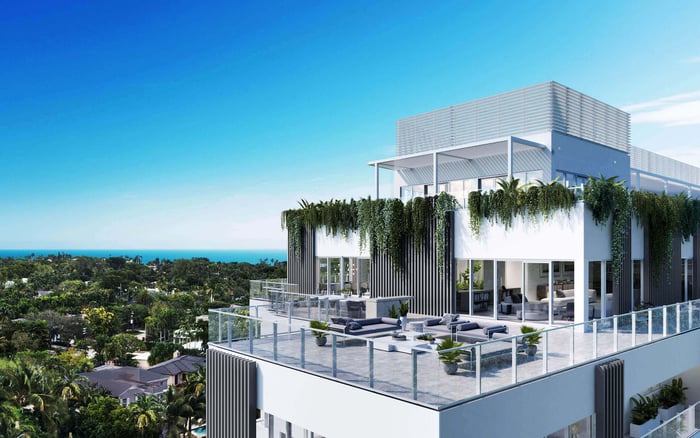
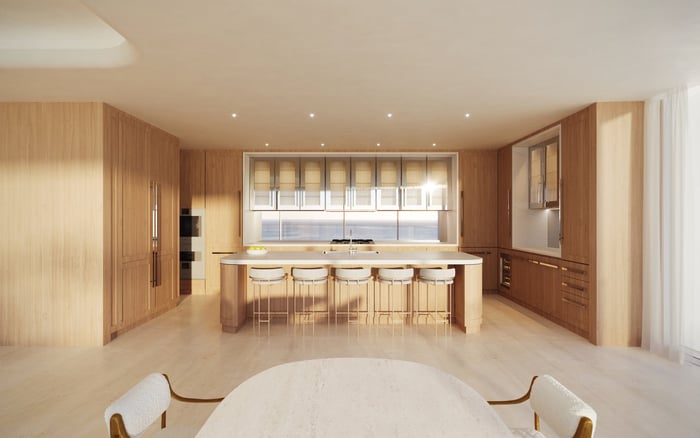
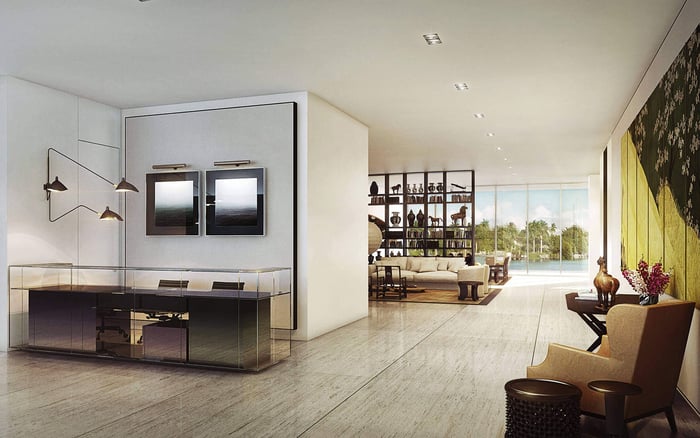
A buyer-focused framework for comparing residence lines at Faena House Miami Beach through sightlines, privacy, daylight, outdoor comfort, and the durability of each visual corridor.
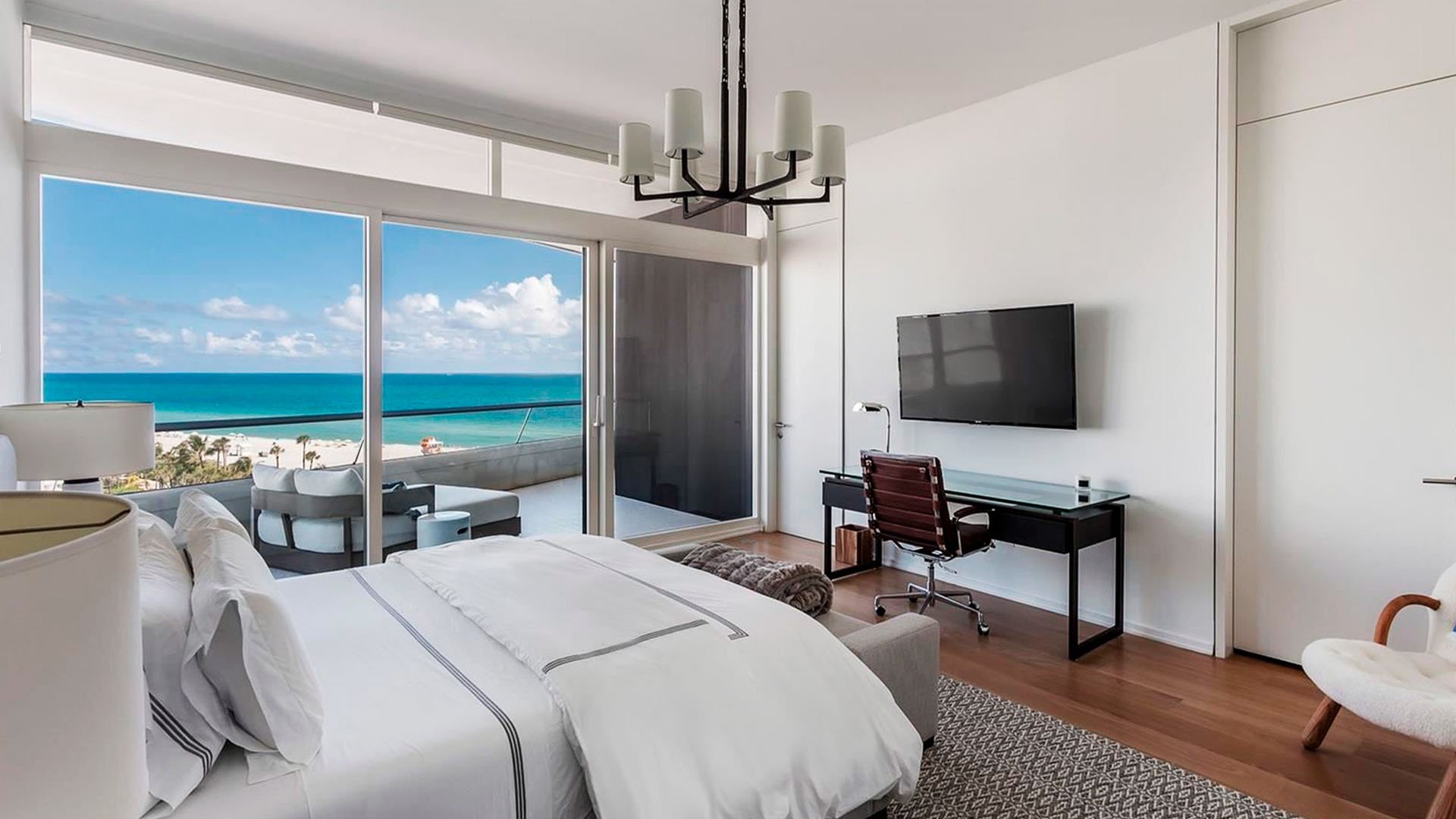
When evaluating a residence at Faena House Miami Beach, a broad view description should be treated as a starting point rather than a conclusion. The relevant question is how the outlook, daylight, privacy, and outdoor exposure work together from the specific rooms and seating areas an owner will use.
A line can feel different depending on where a person stands or sits. Buyers should compare the view from the living room, dining area, bedrooms, and outdoor spaces rather than relying on a single impression at the glass.
Orientation affects more than the direction of a view. It can influence when direct light enters the home, where glare appears, how shaded an outdoor area feels, and whether neighboring spaces enter the field of vision.
Comparative touring helps place those tradeoffs in context. A visit to The Perigon Miami Beach can help a buyer identify which combinations of water, coastline, architecture, and sky feel most compelling before returning to the Faena House residence under consideration.
A useful inspection separates the outlook into foreground, middle distance, and horizon. The foreground may contain active areas or nearby structures, while the middle distance and horizon determine how open or framed the overall composition feels.
The same view should be checked from normal living positions. Buyers can sit at the likely locations of a sofa, dining table, bed, and outdoor lounge to see whether railings, walls, furniture, or neighboring structures alter the experience.
A comparison with Setai Residences Miami Beach may further clarify whether the priority is an immediate connection to the water, a broader coastal composition, or a balance of water and urban outlooks.
Privacy analysis should consider what the resident can see and who may be able to see the resident. From each principal room and outdoor area, identify possible reciprocal sightlines involving neighboring residences, terraces, amenities, or active spaces.
This exercise should be repeated while seated and while standing. A space that appears private from the doorway may feel more exposed from a lounge chair or dining position. Window treatments or screening may help, but buyers should also consider whether those measures would reduce daylight or interrupt the preferred view.
A single showing cannot reveal the full daily pattern of light. Morning and later-day visits can help identify differences in brightness, glare, shade, and interior comfort. Weather conditions may also change the way reflected light and outdoor exposure feel.
Outdoor areas require a separate comfort test. Wind, shade, reflected light, sound, and surrounding activity can determine whether the space supports regular use or functions mainly as an overlook.
Touring Shore Club Private Collections Miami Beach can provide another South Florida point of comparison, but repeated observation of the specific Faena House residence remains essential.
Long-term appeal depends on the durability of the qualities that make a line desirable. Buyers should distinguish characteristics tied to the residence’s position and orientation from elements that can be altered, including interiors, furniture, screening, and landscaping.
Potential changes around the property also deserve review. The objective is not to predict an outcome without evidence, but to identify which parts of the view, privacy, and daylight depend on conditions outside the residence. A less dramatic outlook may prove more suitable when it offers a stronger balance of privacy, comfort, and visual resilience.
Begin with the floor plan and map each principal room to its exposure. During each visit, record the outlook from standing and seated positions, noting water, coastline, sky, nearby structures, and active areas without relying on a single view label.
Next, check reciprocal visibility from indoor and outdoor spaces. Listen with doors open and closed, and observe whether glare, shade, wind, or activity changes the usefulness of each area.
Finally, compare the available lines across four categories: view composition, privacy, light and outdoor comfort, and resilience of the visual corridor. The preferred residence should reflect the owner’s actual routines rather than the broadest marketing description.
Why does the residence line matter at Faena House? The selected line determines the specific combination of outlook, privacy, daylight, and exposure a buyer experiences.
Is an oceanfront description enough to assess a residence? No. Buyers should inspect the foreground, middle distance, horizon, and neighboring sightlines from actual living positions.
Where should a buyer evaluate the view? Check it from likely sofa, dining, bed, and outdoor seating positions, not only while standing beside the glass.
How should privacy be tested? Identify reciprocal sightlines between the residence and neighboring homes, terraces, amenities, or other active areas.
Why are multiple visits useful? Visits at different times can reveal changes in brightness, glare, shade, wind, sound, and surrounding activity.
Should outdoor areas be assessed separately? Yes. Their comfort and usefulness can depend on shade, wind, reflected light, sound, and visibility from nearby spaces.
Can window treatments solve privacy concerns? They may reduce exposure, but they can also limit daylight or interrupt a preferred outlook.
What should buyers consider about future changes? They should identify which parts of the view, privacy, and daylight rely on conditions outside the residence.
How can buyers compare different residence lines? Use the same criteria for each option: view composition, privacy, light and comfort, and resilience of the visual corridor.
What defines the strongest line for a particular buyer? It is the line whose tradeoffs best support that buyer’s routines, privacy preferences, and intended use of indoor and outdoor spaces.
For a confidential assessment and a building-by-building shortlist, connect with MILLION.
If branded residences are on your mind — as a home or as an allocation — we would be glad to share what we are seeing, privately.
Begin a quiet conversation