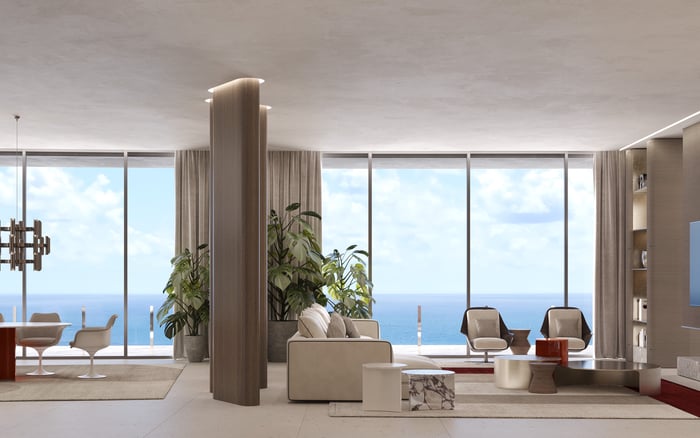
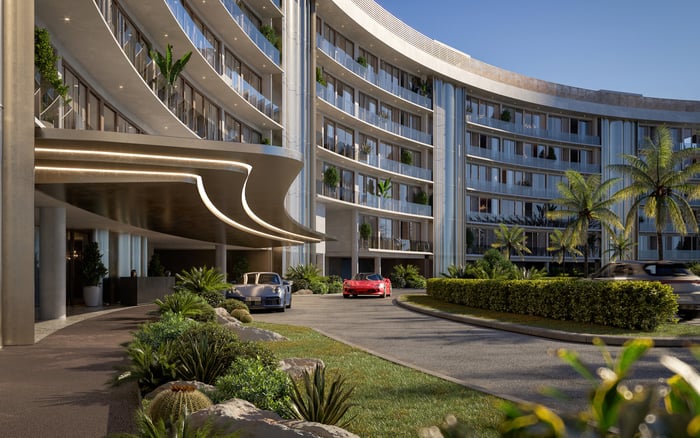
A discreet buyer’s guide to evaluating Vita at Grove Isle through the lens of extended guest stays, with emphasis on privacy, service rhythm, storage, terraces, and the way a residence performs when family or friends remain for weeks rather than days.
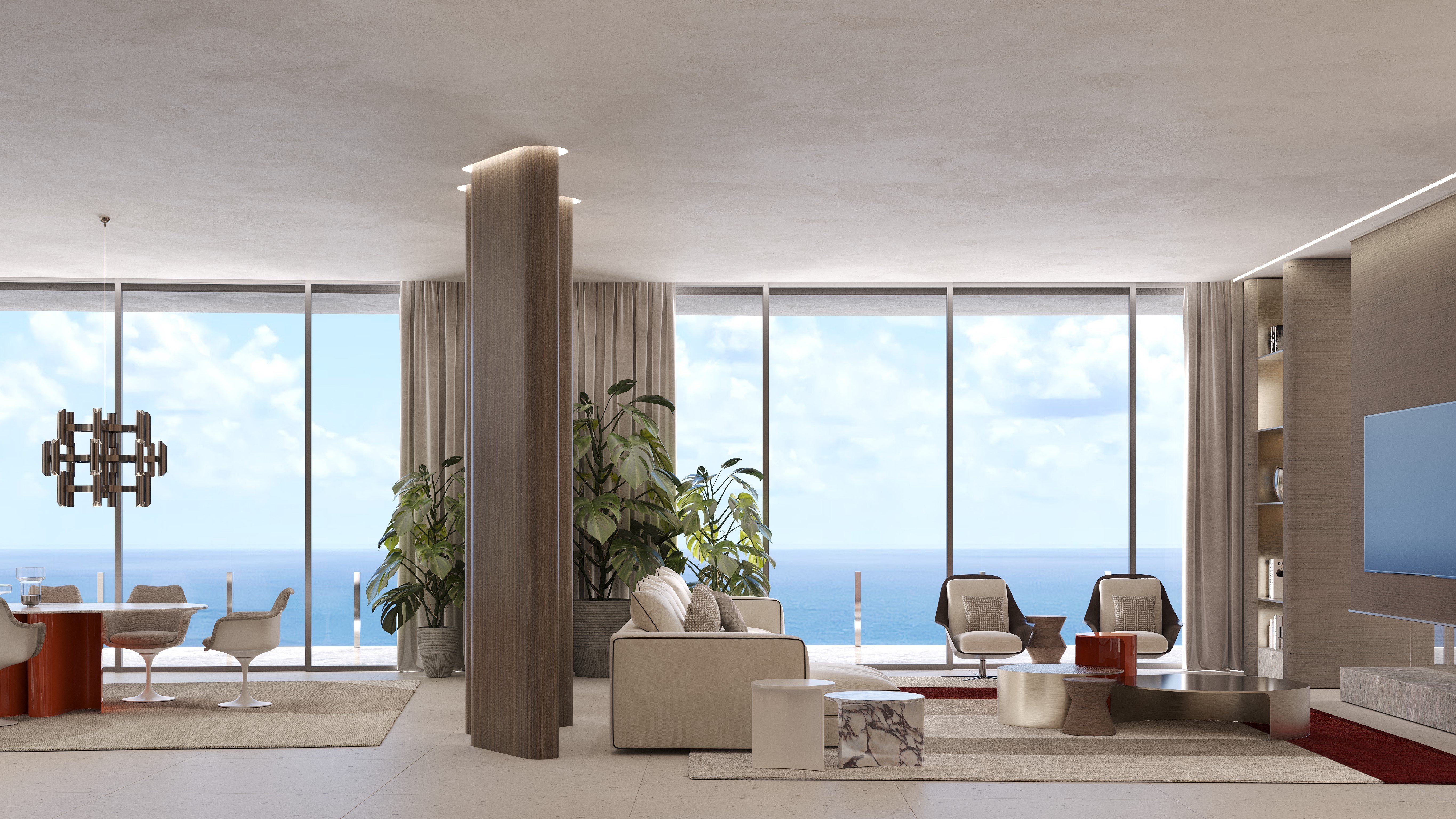
A residence behaves differently when guests arrive for dinner, a weekend, or a month. The first scenario is hospitality. The second is convenience. The third becomes a test of architecture, operations, and etiquette. That is the useful lens for considering Vita at Grove Isle: not simply how it photographs, but how it absorbs visiting family, adult children, friends, in-laws, and staff-supported routines without disrupting the owner’s private rhythm.
For South Florida’s ultra-premium buyer, this is increasingly central. Many residences no longer operate in a single pattern. They move between primary home, seasonal base, family gathering point, and quiet retreat. A guest who stays for weeks brings luggage, preferences, work calls, exercise habits, medications, drivers, deliveries, and a personal sense of privacy. The right residence makes all of that feel effortless. The wrong one makes every morning feel negotiated.
For this buyer, the long-stay scenario is not a simple bedroom-count question. It is a conversation about privacy, circulation, service rhythm, storage, outdoor space, and whether the home remains calm when it is fully occupied.
The guest experience begins before anyone reaches the front door. A long-stay arrival raises practical questions: where luggage pauses, how visitors are received, whether the owner must personally manage every instruction, and how seamlessly a guest can move from travel mode into residence mode. Luxury is not only the finish of the entry sequence. It is the absence of friction.
Buyers should think through the first hour. Can a guest arrive while the owner is out? Is there a graceful place for bags before they are unpacked? Does the route from arrival to guest quarters preserve the primary suite’s privacy? Are service conversations handled discreetly, or do they unfold in the social heart of the home? These details matter because a two-week stay repeats the arrival dynamic in miniature every day, through rides, packages, reservations, and returns.
In Coconut Grove, where privacy and greenery often carry as much emotional value as skyline presence, this choreography becomes part of the purchase decision. Buyers comparing Four Seasons Residences Coconut Grove may be asking the same larger question: how does the building support a household that is elegant, active, and occasionally full?
A guest room is not the same as a guest zone. For visitors staying weeks, the ideal arrangement gives them enough autonomy to avoid feeling like permanent houseguests. That means a bedroom with dignity, a bathroom that does not require crossing active family space, and storage that allows suitcases to disappear. It also means access to morning coffee, laundry routines, and quiet work without turning the residence into a shared office.
The most successful long-stay homes create layers. The owner’s suite remains emotionally separate. Guest rooms are comfortable but not dominant. Shared spaces feel generous enough for overlap, then allow retreat. If every visitor must occupy the same room at the same time, even refined interiors can begin to feel crowded.
When evaluating floor plans, buyers should walk an imaginary Tuesday, not a staged Saturday. One guest rises early. Another takes calls. The owners want breakfast privately. Someone returns from the pool or a walk. Someone else needs a driver. The plan should absorb these movements quietly.
Extended guests change the kitchen more than almost any other part of the home. A weekend visitor can dine out. A long-stay visitor will open drawers, make coffee, keep preferred foods, and eventually participate in the household rhythm. If the residence is designed only for entertaining, the daily experience may become less polished over time.
The key is separation between show and function. A gracious kitchen can remain social while still allowing practical work to happen without visual clutter. Pantry capacity, secondary preparation areas, refrigeration strategy, and cleanup flow all become relevant. Even when staff handles much of the work, the household still needs a plan for casual use.
This is one reason buyers often compare new residences by operational depth rather than surface glamour. At Park Grove Coconut Grove, the broader Grove context underscores how many owners want elegance that can sustain real family life, not merely occasional entertaining.
Guests who stay for weeks rarely behave like vacationers every day. They work, exercise, read, rest, and maintain routines. The residence must support simultaneous privacy. A long-stay guest may need a video call while the owner hosts lunch. A visiting parent may want a quiet morning while younger family members use the social spaces. A friend may keep a different schedule entirely.
This makes acoustic separation and flexible rooms important. A den, library, media room, or convertible sitting area can become the household’s pressure valve. The difference between comfort and fatigue is often the ability to be alone without leaving the residence.
Wellness routines also matter. Buyers should ask how guests move between private spaces, outdoor areas, fitness-oriented amenities, and service points. The goal is not to replicate a resort. It is to maintain a residential feeling while giving visitors enough independence to avoid constant coordination.
In South Florida, outdoor space is not a decorative afterthought. For long-stay guests, a terrace can become the breakfast room, the reading room, the evening salon, and the emotional release valve. It allows the household to expand without changing the interior footprint.
The best terrace experience is not simply large. It is usable. Buyers should consider shade, seating zones, wind exposure, privacy from neighbors, and the relationship between outdoor living and the kitchen. If a terrace requires too much setup, it becomes ceremonial. If it is easy to use, it becomes daily life.
This is where Coconut Grove’s appeal remains distinctive. The atmosphere is softer and more residential than many vertical luxury corridors, which can make extended stays feel less transactional. Buyers studying The Well Coconut Grove may similarly be drawn to the idea that wellness, privacy, and daily ritual should coexist naturally.
The mark of a sophisticated residence is not the volume of service. It is whether service can be understood without constant explanation. Long-stay guests need to know how to receive deliveries, request transportation, welcome a trainer, coordinate housekeeping, or handle a maintenance question without pulling the owner into every detail.
This requires legible routines. Owners should clarify guest permissions, building protocols, parking expectations, and household boundaries before arrival. The most elegant solution is often a short private note prepared in advance: contact preferences, quiet hours, amenity etiquette, Wi-Fi details, and the owner’s expectations for staff interaction. Done well, it feels considerate rather than controlling.
For buyers, the showing should include operational questions. Where do recurring deliveries go? How are visiting cars handled? How does the building distinguish owner, family, staff, and guest access? These are not minor issues when guests are present for several weeks.
A residence that handles long-stay guests well has broader appeal. It speaks to multigenerational families, seasonal owners, international buyers, and those who entertain discreetly. It also suggests that the plan is resilient. A home with flexible private zones can adapt as household needs change.
The point is not to overbuild for hypothetical visitors. It is to buy a residence whose elegance survives real use. In the ultra-premium market, beauty opens the conversation, but livability sustains value. For Vita at Grove Isle buyers, the essential question is simple: when the home is full, does it still feel calm?
What should buyers prioritize when guests stay for weeks? Prioritize privacy, storage, quiet work areas, bathroom access, and service routines that do not depend on the owner managing every detail.
Is a larger bedroom count always better for long-stay guests? Not necessarily. A thoughtful guest zone with separation and storage can be more useful than extra rooms with poor circulation.
Why does arrival choreography matter in a luxury residence? It sets the tone for privacy and ease. Long-stay guests repeat arrival patterns through rides, deliveries, and daily movements.
How should a buyer evaluate the kitchen for extended visitors? Look beyond entertaining. Consider pantry capacity, casual use, cleanup flow, and whether guests can participate without disrupting service.
Do terraces make a meaningful difference for guests? Yes. A usable terrace gives guests and owners another living zone, which can make a full residence feel more relaxed.
What is the biggest mistake owners make with long-stay guests? They plan for sleeping arrangements but not for daily routines, privacy, work calls, laundry, transportation, and quiet time.
Should guests have independent access to amenities? Ideally, guest access should be clear and controlled. The owner should understand building expectations before an extended stay begins.
How can owners preserve privacy during a family visit? Separate the primary suite from guest circulation, set quiet expectations early, and provide visitors with clear household guidance.
Why is Coconut Grove appealing for extended stays? Its residential character can support a calmer seasonal rhythm, especially for buyers who value discretion and outdoor living.
Is Vita at Grove Isle best evaluated as a lifestyle purchase? It should be evaluated as both lifestyle and operations. The strongest residence is the one that remains elegant when fully occupied.
If you'd like a private walkthrough and a curated shortlist, connect with MILLION.
If branded residences are on your mind — as a home or as an allocation — we would be glad to share what we are seeing, privately.
Begin a quiet conversation