A discreet buyer’s guide for Toronto residents considering Coral Gables as a seasonal South Florida pied-à-terre, with practical criteria for location, building selection, services, privacy, and long-term usability.
A seasonal pied-à-terre in Coral Gables is rarely a smaller version of a primary residence. For a Toronto buyer, it creates a second rhythm: winter mornings without heavy coats, dinners that do not require a commute across town, and a home that can remain quiet between visits without feeling unattended. The right purchase begins with a disciplined question: what job should this residence perform?
Some buyers want a private retreat for two, with enough space for extended stays and discreet entertaining. Others want a family base that can absorb adult children, visiting friends, and occasional workdays. A third group is thinking ahead, using a seasonal home as a bridge toward a fuller South Florida lifestyle. Your internal brief may say Second-home, New-construction, Coral-gables, but the lived decision is more nuanced: convenience, calm, services, and confidence matter as much as square footage.
Coral Gables is especially compelling for buyers who prefer elegance over spectacle. It offers established residential character, mature landscaping, cultural proximity, and access to Miami without the constant intensity of Miami Beach or Brickell. For Torontonians accustomed to polished neighborhoods and strong private routines, that balance can feel intuitive.
A seasonal residence should make arrival effortless. The ideal home allows an owner to land, unpack, reset the air conditioning, open the terrace, and feel immediately settled. Coral Gables supports that pattern because its appeal is not dependent on a single beachfront view or nightlife corridor. Its value is more atmospheric: walkable pockets, restaurants, gardens, club culture, and a residential scale that feels composed.
That said, buyers should be honest about how they actually spend time in South Florida. If the priority is daily ocean swimming, Coral Gables may be a base rather than the full answer. If the priority is privacy, dining, easy hosting, medical access, cultural outings, and a graceful everyday environment, it becomes a serious contender.
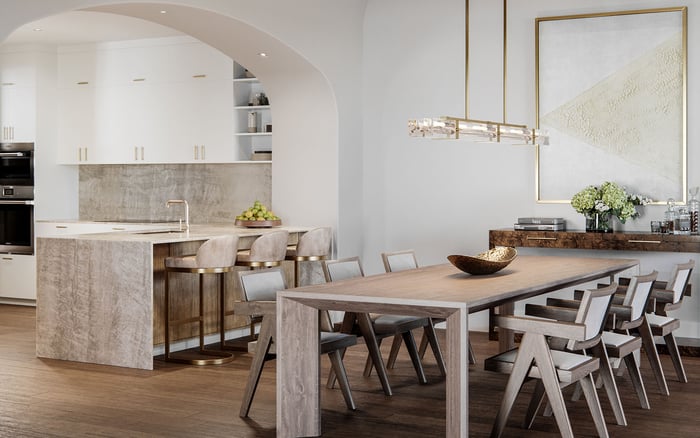
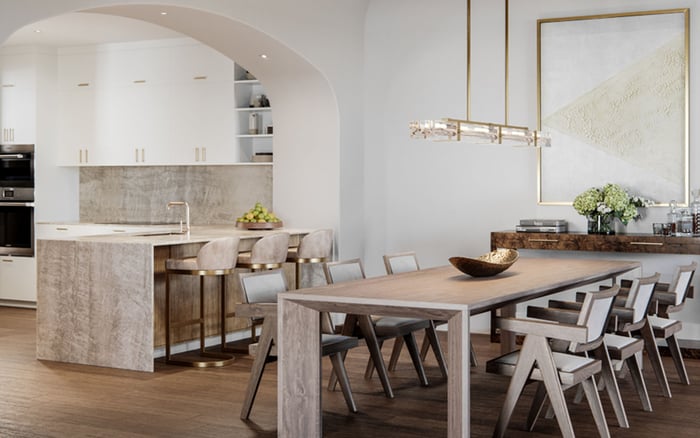
This is where building selection matters. A boutique residence near daily conveniences will feel different from a larger full-service tower in a more vertical neighborhood. In Coral Gables, projects such as Cora Merrick Park speak to buyers who want a refined, urban-village position rather than a purely resort-style purchase. The point is not to chase the most dramatic amenity deck. It is to choose a setting you will use naturally, week after week.
Every seasonal buyer should apply the lock-and-leave test before falling in love with finishes. Ask how the residence functions when you are not there. Who receives deliveries? How are contractors admitted? Is there secure parking? Is storage available for golf clubs, luggage, bicycles, seasonal clothing, or owner supplies? Can the home be prepared before arrival and closed properly after departure?
A pied-à-terre that looks beautiful but requires constant owner intervention is not a luxury asset. It is an obligation. For Toronto buyers, distance sharpens that point. You are not driving over to meet a technician or check a leak after a storm. Building management, access protocols, maintenance responsiveness, and insurance readiness should be reviewed early, not after contract.
Privacy is equally important. Seasonal owners often value discretion because their time in Miami is compressed. They want to see friends, dine well, and recharge without feeling exposed. Smaller buildings can feel intimate, while larger buildings may deliver deeper staffing and amenities. Neither is automatically better. The superior choice is the one that matches your tolerance for visibility, service needs, and guest patterns.
Coral Gables is not a single lifestyle. A buyer who wants restaurants within easy reach may evaluate a different address than one who prioritizes quiet streets and residential separation. Proximity to Merrick Park, downtown Coral Gables, schools, clubs, and major roads can change the daily experience substantially.
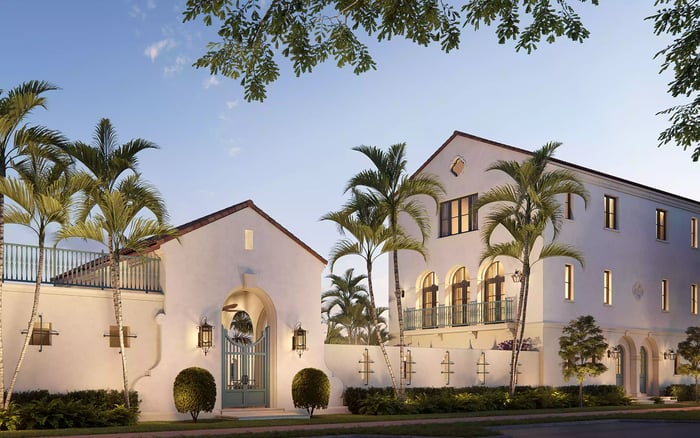
For buyers who prefer a new residential setting with a neighborhood identity, Ponce Park Coral Gables may enter the conversation as part of a broader search for contemporary convenience within the Gables context. For those drawn to a more classically inspired residential vision, The Village at Coral Gables illustrates how some buyers think about architecture, scale, and a sense of place rather than unit count or amenity volume alone.
The key is to walk the neighborhood at the hours you expect to live there. Morning coffee, mid-afternoon errands, dinner returns, weekend traffic, guest arrivals, and airport departures all reveal different truths. A seasonal home must be easy at the edges of the day, not just impressive during a scheduled showing.
Toronto buyers often pair Coral Gables with Coconut Grove in the same search because both offer a softer, more residential alternative to Miami’s highest-intensity districts. The comparison is useful. Coral Gables tends to feel ordered and elegant, while Coconut Grove can feel more tropical, bohemian, and bay-oriented. Both can be excellent. The right answer depends on temperament.
If boating culture, canopy streets, and a slightly looser village atmosphere are priorities, Grove options deserve attention. A buyer considering Coral Gables may also tour Four Seasons Residences Coconut Grove to understand how branded service and Grove sensibility compare with the Gables proposition. The exercise clarifies what you value: formal calm, tropical intimacy, brand services, walkability, or proximity to specific friends and clubs.
This comparison is especially helpful for couples with different preferences. One partner may want architectural quiet and cultural access. The other may want water views and a more relaxed social setting. Seeing both neighborhoods in the same trip prevents a common mistake: buying the idea of Miami instead of the lifestyle you will actually repeat.
A Toronto-to-Coral Gables purchase should involve early conversations with tax, legal, insurance, and estate advisers. Ownership structure, currency movement, succession planning, financing, and annual carrying costs all deserve careful review. These are not glamorous details, but they determine whether the home remains a pleasure.
Seasonal buyers should also consider how often friends or family will use the residence without them. Some buildings are better suited to owner-only patterns, while others are more comfortable with hosted family stays. If rental flexibility is important, rules must be understood before purchase. Do not assume that a luxury building welcomes every usage pattern simply because it is in South Florida.
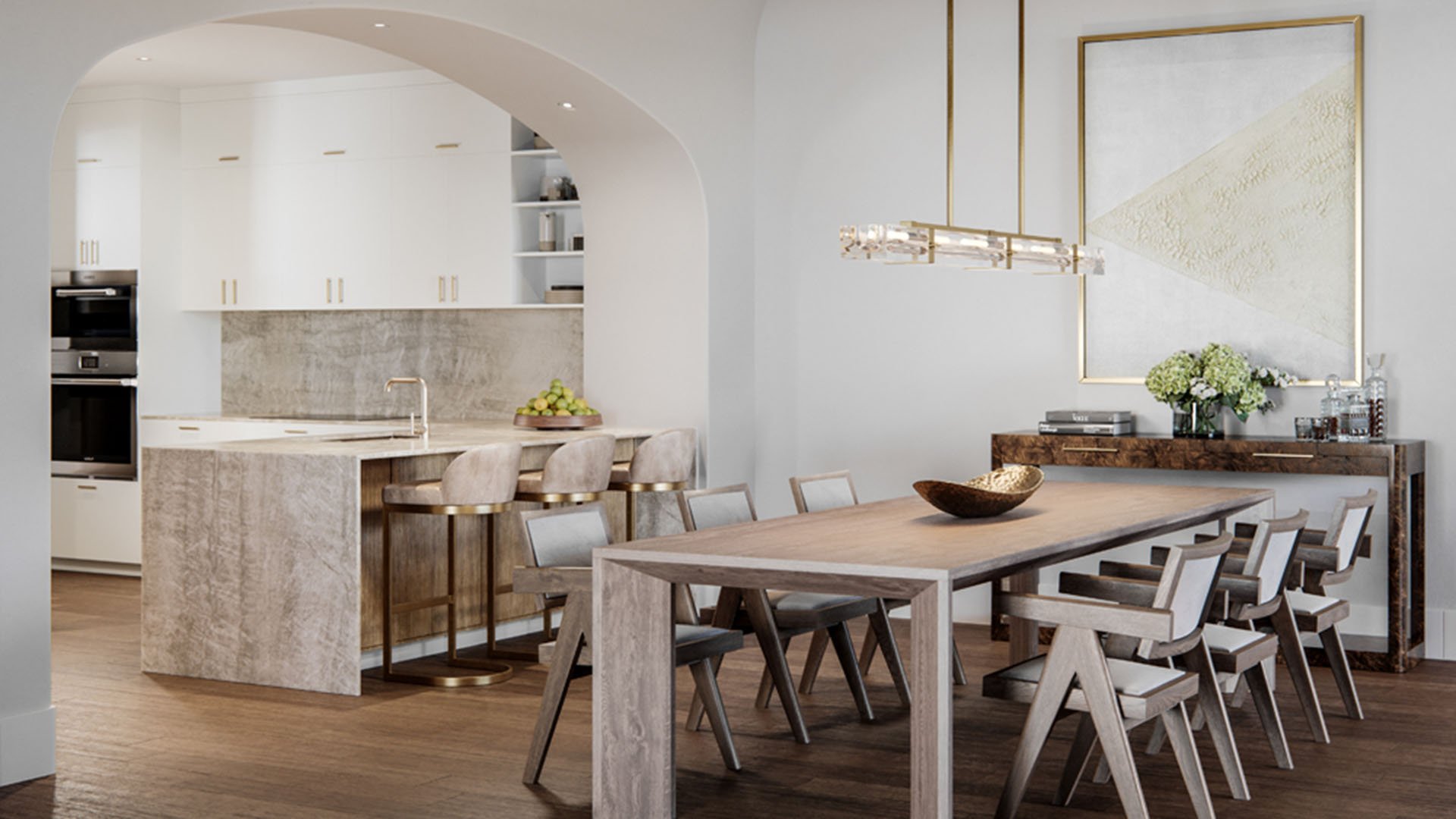
Furnishing is another overlooked issue. A pied-à-terre should be complete, but not overfilled. Durable fabrics, proper window treatments, owner closets, duplicate toiletries, warm lighting, and a small working setup can make the home feel civilized immediately upon arrival. The goal is not a staged interior. It is a residence that supports ease.
The best seasonal buyers are selective, not tentative. They understand their use case, know their preferred neighborhood, and are ready to act when the right residence appears. At the same time, they avoid urgency created by décor, views, or scarcity language. A pied-à-terre must be judged by repeatability. Will you enjoy arriving here after a long flight? Will guests feel comfortable? Will the building perform when you are away? Will the neighborhood still suit you after the novelty fades?
For Toronto buyers, Coral Gables offers an unusually refined answer to the South Florida question. It is close to Miami’s energy, but not consumed by it. It supports privacy without isolation. It can feel international, yet residential. That combination is precisely why a well-chosen pied-à-terre here can become more than a seasonal escape. It can become the warm-weather chapter of a larger life.
Is Coral Gables a good fit for Toronto buyers seeking a seasonal pied-à-terre? Yes, especially for buyers who value privacy, refined neighborhoods, dining, culture, and easy access to Miami without living in a high-intensity beach district.
Should I buy a condo or a low-density residence in Coral Gables? The answer depends on how much service you need while away. Condos may offer easier management, while lower-density residences may provide more privacy and residential character.
How important is building management for a seasonal owner? It is critical. A seasonal home should function smoothly when the owner is in Toronto, including access, maintenance coordination, deliveries, and arrival preparation.
Should I compare Coral Gables with Coconut Grove? Yes. The two neighborhoods often appeal to similar buyers, but Coral Gables feels more formal while Coconut Grove offers a more tropical, bay-oriented atmosphere.
What should I prioritize over size? Prioritize light, storage, parking, service, privacy, outdoor space, and proximity to the places you will use regularly during each stay.
Is New-construction always better for a pied-à-terre? Not always. New-construction can simplify maintenance and design expectations, but the best choice is the residence that matches your use, budget, and comfort with building rules.
Can family members use the residence when I am not there? Often yes, but building policies and access procedures should be reviewed before purchase. Usage expectations should be clear from the beginning.
How should I think about furnishings? Furnish for immediate comfort and repeat use. A seasonal home needs durable materials, owner storage, good lighting, and a practical setup for short work periods.
Is Coral Gables better than Miami Beach for seasonal living? It depends on the lifestyle. Coral Gables favors privacy and residential calm, while Miami Beach is better for buyers who want direct beach energy and a more resort-like setting.
When should I involve advisers? Involve tax, legal, insurance, and estate advisers before signing, especially when the purchase crosses borders and may involve family usage or future planning.
For a tailored shortlist and next-step guidance, connect with MILLION.
If branded residences are on your mind — as a home or as an allocation — we would be glad to share what we are seeing, privately.
Begin a quiet conversation