For privacy-minded South Florida buyers, staff discretion is not a soft amenity. It is part of risk review, lifestyle fit, and long-term ownership comfort.
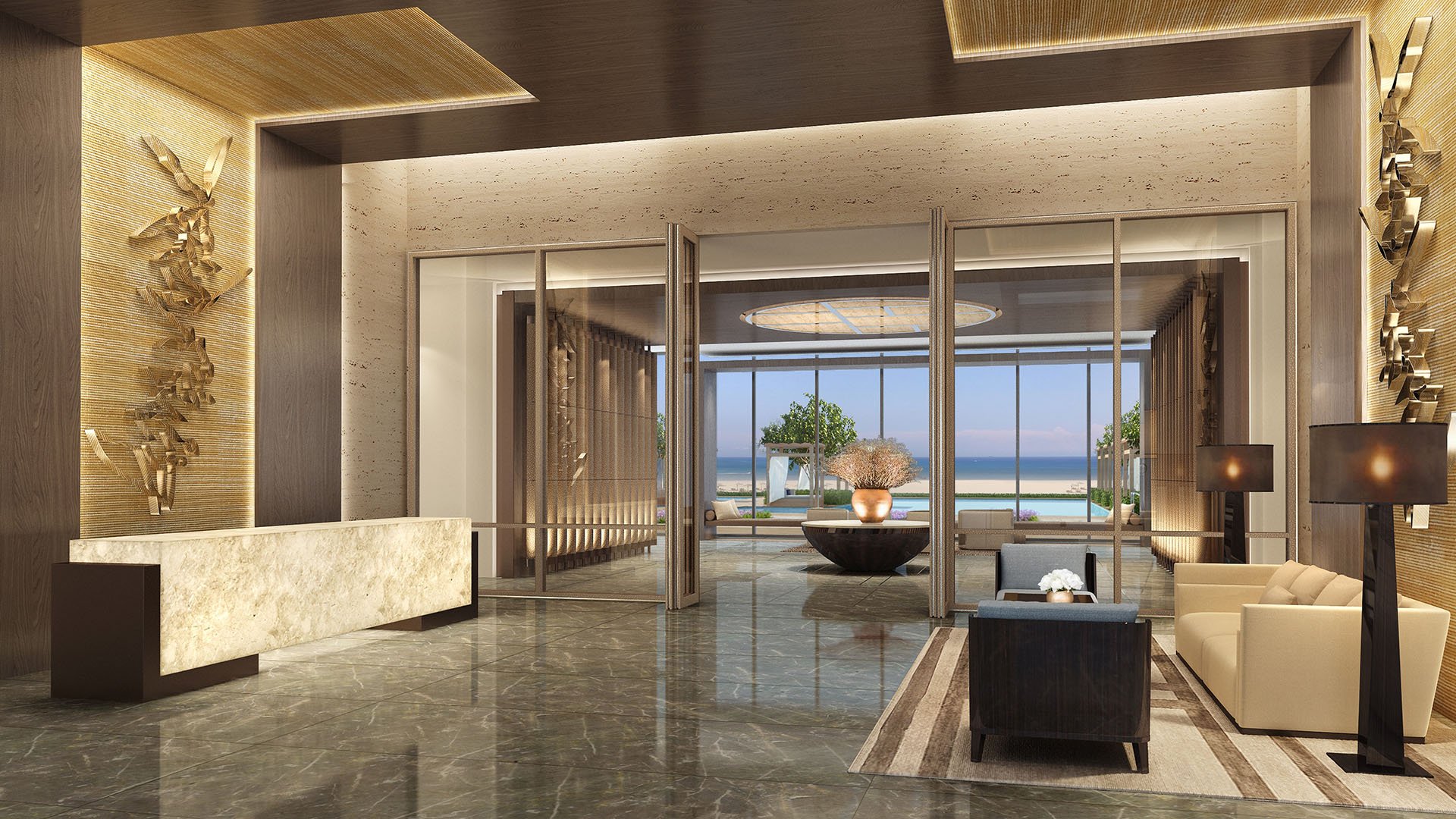
In luxury residential due diligence, buyers often study the visible elements first: ceiling heights, terraces, arrival sequence, views, finishes, valet circulation, amenity programming, and the tone of the lobby. Those details matter, but they do not fully define how private daily life will feel after closing. For certain buyers, especially principals, founders, public figures, family offices, and multi-home owners, the more consequential question is quieter: how does the building handle information?
A doorman, concierge, front-desk team, valet captain, or security attendant may become the first human filter between a resident’s private life and the outside world. That role can feel elegant and effortless, or it can create friction if expectations are not discussed early. A separate due-diligence conversation helps the buyer understand not only whether the building is staffed, but whether the staff culture aligns with the buyer’s privacy standard.
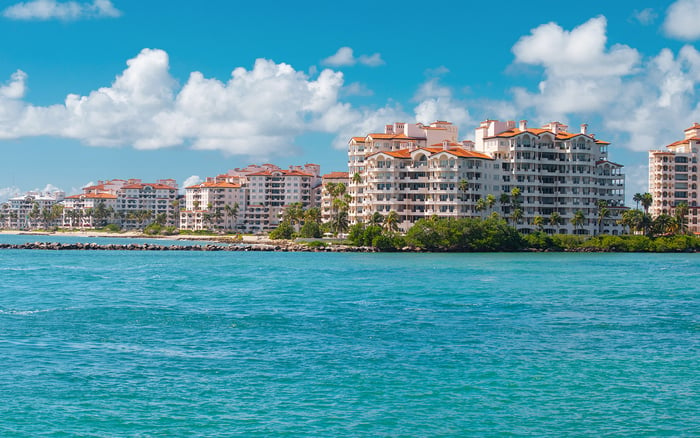
This is not about suspicion. It is about fit. In South Florida, where buyers may compare waterfront condominiums, branded residences, boutique buildings, private islands, and guarded communities, the service model can vary widely. A buyer who loves the energy of Brickell may want a different cadence of access control than a buyer prioritizing Miami Beach, Sunny Isles, Surfside, Fisher Island, or Bal Harbour. Each lifestyle can be exceptional, but the rhythm of discretion is not identical.
Service is what residents can see. Discretion is what residents never have to notice. A gracious greeting, a smooth package handoff, or a well-timed elevator call signals competence. True discretion goes further. It concerns who is recognized, who is announced, who is escorted, what is discussed in public areas, how vendors are handled, and whether staff instinctively protect the resident’s quiet enjoyment.
A building may appear polished during a showing, yet the daily experience depends on repeated interactions. Does the front desk speak loudly about resident names? Are guests asked to wait in view of the lobby? Are drivers, stylists, chefs, assistants, and medical providers processed with professionalism? Does the team understand that a resident’s schedule, travel pattern, household composition, or visitor list is not casual conversation?
These are not cosmetic questions. They influence whether a residence feels like a sanctuary. For ultra-premium buyers, privacy is not only the absence of intrusion. It is the presence of disciplined habits.
The best time to evaluate doorman discretion is before the purchase feels emotionally inevitable. Once a buyer has fallen in love with a floor plan or view, softer operational concerns can be minimized. A dedicated conversation keeps the issue from being buried beneath design enthusiasm.
A buyer should ask how arrivals are screened, how recurring guests are documented, and whether residents can set individualized access preferences. The inquiry should include vendors, delivery personnel, household staff, pet care providers, wellness practitioners, and drivers. It should also cover after-hours procedures, temporary keys or fobs, elevator access, parking handoffs, package release, and how the building responds when someone arrives claiming urgency.
The language matters. Rather than asking, “Is the building private?” a buyer should ask, “How would the desk handle an unannounced visitor who knows my name?” or “Can my assistant authorize access without my direct involvement?” Specific scenarios reveal more than broad assurances.
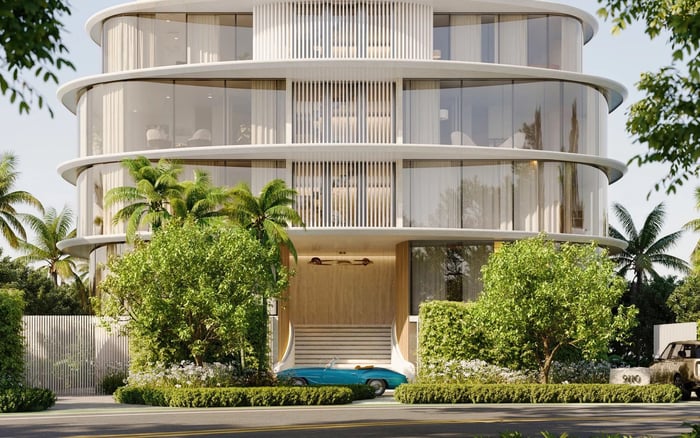
Architecture can frame privacy, but people maintain it. A porte cochère, private elevator, guarded entry, or setback lobby may reduce exposure, yet a careless remark can undo much of that design. Conversely, a compact building with a disciplined staff culture may feel more private than a larger property with beautiful but inconsistent protocols.
Buyers should pay attention during every visit. Is the front desk calm or theatrical? Are resident names spoken openly? Do staff members seem overfamiliar, distracted, or eager to demonstrate knowledge? Does the team preserve boundaries while still being warm? In luxury service, the best tone is often neither distant nor familiar. It is observant, measured, and unshowy.
This is especially relevant for buyers who host selectively or travel frequently. A residence may be used seasonally, by family members, or by trusted guests. The staff must understand those arrangements without broadcasting them through behavior. When the standard is high, discretion becomes part of the architecture of daily life.
Combining doorman discretion with a general building review often produces vague answers. A separate conversation signals that the buyer considers privacy material. It also gives the buyer’s advisor an opportunity to listen for hesitation, inconsistency, or excessive informality.
The discussion should not feel adversarial. A well-run building will usually welcome serious questions about resident experience. The goal is to understand the culture before ownership, not to interrogate individuals after a problem occurs. Buyers can ask who trains staff, how expectations are communicated, whether written procedures exist, and how resident preferences are updated over time.
It is also important to distinguish between security and discretion. Security may focus on access control, cameras, visitor logs, and physical protocols. Discretion concerns judgment, tone, and confidentiality in everyday moments. The two overlap, but they are not the same. A secure building can still feel socially exposed if the staff culture is loose.
A buyer should walk through the lobby as if already living there. Imagine returning from dinner with guests, arriving from the airport late at night, sending a family member ahead, receiving a sensitive delivery, or having a driver wait curbside. Consider whether the building’s choreography supports composure or creates visibility.
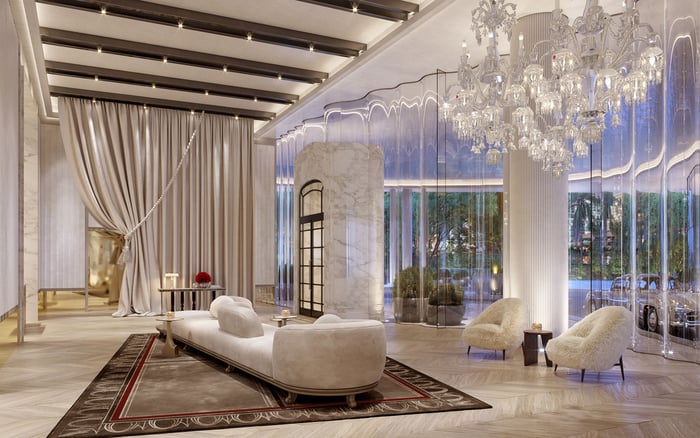
The lobby should feel controlled without feeling defensive. Elevators should be managed with clarity. Guest seating should not become a viewing gallery. Staff should know how to be helpful without turning service into performance. The most refined buildings make privacy feel natural, not forced.
For some buyers, the decisive factor is not whether staff recognize them. Recognition can be a virtue. The more important question is whether recognition is handled quietly. In the best environments, a resident is known without being displayed.
South Florida’s luxury market spans many versions of privacy. A vertical urban residence may emphasize seamless desk coordination and private elevator discipline. A beachfront building may focus on guest flow, beach access, valet timing, and service entries. A boutique waterfront address may depend heavily on a smaller team’s judgment. A club-like island setting may blend residential service with social familiarity, which can be appealing for some buyers and too visible for others.
This is why the buyer’s own lifestyle should drive the conversation. A highly social owner may value a staff that can anticipate frequent entertaining. A low-profile owner may prefer minimal acknowledgment and tighter guest release procedures. A family may prioritize child pickups, tutors, caregivers, and grandparents. An investor or second-home owner may care most about access rules during absences.
There is no universal answer. There is only alignment between property culture and private life.
Before contract deadlines pass, buyers should create a short privacy brief. It can be simple: who may enter, who may receive packages, who may speak on the owner’s behalf, when the owner wants to be contacted, and what should never be discussed in public areas. This brief can then inform questions to management or the appropriate building representative.
Buyers should also ask how changes are handled. A household evolves. Assistants change, children age, vendors rotate, and travel patterns shift. The building’s procedures should be flexible enough to update preferences without confusion.
Finally, buyers should trust the atmosphere. If privacy questions are dismissed as excessive, that is a signal. If they are handled with calm specificity, that is also a signal. In ultra-premium real estate, the experience after closing is shaped by hundreds of small interactions. Doorman discretion is one of the quietest, and one of the most revealing.
Why should doorman discretion be reviewed separately? Because privacy depends on daily staff judgment, not just building design or amenity quality.
Is this only relevant for famous buyers? No. Any buyer who values control over guests, vendors, deliveries, or household information should review it.
What is the difference between security and discretion? Security controls access, while discretion governs how information and interactions are handled.
When should the conversation happen? It should happen during due diligence, before emotional momentum makes operational concerns easy to overlook.
Who should participate in the discussion? The buyer, trusted advisor, and the appropriate building representative should be involved when possible.
What should buyers ask about guests? They should ask how guests are announced, approved, escorted, logged, and handled when unexpected.
Should vendors be part of the review? Yes. Vendors often create the most frequent privacy touchpoints in a high-service residence.
Can a beautiful lobby still have weak discretion? Yes. Design can support privacy, but staff culture determines how private daily life feels.
Do privacy expectations differ by neighborhood? They can, because lifestyle, density, building type, and service rhythm vary across South Florida.
What is the best way to shortlist comparable options for touring? Start with location fit, delivery status, and daily lifestyle priorities, then compare stacks and elevations to validate views and privacy.
For a tailored shortlist and next-step guidance, connect with MILLION.
If branded residences are on your mind — as a home or as an allocation — we would be glad to share what we are seeing, privately.
Begin a quiet conversation