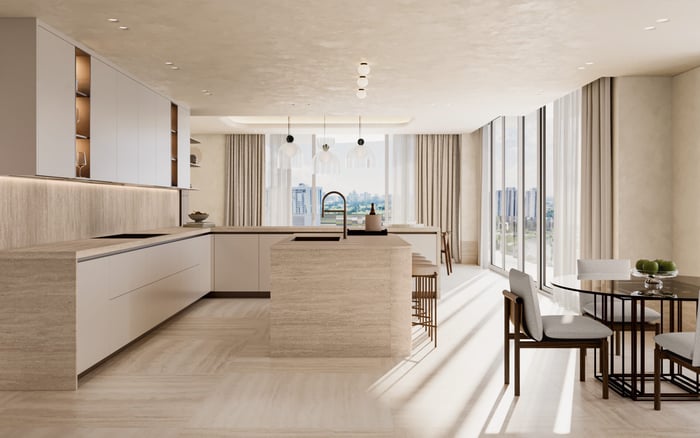
A buyer-focused guide to evaluating sun-glare control at Avenia Aventura before signing, including exposure, walkthrough timing, glazing questions, shade rules, and upgrade costs.
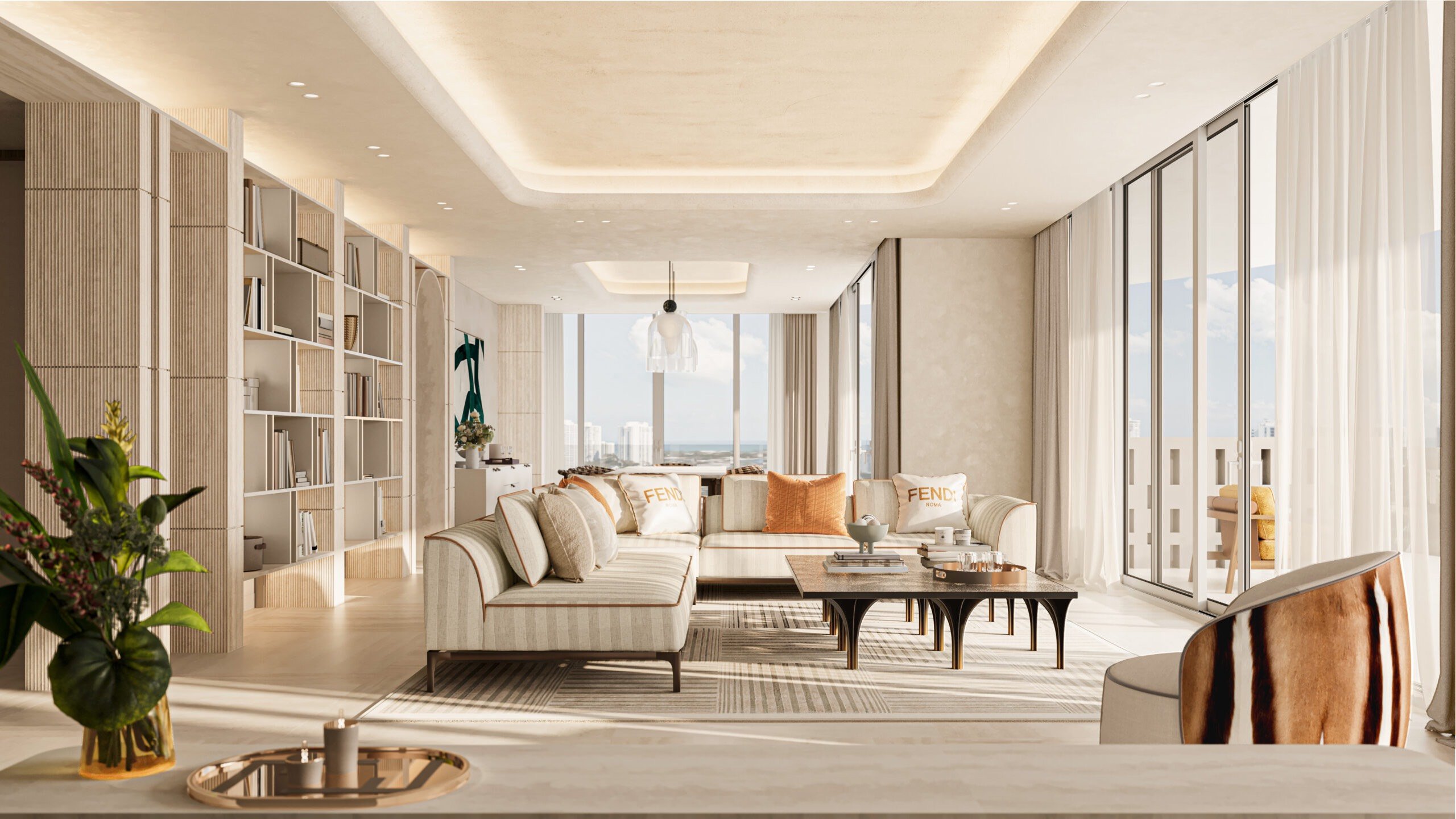
At Avenia Aventura, sun-glare control should be evaluated before contract, not treated as a decorative issue to solve after closing. In South Florida, light is central to the luxury proposition: morning brightness, water sparkle, sunset color, and expansive glass all shape the feeling of a residence. Yet that same light can affect comfort, artwork, work-from-home routines, media viewing, and cooling performance.
For a buyer in Aventura, the right question is not simply whether a residence is bright. It is whether that brightness is livable during the hours when the home will actually be used. A polished pre-contract review should connect exposure, floor height, view corridor, balcony depth, surrounding reflectivity, and interior shading into one practical picture.
Start with orientation. East-facing residences deserve close review for low-angle morning sun, particularly in bedrooms, breakfast areas, and desk zones. If the day begins early, this can feel energizing. If sleep, privacy, or screen work matter more, the buyer should understand how shades and glass manage that early brightness.
West-facing residences require a different lens. Late-afternoon heat and glare can be more intrusive in living rooms, terraces, and media areas, especially as the sun descends and strikes the glass more directly. A western view may be beautiful, but the buyer should know whether the most cinematic hour is also the least comfortable hour.
South-facing glass can receive prolonged daylight exposure, so the review should include the façade approach, balcony geometry, and interior shading plan. Balcony depth is not only an outdoor lifestyle feature. It can also influence how much sun reaches the interior at key times of day. North-facing residences are often less exposed to direct sun, but they still require review because sky brightness, water-view reflection, and neighboring glass façades can create glare without obvious direct sunlight.
Pre-construction buyers should request written details before signing. Key items include glazing, tint, coatings, balcony overhangs, and any developer-provided window-treatment allowances. If the response is general, ask for unit-specific clarification. A high floor, a reflective view corridor, or a deeper terrace can change the lived experience from one stack to the next.
The contract review should also clarify what is permitted later. Can an owner install solar shades, blackout treatments, or additional tinting? Are exterior modifications prohibited by building rules? Is motorized shading included in the quoted purchase price, or is it a separate post-closing expense? These questions belong in the purchase conversation because glare control is both a comfort issue and a cost issue.
A physical or virtual walkthrough is most useful when scheduled for the hour when the chosen exposure is likely to create glare. For an east-facing unit, that may mean morning. For a west-facing unit, late afternoon is more revealing. The point is to see the residence under the condition that could become a daily annoyance.
During the walkthrough, do not judge only from the entry or terrace. Sit where life happens. Test the sofa, bed, dining table, desk, and kitchen island. Look toward the television wall. Open a laptop. Stand at the sink. The premium buyer is not purchasing a photograph of the view, but a sequence of lived positions throughout the day.
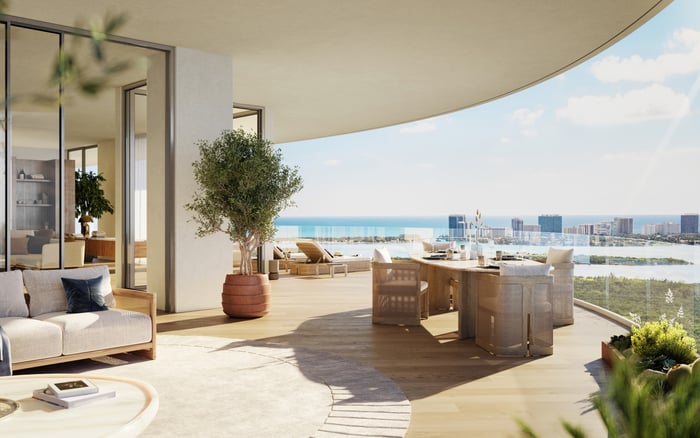
Terrace comfort deserves the same discipline. A bright outdoor space may be ideal for morning coffee and less desirable for late-afternoon reading, or the reverse. The best evaluation separates romance from routine. If a residence will hold art, wood flooring, rugs, leather, or upholstered furnishings, added UV and glare protection may be appropriate in rooms with stronger exposure.
When comparing multiple stacks at Avenia Aventura, rank each option by view quality, direct-sun hours, likely glare locations, shade feasibility, and probable upgrade cost. This keeps the conversation grounded. A residence with a stronger view may still be the right choice, but the buyer should know whether that view requires a more sophisticated shading package.
New-construction decisions often reward buyers who ask technical questions early. Sun control, cooling comfort, furniture preservation, and daily usability are linked. In a refined residence, the goal is not to eliminate sunlight. It is to make light feel intentional.
Should I evaluate glare before signing at Avenia Aventura? Yes. Glare control is a pre-contract due-diligence issue because it can affect comfort, upgrades, and future interior planning.
Which exposure needs the most attention? Every exposure deserves review. East, west, south, and north orientations create different glare patterns and should be matched to daily routines.
Why are east-facing units important to test? East-facing residences may receive low-angle morning sun, especially in bedrooms, breakfast areas, and work-from-home spaces.
What is the main concern with west-facing units? West-facing residences should be reviewed for late-afternoon heat and glare that may affect living rooms, terraces, and media areas.
Are north-facing residences automatically glare-free? No. North-facing units may have less direct sun, but sky brightness, water reflection, and neighboring glass can still create glare.
What should I request in writing? Ask for glazing, tint, coating, balcony overhang, and window-treatment allowance details, plus any rules affecting future modifications.
Should I ask whether motorized shades are included? Yes. Confirm whether shades are included in the purchase price or whether glare-control upgrades are separate post-closing expenses.
Where should I test glare during a walkthrough? Test from the sofa, bed, dining table, desk, kitchen island, and media area rather than only from the entry or outdoor space.
Can sunlight affect furnishings? Yes. Artwork, wood flooring, rugs, leather, and upholstered furnishings may require added UV and glare protection in stronger exposures.
How should I compare two similar units? Rank each by view, direct-sun hours, glare locations, shade feasibility, and expected upgrade cost before choosing.
For a discreet conversation and a curated building-by-building shortlist, connect with MILLION.
If branded residences are on your mind — as a home or as an allocation — we would be glad to share what we are seeing, privately.
Begin a quiet conversation