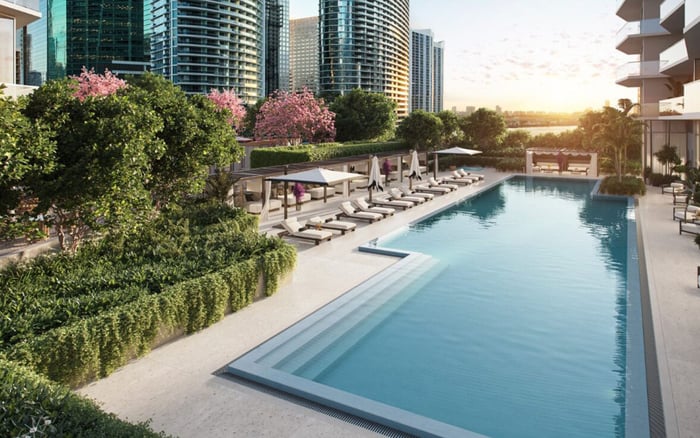
In Miami’s luxury condo market, the view remains powerful, but wellness concierge service can shape the daily experience more deeply. For buyers evaluating long-term comfort, privacy and ease, recovery, movement and personalized service may now carry equal or greater weight than the postcard panorama.
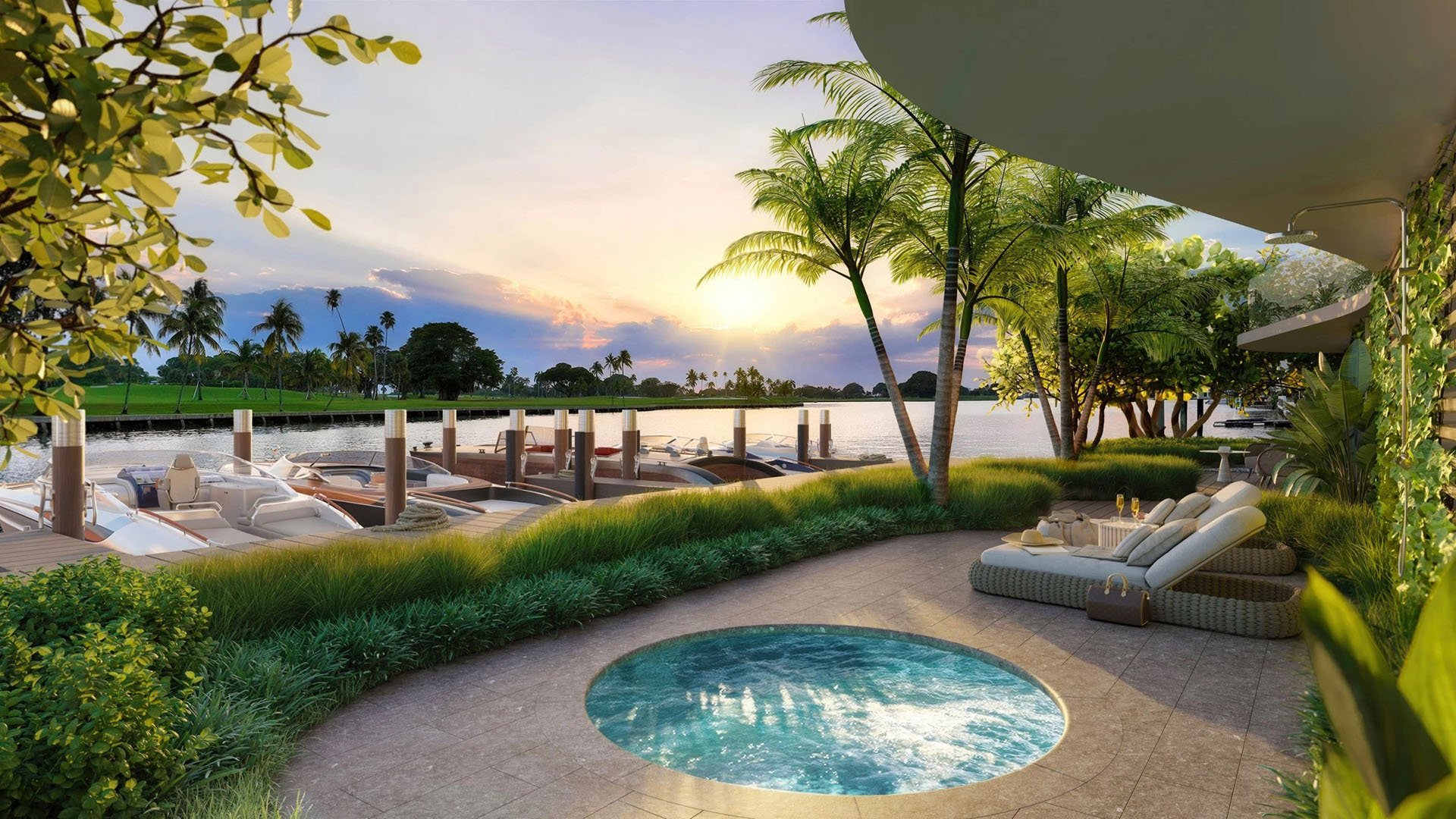
In Miami, the view has always carried emotional power. Water, skyline, sunrise and sunset can turn a residence into a private theater. For decades, buyers have been conditioned to judge a condo by what they see from the living room, the primary suite and the terrace. That instinct remains rational. A memorable outlook creates mood, scarcity and pride of ownership.
Yet the most sophisticated buyers are asking a quieter question: what does the building do for the body, the routine and the household between those cinematic moments? A view is experienced in intervals. Wellness concierge, when executed with intelligence, can shape the entire day.
That shift is especially relevant in a Miami condo search because the city’s luxury buyer is often balancing several lives at once. A residence may be a primary home, a seasonal retreat, a business base or a family gathering place. In that context, the most valuable feature is not always the most photogenic. It may be the service platform that makes the residence easier to inhabit.
Wellness concierge is not simply a spa menu with a more polished name. At the premium end, buyers are looking for coordination, discretion and continuity. They want the building to support recovery after travel, movement before meetings, healthy dining preferences, private training, massage scheduling, beauty services, sleep routines and calm transitions from public life to private life.
The appeal is not only indulgence. It is the removal of friction. A buyer who spends heavily for a Miami residence may not want to outsource every appointment across the city, negotiate access, arrange timing or explain preferences repeatedly. A strong concierge culture remembers patterns and protects time.
This is why a wellness-forward building can compete with a stronger view in another tower. The question becomes less about a single visual advantage and more about the quality of daily orchestration. If one home offers a superior panorama but another offers a life that feels more fluid, the latter may win.
A spectacular view is passive. Wellness service is active. It meets the resident at the points where life either becomes elegant or inconvenient: the early workout, the post-flight reset, the midday treatment, the evening wind-down, the quiet family weekend.
For a buyer in Brickell, the difference may be felt in time management. A residence that helps compress fitness, recovery and personal care into the building can make a dense urban schedule feel calmer. For a buyer considering an oceanfront setting, the beach and water remain central, but so does the ability to return from sun, salt and social obligations into a building that restores rather than merely impresses.
The view says, this is where you are. Wellness concierge says, this is how you live here. For many ultra-premium buyers, the second statement is becoming more persuasive.
Luxury buyers often speak about wellness in terms of fitness, spa and nutrition, but privacy is just as important. The ability to receive services discreetly, move through amenities without spectacle and maintain a protected personal rhythm can be decisive.
In a high-visibility city, not every resident wants the most public expression of luxury. Some prefer a building where the service language is restrained, where staff anticipate rather than announce, and where amenities feel curated rather than crowded. A quieter wellness experience can be more valuable than a louder amenity deck.
This is where boutique thinking matters, even in larger buildings. The best service does not feel generalized. It feels personal without being intrusive. It gives residents access without creating dependency. It recognizes that wellness is not a performance for other residents, but a private condition of ease.
Buyers should be careful not to confuse a long amenity list with a true wellness ecosystem. A pool, treatment room and gym may photograph beautifully, but the real question is how they operate together. Are spaces calm at the times residents actually use them? Is programming thoughtful? Can services be arranged smoothly? Does the building support recovery as well as exertion?
The strongest wellness environments tend to connect movement, restoration, nutrition, air, light, water and service into a coherent experience. That does not require theatrical design. It requires discipline. A beautifully designed relaxation area loses value if it is difficult to access, poorly staffed or disconnected from daily routines.
A name such as The Well Bay Harbor Islands reflects the broader market conversation around wellness as a residential identity. Buyers may respond to that language because it suggests the building is not treating health as an accessory, but as part of the property’s core proposition.
There are still buyers for whom the view should remain the priority. If the residence is primarily a visual retreat, if the buyer spends long periods entertaining, or if the emotional attachment to a specific exposure is unusually strong, the outlook may deserve first position.
The same is true when a view is difficult to replicate. Water, skyline and open horizon can carry enduring appeal, especially when paired with strong floor plan proportions and outdoor space. A buyer should not dismiss that value simply because wellness is fashionable.
The more refined approach is not to choose view or wellness in the abstract. It is to understand which feature will be used more deeply. A buyer who trains daily, travels frequently and values in-building recovery may live more fully through concierge wellness than through a marginally stronger panorama. A buyer who measures peace through light and water may feel the opposite.
A serious Miami condo search should include a lifestyle audit before the building tour. Buyers can ask: how many days per week would I use the wellness spaces? Would I schedule services at home if the building made it easier? Do I prefer a social amenity environment or a private one? Is my priority energy, recovery, beauty, longevity, family convenience or all of the above?
Then the physical tour becomes more revealing. Instead of asking only which residence has the best line of sight, the buyer can observe how the building feels at arrival, how staff communicate, how amenities are placed, how elevators connect to wellness areas and whether the experience feels intuitive.
For Miami Beach buyers, the decision often carries an added emotional layer because the setting itself can feel restorative. Still, a beautiful coastal address does not automatically solve daily life. The building must support the resident after the beach walk, after the dinner, after the flight and after the guests leave.
The modern luxury buyer is not abandoning beauty. They are expanding the definition of beauty to include ease. A residence can be visually extraordinary and still feel incomplete if the daily experience is inefficient. Conversely, a residence with a slightly less dramatic view can become more desirable if it consistently improves the resident’s state of mind.
This is why wellness concierge is becoming such a serious filter. It touches time, privacy, health and emotional atmosphere. It can make a building feel less like a vertical address and more like a personal operating system.
The best outcome is balance: a view that gives the residence identity, paired with service that gives life there rhythm. In Miami, where water and skyline will always matter, the most compelling condos may be those that understand luxury is not only what residents look at, but how they feel when they return home.
Should a Miami condo buyer ever choose wellness concierge over a better view? Yes, if the wellness service will shape daily routines more often than the view will shape enjoyment. The right choice depends on how the buyer actually lives.
Does an oceanfront residence still carry premium appeal? Yes, oceanfront living remains emotionally powerful for many buyers. The question is whether the building also supports comfort, privacy and daily restoration.
What should buyers look for in a wellness concierge program? They should look for discretion, coordination and services that are easy to use. A strong program should reduce friction rather than simply add amenities.
Is a pool enough to make a building feel wellness-focused? No, a pool can be valuable, but wellness depends on how spaces, services and routines work together. Operation matters as much as design.
Why does the terrace still matter in this conversation? A terrace extends the private living experience and connects the home to light, air and view. It can complement wellness when it feels usable and calm.
Are wellness amenities more important for full-time residents? Often, yes, because full-time residents experience the building’s routine every day. Seasonal owners may also value wellness if it simplifies short stays.
How should Brickell buyers weigh wellness against location? Brickell buyers often prioritize efficiency, so in-building wellness can be especially useful. Location and service should be evaluated together.
Do pets affect the wellness decision? Pets can influence the broader lifestyle fit of a building. A residence that supports the entire household may feel more complete.
Is The Well Bay Harbor Islands relevant to this trend? The Well Bay Harbor Islands is relevant as an example of wellness language becoming central to residential identity. Buyers should still evaluate the lived experience carefully.
What is the best way to shortlist comparable options for touring? Start with location fit, delivery status, and daily lifestyle priorities, then compare stacks and elevations to validate views and privacy.
For a confidential assessment and a building-by-building shortlist, connect with MILLION.
If branded residences are on your mind — as a home or as an allocation — we would be glad to share what we are seeing, privately.
Begin a quiet conversation