A disciplined framework for evaluating Surfside waterfront ownership, from condominium documents and insurance to storm protocols and long-term stewardship.
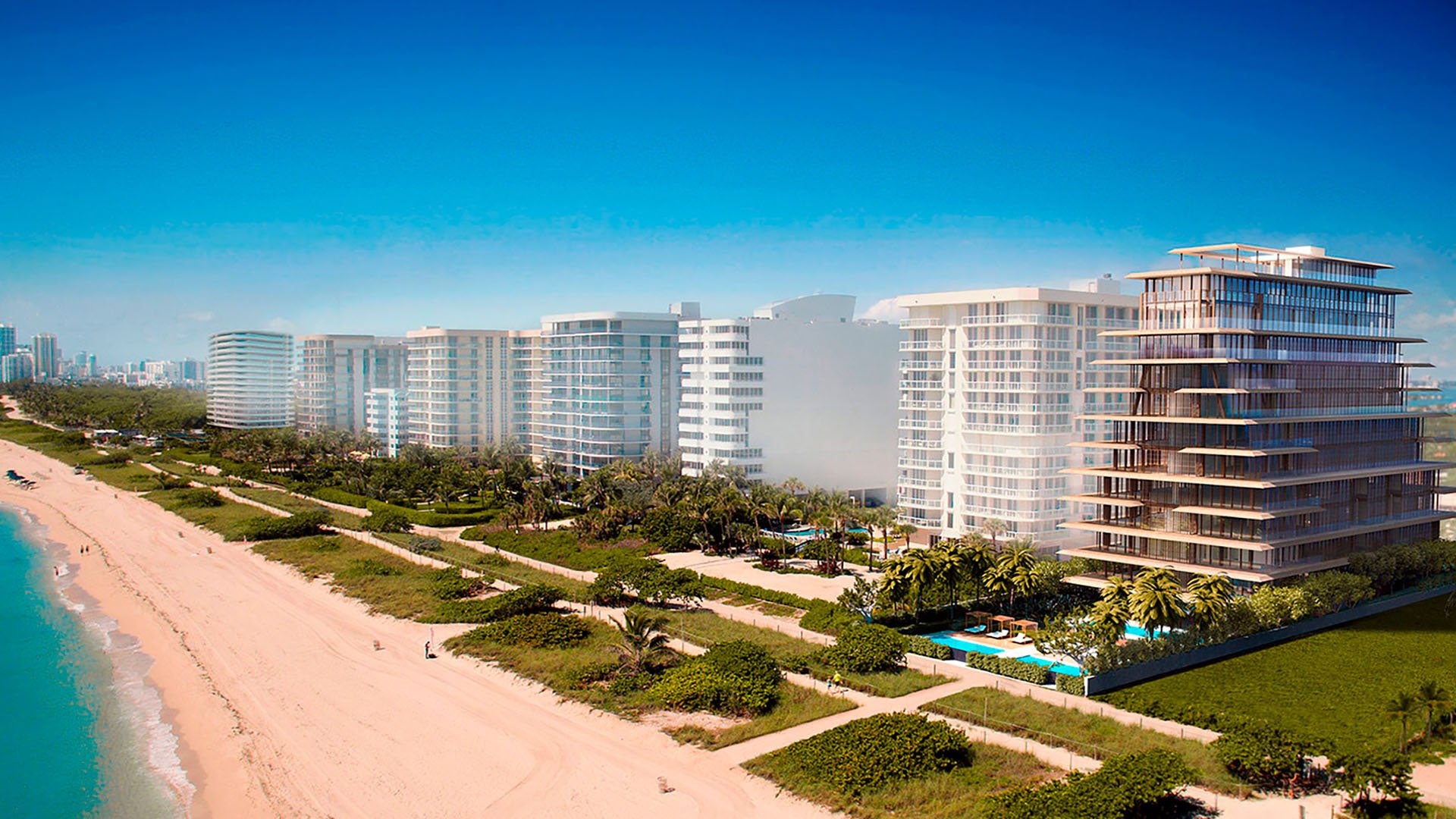
In Surfside, a considered purchase extends beyond views, finishes, privacy, and arrival. The more consequential questions often reside in the documents defining how a building is governed, maintained, insured, and prepared for disruption. For a luxury buyer, those records are not administrative background. They are part of the asset.
This is especially important when evaluating waterfront and oceanfront living. Exposure to salt, wind, water, and seasonal weather makes the quality of collective decision-making directly relevant to private ownership. The aim is not to eliminate every uncertainty, but to understand which responsibilities belong to the owner, which belong to the association, and how effectively the two are expected to work together.
The most useful principle is simple: read for operational clarity, not merely legal completion. A polished residence can be compelling, but careful ownership begins with a building-level picture.
Ask counsel to review the declaration, bylaws, rules, recent meeting materials, budgets, insurance documents, maintenance records, and any material notices made available during diligence. The objective is to understand how decisions are made, how costs may be allocated, and where an owner’s obligations begin.
Look for consistency throughout the package. Do financial priorities align with the maintenance discussion? Are responsibilities for windows, terraces, doors, mechanical components, interior finishes, and water intrusion clearly assigned? If language appears broad or ambiguous, request a written explanation through the appropriate professional channel rather than relying on informal interpretation.
The same discipline applies across property types. A buyer comparing Arte Surfside with Ocean House Surfside should not assume that similar geography produces similar ownership terms. Each building warrants an independent reading.
A pristine lobby and immaculate residence reveal presentation, not the full maintenance history. Review the available information about completed and planned work, recurring service, professional evaluations, and decisions concerning major components. The important issue is not whether a building has ever required attention. It is whether needs are identified, documented, funded, and addressed with discipline.
For a resale purchase, ask how improvements within the unit were approved and documented. Confirm which records exist for alterations that could affect waterproofing, glazing, plumbing, electrical systems, terraces, or other shared interfaces. Engage qualified advisers to assess the residence and interpret building materials within the scope of your transaction.
Do not dismiss unanswered questions simply because the home is exceptional. In high-value ownership, uncertainty itself warrants a price, a condition, a clarification, or a decision not to proceed.
Storm preparation should reflect occupancy. A full-time resident, a second-home owner, and an owner who travels internationally may require different arrangements, even within the same building. Ask what communications are issued before, during, and after severe weather; who receives them; and how an absent owner can authorize access or assistance.
Clarify building procedures for exterior furniture, terrace objects, vehicles, deliveries, elevators, generators, water systems, staff coverage, re-entry, and post-event inspections. These are diligence questions, not assumptions about any particular property. Request the current written protocol and determine whether it works for your household, guests, employees, pets, and travel calendar.
A buyer considering The Delmore Surfside or The Surf Club Four Seasons Surfside can apply the same practical test: if you were away when preparations began, would the chain of responsibility remain clear?
Association and personal coverage should be reviewed together by qualified insurance and legal professionals. Ask for a clear explanation of what the building policy is intended to cover, what remains the unit owner’s responsibility, how deductibles may affect owners, and where exclusions or valuation differences could create exposure.
Your personal program may need to address the residence, contents, improvements, liability, temporary living arrangements, valuables, domestic staff considerations, and other circumstances specific to your household. The key is alignment. Gaps often become visible only when the building documents and proposed owner policy are placed side by side.
Also ask how claims communications and restoration decisions would be handled. A luxury interior can involve specialized materials, custom fabrication, and long replacement timelines. Ownership planning should account for both financial protection and the practical route back to normal use.
Emotion has a place in choosing a home, but consistency is more useful when comparing buildings. Create a private scorecard covering governance clarity, financial planning, maintenance history, insurance structure, storm procedures, owner responsibilities, access protocols, and the transaction team’s responsiveness.
Apply the same questions to every candidate, including Eighty Seven Park Surfside. This sharpens distinctions and prevents architecture or a singular view from eclipsing operational concerns. The best outcome is not simply a beautiful acquisition. It is a residence with an ownership framework suited to your standards for privacy, continuity, and control.
Before closing, distill the diligence findings into a concise ownership file. Include professional contacts, insurance information, building procedures, approval requirements, emergency contacts, access authorizations, inventory records, and a calendar for recurring reviews. Keep secure digital copies accessible while you are away.
Establish a household protocol for storm preparation and absence management. Decide who can enter, move terrace items, check interior conditions, communicate with management, document damage, and coordinate specialists. Confirm these arrangements periodically, particularly after changes in staffing, insurance, renovation, or occupancy.
Careful ownership is not anxious ownership. It is the quiet confidence that comes from knowing where the relevant language resides, who holds authority, and what happens next when conditions change.
What should I read before buying a Surfside condominium? Have qualified counsel review the governing documents, rules, budgets, insurance materials, meeting records, maintenance information, and transaction-specific notices provided to you.
Is a unit inspection enough for a waterfront purchase? No single inspection can answer every ownership question. Consider both the private residence and the building-level records with appropriately qualified advisers.
Why do terrace responsibilities matter? Terraces can sit at the boundary between private use and shared building interests. Confirm maintenance, alteration, preparation, and restoration responsibilities in writing.
How should an absent owner prepare for storms? Establish authorized local contacts, secure access arrangements, written household instructions, and a process for receiving and acting on building communications.
Should association and owner insurance be reviewed together? Yes. A coordinated review can help identify differing responsibilities, deductibles, exclusions, valuation assumptions, and potential coverage gaps.
What should I ask about building finances? Ask your advisers to examine the available budget, reserves, anticipated projects, allocation methods, and any disclosed obligations relevant to the purchase.
How do I evaluate a building’s storm protocol? Request the current written plan and test it against your occupancy, travel, staffing, vehicle, pet, access, and communication needs.
Do renovation records matter in a luxury residence? They can. Ask for available approvals and documentation for work affecting systems, waterproofing, glazing, terraces, or shared interfaces.
How often should my ownership plan be reviewed? Revisit it after meaningful changes to occupancy, staffing, insurance, renovations, household needs, or building procedures.
What is the central principle for buying carefully? Treat governance, maintenance, insurance, and emergency readiness as integral features of the residence, not secondary paperwork.
When you're ready to tour or underwrite the options, connect with MILLION.
If branded residences are on your mind — as a home or as an allocation — we would be glad to share what we are seeing, privately.
Begin a quiet conversation