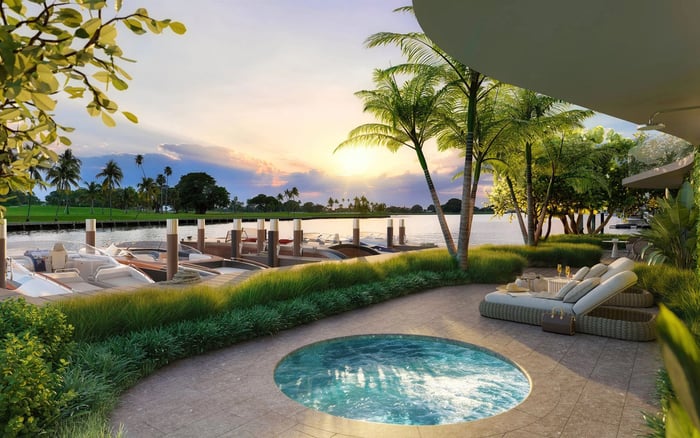
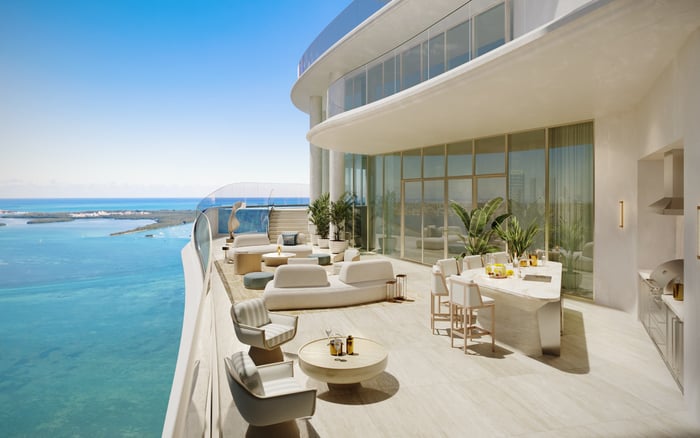
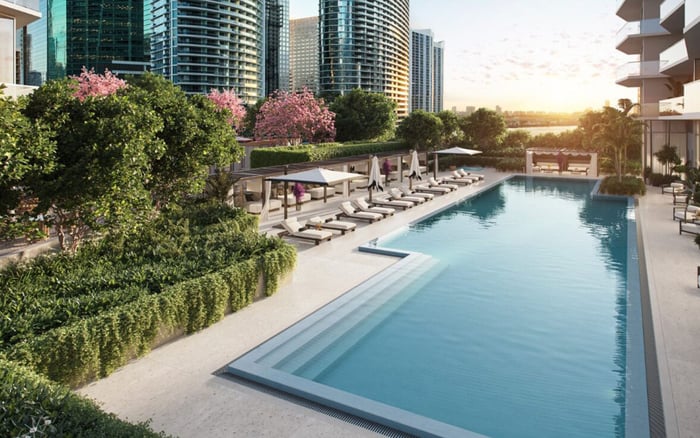
A strategic look at how terraces, views, pool environments, and hosting flow influence cash-buyer leverage in South Florida luxury real estate negotiations.
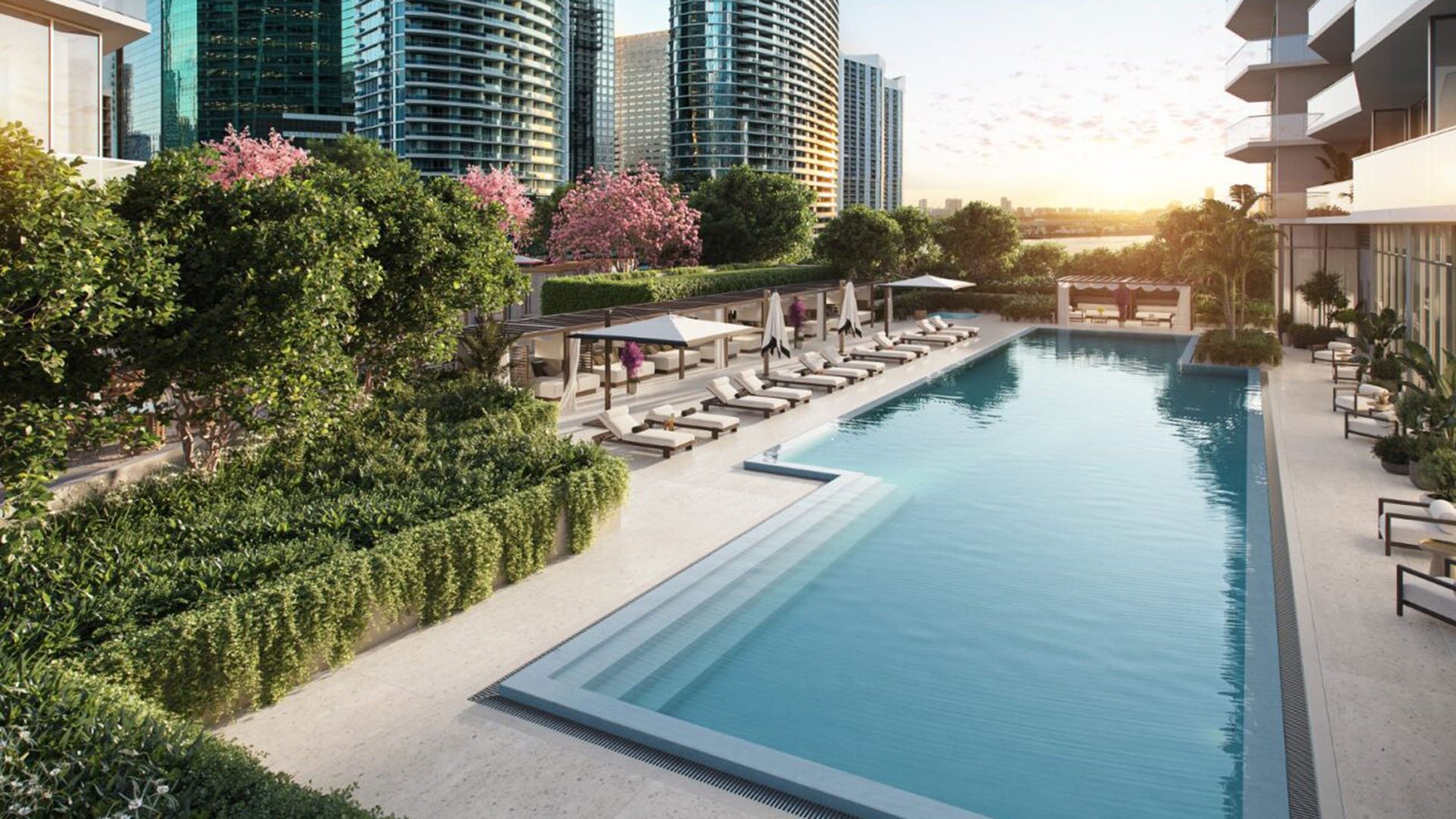
For South Florida’s cash buyer, indoor-outdoor entertaining is more than a lifestyle preference. It is a valuation question, a due diligence priority, and often the quiet center of negotiation strategy. The terrace that feels effortless at sunset, the salon that opens cleanly to a pool deck, the outdoor kitchen that turns a weekend home into a social address-each can influence how a buyer structures an offer.
Cash buyers have an advantage because they can move quickly and with fewer contingencies. Yet speed alone is not a strategy. The most effective cash negotiation begins by translating emotional appeal into specific components: usable exterior square footage, privacy, weather protection, sightlines, service access, maintenance burden, and replacement complexity. Once those elements are separated, a buyer can decide which features deserve a premium and which should support a more disciplined price.
The result is a more elegant posture at the table. Rather than simply saying a property is beautiful, the buyer can identify which parts of its entertaining program are scarce, which are ordinary, and which will require capital after closing.
Indoor-outdoor living often photographs better than it performs. A wide opening from the great room may be visually compelling, but the real question is how the home hosts. Can guests move naturally from arrival to bar to dining to lounge? Is the terrace deep enough for actual seating, or is it mostly ornamental? Does the pool feel private, or is it exposed to adjacent sightlines? Is the waterview framed from primary rooms, or only from a single angle?
These details matter because a cash buyer is usually not negotiating around financing risk. The seller may already expect certainty. The buyer must therefore create leverage elsewhere, using functional analysis rather than hesitation. If a terrace lacks shade, if exterior areas need resurfacing, if landscaping must be reworked for privacy, or if the outdoor kitchen is more aesthetic than operational, those points can justify a more calibrated offer.
In luxury negotiations, the language should remain composed. A buyer does not need to diminish the residence. The stronger approach is to acknowledge the appeal, then identify the cost and time required to bring the entertaining environment to the desired standard.
In South Florida, different settings carry different entertaining expectations. A Brickell residence may be judged on skyline drama, arrival sequence, and the ability to host before or after a cultural or dining evening. An oceanfront home or condominium is often assessed through light, breeze, privacy, and the transition from interior calm to exterior spectacle. A low-density waterfront setting may place greater emphasis on guest circulation, boat-day practicality, and quiet separation between social and private zones.
For a cash buyer, these words should become underwriting language rather than marketing language. Brickell, Miami Beach, oceanfront, terrace, pool, waterview, and investment may all appear in a buyer’s internal brief, but each should be tied to observable performance. A view that cannot be enjoyed from seated areas is less powerful than one that shapes the entire entertaining level. A terrace that imposes significant furniture constraints may not support the same premium as one that functions as a true outdoor room.
This framing keeps negotiation rational. It also protects the buyer from overpaying for a feature that is emotionally memorable during a showing but less valuable in daily use.
The strongest leverage often appears in the gap between promise and execution. A listing may suggest resort-style living, while the property itself reveals friction. Doors may stack beautifully but expose the interior to heat or glare. The pool area may be attractive but lack a proper service path. Outdoor dining may be possible, yet uncomfortable during parts of the day. The kitchen may be too far from the terrace to support seamless hosting.
These are not minor observations. At the top of the market, buyers are paying for ease. If that ease is incomplete, a cash buyer can negotiate from a position of clarity. The offer can be presented as certain, clean, and immediate, while the price reflects the buyer’s cost to correct functional shortcomings.
This is especially important when improvements are not merely decorative. Reconfiguring openings, adding shade systems, improving drainage, upgrading exterior surfaces, enhancing lighting, or redesigning landscaping can involve planning, coordination, and disruption. Even without assigning a public number to those items, a buyer can use them as the basis for disciplined valuation.
A refined cash offer should not read as opportunistic. It should read as prepared. The buyer’s advisor can identify the property’s strongest entertaining assets, then isolate the areas that reduce confidence. This creates a negotiation posture that is respectful but firm.
The first move is to decide whether the indoor-outdoor experience is central to the purchase or simply an enhancement. If it is central, the buyer should be less forgiving of compromised flow, limited shade, poor privacy, or awkward guest circulation. If it is secondary, those same issues may become useful negotiation points without becoming deal breakers.
The second move is to rank the improvements required after closing. A buyer who plans to host frequently should think beyond finishes. Sound, lighting, furniture depth, access to powder rooms, catering logistics, bar placement, pool safety, and the transition from wet areas to interior floors all affect the lived experience.
The third move is to keep the cash advantage visible. A seller may accept a sharper price when the offer is clean, the timeline is credible, and the buyer demonstrates readiness. Certainty has value, but it should not be given away without receiving something in return.
South Florida luxury real estate is rich with atmosphere. Light, water, palms, limestone, glass, and evening air can make a property feel irresistible. Cash buyers are particularly vulnerable to speed because they can act immediately. The discipline is to pause just long enough to separate ambience from asset quality.
A memorable sunset does not guarantee year-round usability. A glamorous pool deck does not guarantee low maintenance. A dramatic terrace does not guarantee furniture flexibility. A panoramic view does not guarantee privacy. The negotiation strategy should recognize beauty while testing its durability.
This is where private advisory work becomes essential. The buyer who understands both emotional value and execution risk can be decisive without being impulsive. The best cash offers are not always the highest offers. They are the offers that match certainty with intelligence.
Sellers often attach personal value to the places where they entertained. A terrace where they hosted family dinners, a pool deck associated with celebrations, or a room designed around a view may carry emotional weight. A buyer should not attack that value directly. Doing so can harden the conversation.
Instead, the buyer should frame the negotiation around future fit. The property may have served one owner beautifully, while still requiring adaptation for the next owner’s lifestyle. This distinction allows the cash buyer to preserve goodwill while asking for a price that reflects necessary changes.
Tone matters. In the ultra-premium segment, discretion and precision often outperform aggression. A well-supported position can feel more persuasive than a dramatic demand.
Why does indoor-outdoor entertaining affect negotiation strategy? It turns lifestyle appeal into measurable questions about usability, privacy, maintenance, and post-closing improvement needs.
Do cash buyers automatically have stronger leverage? Cash can create certainty, but leverage improves when the offer also reflects precise property analysis.
Should a buyer pay a premium for a large terrace? Only if the terrace is genuinely usable, private, well-oriented, and proportioned for the way the buyer plans to host.
How should pool areas be evaluated during negotiation? Buyers should look at privacy, safety, shade, surface condition, guest flow, lighting, and maintenance complexity.
Can a beautiful view justify a higher offer? Yes, when the view is central to daily living and entertaining rather than limited to a narrow or impractical vantage point.
What weakens an indoor-outdoor entertaining program? Awkward circulation, insufficient shade, exposed sightlines, difficult service access, and costly exterior upgrades can all reduce value.
How can a buyer discuss flaws without offending the seller? The buyer can acknowledge the home’s appeal while explaining the adaptations required for the next owner’s lifestyle.
Is speed more important than price in a cash offer? Speed helps, but the strongest offers combine certainty, clean terms, and a price supported by thoughtful analysis.
Should emotional appeal be ignored? No. It should be recognized, then tested against practical factors that determine long-term enjoyment and resale strength.
When should a cash buyer walk away? When the cost, disruption, or compromise required to create the desired entertaining lifestyle exceeds the property’s strategic value.
For a discreet conversation and a curated building-by-building shortlist, connect with MILLION.
If branded residences are on your mind — as a home or as an allocation — we would be glad to share what we are seeing, privately.
Begin a quiet conversation