In Miami’s luxury condo market, the smartest residence is not always the one with the most cinematic view. Stack selection can define privacy, light, flow, noise, and long-term livability in ways a skyline or water outlook cannot fully compensate for.
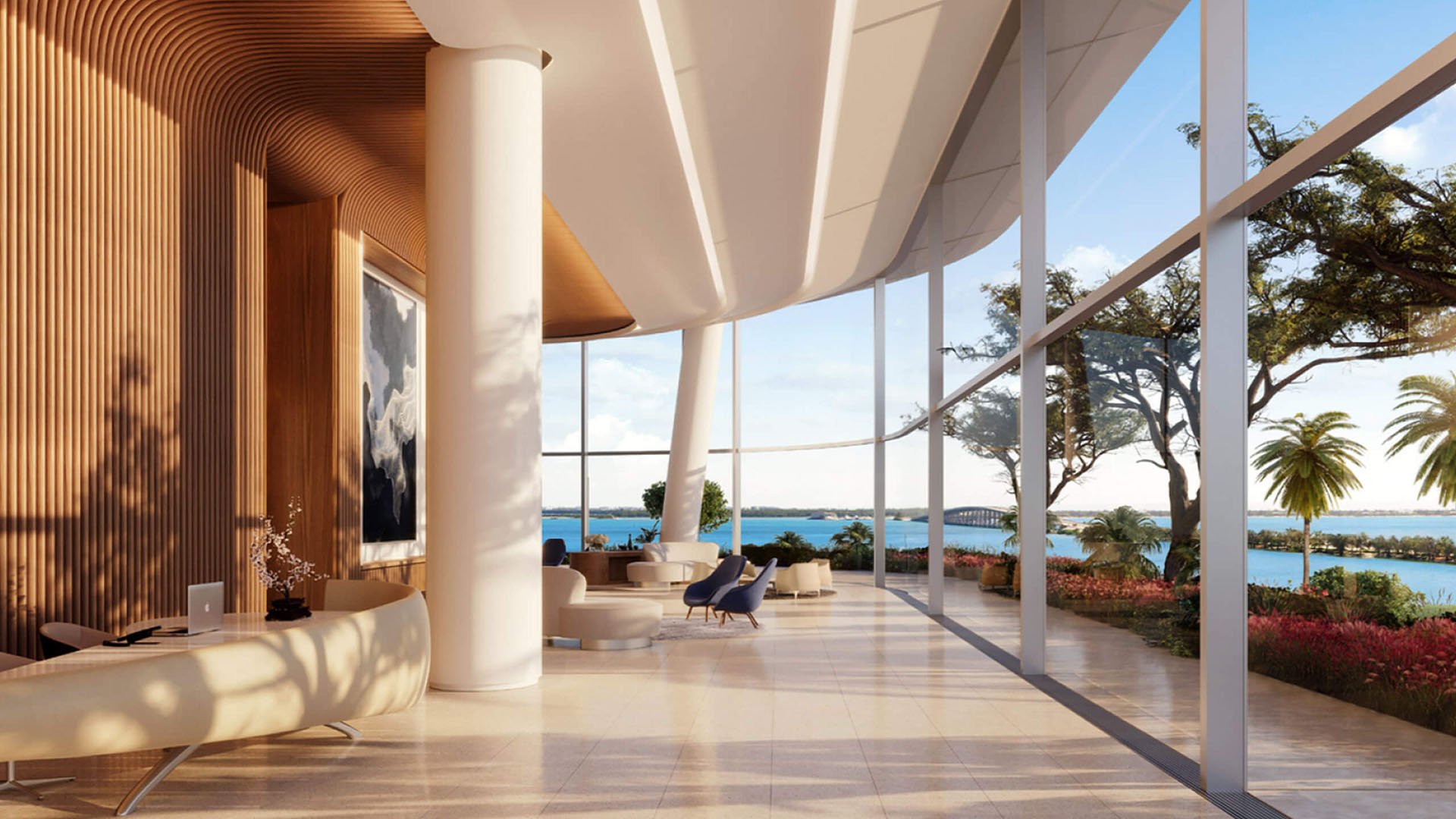
In a Miami condo search, the view is often the first seduction. Water, skyline, sunrise, sunset, and the city’s evening glow can make a residence feel instantly memorable. Yet among experienced buyers, the more consequential question is often quieter: which stack is the best fit?
A stack is the vertical line of residences that share a similar floor plan and orientation from one level to another. In practice, it determines much of how a home lives. It can influence morning light, afternoon heat, terrace use, elevator proximity, privacy from neighboring towers, bedroom placement, kitchen openness, and the way guests move through the residence. The view may define the first impression, but the stack shapes the daily experience.
For a buyer comparing Brickell, Miami Beach, Sunny Isles, and other vertical luxury markets, stack selection can be the difference between a home that photographs beautifully and one that feels composed every hour of the day.
A view is immediate. It is also relatively easy to understand in a single showing. A buyer steps inside, looks through the glass, and knows whether the outlook has emotional power. Stack selection requires more patience. It asks how the residence receives light, where the primary suite sits, whether the living room has usable walls, and how the kitchen connects to the terrace and dining area.
This distinction matters because luxury buyers are not only purchasing scenery. They are purchasing ritual. A morning coffee may call for soft light rather than glare. A primary bedroom may require silence over spectacle. A dining area may feel more refined when it sits apart from the elevator corridor. A terrace may be more valuable if it is sheltered enough to use frequently, not merely large enough to impress on a floor plan.
The best stack is rarely defined by one feature. It is an orchestration of proportions, sightlines, circulation, exposure, and privacy. When those elements work together, the residence feels calm and inevitable.
In dense luxury corridors, a dramatic outlook can sometimes carry compromises. A residence may face another building, a busy amenity deck, or a corridor of activity that changes the mood of the home. Buyers who value discretion often study the stack to understand not only what they see, but who can see them.
This is especially important in glass-forward architecture, where the line between interior and exterior can feel beautifully dissolved. A stack with a slightly less iconic view may offer a more private terrace, fewer direct sightlines from neighboring residences, and a more comfortable primary suite. For many end users, that private composure matters more than the most obvious view angle.
Privacy also affects entertaining. A living room that feels exposed can change how often the owner hosts, how window treatments are used, and how relaxed guests feel after sunset. In the ultra-premium segment, ease is a luxury. The right stack can create it without calling attention to itself.
Not all light is equal. A residence can be bright but harsh, open but warm, or dramatic only during a narrow portion of the day. Stack selection helps buyers consider how exposure affects the rhythm of living.
Some buyers prefer a softer morning atmosphere. Others want late-day glow for cocktails and entertaining. Some prioritize balanced natural light for art, finishes, and interior design. High-floor residences may offer a sense of elevation and openness, while low-floor residences can sometimes feel more connected to landscaping, water edges, or neighborhood texture. Neither category is automatically superior. The question is which one supports the owner’s life.
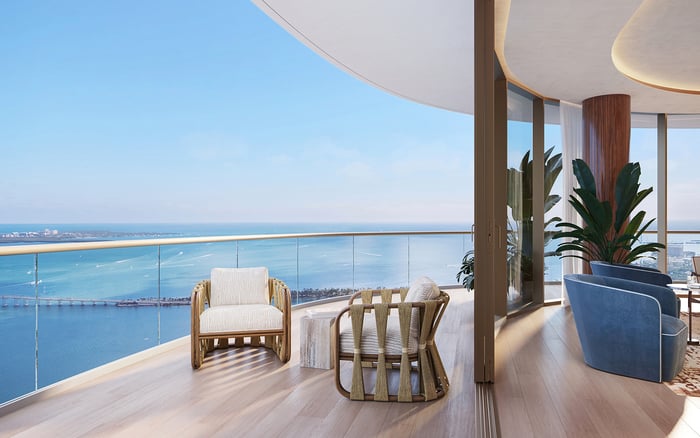
The same principle applies to terrace use. A water view may be extraordinary, but if the terrace feels too exposed at the time the owner wants to use it most, the daily value may be lower than expected. Sophisticated buyers test the experience, not just the image.
The most beautiful view cannot correct an awkward plan. A narrow living area, compromised bedroom sequence, limited storage, or exposed service path can become more noticeable with time. Stack selection allows buyers to compare how each line handles the essential architecture of living.
A strong stack usually feels intuitive. The entry has presence. The living area receives the view without wasting space. The kitchen is placed for both service and sociability. Bedrooms have privacy. Closets and laundry are convenient but discreet. The terrace connects naturally to the rooms where it will actually be used.
This is why a buyer may choose a less celebrated outlook in favor of a superior line. The decision can feel restrained, but it is often the more luxurious choice. A residence that functions elegantly every day has deeper value than one that relies on a single visual moment.
The most effective approach is to compare residences as lived environments rather than isolated listings. Walk from the elevator to the front door and note the sense of arrival. Stand in the entry and observe whether the view is revealed with drama or exposed too quickly. Sit where the dining table would go. Open the terrace doors if possible. Imagine art placement, evening lighting, guest circulation, and quiet morning routines.
Buyers should also examine adjacency. A residence near elevators, service rooms, refuse areas, mechanical spaces, or amenity activity may live differently than the same plan in another position. These details are not always obvious in marketing imagery, but they can become central after closing.
For resale discipline, stack selection should balance emotion with recognizability. A highly efficient plan, protected privacy, pleasing exposure, and a broadly desirable layout can support future marketability. The best choice is not necessarily the rarest view. It is the residence with the fewest compromises for the largest pool of sophisticated buyers.
There are moments when the view is the defining asset. A buyer may value an unobstructed water outlook, a particular sunset angle, or a skyline perspective that cannot be replicated within the building. In those cases, the premium may be justified if the plan remains strong enough to support daily living.
The key is not to dismiss the view. It is to avoid letting the view make every decision. A disciplined buyer asks whether the outlook elevates an already excellent residence or distracts from a compromised one. When the view and stack are both strong, the result can be exceptional. When they compete, the better long-term answer is often found in the stack.
For South Florida’s most discerning buyers, stack selection is part of a larger shift toward practical elegance. The ultra-premium buyer is increasingly fluent in the difference between spectacle and livability. They understand that architecture, privacy, circulation, and light have daily consequences.
The strongest Miami condo search does not begin and end at the window. It studies how the residence receives the world, how it protects the owner, and how it performs in quiet moments. In that sense, prioritizing stack selection over the view is not a conservative move. It is a refined one.
What is a condo stack? A condo stack is the vertical line of residences with a similar layout and orientation across multiple floors.
Why does stack selection matter in Miami? It can affect privacy, light, terrace comfort, circulation, and the way a residence feels throughout the day.
Is the best view always the best purchase? Not always. A stronger floor plan with better privacy and usability can be more compelling than a more dramatic outlook.
Should high floors always be preferred? High floors can feel more open and elevated, but the best choice depends on exposure, layout, privacy, and personal rhythm.
Can low floors be a luxury choice? Yes. Low floors may appeal to buyers who prefer a closer connection to landscaping, water, or neighborhood atmosphere.
How should buyers compare two similar views? They should study the plan, bedroom placement, terrace usability, elevator proximity, and privacy from neighboring sightlines.
Does a water view guarantee stronger livability? No. A water view can be beautiful, but it should be weighed against heat, glare, exposure, and the quality of the floor plan.
What matters most for privacy? Direct sightlines, neighboring buildings, amenity adjacency, and terrace exposure all influence how private a residence feels.
Can stack choice affect resale appeal? It can. A balanced plan, desirable exposure, and broad usability may appeal to future buyers with varied priorities.
What is the best way to shortlist comparable options for touring? Start with location fit, delivery status, and daily lifestyle priorities, then compare stacks and elevations to validate views and privacy.
For a confidential assessment and a building-by-building shortlist, connect with MILLION.
If branded residences are on your mind — as a home or as an allocation — we would be glad to share what we are seeing, privately.
Begin a quiet conversation