A discreet buyer’s guide to evaluating sun-glare exposure in South Florida luxury residences, preserving negotiating leverage, and protecting the right address without overplaying the issue.
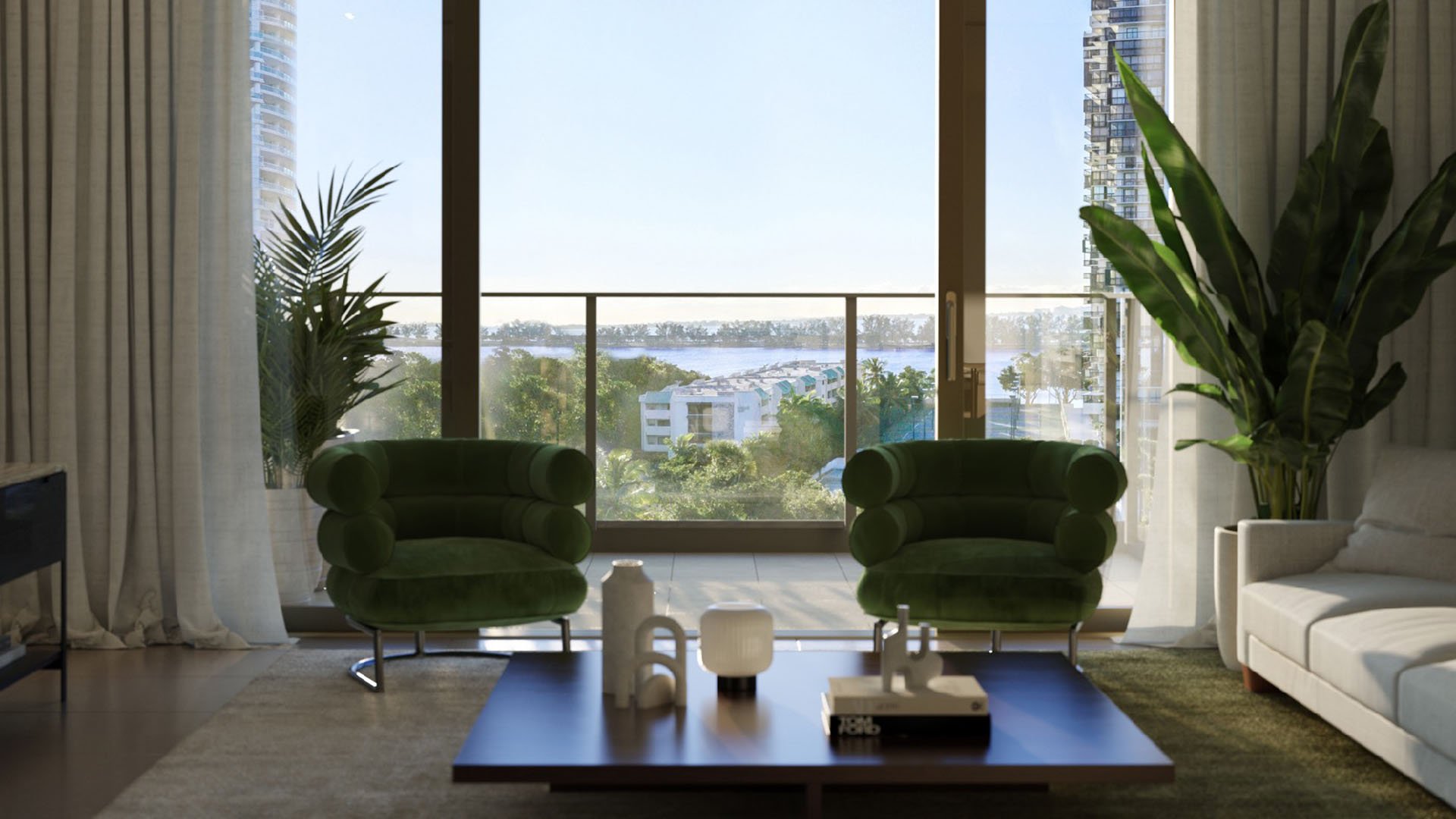
In South Florida, light is part of the purchase. It defines the water view, animates a marble kitchen, and turns a terrace into a private observatory. Yet the same light can become intrusive when afternoon sun strikes a glass wall, reflects off water, or intensifies across pale flooring. For a discerning buyer, the question is not whether sun-glare exposure exists. The question is whether it is livable, correctable, and properly reflected in the negotiation.
The strongest negotiations around glare are not emotional. They are specific, time-based, and tied to use. A buyer who says a residence is “too bright” gives the seller little to answer. A buyer who says the primary sitting area receives hard western glare during the hours the family expects to use it has a more refined position. The first sounds subjective. The second sounds like diligence.
This is especially important in glass-forward condominiums and waterfront homes, where light is often inseparable from the qualities that make the property desirable. A residence at The Residences at 1428 Brickell may attract a buyer precisely because of its skyline exposure, while a beachfront address such as 57 Ocean Miami Beach is inherently about horizon, sand, and shifting reflection. The negotiation should preserve the asset’s emotional value while addressing the daily condition.
Sun-glare exposure should be evaluated room by room, not as a general impression. A dazzling view from a formal living room may be a tolerable trade-off if the family spends most daylight hours in a media room, den, or shaded terrace. Conversely, glare in the kitchen, home office, or primary bedroom may affect daily life more directly.
The better approach is to map the residence by activity. Where will coffee be taken? Where will calls be handled? Where will art be installed? Where will children study, guests gather, and evening dining occur? Once the buyer understands the relationship between light and routine, negotiation becomes more disciplined.
This is where orientation, glass line, ceiling height, terrace depth, surrounding buildings, and water exposure belong in the same conversation. The buyer is not criticizing beauty. The buyer is measuring usability.
A midmorning showing can flatter almost any residence. To understand glare, the buyer needs to see the property when the exposure is most likely to matter. That may mean late afternoon in a western-facing unit, early morning in an eastern bedroom, or a reflective period when sun and water meet at a low angle.
One visit is rarely enough. A second showing at a different hour can either confirm the concern or deflate it. This matters because the negotiation should not be built on a single dramatic moment. Sellers are more receptive when feedback feels measured rather than reactive.
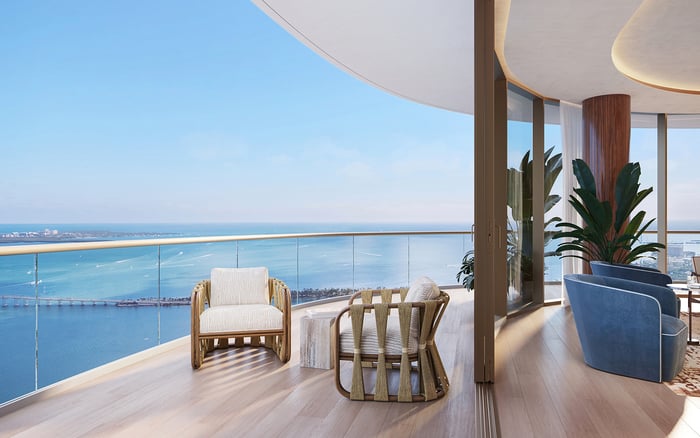
For waterfront buyers, reflection deserves its own attention. A Waterview can be serene at one hour and intensely bright at another. That does not make the residence wrong. It simply means the buyer should know when shades, landscaping, terrace furnishings, or interior treatments will become part of the living pattern.
The strongest strategy is to translate exposure into a defined scope of solution. Instead of asking for a vague discount, identify what would make the residence function beautifully. That might include motorized shades, upgraded window treatments, specialty film where allowed, exterior shading elements where permitted, darker textile selections, art-safe placement planning, or a lighting design review.
In condominium settings, buyers should be especially careful not to assume every alteration is allowed. Before making a demand, understand what is private, what is common, and what requires approval. The point is to make a clean, credible ask, not to create a speculative objection.
For a buyer considering Bentley Residences Sunny Isles or another glass-oriented coastal residence, the most elegant negotiation may not be a headline price reduction. It may be a credit, a seller-funded improvement, or timing flexibility that allows the buyer to commission the right treatments immediately after closing. The more precise the remedy, the easier it is for both sides to preserve dignity.
Sunlight is not a defect in South Florida luxury real estate. It is part of the region’s architectural language. Overstating glare can weaken a buyer’s credibility, particularly if the residence is otherwise rare, well located, or beautifully proportioned.
A better posture is calibrated. Acknowledge the strengths first. Then address the exposure as a livability item. This is not merely etiquette. It keeps the seller from becoming defensive and positions the buyer as someone who understands the market.
For high-floor residences, views may be more expansive and the light more dramatic. For an oceanfront residence, reflection may be inseparable from the appeal. In a client brief, location shorthand such as Brickell, Miami Beach, and Sunny Isles can help frame expectations before touring, because each setting has its own relationship to light, water, glass, and skyline.
The right residence should not be abandoned because of an addressable exposure issue. Many buyers lose exceptional properties by treating glare as a binary flaw rather than a design condition. If the floor plan, view, privacy, services, and location are correct, the question becomes whether the issue can be managed within the buyer’s standard of comfort.
Consider the difference between permanent and periodic discomfort. Permanent glare in the central living zone may justify a firmer negotiating position. Seasonal or hour-specific brightness may be better handled through furnishings and treatments. If the exposure affects only a guest room or occasional-use space, it may be a modest concession point rather than a central objection.
A residence at Alba West Palm Beach, for example, should be assessed through the actual rhythm of the buyer’s life, not only through the drama of a single showing. The same is true in leafy, village-scaled settings such as The Well Coconut Grove, where shade, outlook, and interior mood may matter as much as broad exposure.
When glare is a real concern, the offer should make the issue visible without making it theatrical. A buyer might reference observed afternoon exposure in specific rooms and propose a price adjustment, closing credit, or inclusion related to window treatments. The language should be calm and practical.
This approach works because it gives the seller a path to agreement. It does not ask the seller to concede that the residence is flawed. It asks the seller to recognize that one element of livability has a cost. In luxury negotiations, that distinction is often decisive.
If multiple buyers are circling the same property, restraint matters even more. A severe discount request tied to glare may fail if another buyer sees the same sunlight as ambience. In that situation, a narrower ask may keep the buyer competitive while still honoring the concern.
Every exceptional property has a compromise. It may be exposure, ceiling height, elevator proximity, view angle, terrace depth, or renovation timing. The art is knowing which compromise is compatible with the buyer’s life.
Sun-glare exposure is worth negotiating when it affects comfort, art placement, screen use, heat perception, or the usability of major rooms. It is less persuasive when it is occasional, easily treated, or offset by qualities that cannot be replicated. A rare view, preferred line, or superior layout may be worth more than the cost of managing light.
The right residence should feel inevitable after diligence, not perfect in an abstract sense. Negotiation is the bridge between desire and discipline.
Is sun-glare exposure a valid negotiation point? Yes, when it affects daily use in a specific and observable way. The strongest position ties the concern to rooms, hours, and likely remedies.
Should I ask for a price reduction or a credit? A credit can be more elegant when the issue has a practical solution. A price reduction may be appropriate if the exposure affects core living areas.
How many times should I view the residence before raising glare? At least two visits at different times can make the concern more credible. The goal is to separate a passing impression from a real living condition.
Does a waterfront view always increase glare? Water can intensify brightness at certain times, but the experience varies by orientation, elevation, and room layout. It should be evaluated in person.
Are motorized shades enough to solve the issue? Often they are part of the solution, but the best answer depends on the room, glass area, and desired level of privacy and softness.
Can I install window film in a condominium? Possibly, but approvals and building rules may apply. Confirm what is permitted before making it part of the negotiation.
Should glare make me walk away from a residence? Only if it conflicts with how you intend to live and cannot be addressed gracefully. Many exposure issues are manageable with the right plan.
How do I avoid offending the seller? Lead with the property’s strengths, then discuss glare as a practical livability item. Precision is more persuasive than criticism.
Is western exposure always a problem? No. Some buyers prize late-day light, while others find it disruptive. The right answer depends on personal routine and room placement.
What is the best first step before making an offer? Revisit the residence during the relevant light window and define the remedy you would actually want. Then negotiate around that scope.
For a tailored shortlist and next-step guidance, connect with MILLION.
If branded residences are on your mind — as a home or as an allocation — we would be glad to share what we are seeing, privately.
Begin a quiet conversation