A practical, discreet guide for luxury buyers assessing how protected a water, skyline, park, or sunset view may be before purchasing in a South Florida condominium.
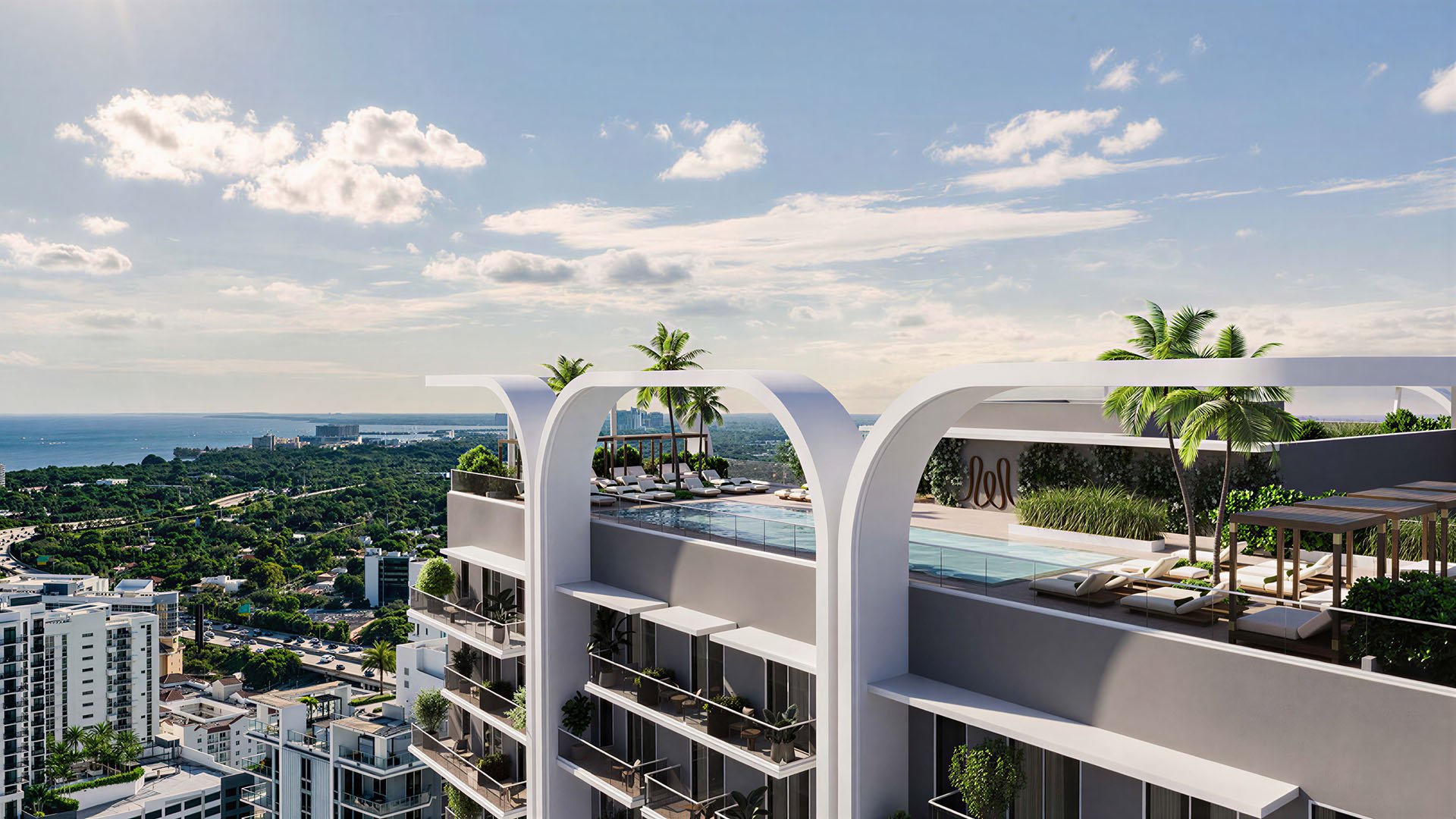
In South Florida luxury real estate, the view is not decorative. It is part of the asset, part of the daily ritual, and often part of the resale narrative. A sunrise over the Atlantic, a Biscayne Bay panorama, a marina perspective, a golf corridor, or a skyline frame can define how a residence lives from morning to evening. The mistake is assuming that outlook is fixed simply because it is beautiful on the day of the showing.
View-corridor risk is the possibility that a future building, renovation, landscape change, infrastructure element, or neighboring parcel decision could alter what a residence sees. The risk is not confined to dense urban cores. It can matter in oceanfront settings, boutique waterfront enclaves, and established residential districts where a single adjacent site can change the experience of an otherwise exceptional home.
This is why a sophisticated buyer evaluates the view with the same discipline applied to building quality, reserves, amenities, and privacy. A residence can still be superb with some view uncertainty, but the buyer should understand what is being paid for, what is protected, and what is merely hoped for.
The first question is simple: what exactly creates the view? Is it a direct water exposure, an oblique angle through neighboring towers, an opening above a lower structure, or a diagonal line across a street end? The more the view depends on an undeveloped parcel, a low-rise neighbor, or a narrow gap between buildings, the more careful the review should be.
Stand inside the residence and map the important sightlines from the primary rooms, not only from the balcony. A spectacular terrace moment may not translate into the living room, primary suite, kitchen, or dining area. For many buyers, the most valuable corridor is the one visible from the interior at eye level, where the residence feels connected to water and sky without requiring a step outside.
Floor height deserves particular attention. High floors can provide broader exposure, but they are not automatically immune to future obstruction. Low floors can feel intimate and lush, but their view premium may depend on landscaping, podium placement, or the absence of nearby vertical development. The right question is not simply higher or lower. It is whether the floor clears the most likely future massing around it.
A South Florida buyer should study the surrounding blocks as a three-dimensional field. Look at vacant parcels, surface parking, aging low-rise buildings, corner lots, waterfront sites, and unusually deep properties. Each may represent a future variable. The issue is not whether change is guaranteed. The issue is whether the purchase price assumes a view that could later become more limited.
In Brickell, for example, the most desirable residences often balance dramatic skyline energy with water orientation, privacy, and distance from neighboring glass. A buyer considering a tower such as The Residences at 1428 Brickell should think beyond the postcard angle and evaluate how the line of sight behaves from each principal room. Brickell rewards precision because the surrounding environment is active, vertical, and layered.
In Miami Beach, the analysis often shifts toward ocean exposure, park edges, and the relationship between neighboring structures. At The Perigon Miami Beach, the broader buyer question is not only what is visible, but how the residence is oriented to light, water, and neighboring architecture. The actual view conversation is highly specific from one block and floor plate to another.
Sunny Isles asks for another kind of discipline. Towers can offer impressive Atlantic and Intracoastal perspectives, but buyers should distinguish direct, centered views from side corridors and partial exposures. In a market associated with Sunny Isles and high floors, a residence such as Bentley Residences Sunny Isles should be evaluated by angle, depth, and future neighboring context, not by height alone.
Begin with a site walk at different times of day. Morning glare, afternoon reflection, sunset intensity, and night lighting can change how a view feels. What seems serene at noon may feel more exposed at dusk, and what seems partially obstructed in daylight may become beautiful once the skyline is illuminated.
Next, review the immediate surroundings. Identify what lies directly in front of the residence, what sits diagonally across from it, and what could affect the view from the side. Ask whether the outlook depends on a building remaining low, a parcel remaining vacant, or a tree canopy staying unchanged. A water view can be durable, but it should not be assumed permanent without examining the physical context.
Then test the interior experience. Sit where the dining table would be placed. Stand near the kitchen island. Walk into the primary bedroom. Views that appear only from one balcony corner are less valuable than views integrated into daily living. Balcony depth, railing design, column placement, and window mullions can also frame or interrupt the experience.
Finally, compare the residence with alternatives in the same building and nearby buildings. If two lines have similar interiors but materially different view exposure, the price gap should reflect both today’s enjoyment and tomorrow’s uncertainty. The best buyers do not merely ask whether they like the view. They ask how much of the premium is defensible.
A buyer should ask direct questions before contract: what nearby parcels could affect the view, whether any visible construction is planned, whether the association has information on neighboring activity, and whether the offering documents or disclosures address view limitations. The answers may be narrow, but the question itself creates a more disciplined record.
Legal review matters because view language is often limited. Many contracts and condominium materials avoid guaranteeing a particular outlook. If a view is central to the purchase decision, counsel should review the language carefully and explain what is, and is not, being promised. A buyer should not rely on casual verbal comfort when the contract is silent or restrictive.
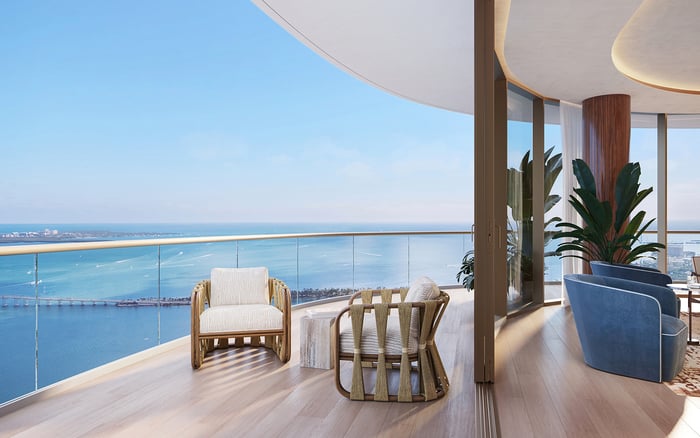
The same caution applies in pre-construction purchases. Renderings can communicate lifestyle and orientation, but the buyer should still ask how the actual residence sits in relation to neighboring parcels, tower placement, terrace lines, and window walls. This applies whether the buyer is evaluating an urban waterfront residence, a boutique bayfront building like La Maré Bay Harbor Islands, or a coastal address in Broward or Palm Beach County.
View risk should not automatically eliminate a residence. Some of South Florida’s best homes have partial, layered, or evolving outlooks. The key is alignment between price, lifestyle, and tolerance. A buyer who values design, services, walkability, and privacy may accept some uncertainty if the residence performs beautifully in other ways.
At the same time, a large premium for an unprotected corridor should be challenged. If the value story depends heavily on a view through a gap, over a low-rise site, or across a parcel that could change, the buyer may want a stronger floor, a different line, or a more conservative offer. In West Palm Beach, for instance, buyers considering Alba West Palm Beach should evaluate water orientation and neighboring context with the same care they apply to amenity programming and interior finish.
The goal is not to become pessimistic. It is to be exacting. In the upper tier, discretion and discipline create confidence. A beautiful view is a pleasure. A well-understood view is a better purchase.
What is view-corridor risk in a luxury condominium? It is the possibility that a future change nearby could alter a residence’s current water, skyline, park, or sunset view.
Is a high floor always safer for preserving views? Not always. High floors can help, but the key is whether the residence clears likely future buildings and neighboring massing.
Should I pay a premium for an unobstructed view? Yes, if the premium reflects both the current experience and the realistic durability of that view over time.
Can a contract guarantee my view will never change? Often, view protections are limited. Counsel should review the exact contract and condominium language before you rely on the view.
What should I look for during a site visit? Study vacant parcels, low-rise neighbors, construction activity, diagonal sightlines, and how the view reads from inside the home.
Does balcony view matter as much as interior view? Interior view usually carries greater daily value because it shapes how the residence lives without requiring you to step outside.
Are waterfront buildings free from view risk? No. Waterfront exposure can be strong, but side corridors, neighboring towers, and adjacent parcels still require review.
How should investors think about view risk? Investors should consider whether a future buyer will value the same outlook and whether the price already assumes permanence.
Can landscaping affect view value? Yes. Tree growth, removals, podium planting, and adjacent landscape changes can affect privacy, light, and lower-floor outlooks.
What is the best way to compare two similar residences? Compare the view from primary rooms, the likelihood of obstruction, and the price premium attached to each exposure.
For a discreet conversation and a curated building-by-building shortlist, connect with MILLION.
If branded residences are on your mind — as a home or as an allocation — we would be glad to share what we are seeing, privately.
Begin a quiet conversation