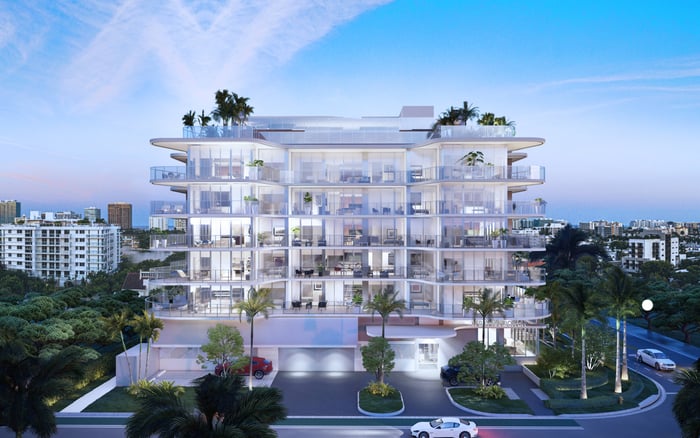
A buyer-focused comparison of Alana Bay Harbor Islands and Four Seasons Residences Coconut Grove, centered on ownership flexibility, association rules, neighborhood fit, and long-term livability rather than branding alone.

The most useful way to compare Alana Bay Harbor Islands and Four Seasons Residences Coconut Grove is not to ask which name sounds more impressive at dinner. The sharper question is which ownership environment will feel better after closing, after the first season, and after the novelty of the purchase becomes daily life.
Alana Bay Harbor Islands represents a quieter, more boutique condominium choice in an island setting. Its appeal is tied to intimacy, residential calm, and neighborhood scale. Four Seasons Residences Coconut Grove represents a branded, hospitality-led residential model where service culture, amenities, operating standards, and recognizable luxury identity sit at the center of the ownership experience.
Both can be compelling, but they are not trying to solve the same problem for the same buyer. One leans toward a lower-key residential rhythm. The other leans toward a full-service, amenity-rich lifestyle. The correct choice depends less on admiration than on use.
Alana Bay Harbor Islands should be evaluated as a boutique residential option for buyers who want a calmer island lifestyle rather than a heavily serviced, resort-style environment. The word boutique matters because scale can influence privacy, building culture, neighbor familiarity, and the texture of everyday routines.
In Bay Harbor Islands, the livability case is tied to a quieter setting and a more residential neighborhood rhythm. For many end-users, that means thinking carefully about schools, beach access, shopping, family needs, commutes, and the pace of daily movement. The appeal is not only the residence itself, but the ability to live in a setting that feels contained and personal.
This is where the Bay Harbor decision becomes practical. A buyer who wants a less theatrical ownership experience may find value in a building that is not defined primarily by branding. The tradeoff is that the buyer should be especially attentive to governance, maintenance culture, and the details of condominium documents, because in a boutique building, rules and resident expectations can have an outsized impact on daily comfort.
Four Seasons Residences Coconut Grove should be understood through a different lens. It is the branded Coconut Grove option in this comparison, and it speaks to buyers who value service-driven living, lock-and-leave convenience, and a hospitality-informed residential experience.
For seasonal residents and frequent travelers, the attraction is clear. A branded residence can offer a more managed sense of arrival, continuity, and ease. The buyer is not only acquiring a home, but buying into an operating culture with expectations around service, presentation, and amenities.
Yet the brand should not end the analysis. The Coconut Grove buyer should examine how that service environment functions as an ownership structure. Branded residences can carry distinct fee structures, operating expectations, and association considerations. For a second-home owner who wants convenience, those costs and rules may feel worthwhile. For a full-time resident who is more sensitive to governance, monthly carrying costs, guest policies, and renovation rules, the same framework may require closer scrutiny.
The most overlooked variable in this comparison is not architecture or prestige. It is the condominium regime. Rental restrictions, guest policies, pet rules, move-in procedures, renovation rules, approval processes, use of amenities, and owner responsibilities can influence daily life more directly than a brand name.
No buyer should assume ownership flexibility is the same across luxury buildings. A residence that feels perfect for occasional use may be less accommodating for a family living there year-round. A property that seems ideal for investment purposes may have association rules that limit rental strategy or guest flexibility. A building that feels intimate may also have a close-knit governance culture that rewards compatibility and patience.
The key is to read the documents before prioritizing prestige. Buyers should review the declaration, bylaws, house rules, budget, insurance obligations, reserve posture, rental language, pet policies, guest access, move-in rules, and renovation protocols with qualified counsel and representation. The goal is not to find a rule-free building. The goal is to understand whether the rules align with the way the owner intends to live.
A full-time owner comparing these two options should place neighborhood fit near the top of the list. Alana Bay Harbor Islands may be more attractive if the buyer wants a quieter daily setting, a residential island atmosphere, and a building experience that feels more private and less resort-like. The question is whether the boutique scale supports the buyer’s routines over years, not just during a polished sales presentation.
A seasonal owner may weigh the equation differently. Four Seasons Residences Coconut Grove may be more appealing if the owner wants service, convenience, a recognizable luxury standard, and less friction when arriving and leaving. For a buyer who splits time between cities or countries, the premium for managed ease may be rational.
An investor or part-time owner should be even more disciplined. Rental flexibility, association approvals, branded-residence fees, service charges, and resale assumptions should be examined before making any decision based on name recognition. Luxury branding can support demand, but it does not erase the importance of rules, costs, and actual market behavior.
Bay Harbor Islands and Coconut Grove are materially different living contexts. That matters. A buyer choosing between them is not simply choosing between two residential products, but between two versions of Miami life.
Bay Harbor Islands offers a calmer island framework that may resonate with buyers who want residential quiet, local scale, and proximity to family-oriented routines. Coconut Grove offers a more established, serviceable, and culturally layered neighborhood experience, with a luxury residential ecosystem that continues to attract buyers who want atmosphere as well as convenience.
Neither is universally superior. The more relevant question is whether the buyer wants life to feel more discreet and neighborhood-scaled, or more service-forward and amenity-driven. That distinction will remain important long after the closing dinner.
Choose Alana Bay Harbor Islands if the priority is a boutique environment, residential calm, and a quieter island setting. It may suit buyers who value a lower-key ownership experience and who are willing to examine association governance carefully to ensure the building culture fits their expectations.
Choose Four Seasons Residences Coconut Grove if the priority is service culture, brand familiarity, amenities, and lock-and-leave convenience. It may suit buyers who want a hospitality-led residence and who are comfortable evaluating branded-residence costs and rules as part of the overall value proposition.
In the end, the more sophisticated buyer does not get distracted by branding. Branding is one variable. Ownership flexibility, association governance, neighborhood rhythm, monthly carrying costs, and long-term livability often shape satisfaction more profoundly.
Is Alana Bay Harbor Islands more boutique than Four Seasons Residences Coconut Grove? Yes. Alana is positioned as a boutique Bay Harbor Islands condominium choice centered on intimacy, calm, and neighborhood scale.
Is Four Seasons Residences Coconut Grove mainly about branding? No. The brand is important, but the ownership experience also depends on service culture, amenities, operating standards, and association rules.
Which option is better for full-time living? It depends on lifestyle. Full-time residents should focus on neighborhood fit, governance, rules, monthly costs, and everyday routines.
Which option is better for a second-home buyer? Four Seasons Residences Coconut Grove may appeal to second-home owners who value lock-and-leave convenience and service-driven living.
Should buyers review rental rules before purchasing? Yes. Rental restrictions and approval procedures can materially affect flexibility, especially for part-time owners and investors.
Do pet policies matter in this comparison? Yes. Pets, guest access, move-ins, and renovations should all be reviewed in the condominium documents before closing.
Is Bay Harbor Islands quieter than Coconut Grove? In this comparison, Alana offers the quieter island setting, while Coconut Grove provides a more service-forward branded residence context.
Can a branded residence have higher operating complexity? It can. Buyers should examine fees, service charges, association rules, and long-term carrying costs before relying on brand prestige.
Is investment potential enough reason to choose Four Seasons? Not by itself. Investment buyers should study rental flexibility, resale assumptions, branded fees, and actual ownership obligations.
What is the most important takeaway for buyers? Choose the ownership model that fits daily use, rules tolerance, and long-term livability, not simply the most recognizable name.
For a discreet conversation and a curated building-by-building shortlist, connect with MILLION.
If branded residences are on your mind — as a home or as an allocation — we would be glad to share what we are seeing, privately.
Begin a quiet conversation