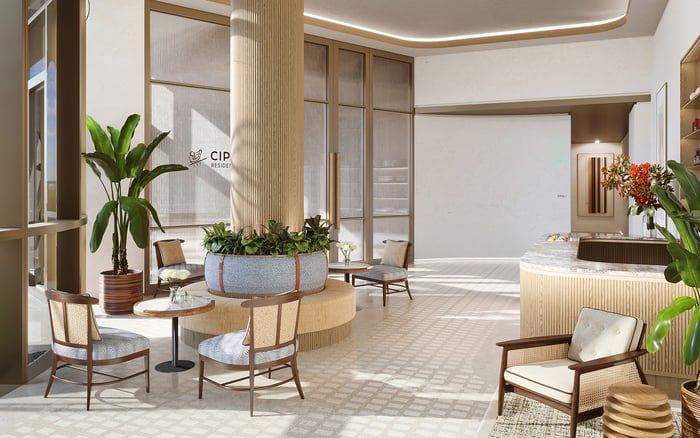
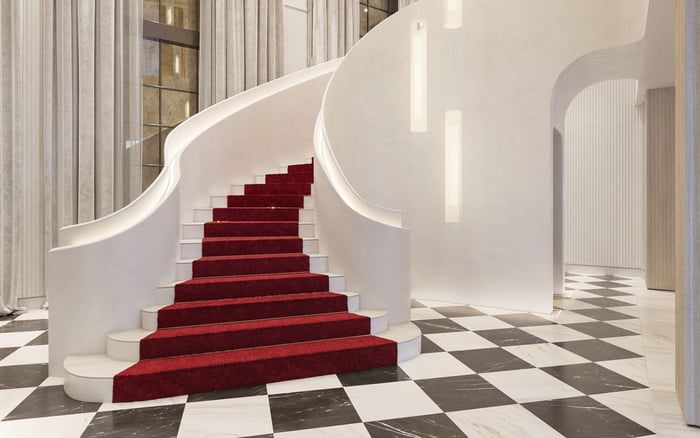
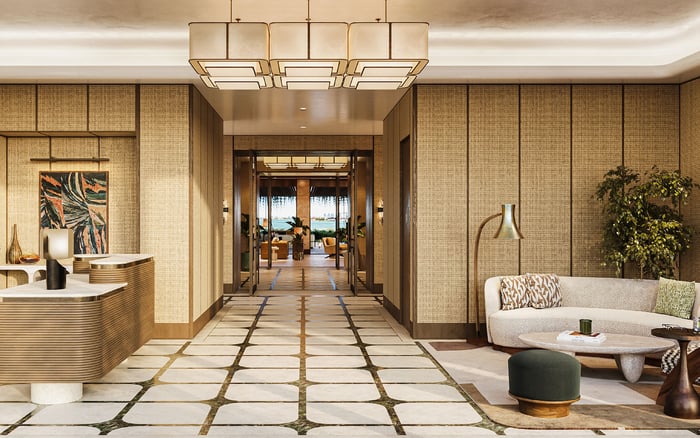
A refined look at why service-led condominium living can help second-home buyers reduce friction, protect time, and make South Florida ownership feel more intentional in 2026.
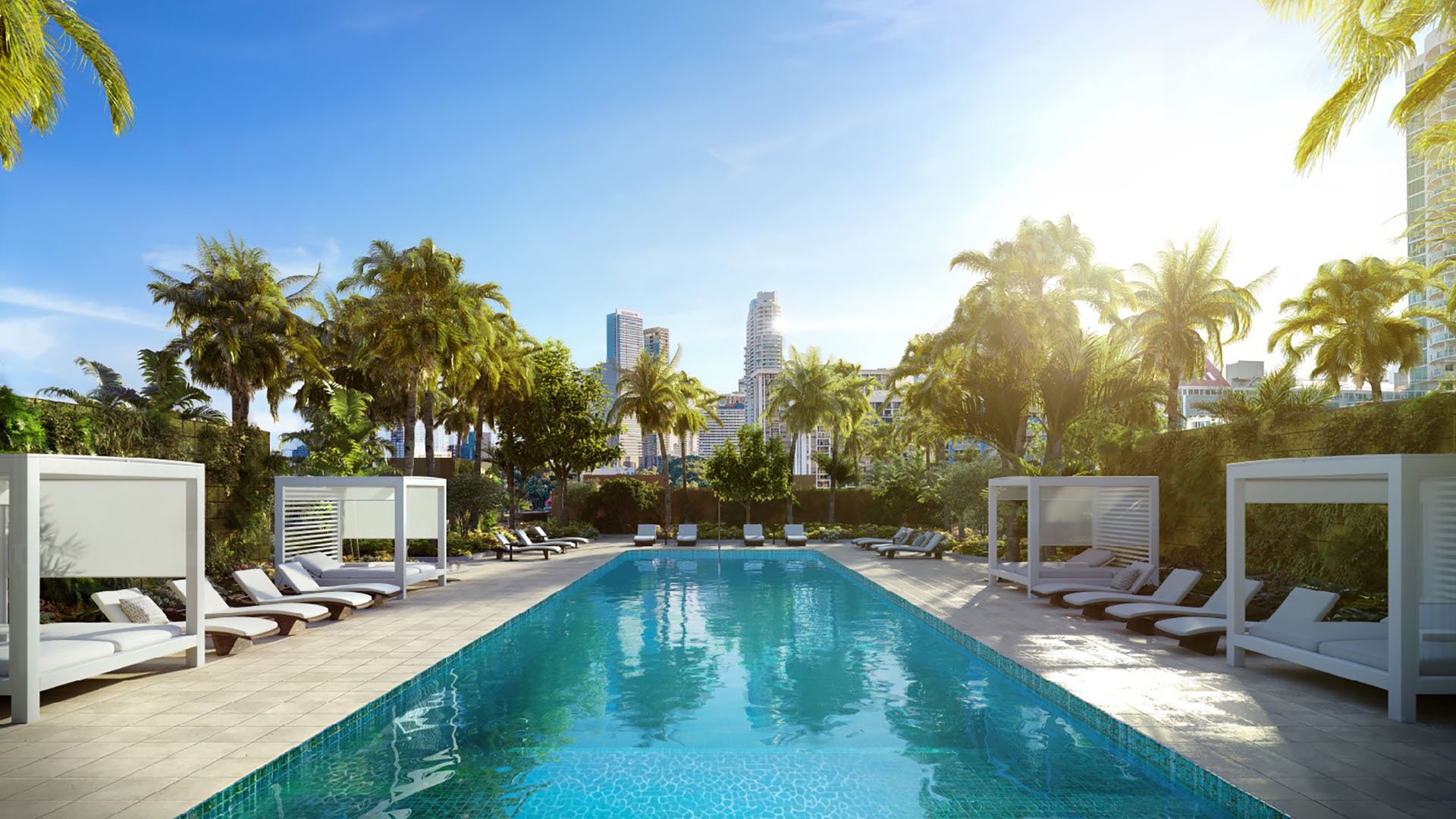
For the South Florida buyer, the second home is no longer simply a place to escape. It is a personal operating system: part retreat, part family base, part social address, part capital allocation. In 2026, the most persuasive version of that system may be the high-service condominium, where staff, building culture, amenity programming, privacy, and maintenance discipline work in concert to reduce the burden of ownership.
The appeal is not convenience alone. It is continuity. A well-run condominium can soften the complications that often accompany a second residence: arrivals after long flights, homes that sit empty, vendors requiring supervision, packages, climate control, housekeeping coordination, guest preparation, pet routines, valet movement, and family scheduling. For owners who divide time between cities, the difference between a beautiful property and a strategically useful one often lies in the experience between visits.
That is where service culture becomes a material part of the purchase decision. It can turn a residence from an occasional asset into a home that is ready when life allows, then quietly managed when life pulls the owner elsewhere.
Luxury buyers are fluent in amenities. A pool, wellness suite, private dining room, screening lounge, guest suite, fitness center, and resident salon can all be compelling. Yet the stronger question is not how many amenities a building has. It is how the building behaves.
High-service condominium culture is choreography. Does the arrival feel discreet? Is staff empowered to solve small issues before they become interruptions? Is the front-of-house team consistent? Are residents recognized without being overexposed? Is security present without feeling theatrical? Can the building support a quiet family weekend as gracefully as it supports a formal dinner before Art Week?
For the second-home owner, this culture can be especially valuable because time in residence is compressed. Every hour matters. A building that can coordinate access, receive deliveries, prepare the residence, manage guest arrivals, and reset the home after departure gives the owner something more important than an amenity menu: usable time.
The phrase lock-and-leave is often used casually, but in the upper tier it should mean more than closing the door and trusting the building. It should mean a structure of confidence. The owner wants to know that the residence is protected, the common areas are maintained, the staff is attentive, and the building’s standards do not fluctuate with the season.
This is particularly relevant across South Florida, where many owners use their homes episodically. A second residence may be occupied for holidays, school breaks, long weekends, business trips, family visits, or winter stays. The building must perform during absence as well as presence.
That performance can shape the entire second-home strategy. Instead of asking family members or household staff to manage every detail from afar, the owner can rely on a building environment designed for partial-year residency. The most successful examples feel neither like a hotel nor a traditional apartment house. They feel like private residential clubs, with the discipline of hospitality and the discretion of home.
South Florida offers several distinct second-home rhythms. Brickell can suit buyers who want urban energy, dining, finance, waterfront proximity, and an easy base for work trips. Aventura can appeal to those who value access, shopping, boating culture, and a more residential cadence. Surfside offers a quieter coastal language, prized by buyers who want beach proximity with a more composed village atmosphere.
The right choice depends less on prestige alone than on use pattern. A buyer flying in for three-night business stays may prioritize access, valet precision, and late-arrival service. A family planning long holiday periods may focus on residence layout, children’s comfort, beach routines, pets, storage, and guest management. A buyer who entertains frequently may need private dining support, wine storage, catering access, and staff who understand protocol.
This is why high-service condominium culture should be evaluated alongside architecture and view. Two buildings may offer similar residences on paper, yet live very differently. The more sophisticated buyer studies the daily cadence: lobby traffic, elevator privacy, staff tenure, package handling, guest policy, amenity reservation rules, parking flow, and the tone of the resident community.
Service quality is not accidental. It depends on governance, budgeting, staffing, resident expectations, and a board or ownership structure that protects standards over time. For the second-home buyer, this is critical because the residence must function without constant personal supervision.
A polished lobby is not enough. Buyers should understand how the building maintains common areas, how requests are handled, how vendors are controlled, how security protocols work, and how the culture balances hospitality with privacy. The goal is not to create a resort atmosphere at all costs. The goal is dependable residential service that does not feel intrusive.
This is also where investment thinking becomes more nuanced. A building with a strong service culture may support long-term desirability because it solves real problems for affluent owners. It may also create a more stable resident experience, which can matter when future buyers compare options not just by square footage, but by how the property feels to inhabit.
The 2026 second-home buyer is likely to be selective. New-construction appeal can be powerful, especially when buyers want modern infrastructure, fresh design, wellness-oriented spaces, garage convenience, smart access, and contemporary floor plans. But newness alone does not guarantee a better second-home experience.
A new project should be studied for its service thesis. Who is the building for? How many residences will share the amenity spaces? What is the arrival sequence? How will staff support owners during peak periods? How does the building handle privacy for residents who may be recognizable, high-profile, or simply unwilling to be overmanaged?
The best high-service residences are not loud about luxury. They are exacting. They understand that a second-home owner may arrive with children, luggage, guests, pets, groceries, art, security concerns, and a limited window of time. The building’s role is to make that complexity feel composed.
Rather than beginning with a view category or a brand name, buyers should begin with a personal usage brief. How often will the residence be used? Who arrives first? Will friends or extended family stay without the owner? Are there pets? Will the owner entertain? Is beach access essential, or is marina proximity more important? Does the buyer need a quiet wellness routine, a social club atmosphere, or a nearly invisible staff presence?
Once those answers are clear, the condominium search becomes sharper. A residence that looks ideal online may not suit the way the owner actually lives. Conversely, a building with fewer obvious flourishes may be superior because its staff, rules, and resident culture align with the owner’s calendar.
The best second-home strategy in South Florida is not necessarily the largest residence or the most dramatic amenity deck. It is the property that removes the most friction while preserving the most privacy. In that sense, high-service condominium culture is not a luxury add-on. It is the infrastructure that makes the second home worth returning to.
Why can a high-service condominium be better for second-home owners? It can reduce the daily management burden, especially when the owner is away for long periods. The value lies in readiness, discretion, and predictable service.
Is service culture more important than amenities? For many second-home buyers, yes. Amenities matter, but staff consistency and building operations often define the real ownership experience.
What should buyers ask before choosing a service-led building? They should ask how arrivals, deliveries, guests, maintenance access, security, and amenity reservations are handled. These details reveal how the building performs in practice.
Does a larger amenity package always mean a better building? Not necessarily. A smaller, better-managed amenity program can feel more valuable than one that is crowded or inconsistent.
Why is governance important in a luxury condominium? Governance influences staffing, maintenance standards, privacy rules, and long-term service quality. It can determine whether luxury remains consistent over time.
Can high-service living support an investment strategy? It can, if the service model strengthens usability and long-term desirability. Buyers should still evaluate costs, rules, and their own holding horizon.
Which South Florida areas suit service-focused second homes? Brickell, Aventura, and Surfside can each work for different lifestyles. The right area depends on access, privacy, beach habits, family needs, and social rhythm.
How should pet owners evaluate a second-home condominium? They should review pet policies, service access, outdoor routines, elevator convenience, and staff familiarity with resident preferences.
Is new-construction always the best choice for 2026? New-construction can offer modern systems and contemporary design, but buyers should still judge service quality, privacy, and building culture.
What is the simplest rule for choosing a second home? Choose the building that makes arrival effortless, absence manageable, and every stay feel calm. The best residence supports the owner’s life rather than competing with it.
For a tailored shortlist and next-step guidance, connect with MILLION.
If branded residences are on your mind — as a home or as an allocation — we would be glad to share what we are seeing, privately.
Begin a quiet conversation