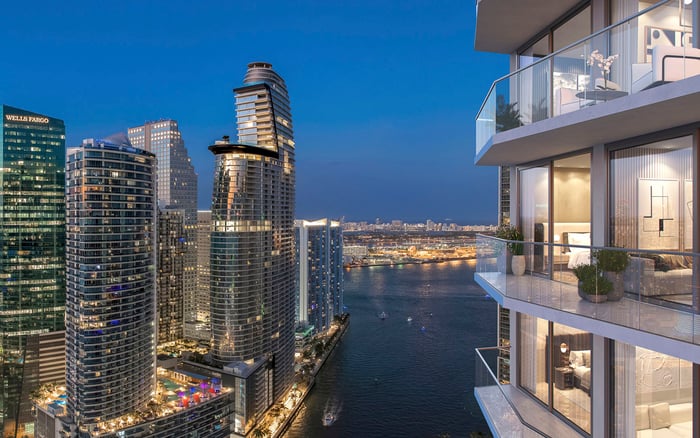
For buyers who entertain at a high level, the real due diligence starts after the showing. A private dining room may photograph beautifully, and a so-called catering kitchen may sound turnkey, but the practical test is whether the residence, its systems, and its governing documents can support the way you actually host. Before closing, buyers should verify association rules, permits, ventilation, electrical load, gas service, plumbing resilience, climate control, service circulation, and insurance implications so the entertaining program matches the promise.
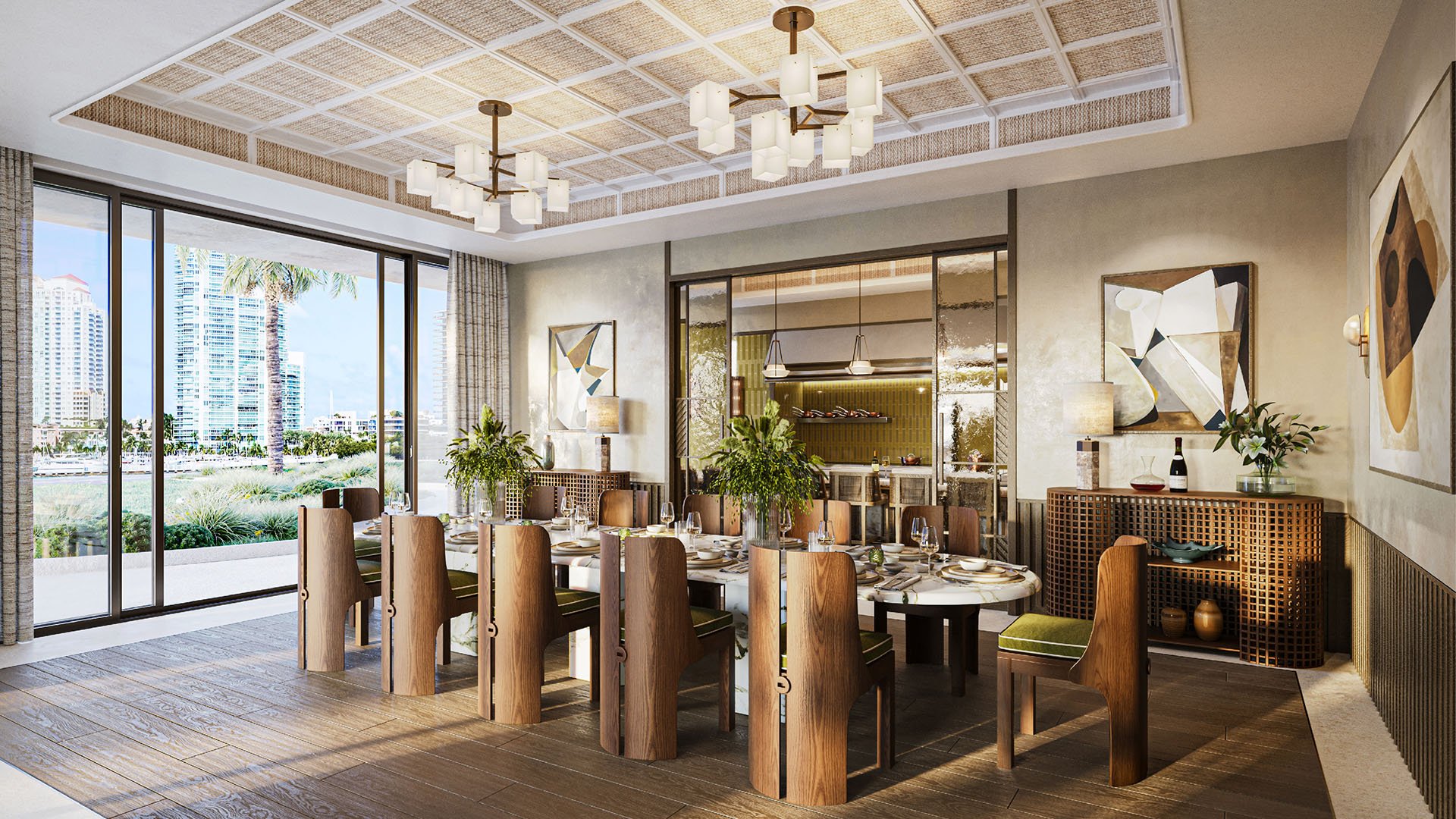
In South Florida’s upper tier, buyers often fall for residences that appear perfectly composed for dinner at home: a formal dining room, a secondary prep space, integrated refrigeration, and discreet staff circulation. Yet before closing, the right question is not whether the home looks ready for entertaining. It is whether it can perform when the guest list arrives.
That distinction matters in every format, from a full-floor residence in St. Regis® Residences Brickell to a waterfront boutique setting such as Onda Bay Harbor or an oceanfront home at The Perigon Miami Beach. In Brickell, Bay Harbor, and Miami Beach, entertaining can be shaped as much by building logistics and acoustic realities as by the square footage inside the residence itself.
A buyer who hosts six intimate dinners a year needs one standard of performance. A buyer who expects frequent catered events, outside bartenders, floral teams, and musicians needs another entirely. The costliest mistake is assuming the listing language covers both.
If the property is in a condominium or HOA, request the declaration, current house rules, and any written event or vendor policies before the end of due diligence. Restrictions on guest counts, service elevators, noise, parking, loading, common-element use, and vendor hours can materially alter the lifestyle you believe you are buying.
This is especially relevant in managed environments where valet, concierge, and security procedures become part of the entertaining sequence. Ask whether outside caterers, bartenders, florists, musicians, and event staff are permitted. Confirm whether loading dock reservations are required, whether service entries have restricted hours, and whether guest parking or valet staging can accommodate your typical event size.
For buyers considering homes in Aventura, Bay Harbor, or Fort Lauderdale towers, these details can matter more than an oversized dining room. A residence may be architecturally ideal yet still prove cumbersome if every vendor must arrive within a narrow delivery window or if guest check-in creates delays.
One of the most important questions before closing is what the term catering kitchen actually means in the seller’s marketing. In many cases, it describes a beautifully upgraded secondary kitchen suited to private residential use. That is not the same as a licensed commercial food-service facility.
If the space is represented as commercial, verify licensing and inspection status. Then ask for copies of permits covering build-outs, venting, plumbing, gas, and electrical work. Unpermitted changes can become the buyer’s problem after closing, particularly where heavy equipment, altered exhaust paths, or specialty appliances were added.
This issue appears in both resale and new-construction inventory. In a polished new tower such as Una Residences Brickell, buyers may assume every entertaining element was designed for event-scale use. In single-family homes and renovated condominiums alike, assumptions are dangerous. Verification is better.
A conventional home inspection is not enough if entertaining is central to your purchase. Have a specialist review food-prep areas, equipment connections, drainage, ventilation, and the practical support systems behind the kitchen.
Start with ventilation. If the residence includes high-output cooktops, heavy-duty ranges, or commercial-style equipment, confirm that the exhaust setup is code-compliant and appropriate for the intended use. Then verify gas service details and code-compliant installation where gas appliances are present.
Electrical capacity deserves equal scrutiny. Ask whether the panel configuration can support ovens, warming drawers, refrigeration, dishwashers, undercounter units, and the smaller appliances that appear during service. Confirm whether refrigerator and freezer units are on dedicated circuits and whether backup power protects them during an outage. For buyers in South Florida, that is not a theoretical question.
Plumbing also changes character during entertaining. Test water pressure and hot-water recovery under simultaneous kitchen and guest use. If the property is set up for high-volume food prep, ask whether grease interceptors or related plumbing systems were installed and maintained. Improper grease handling can create maintenance and drainage issues that do not surface during a leisurely showing.
Finally, request maintenance records for specialty appliances, refrigeration, plumbing, and ventilation systems. Deferred service in an entertaining kitchen rarely stays inexpensive once ownership changes hands.
Great entertaining depends on choreography. Food should move cleanly from prep to plating to dining without crossing the formal living room with rolling equipment and staff traffic.
Before closing, walk the route from kitchen to pantry to dining room and, if relevant, to any staff corridor or service elevator. Measure door widths and turning clearances. If the building relies on elevator access, ask whether caterers can move rolling equipment efficiently and whether flooring along the route will tolerate repeated service traffic.
This is where polished design can conceal practical weakness. A dramatic room may be perfect for photographs and frustrating for service. Buyers in Coconut Grove and Coral Gables often prioritize gracious entertaining layouts, but even there the relationship between prep space and presentation space matters more than the listing prose.
In a design-forward address such as Villa Miami, Edgewater buyers may be drawn to bold dining and waterfront entertaining settings. The prudent next step is to test whether circulation supports the way an actual evening unfolds, not merely how a staged residence appears at noon.
A private dining room should remain composed at full occupancy. Ask whether the dining area and kitchen benefit from independent HVAC zoning or notably strong climate control. Entertaining loads heat a space quickly, and comfort issues often emerge only when the room is full, the ovens are on, and staff are moving.
In multi-unit buildings, also ask about sound transmission and any complaint history tied to hosted dinners or regular gatherings. Even when events are private and tasteful, repeated noise concerns can create friction with neighbors and trigger stricter rule enforcement.
For oceanfront buyers in Miami Beach, Sunny Isles, or Broward coastal towers, this point is often overlooked because the residence itself feels expansive and insulated. Yet walls, corridors, elevator lobbies, and adjacent units may tell a different story after dark.
Ask about seating capacity based on actual dimensions and floor plans rather than listing language. Better still, bring your planner or caterer for a pre-closing walkthrough to test realistic guest flow. A room that seats 14 formally may not support the same number comfortably once service stations, floral scale, or circulation are considered.
Safety should be reviewed just as carefully. Confirm sprinkler coverage, egress, and any required suppression systems in cooking areas if frequent or high-intensity entertaining is part of your plan. Then speak with your insurer about whether frequent private events, alcohol service, outside staff, or commercial-style equipment affect homeowners or umbrella liability coverage.
For serious hosts, this is not excessive diligence. It is the difference between owning a residence that welcomes your life and owning one that quietly resists it.
What is the first document I should request before closing? Ask for the governing documents, house rules, and any written event or vendor policies if the property is in a condo or HOA.
Is a catering kitchen the same as a commercial kitchen? Not necessarily. A luxury secondary kitchen may still be residential in status and should not be assumed to be commercially licensed.
Why do permits matter so much for entertaining spaces? Unpermitted kitchen, gas, electrical, plumbing, or venting work can become your correction cost after closing.
Should I rely on a standard home inspection? No. If entertaining is central to the purchase, bring in a specialist to inspect food-prep areas and support systems.
What should I ask about ventilation? Confirm that exhaust and ventilation are appropriate and code-compliant, especially with heavy cooking or commercial-style equipment.
How do I assess whether the layout works for events? Walk the full service route and measure clearances so caterers are not forced through formal spaces with rolling equipment.
Do HVAC questions really matter for a dining room? Yes. Large dinners raise room temperature quickly, so strong climate control or independent zoning is highly desirable.
What building logistics affect entertaining the most? Vendor permissions, service-hour rules, loading access, parking, valet staging, and guest security procedures often matter most.
Should I ask about sound complaints in a luxury building? Absolutely. A history of noise complaints can signal future friction if you host regularly.
What insurance question should I raise before closing? Ask whether private events, alcohol service, outside staff, or commercial-style equipment change your liability or umbrella coverage.
For a discreet conversation and a curated building-by-building shortlist, connect with MILLION.
If branded residences are on your mind — as a home or as an allocation — we would be glad to share what we are seeing, privately.
Begin a quiet conversation