Airport access can be a meaningful resale advantage in South Florida when it aligns with the buyer profile, lifestyle rhythm, building positioning, and the quiet luxury expectations of a specific submarket.
In South Florida luxury real estate, airport access is rarely the headline amenity. Ocean views, architecture, service, privacy, school proximity, marina access, walkability, and brand pedigree typically lead the conversation. Yet for the right residence, in the right submarket, airport convenience can become a subtle but meaningful resale advantage.
The issue is not simply distance to an airport. Proximity alone can be an incomplete, and sometimes misleading, measure of value. The sharper question is whether airport access supports the lifestyle of the most probable future buyer. A pied-à-terre owner, international family, private wealth executive, seasonal resident, or frequent host may each weigh mobility differently. For these buyers, the experience between residence and departure gate can influence how often a home is used, how effortless it feels, and how confidently it will be considered by the next purchaser.
Airport access is best treated as a resale advantage when it adds utility without compromising the qualities that define luxury: quiet, privacy, arrival experience, and a sense of remove.
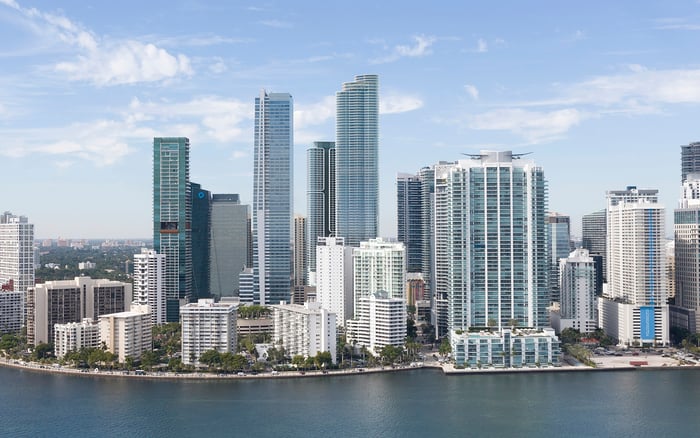
Aviation convenience matters most when the target buyer is likely to travel frequently. In a financial and professional center such as Brickell, a purchaser considering 2200 Brickell may view access through a practical lens: business travel, short stays, and efficient returns to the residence. In that context, airport access is not a novelty. It is part of the ownership rhythm.
The same logic applies differently for branded towers and service-oriented residences. A buyer evaluating St. Regis® Residences Brickell may already expect a polished arrival sequence, attentive staff, and a high standard of convenience. If airport access reinforces that broader ease, it can support the property’s long-term appeal.
By contrast, a buyer seeking a primary family residence may rank airport convenience below school access, neighborhood character, outdoor space, and daily amenities. For that buyer, airport access may still matter, but it is unlikely to carry the same resale weight unless it coexists with the broader fundamentals.
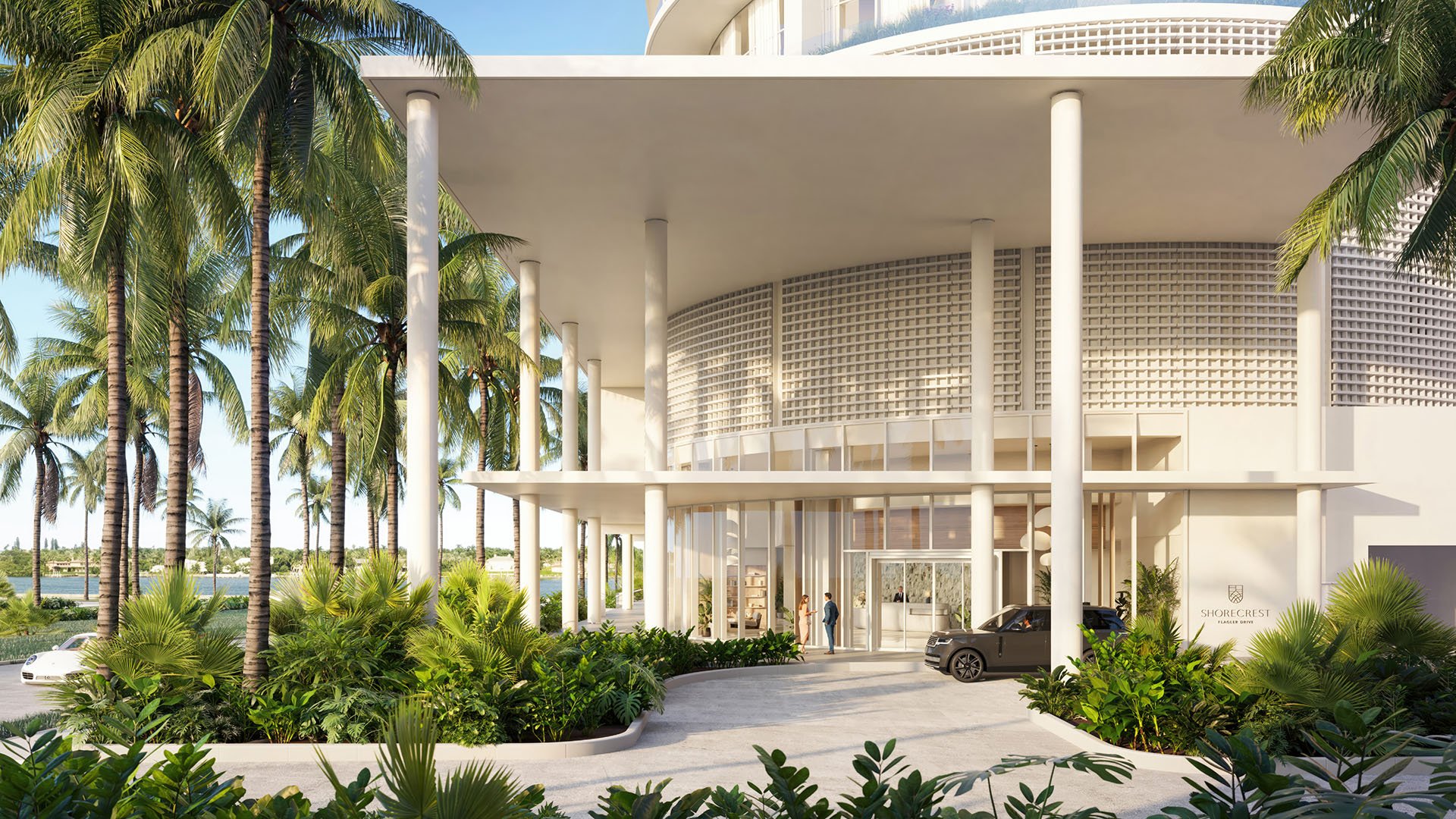
Luxury buyers do not reward convenience when it introduces unwanted friction. A residence can be easy to reach yet still feel compromised if the approach lacks elegance, if traffic patterns are stressful, or if the location reads as more transitional than residential. In the upper tier, the journey matters.
This is where nuance becomes critical. The strongest airport-access story is not the shortest theoretical trip. It is the most reliable, graceful, and low-stress connection. Buyers respond to consistency: a route that feels intuitive, a building with effortless valet service, and a neighborhood that remains desirable once the suitcase is unpacked.
Privacy also matters. Frequent travelers may want convenience, but they do not want to feel exposed. A home that allows easy movement while preserving serenity will typically read better than one that advertises access but sacrifices atmosphere.
In coastal and resort-oriented areas, airport access should be framed as part of the second-home experience. A residence such as The Perigon Miami Beach may appeal to a buyer who wants the beach lifestyle to begin quickly after arrival. Here, the resale argument is emotional as much as logistical: less transition, more time in the residence, and a smoother shift from travel to leisure.
In Fort Lauderdale, airport access can be relevant for buyers balancing waterfront living, yachting, dining, and regional mobility. At Four Seasons Hotel & Private Residences Fort Lauderdale, the value proposition is not only about movement. It is about pairing a refined residential environment with the practical needs of owners who come and go often.
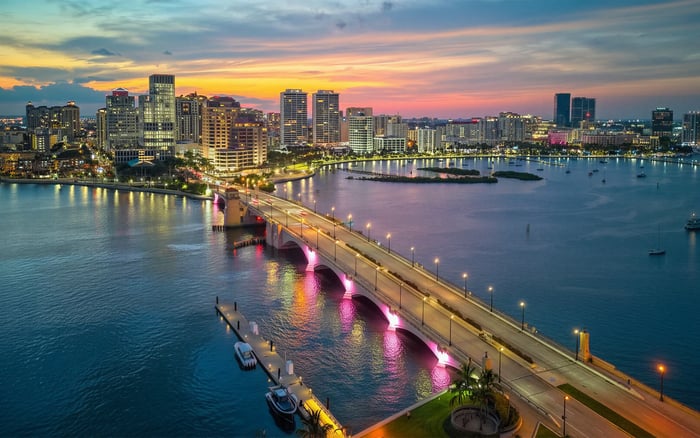
In West Palm Beach, airport access can support the appeal of a residence when it complements a quieter, more composed lifestyle. A buyer considering Alba West Palm Beach may value the ability to move easily while still prioritizing waterfront setting, neighborhood feel, and long-term livability.
Airport access deserves emphasis when it is genuinely aligned with the property’s buyer pool. It is especially relevant for second homes, executive residences, branded condos, residences with concierge service, and properties likely to attract out-of-market buyers. In these cases, the phrase should be used with restraint and specificity. The goal is to suggest ease, not oversell proximity.
A well-positioned listing might reference seamless regional mobility, convenient travel access, or an effortless lock-and-leave lifestyle. These phrases are more elegant than reducing the home to a commute calculation. Luxury language should preserve the property’s identity while making the practical benefit clear.
It is also wise to emphasize airport access when competing properties offer similar views, finishes, and amenities. In a close comparison, travel convenience can become the quiet differentiator that helps a buyer justify one residence over another.
There are times when airport access should not lead the resale narrative. If the property’s strongest value lies in beachfront rarity, architectural significance, private dockage, school zoning, or estate-scale privacy, airport access should support the story rather than define it.
It should also remain secondary when the location’s luxury appeal depends on escape. Some buyers choose South Florida precisely because a residence feels apart from the machinery of travel and business. For them, too much emphasis on airports can make the home feel transactional rather than restorative.
The most sophisticated positioning recognizes hierarchy. Airport access can be a strong supporting note, but it should not overpower the features that make the residence emotionally compelling.
The cleanest way to judge airport access is to ask whether the next likely buyer would treat it as valuable enough to influence a decision. If the answer is yes, it belongs in the resale analysis. If the answer is only that it sounds convenient, it may be a minor benefit rather than a pricing driver.
Investment-minded buyers should be especially disciplined. Airport access can broaden the buyer pool, strengthen the appeal of a lock-and-leave residence, and support repeat use by owners who travel often. But it does not replace fundamentals. Architecture, views, building management, neighborhood desirability, maintenance quality, and scarcity still carry the greater long-term burden.
In the best cases, airport access is an amplifier. It makes an already compelling residence easier to own, easier to use, and easier to resell.
Is airport access always a resale advantage in South Florida? No. It matters most when it aligns with the likely buyer’s lifestyle, travel habits, and expectations for convenience.
Should buyers prioritize the closest property to an airport? Not necessarily. Reliability, privacy, neighborhood quality, and the arrival experience can matter more than simple proximity.
Does airport access matter more for condos or single-family homes? It often carries more weight for lock-and-leave condos, but it can matter for any property serving frequent travelers.
Can airport access help an investment property? Yes, when the residence appeals to mobile owners or seasonal users, but it should support rather than replace core fundamentals.
How should sellers describe airport access? Sellers should use refined language around ease, mobility, and convenience without making the residence feel travel-centric.
When should airport access be secondary? It should be secondary when the stronger story is oceanfront rarity, privacy, architecture, boating, or family livability.
Does Brickell benefit from airport access as a selling point? Brickell can benefit when buyers value business mobility, efficient short stays, and a polished urban lifestyle.
Is airport access important for beach residences? It can be, especially for second-home buyers who want the leisure experience to begin soon after arrival.
Can too much emphasis on airport access hurt positioning? Yes. In luxury marketing, overemphasizing logistics can make a home feel less serene or less emotionally distinctive.
What is the best way to shortlist comparable options for touring? Start with location fit, delivery status, and daily lifestyle priorities, then compare stacks and elevations to validate views and privacy.
For a tailored shortlist and next-step guidance, connect with MILLION.
If branded residences are on your mind — as a home or as an allocation — we would be glad to share what we are seeing, privately.
Begin a quiet conversation