A buyer-oriented comparison of the Las Olas lifestyle and the broader Fort Lauderdale market, focusing on beach access, bayfront living, school planning, privacy, and the way ultra-premium clients should frame a discreet search.
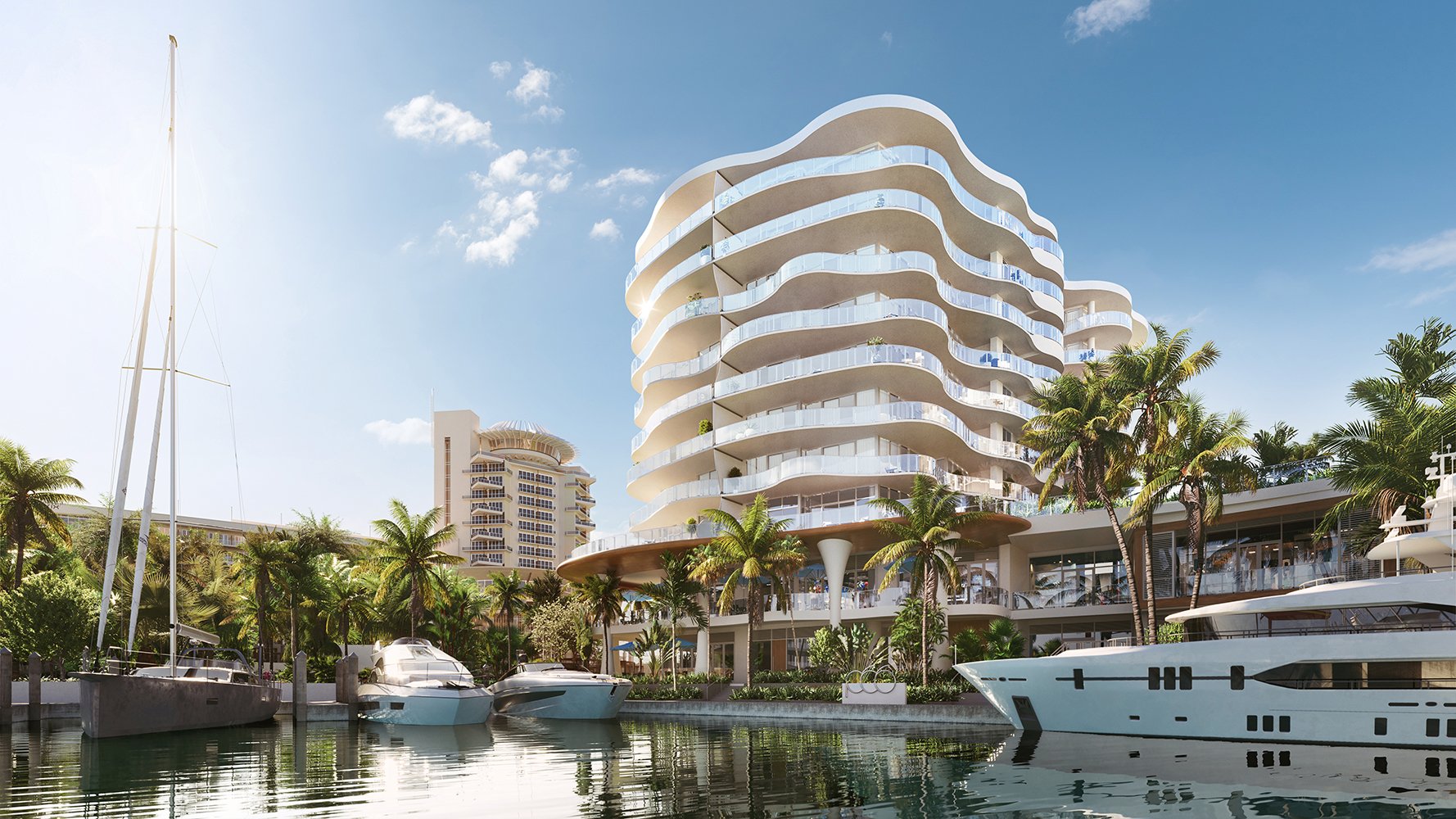
The first distinction is simple but important: Las Olas is not separate from Fort Lauderdale. It is one of the ways many buyers experience the city. For a luxury purchaser, the comparison is less about a boundary on a map than about how daily life feels when the priorities are restaurants, walkability, waterfront atmosphere, beach proximity, family logistics, or a quieter sense of retreat.
That is why the question should not be which is better. It should be which version of Fort Lauderdale better serves a specific household. A pied-a-terre buyer may want energy close at hand. A boating family may care more about water orientation and ease of movement. A privacy-driven owner may prefer a residence where arrival, elevator access, sightlines, and service circulation feel controlled.
The strongest searches begin with a hierarchy: beach first, bay first, schools first, or privacy first. Once that order is clear, the Las Olas versus wider Fort Lauderdale decision becomes more precise.
For many buyers, beach access is not merely a weekend amenity. It is part of the daily ritual, shaping morning exercise, guest appeal, seasonal use, and resale narrative. In the Fort Lauderdale market, the beach conversation often turns on how easily an owner can move between residence, sand, dining, and marina-oriented social life.
A buyer considering Four Seasons Hotel & Private Residences Fort Lauderdale may be drawn to a polished coastal lifestyle with hospitality cues, while another buyer may prefer to remain closer to the Las Olas orbit and let the beach serve as one part of a broader city routine. Neither approach is inherently superior. The distinction is whether the owner wants the beach to define the home or simply enrich it.
The wider Fort Lauderdale search can also appeal to buyers who want to separate public energy from private life. A residence can feel close to the coast without placing the owner inside the busiest part of the beach experience. That nuance matters for clients who entertain selectively, travel often, or want their South Florida home to feel restorative rather than performative.
Waterfront living is often reduced to the word view, but sophisticated buyers understand the difference between a beautiful outlook and a residence that genuinely functions around water. Orientation, approach, natural light, balcony usability, exposure, and the relationship between interior rooms and exterior space all shape the lived experience.
In this context, Waterview is not decoration. It is a planning principle. A buyer should ask how the primary suite wakes up, how the living room receives guests, how the terrace feels at different times of day, and whether the water presence is serene or visually busy. The answer can vary widely among residences that sound similar in listing language.
Projects such as Riva Residenze Fort Lauderdale speak to buyers who want to evaluate Fort Lauderdale through a water-oriented lens rather than a purely beach-oriented one. The same applies to clients comparing a more urban Las Olas pattern with a calmer bay or riverfront sensibility. The better question is not simply, “Do I have water?” It is, “Does the water improve the way I will live?”
School considerations can be decisive, but they should be handled with care. Luxury buyers often arrive with different assumptions: some plan around private admissions, some compare public-zone possibilities, and others prioritize international curricula, tutoring access, extracurricular logistics, or a second-home calendar. The right residence is the one that supports the household’s actual week.
For families comparing Las Olas with broader Fort Lauderdale, commute tolerance is central. A short drive at the wrong time can feel very different from a longer, predictable route. Families should test morning and afternoon patterns, think through sports and arts schedules, and consider whether grandparents, caregivers, or visiting relatives will also participate in the routine.
The most elegant home can underperform if school logistics create daily friction. Conversely, a slightly less obvious location can become more valuable to the family if it produces calmer mornings, easier pickups, and a better rhythm between work, school, beach, and dining.
Privacy is rarely captured fully in marketing photography. It is experienced through arrival, valet sequence, lobby scale, elevator access, corridor design, terrace exposure, neighboring sightlines, staff circulation, and the way guests move through the building. It is also emotional. Some buyers want to feel part of the city. Others want to disappear.
A Las Olas-oriented buyer may accept more visible energy in exchange for convenience and atmosphere. A wider Fort Lauderdale buyer may seek a more buffered experience, especially when the residence is used for family time, remote work, or discreet entertaining. The difference is subtle, but meaningful.
Residences such as Sixth & Rio Fort Lauderdale can enter the conversation when buyers want to consider a city-connected address without losing sight of privacy and livability. Meanwhile, buyers looking toward the coast may evaluate St. Regis® Residences Bahia Mar Fort Lauderdale as part of a broader discussion about branded living, waterfront identity, and a controlled residential experience.
The most effective comparison is personal. Begin with a clear use case. Is this a primary residence, a winter base, a family compound, or a low-maintenance South Florida retreat? Then assign weight to each factor: beach, water, schools, privacy, dining, boating, guest access, service, and future flexibility.
Marina proximity may matter deeply to one buyer and very little to another. A walkable dinner scene may be essential for a couple and irrelevant for a family that entertains at home. A dramatic water exposure may be ideal for a seasonal owner but less compelling for someone who values shaded terraces and quiet mornings. These are not small preferences. At the high end, they determine whether a property will feel effortless.
Las Olas is strongest for buyers who want an immediate relationship with the city’s social and dining texture. Broader Fort Lauderdale opens the aperture, allowing a search to include more varied interpretations of beach, bay, and privacy. The best answer is often not Las Olas or Fort Lauderdale. It is the precise address, building, floor, exposure, and service model that match the owner’s private life.
Is Las Olas separate from Fort Lauderdale? No. Buyers commonly use Las Olas as a lifestyle reference within Fort Lauderdale, especially when comparing walkability, dining, and urban energy.
Which is better for beach-focused buyers? Beach-focused buyers should prioritize ease of access, daily rhythm, and whether the home’s identity is coastal or simply close to the coast.
Is bayfront living always more private than beach living? Not always. Privacy depends on building design, sightlines, arrival sequence, neighboring exposure, and how the residence is used.
How should families compare school options? Families should test commute patterns, admissions timing, extracurricular needs, and caregiver logistics before committing to a location.
What matters most for a second home? A second home should be easy to arrive at, easy to maintain, and aligned with how often guests, family, and service providers will use it.
Should buyers prioritize Las Olas walkability? They should if dining, social access, and urban convenience are central to daily life. If quiet retreat matters more, the search should widen.
Does a Waterview automatically create higher livability? No. The quality of the view, terrace usability, light, privacy, and room orientation all shape whether it enhances daily living.
When does Marina access become important? It becomes important when boating, guest arrivals, waterfront social life, or the broader nautical routine is part of the ownership plan.
Are branded residences the right fit for privacy-minded buyers? They can be, provided the building’s access, service culture, and residential separation match the buyer’s expectations.
What is the safest way to compare options? Build a priority order first, then evaluate each residence against actual routines rather than relying on neighborhood reputation alone.
When you're ready to tour or underwrite the options, connect with MILLION.
If branded residences are on your mind — as a home or as an allocation — we would be glad to share what we are seeing, privately.
Begin a quiet conversation