A discreet buyer-focused guide to evaluating whether a proposed residence at Vita at Grove Isle can accommodate a panic room, with emphasis on structure, building rules, systems, access, privacy, and timing before commitments become difficult to revise.
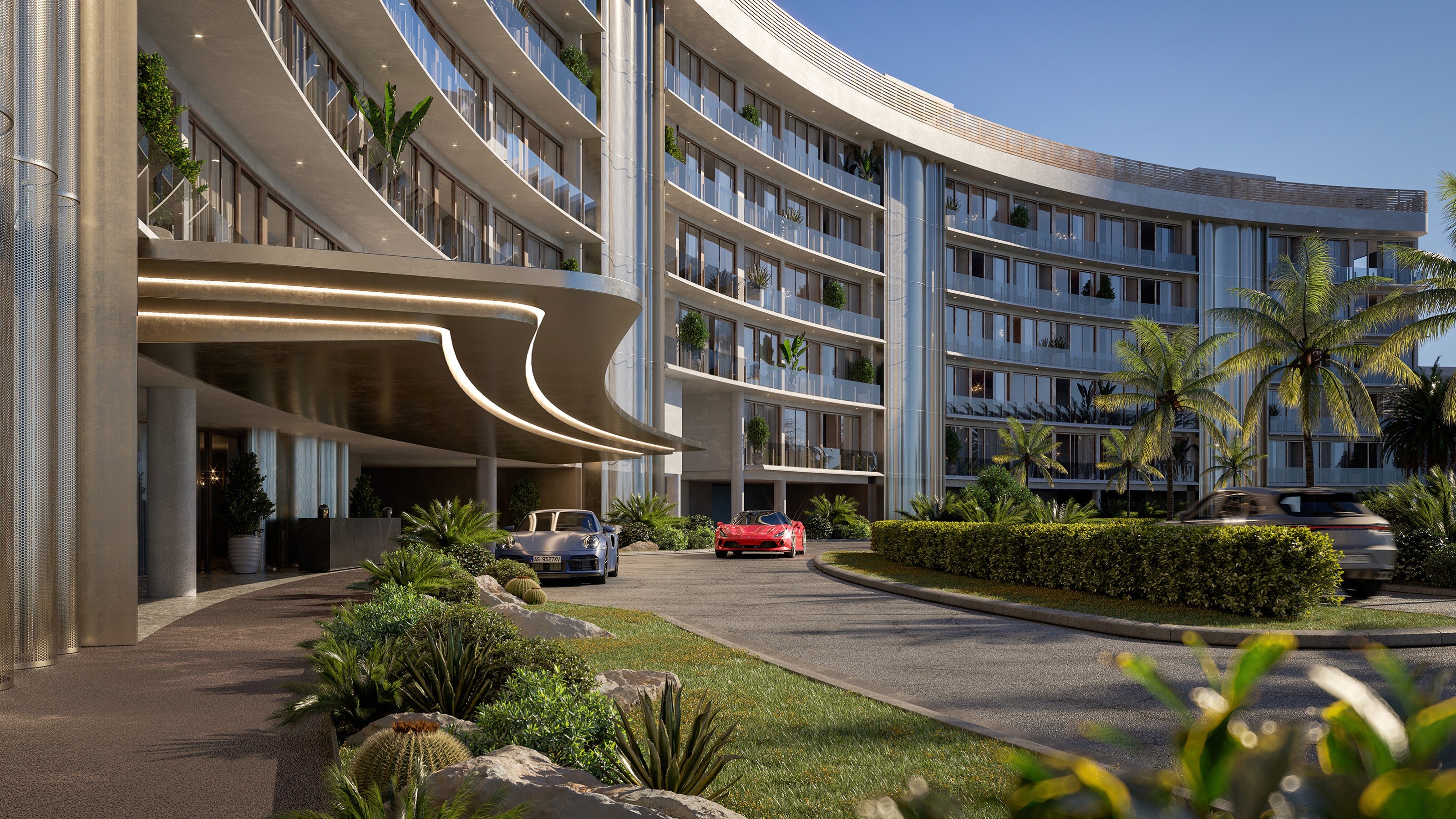
For a certain tier of South Florida buyer, private security is not theater. It is part of a broader planning conversation that may include controlled access, discreet staff movement, protected storage, redundant communications, and a carefully designed refuge space. At Vita at Grove Isle, the essential question is not whether a rendering makes a room appear serene or substantial. It is whether the residence, the building, and the governing framework can support the technical requirements of a true panic-room concept.
A panic room is often better understood as a hardened refuge. It may be modest in size, visually quiet, and fully integrated into the interior architecture. Its value depends less on drama than on disciplined planning: location, access, structure, ventilation, communications, power, door assembly, concealment, and the approvals required to install or modify any of those elements.
The same scrutiny applies when buyers compare other Coconut Grove addresses, whether evaluating Four Seasons Residences Coconut Grove, studying floor-plan flexibility at Park Grove Coconut Grove, or considering the wellness-driven residential language at The Well Coconut Grove. A polished sales image can frame a lifestyle, but it does not certify buildability.
The most productive approach is to define the intended function before asking whether a plan can accommodate it. Is the room meant for short-duration shelter, secure storage, staff protocol, protected communications, or a combination of uses? A buyer who simply asks for a panic room may receive a vague answer. A buyer who asks for a specific performance brief moves closer to the truth.
The first layer is placement. Interior rooms may offer privacy and concealment, but they can raise questions about air supply, mechanical routing, and communications reliability. Rooms near primary suites may be convenient, but convenience is not the only metric. The location should be reviewed in relation to circulation, sightlines, entry points, service corridors, and how people would reach the space under stress.
The second layer is structure. A hardened room is not merely a room with a heavy door. Wall assemblies, ceiling conditions, anchoring points, slab penetrations, and load implications may all require professional review. In a condominium setting, buyers should be especially careful about assumptions. Elements that appear private may still interact with common systems, structural components, or building rules.
Some buyers may frame the wish list around new construction, pre-construction, gated community living, water views, and terrace space, but the meaningful diligence is less about marketing vocabulary and more about whether the architecture can support a secure, code-compliant, and approvable installation.
In a single-family home, the owner typically has more direct control over alterations, subject to code and permitting. In a condominium, the inquiry is more layered. The declaration, rules, alteration agreement, architectural review process, insurance requirements, contractor access procedures, and life-safety constraints can all affect feasibility.
For buyers at Vita at Grove Isle, the due-diligence file should include more than finish schedules and amenity descriptions. It should include the documents that determine what can be altered, when work can be performed, who must approve it, and whether certain penetrations, reinforcements, or equipment installations are restricted. If the residence is not yet delivered, the buyer should also understand what can be coordinated during construction versus what would be treated as a post-closing alteration.
That timing can be decisive. A concealed conduit, dedicated line, reinforced opening, or specialty door condition may be simpler to plan early than to retrofit later. Conversely, a buyer should not assume that early coordination guarantees approval. The correct path is to align the design team, security consultant, building representative, and legal review before a concept becomes a costly expectation.
A credible refuge space requires more than thicker walls. Ventilation is one of the first technical questions. If a room is intended to be occupied with the door secured, the air strategy must be reviewed carefully. That review should consider supply, return, filtration goals, noise, maintenance access, and whether any proposed system affects building infrastructure.
Communications are equally important. Mobile reception can be inconsistent in enclosed or reinforced spaces, so buyers should ask how voice, data, emergency contact, and backup communication would function if the main residence systems are compromised. A panic room without reliable communication may feel substantial while performing poorly.
Power is another core issue. Lighting, charging, cameras, access controls, communications hardware, and ventilation may require backup planning. The buyer should ask what can be supported within the residence and what depends on building systems. If battery backup is contemplated, its location, heat, maintenance, and approval pathway should be addressed.
Door hardware deserves special attention. The door is often the most visible security component, but it cannot be considered in isolation. Frame anchoring, surrounding wall construction, swing direction, threshold design, access control, emergency release, and aesthetic integration all matter. A beautiful door that overpowers its surrounding assembly may create a false sense of security.
In luxury real estate, overt security can undermine the calm buyers are trying to create. The best solutions tend to disappear into the architecture. Millwork, dressing rooms, libraries, private offices, and secondary closets can sometimes provide a design language for concealment, but concealment should never override safety, access, or approvals.
This is where an interior designer and a security consultant should be in the same conversation. A designer may understand atmosphere, proportions, and finish continuity. A security consultant may understand hardware, communications, and refuge protocols. The architect or engineer can then determine what is physically and legally viable.
Discretion also affects resale. Future buyers may value a well-integrated secure room, but they may resist a space that feels paranoid, awkward, or overly customized. A flexible design is often more resilient: a private office that can function as a refuge, a dressing room with enhanced security, or a storage room with carefully planned systems may have broader appeal than a space that announces itself too forcefully.
Before treating panic-room feasibility as part of the purchase rationale, the buyer should request a written pathway. That does not mean every detail must be finalized before a contract decision, but assumptions should be replaced with accountable review.
Ask whether the proposed location affects structure, fire/life-safety systems, mechanical systems, plumbing, electrical pathways, sprinklers, alarms, or common elements. Ask who has authority to approve the work. Ask whether the developer, association, design review body, or municipality would need to review any portion of the plan. Ask whether specialty consultants can inspect drawings under appropriate confidentiality.
The buyer should also determine whether the feature is to be delivered by the project team, coordinated as a buyer upgrade, or installed after closing. Each route has a different risk profile. Early coordination may offer cleaner integration, but it requires clear documentation. Post-closing work may offer more control over vendor selection, but it can be constrained by building rules, occupied-neighbor conditions, and access limits.
The central principle is simple: do not buy the rendering. Buy the verified possibility. At the ultra-prime level, the most elegant security features are often the ones that required the most disciplined questioning before anyone saw them.
Can a panic room be confirmed from a rendering? No. A rendering can suggest a design intention, but feasibility depends on structure, systems, approvals, and detailed construction documents.
What is the first question a buyer should ask? Ask what the room is expected to do. A short-duration refuge, secure storage area, and communications hub may each require different planning.
Does a heavy door make a room a panic room? Not by itself. The surrounding walls, frame, hardware, ventilation, communications, and access strategy must work together.
Why do condominium rules matter? Condo rules can govern alterations, contractor access, penetrations, insurance, work hours, and approvals involving shared systems or structural elements.
Should the review happen before closing? Ideally, yes. Early review can identify constraints before expectations become expensive or difficult to change.
Who should be involved in the review? A buyer may need counsel, an architect, an engineer, a qualified security consultant, and the appropriate building representative.
Can a panic room be designed discreetly? Yes. Many buyers prefer a room that blends into a study, dressing area, closet, or private suite rather than announcing its purpose.
Is ventilation really necessary for a refuge space? Yes, if the room is intended for occupied use while secured. Air supply, comfort, filtration goals, and maintenance access should be reviewed.
Can communications fail inside a hardened space? They can. Reinforced or enclosed conditions may affect signal strength, so backup communication planning should be part of the brief.
What is the best way to shortlist comparable options for touring? Start with location fit, delivery status, and daily lifestyle priorities, then compare stacks and elevations to validate views and privacy.
For a confidential assessment and a building-by-building shortlist, connect with MILLION.
If branded residences are on your mind — as a home or as an allocation — we would be glad to share what we are seeing, privately.
Begin a quiet conversation