A refined guide to evaluating quiet recovery zones as a core floor-plan consideration in South Florida luxury residences, from adjacency and glazing to airport, marina, amenity and nightlife noise exposure.
In the upper tier of South Florida real estate, wellness is often presented through visible amenities: spa suites, plunge pools, treatment rooms and fitness pavilions. Yet one of the most valuable wellness features may be less theatrical. It is the quiet recovery zone: a room or subzone planned for restoration by limiting intrusive sound, glare, movement and competing activity.
This is not simply a den with softer furnishings or a bedroom with better linens. It is a spatial decision. A true recovery zone is shaped by where it sits in the plan, what touches it, how sound reaches it, how doors align, what the glazing faces and which mechanical systems may be nearby. For a frequent traveler, a founder working across time zones, or a household that entertains often, controlled quiet can matter more than a larger flexible room in the wrong location.
Quiet is not a decorative mood. It is a performance attribute that belongs in the same conversation as daylight, privacy, circulation and everyday livability.
A recovery zone should be judged by function before label. The brochure may call it an office, den, wellness room, staff room, media lounge or secondary bedroom. None of those names guarantees suitability. The better question is whether the room can maintain a predictable acoustic environment when the rest of the home, building and neighborhood are active.
The strongest candidates are often interior rooms buffered by closets, baths, storage, vestibules or secondary halls. These in-between spaces help separate rest from activity. A small room protected by a walk-in closet and a quiet corridor may outperform a larger den that opens directly to the great room.
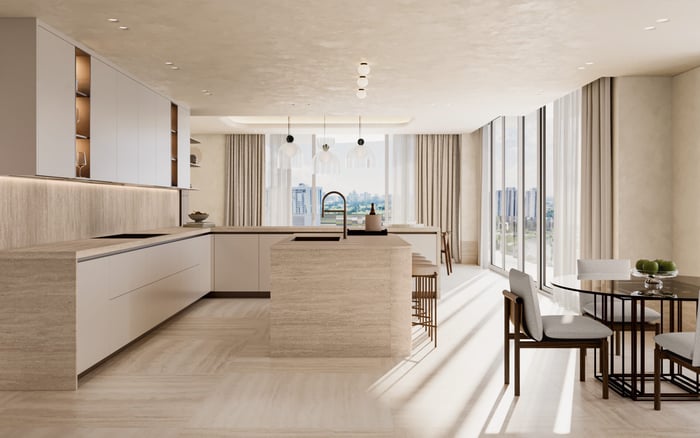
Door placement matters. A recovery room with its door aligned to the kitchen, elevator foyer or entertainment zone can receive sound through circulation paths. Open plans are elegant for hosting, but they can also allow voices, music and appliance noise to travel. A den beside an open kitchen may be beautiful for daytime laptop use yet weak for post-flight recovery or late-night sleep.
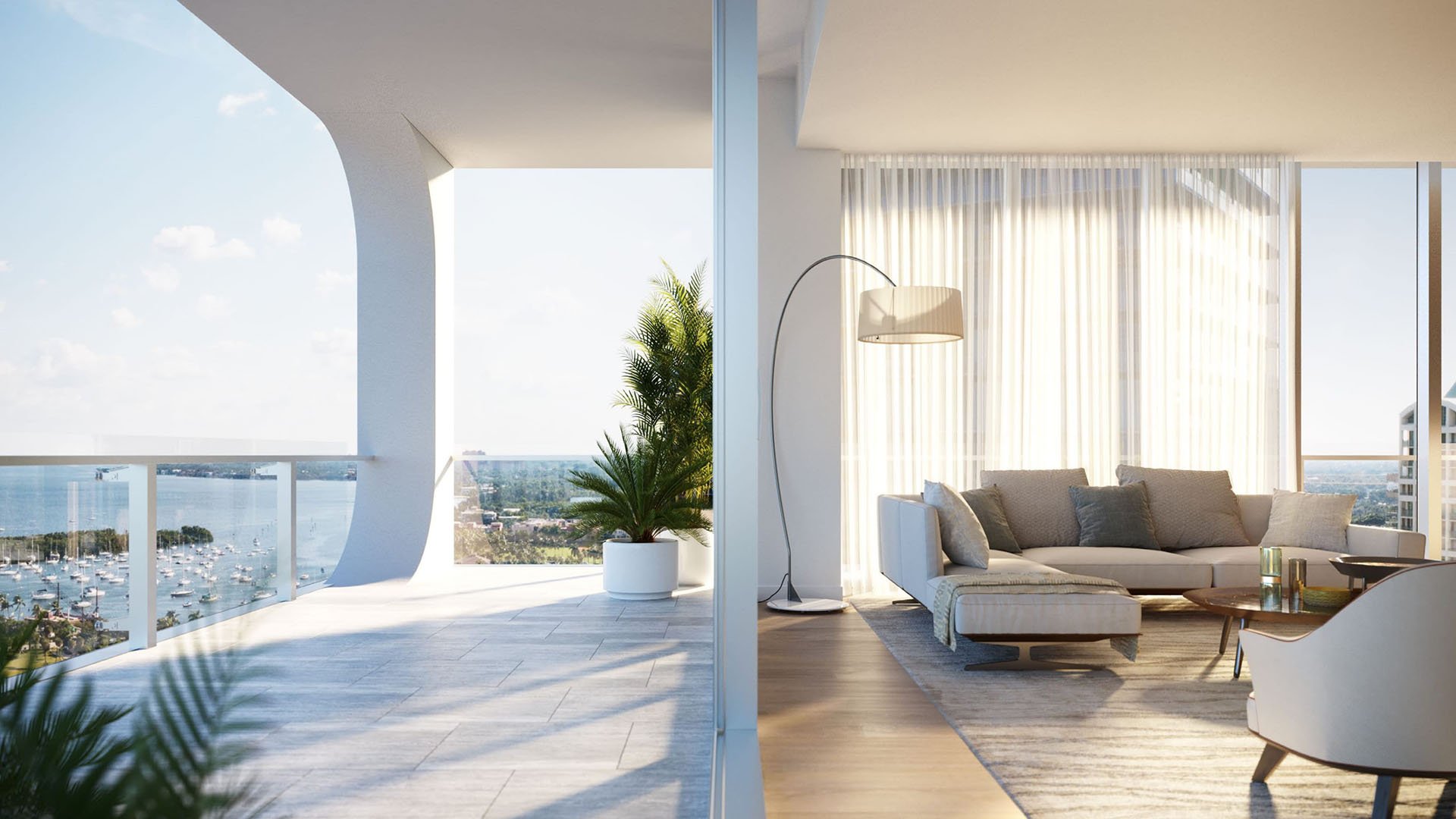
Glazing matters as well. Expansive glass is one of South Florida’s defining luxuries, but a room facing a dominant exterior noise source deserves closer evaluation. The goal is not to reject views. It is to understand whether the room chosen for recovery is exposed to the most active side of the site.
South Florida’s premium residential settings are rarely quiet in the same way. Brickell may bring vertical density, traffic, hospitality energy and building-service activity. Aventura can place residences near arterial movement and commercial corridors. Surfside may feel more residential, yet oceanfront living can still involve wind, outdoor gathering and building amenity patterns. Broward buyers should be mindful of airport-adjacent considerations in certain locations.
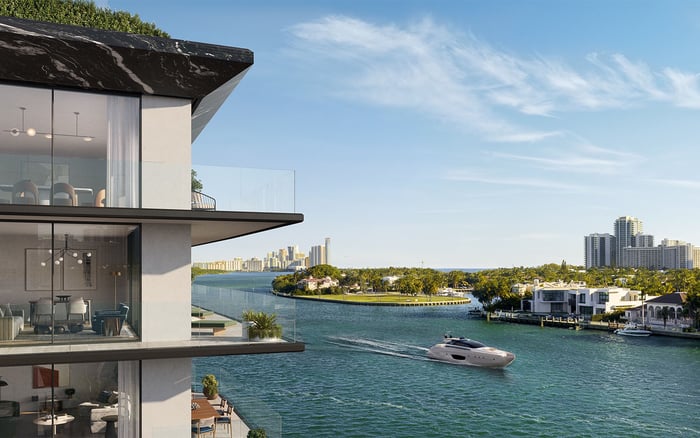
Marina settings deserve their own review. Boat activity, dock operations and waterfront entertaining can create intermittent peaks that feel more disruptive than a steady background sound. Oceanfront residences require a similar distinction: the continuous character of wind and surf may be soothing, while amenity decks, beach-service areas or event spaces can be more intrusive at specific hours.
Miami Beach adds another layer because nightlife and entertainment districts can shape expectations even when the residence itself is highly finished. A buyer should ask not only what the home sounds like during a private showing, but what it may sound like at night, on weekends and during peak seasonal periods.
Airport noise should also be part of the lens. The relevant question is not whether a property is near an airport in a general sense, but whether the specific line, stack, exposure and floor height place key rooms in the path of intermittent noise.
In high-rise buying, many purchasers compare views, ceiling heights, terraces and finish levels before studying stack position. For a quiet recovery zone, the line can be decisive. A preferred stack may have fewer shared walls, bedrooms oriented away from a dominant noise source and less exposure to amenity decks, service corridors or mechanical areas.
High floors are not automatically quieter. They may distance a residence from street-level sound, but can also introduce exposure to wind, aircraft patterns or rooftop mechanical systems depending on the building. Lower floors are not automatically compromised either, particularly if the plan is buffered and the exterior exposure is favorable. The key is to evaluate the specific sound path, not the prestige shorthand.
Buyers should ask where elevators, trash rooms, service corridors, loading areas, pool decks, lounges and fitness spaces sit in relation to the residence. Structure-borne vibration deserves particular attention near mechanical rooms, elevators and amenity spaces. Airborne sound travels through partitions and openings; vibration can arrive through the building itself. Both can affect sleep and concentration.
Sound Transmission Class, often abbreviated as STC, is one common way to describe how well a partition reduces airborne sound transfer. It is useful vocabulary, but it is not the entire answer. Site context, adjacencies, interior finishes, door systems, glazing and mechanical-system noise all contribute to the experience of quiet.
Luxury buyers often gravitate toward the largest flex room. For recovery, that instinct can mislead. A compact room with limited shared walls, soft light control and a protected position may serve the household better than a grander space beside the living room.
Consider the owner who returns from Europe at midnight and needs to sleep while the household starts its morning. Consider the executive taking Asia calls while guests gather after dinner. Consider the couple that entertains often but wants a non-negotiable quiet room for reading, meditation or recovery. In each case, separation from social zones becomes more valuable than square footage.
For families, the same logic applies to homework, therapy, nursing, music practice and rest after sports travel. A recovery zone does not need to be clinical or solitary. It simply needs to offer a reliable retreat from the most active zones of the home.
The most elegant plans create gradients of activity. Arrival and entertaining sit in one sequence. Bedrooms, offices and recovery rooms sit in another. Closets, baths and halls act as buffers. This is the quiet architecture behind a home that feels composed even when fully occupied.
Begin with adjacencies. Mark every predictable sound source: elevators, service halls, amenity decks, loading zones, mechanical rooms, pools, gyms, media rooms, kitchens and great rooms. Then mark the rooms where sleep, work and recovery are expected. If those two maps overlap, the plan deserves deeper scrutiny.
Next, study openings. Doors, pocket doors, open corridors and glass walls often define how sound moves. A recovery zone with a single solid door off a secondary hall may function better than a more glamorous room open to the main living area.
Then consider exposure. Which side faces traffic, marina activity, nightlife, amenity terraces or flight paths? Which bedrooms face the quietest orientation? Is the recovery room protected by other rooms, or placed on the most exposed corner?
Finally, ask for specifics before relying on marketing language. Wall assemblies, glazing performance, mechanical layout, door type and finish selections all influence the result. A residence does not need to promise silence to be exceptional. It should offer controlled, predictable quiet in the places where restoration matters most.
What is a quiet recovery zone? It is a room or subzone planned for restoration by limiting intrusive sound, light and activity rather than simply adding wellness décor.
Is a den automatically a good recovery room? No. A den beside an open kitchen, great room or media area may allow sound to travel and may perform poorly for rest.
Which rooms make the best recovery zones? Interior rooms buffered by closets, bathrooms, storage or secondary halls are often stronger candidates than exposed corner rooms.
Should buyers worry about airport noise? In some South Florida locations, yes. Flight-path awareness can matter, especially when bedrooms or recovery rooms face exposed orientations.
Are high floors always quieter? Not necessarily. High floors may reduce some street noise but can still be affected by wind, aircraft patterns or mechanical systems.
What should hosts prioritize in a floor plan? Buyers who entertain often should separate social zones from bedrooms, offices and recovery rooms to reduce conflict between use and rest.
Does STC tell the whole acoustic story? No. STC helps describe airborne sound isolation, but vibration, glazing, doors, adjacencies and mechanical noise also matter.
Can an oceanfront home still need acoustic scrutiny? Yes. Surf and wind may be pleasant, but amenity decks, beach activity or service areas can create intermittent noise peaks.
What is the biggest mistake buyers make? They rely on labels such as office or wellness room instead of studying location, door placement, shared walls and exposure.
What is the best way to shortlist comparable options for touring? Start with location fit, delivery status, and daily lifestyle priorities, then compare stacks and elevations to validate views and privacy.
When you're ready to tour or underwrite the options, connect with MILLION.
If branded residences are on your mind — as a home or as an allocation — we would be glad to share what we are seeing, privately.
Begin a quiet conversation