A buyer-focused guide to comparing Miami ultra-luxury residences through the lens of chef-ready kitchens, catering circulation, and private dining priorities.
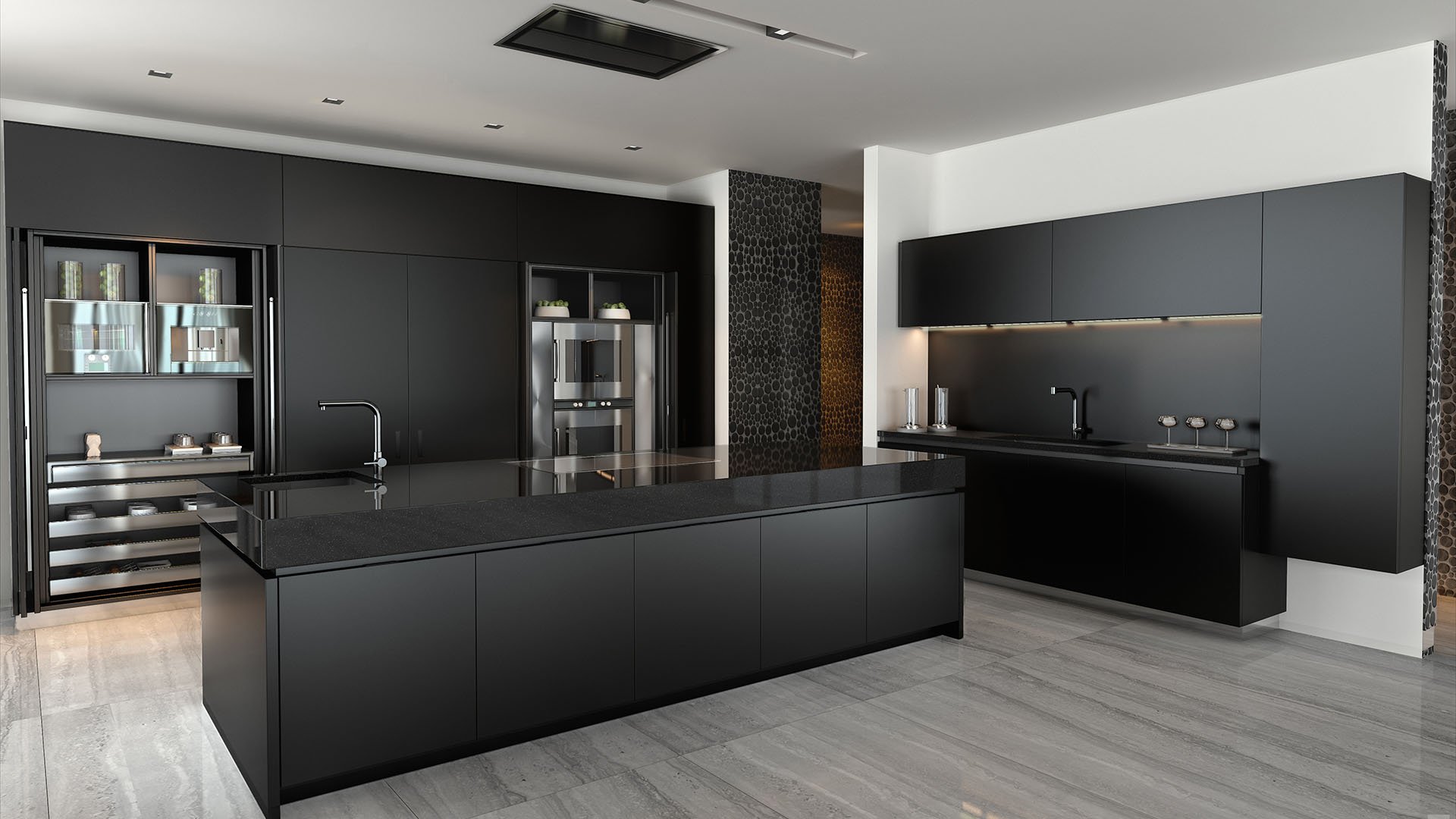
For a certain Miami buyer, the kitchen is no longer a secondary room hidden behind the architecture. It is the stage, the service core, the family gathering point, and the first test of whether a residence can support a refined life without friction. The question is not simply whether a home has a beautiful kitchen. It is whether the residence can absorb the choreography of daily breakfast, private chefs, wine service, catered dinners, and the occasional evening when guests move effortlessly between skyline, table, and terrace.
That is the most useful way to compare 888 Brickell by Dolce & Gabbana, One Thousand Museum Downtown Miami, and Kempinski Residences Miami Design District. 888 Brickell by Dolce & Gabbana is one Miami ultra-luxury project to evaluate for culinary-focused living and entertaining amenities. One Thousand Museum Downtown Miami belongs in that same conversation. For Kempinski Residences Miami Design District, the disciplined buyer should apply the same questions before assigning it a role on the shortlist.
A chef-ready kitchen sounds universal, but it means different things to different households. A couple who hosts a chef-led dinner twice a month needs a different plan than a family that cooks every night. A collector entertaining during Art Basel may prioritize arrival sequence, storage, bar service, and a dining room that remains composed while staff move in the background. A second-home owner may care more about simplicity, durable surfaces, and a kitchen that works beautifully after long periods away.
Before comparing finishes, define the hosting profile. How many seated guests feel normal? How many are exceptional? Will a private chef cook in the residence, or will food arrive prepared from outside? Is the dining experience meant to be intimate, theatrical, or hotel-like? In Brickell and Downtown, where vertical living often places the entire evening within one residence, those answers matter as much as the view.
The most persuasive chef-ready kitchens are not judged by brand names alone. They are judged by proportion, clearances, task lighting, storage depth, appliance placement, and the ability for more than one person to work without collision. A kitchen may photograph beautifully yet feel inefficient when a chef, assistant, host, and guest all occupy the same zone.
At this level, buyers should study the plan before falling for the composition. Look for generous prep runs, logical adjacency between refrigeration and cooking, and a serving path that does not pass through the most conversational seating. If the kitchen is open, consider whether it can remain polished during service. If there is a secondary prep area, consider whether it truly reduces visible work or simply adds another surface.
For 888 Brickell by Dolce & Gabbana, the culinary question belongs within a broader evaluation of ultra-luxury entertaining in Brickell. The buyer drawn to fashion-led design and a metropolitan lifestyle should still test the residence against practical hosting rhythms: where the chef stages, where wine is opened, where guests naturally pause, and whether the kitchen supports both morning life and evening theater.
Catering flow is one of the least glamorous and most important elements in a luxury residence. It is the path of food, staff, deliveries, glassware, waste, and reset. When it is well conceived, guests never think about it. When it is weak, the residence feels crowded long before the evening reaches its peak.
The first question is separation. Can staff move without cutting through the principal social zones? Is there a reasonable staging area for trays and service items? Does the elevator arrival create privacy for residents and guests, or does it put logistics on display? Is there a place to conceal coats, packaging, floral materials, and equipment? These are not minor operational details. They determine whether a home can host with grace.
One Thousand Museum Downtown Miami should be considered within this framework because it is among the Miami ultra-luxury projects relevant to culinary-focused living and entertaining amenities. For a Downtown buyer, the evaluation should be especially precise: how the residence receives people, how the dining area relates to the kitchen, and whether the plan can move from quiet family use to formal service without changing the character of the home.
Private dining rooms are not simply amenities. They are an extension of household strategy. For some owners, the best dining room is inside the residence, with views, art, and personal service. For others, a private dining setting elsewhere in the building creates separation: the residence remains serene, while larger dinners happen in a more controlled environment.
The distinction is important. An in-residence dining room offers identity and permanence. It allows the host to set the tone through tableware, lighting, music, and art. A building-level private dining room, when available and properly managed, can be valuable for birthdays, visiting family, business dinners, or evenings when the owner wants hospitality without opening the entire home.
When evaluating Kempinski Residences Miami Design District in this comparison, the buyer should avoid assumptions and ask direct questions: what private dining options are planned, how they are reserved, whether outside chefs are permitted, how service access works, and whether the room feels residential or purely event-driven. The Miami Design District context may appeal to buyers who place dining, design, and cultural proximity high on the lifestyle hierarchy, but the residence still has to perform privately.
Brickell is the most naturally urban of the three lenses, suited to buyers who want energy, finance, restaurants, and a polished tower lifestyle. In this context, entertaining can feel cosmopolitan and immediate. The kitchen should support quick transitions: coffee before meetings, aperitifs before dinner, and late evenings when the residence becomes a private club above the city.
Downtown has a different rhythm. It can feel more civic, cultural, and skyline-oriented, especially for buyers who want a residence that reads as a statement within the city. At One Thousand Museum Downtown Miami, the culinary evaluation should consider how the home balances drama with daily function. Views and architecture may set the atmosphere, but the success of a dinner still depends on circulation and service.
Miami Design District suggests another mood altogether: design-forward, gallery-adjacent, and closely tied to the city’s luxury retail and dining culture. For Kempinski Residences Miami Design District, the culinary buyer should determine whether the private residential experience matches the public sophistication of the neighborhood. The more compelling the surrounding scene, the more important it becomes for the residence to offer quiet, controlled hosting at home.
Investment is often discussed through market timing, scarcity, and brand identity, but livability is part of value preservation. A residence that entertains well tends to remain relevant because it serves the social habits of high-net-worth buyers. Kitchens that are too ornamental, dining areas that are undersized, and circulation that exposes service can age faster than a restrained, intelligent plan.
For a new-construction buyer, this is the moment to be exacting. Request plans, study clearances, and imagine actual use rather than idealized renderings. Ask how deliveries arrive, how private chefs are approved, where staff can wait, and whether any private dining room has rules that fit your household. A penthouse buyer should be even more demanding because larger residences often host larger expectations.
Choose 888 Brickell by Dolce & Gabbana if your priority is a Brickell lifestyle shaped by design presence, urban entertaining, and a residence that must work as both private retreat and social stage. Choose One Thousand Museum Downtown Miami if your culinary life is tied to a Downtown setting and you want to evaluate entertaining within a high-design, ultra-luxury context. Consider Kempinski Residences Miami Design District if the neighborhood’s design and dining culture align with your daily life, then verify every culinary and service detail before making it a finalist.
The best choice is not the residence with the most dramatic promise. It is the one that makes hospitality feel effortless. In Miami’s upper tier, true luxury is the absence of awkwardness: no crowded prep zone, no visible service scramble, no dining room that fights the plan, and no guest experience that depends on improvisation.
What makes a kitchen chef-ready in a luxury residence? A chef-ready kitchen should offer efficient prep space, logical appliance placement, strong storage, and circulation that allows staff and residents to work comfortably.
Is an open kitchen better for entertaining? It depends on the host. Open kitchens feel social and theatrical, while more concealed prep zones can keep formal dinners calmer and more polished.
Why does catering flow matter in a condo residence? Catering flow determines how food, staff, deliveries, and cleanup move through the home without disrupting guests or exposing back-of-house activity.
Should private dining be inside the residence or in the building? In-residence dining is more personal, while a building-level private dining room can be useful for larger or more operationally complex events.
How should buyers compare 888 Brickell by Dolce & Gabbana? Evaluate it as a Brickell ultra-luxury option through daily kitchen use, hosting style, service paths, and the desired mood of entertaining.
How should buyers compare One Thousand Museum Downtown Miami? Consider how its Downtown setting, residence layout, kitchen function, and entertaining sequence support both intimate dinners and more formal occasions.
What should buyers ask about Kempinski Residences Miami Design District? Ask for specific details on kitchen planning, service access, private dining options, reservation policies, and whether outside chefs can be accommodated.
Do branded residences automatically have better entertaining amenities? Not automatically. Brand identity can shape expectations, but buyers still need to verify floor plans, service logistics, and actual use rules.
What is the biggest mistake culinary-focused buyers make? The most common mistake is prioritizing finishes over flow, which can make an impressive kitchen difficult to use during real entertaining.
Can culinary features influence resale appeal? Yes, when they improve livability. A residence that supports cooking, hosting, and discreet service can appeal to a broader ultra-luxury buyer pool.
To compare the best-fit options with clarity, connect with MILLION.
If branded residences are on your mind — as a home or as an allocation — we would be glad to share what we are seeing, privately.
Begin a quiet conversation