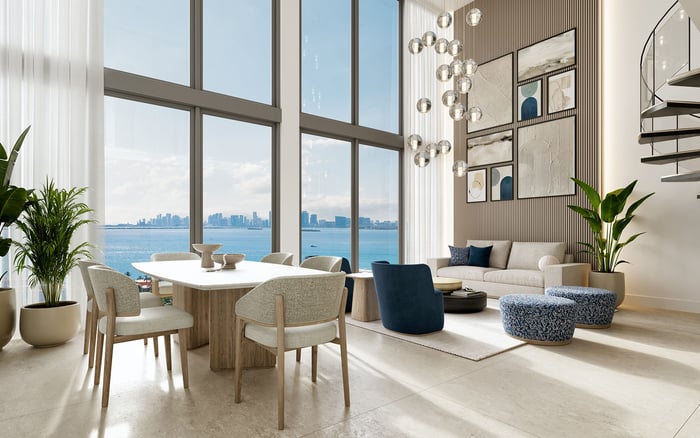
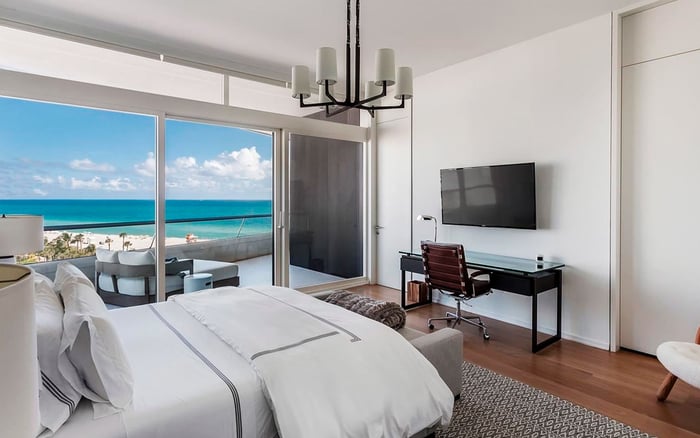
At The Ritz-Carlton Residences® South Beach, acoustic due diligence should be as deliberate as the review of views, layouts, finishes, and long-term value. Buyers should assess each residence by stack, elevation, orientation, active-space adjacency, building systems, and the operating rules that will shape daily life.
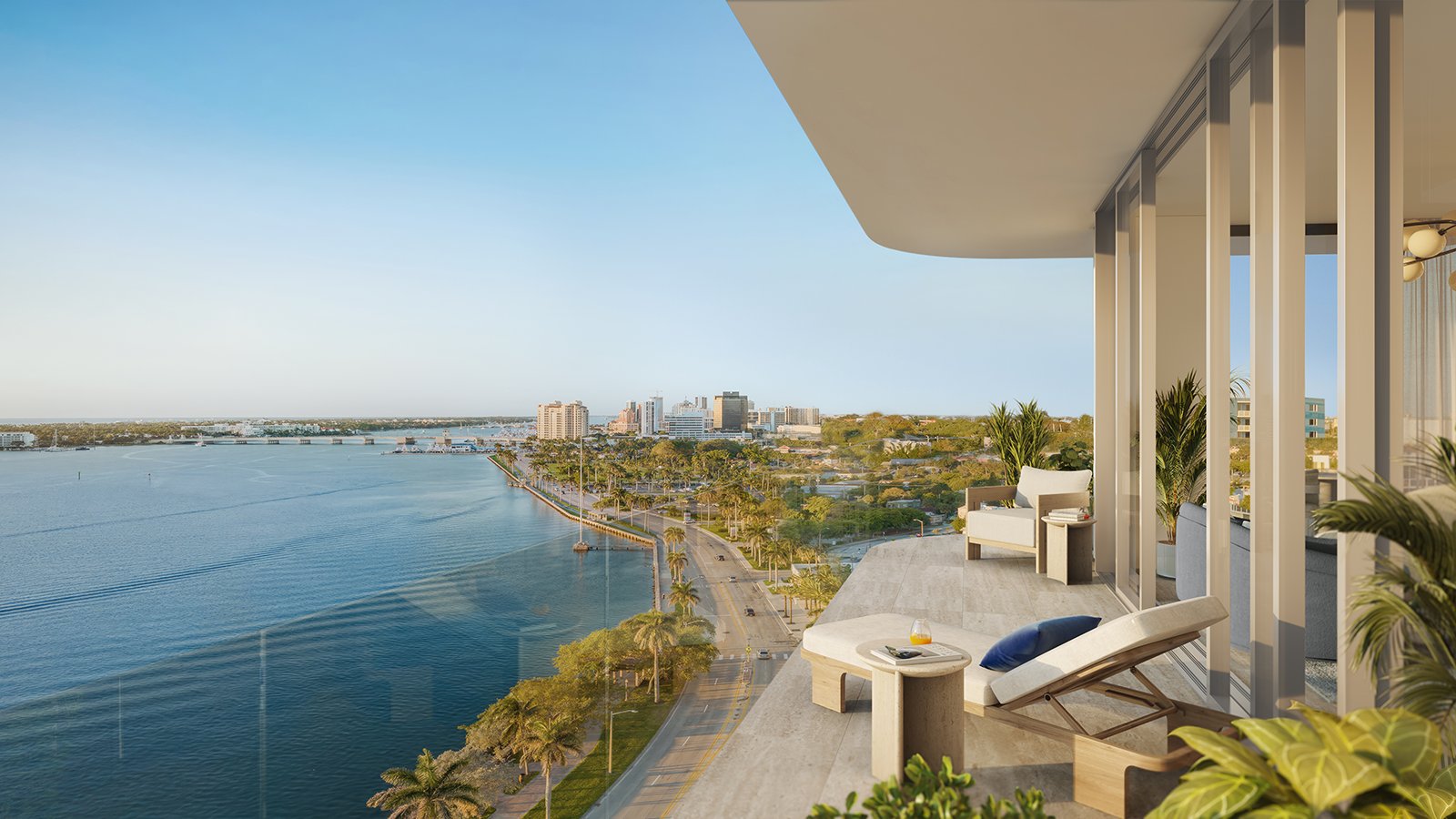
At The Ritz-Carlton Residences® South Beach, a reservation decision should extend beyond views, proportions, finishes, and anticipated resale appeal. Sound is equally consequential. Even a beautifully resolved home can feel less private when music, traffic, equipment, doors, or neighboring activity intrudes at the wrong moments.
Here, quiet luxury is not simply an aesthetic of restraint. It is sensory comfort and psychological ease-the ability to retreat from South Beach without becoming disconnected from it. For readers of MILLION's Buyer's Guides, that distinction is fundamental: a development's prestige and an individual residence's acoustic experience are related, but they are not interchangeable.
Branded Residences can pair private ownership with hospitality-style service and amenities. Those benefits may also concentrate movement and activity around pools, terraces, lounges, fitness areas, elevators, and service zones. The relevant question, therefore, is not whether a property has amenities, but how a particular home is positioned in relation to them.
Buyers should compare stacks rather than rely on a building-wide impression. Request plans identifying amenity levels, mechanical spaces, elevator cores, service corridors, loading functions, and other active adjacencies. A residence directly above, below, beside, or across from one of these zones may have a different sound profile than an otherwise similar plan elsewhere in the building.
This unit-specific approach is equally useful when considering other Miami Beach options, including Setai Residences Miami Beach and Shore Club Private Collections Miami Beach. Comparisons should focus on each available home's orientation and adjacencies, not assumptions drawn from a project's overall positioning.
South Beach has an active tourism and entertainment environment. Traffic, nightlife, music, and outdoor activity are airborne sources that can reach a residence through its exterior envelope. Orientation, elevation, glazing, and balcony configuration can all influence exposure, so a compelling outlook should be assessed alongside the surrounding conditions.
Structure-borne sound demands a different inquiry. Mechanical equipment, elevators, closing doors, overhead activity, and movement through shared areas may transmit vibration through the building. Buyers should ask how architectural design, acoustic engineering, and construction assemblies address both categories. No single feature provides a complete answer; effective quiet depends on several systems working together.
At the Pre-Construction stage, renderings cannot demonstrate acoustic performance. Written specifications and detailed plans carry greater weight. When cross-shopping The Perigon Miami Beach or another coastal residence, apply the same discipline to every candidate to keep comparisons genuinely unit specific.
Physical design is only part of the equation. Amenity hours, private-event policies, music rules, guest access, and staff enforcement can shape residential quiet long after construction is complete. Buyers should request governing documents and available operating policies, then ask which provisions may change and who has the authority to enforce them.
This is where Lifestyle expectations should become concrete. A buyer seeking frequent social energy may accept proximity to an active terrace; another may prioritize separation from gathering spaces and circulation routes. Neither preference is inherently superior. The objective is to align the chosen stack with the owner's daily rhythms, sleeping habits, work patterns, and tolerance for ambient activity.
Before making a reservation, request a marked plan showing the residence in relation to pools, terraces, lounges, fitness spaces, elevators, service areas, and mechanical rooms. Compare floors and stacks with similar layouts, noting what sits above, below, beside, and opposite each option.
Then request available written information on exterior glazing, interior partitions, floor and ceiling assemblies, mechanical isolation, and door construction. Ask separately about airborne and structure-borne sound. General assurances of quality are no substitute for residence-specific documentation.
Finally, examine operations. Clarify expected amenity hours, event practices, amplified-music rules, service circulation, and enforcement procedures. The strongest reservation decision brings together architecture, engineering, operations, and personal preference. In a setting as animated as South Beach, privacy is not the absence of energy outside. It is the successful control of that energy inside the home.
What does quiet luxury mean in this setting? It means sensory comfort and psychological ease, alongside understated design and high-quality materials.
Should buyers assume every residence has the same acoustic conditions? No. Stack, orientation, elevation, glazing, balcony design, and adjacencies can create different experiences.
Which exterior noise sources deserve attention? Traffic, nightlife, music, tourism activity, and outdoor amenity use should all be considered.
What is structure-borne sound? It is sound or vibration transmitted through the building from equipment, elevators, doors, or activity above.
Which amenity adjacencies should buyers review? Review proximity to pools, terraces, lounges, fitness areas, elevators, and service zones.
Why do amenity hours matter? Hours and event policies determine when activity may occur near private residences.
Are brand standards enough to assess quiet? No. Buyers should seek written, unit-specific information rather than rely on brand positioning alone.
What plans should a buyer request? Request plans identifying the residence, amenities, mechanical rooms, elevator cores, and service areas.
Should acoustics be considered alongside resale potential? Yes. Acoustic comfort belongs in the same evaluation as views, layouts, finishes, and long-term value.
What is the central question before reserving? Ask whether the specific residence can provide the private retreat expected within South Beach's active setting.
For a tailored shortlist and next-step guidance, connect with MILLION.
If branded residences are on your mind — as a home or as an allocation — we would be glad to share what we are seeing, privately.
Begin a quiet conversation