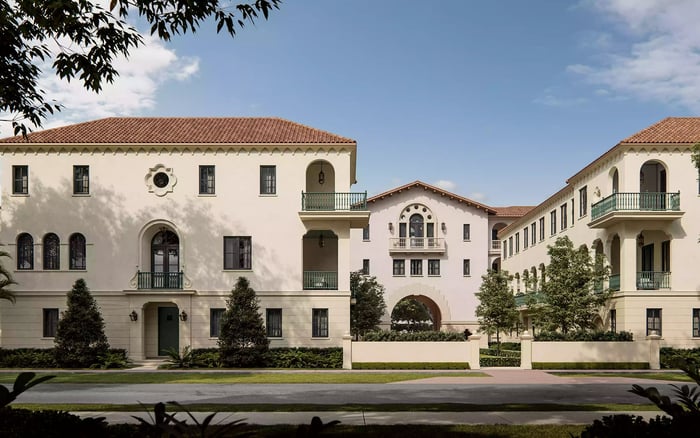
A buyer-focused guide to evaluating wine-storage infrastructure at The Village at Coral Gables, from climate control and backup power to association documents, insurance and service protocols.

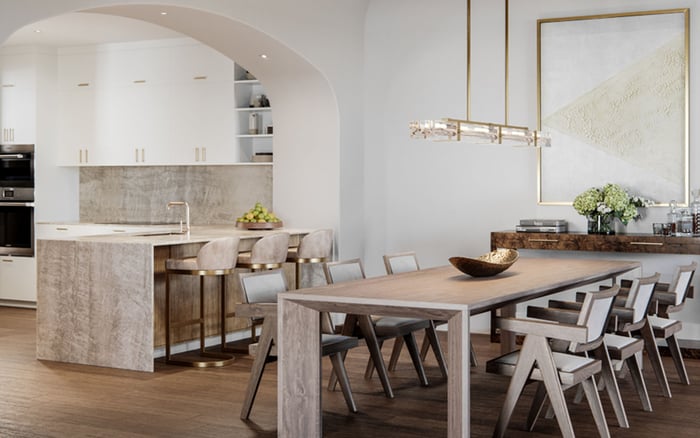
For buyers considering The Village at Coral Gables, wine storage deserves the same scrutiny as windows, elevators, generators and waterproofing. A beautiful wine wall may photograph well, but bottles respond to temperature, humidity, vibration, light and power continuity, not renderings. In South Florida, that distinction is especially important.
The first question is simple: is any wine room, locker or wine wall being represented as a dedicated climate-controlled mechanical zone, or is it simply located within conditioned residential space? Standard home air conditioning is designed around human comfort. Proper wine storage requires a more controlled environment, with temperature and humidity targets, tolerances and monitoring protocols that can be explained in writing.
This is where luxury due diligence becomes precise. The question is not whether a residence feels well appointed. It is whether the infrastructure protecting a collection is documented, serviceable and resilient in Coral Gables conditions.
Buyers should request written specifications for any wine-storage feature being presented as part of a residence or amenity package. Sales language may use terms such as cellar, wine room, wine wall or private locker, but those terms are not interchangeable. Ask what system cools the space, what humidity range it is intended to maintain, what tolerance band is acceptable and how deviations are measured.
A serious specification should identify the target temperature and humidity, the monitoring method and the response when readings move outside the defined threshold. If data are continuously logged, ask who can access the log, how long records are retained and whether residents receive alerts after a breach.
This matters for new-construction buyers because early decisions can affect later rights and responsibilities. If a private wine room is planned inside a residence, confirm whether the association documents allow it, what alterations are permitted and who is responsible for maintaining the equipment. Buyers comparing Coral Gables options such as Cora Merrick Park should bring the same discipline to any amenity described as lifestyle infrastructure.
South Florida heat, humidity and storm-related outage risk should shape every wine-storage question. Ask whether the cooling equipment has redundancy, backup capacity or a defined emergency service protocol if a mechanical failure occurs. A wine room without a service plan is little different from a refrigerated space without a technician on call.
Emergency power is another key point. Confirm whether the cooling systems serving wine storage are connected to generator-backed circuits or other emergency power. If not, ask what the expected response is during an outage and how long the storage environment may remain within acceptable limits.
Also ask where condensers, drains and mechanical equipment are located. Equipment serving wine storage should be considered in relation to flooding, salt air and storm exposure. Buyers often focus on the visible room. The more important questions may sit behind a wall, above a ceiling or inside a mechanical area.
A cellar-like environment depends on the physical envelope. If a wine room is part of the offering, ask whether it includes proper insulation, vapor barriers, sealed doors and glazing specifications suitable for wine conditions. A glass enclosure can be elegant, but the beauty of the enclosure does not answer whether it is engineered to separate cellar conditions from surrounding residential air.
Lighting deserves its own question. Buyers should ask whether wine-area lighting is low-heat and designed to limit UV exposure. The same is true of materials. Racks, walls, floors and finishes should be selected for high-humidity conditions and should not warp, mold, corrode or off-gas near bottles.
This is a Design & Architecture issue as much as a technical one. In luxury residences, the best solutions integrate performance without making the space feel clinical. The point is not to reject beauty. It is to require beauty to be supported by the right assembly.
Wine storage can be affected by vibration from elevators, garages, pumps, HVAC equipment or nearby mechanical rooms. Ask how the storage area is isolated from those sources. A quiet, stable environment is not always obvious during a tour, especially if a building is not fully occupied or all systems are not operating at normal load.
If shared lockers are offered or contemplated, access control becomes critical. Buyers should confirm whether lockers have individual access, logging, cameras and clear responsibility for lost or damaged bottles. A high-value collection is not merely personal property. It may be difficult to replace, difficult to value and emotionally significant.
Insurance should be clarified before closing. Ask whether association insurance covers shared wine-storage infrastructure and whether individual bottle collections require separate private coverage. If the answer is uncertain, treat that uncertainty as a due-diligence item, not a footnote.
Condominium or association documents should be reviewed for rules on private wine rooms, shared lockers, alterations, maintenance obligations and access rights. The key is alignment. If a sales presentation implies a lifestyle use, the governing documents should support that use in practice.
Buyers should also ask who maintains the wine-storage systems, what service contract is in place and how quickly a qualified technician can respond after a failure. If responsibility is split between the resident and the association, the division should be clear.
The larger lesson is straightforward: luxury is not only the presence of an amenity, but the reliability of the infrastructure behind it. The same buyer who compares parking, security, elevators and wellness facilities at Ponce Park Coral Gables should evaluate wine storage with equal care.
For buyers with high-value collections, on-site storage should be compared with professional off-site storage before relying on a residential amenity. Convenience has real value, especially for entertaining, but convenience should not be confused with archival-grade protection.
A practical approach is to separate bottles by purpose. Everyday drinking and entertaining inventory may suit a well-documented residential solution. Rare, mature or irreplaceable bottles may require a more specialized environment, particularly if the buyer cannot confirm redundancy, monitoring, power continuity and insurance.
Lifestyle expectations also matter. A collector who entertains frequently in Coral Gables may place a premium on immediate access. A buyer splitting time among residences may prefer a system with stronger remote monitoring and defined alert procedures. Those weighing nearby luxury neighborhoods, including projects such as Four Seasons Residences Coconut Grove, should apply the same wine-storage standards across the search.
The most productive meeting is specific. Ask whether the wine area is a dedicated mechanical zone, what temperature and humidity ranges it targets, whether readings are continuously logged and whether alerts are issued after a defined threshold breach. Ask about redundancy, emergency power, service contracts, technician response times and responsibility for maintenance.
Then move beyond the mechanical system. Ask about insulation, vapor barriers, sealed doors, glazing, lighting, finishes and vibration isolation. If storage is shared, ask about access control, cameras, logging, liability and insurance.
Finally, ask for documents. Renderings and amenity descriptions can introduce the concept, but written specifications, association rules and service protocols are what protect the buyer. At The Village at Coral Gables, the correct posture is not skepticism for its own sake. It is disciplined luxury due diligence.
Should I assume The Village at Coral Gables includes a wine room? No. Buyers should ask what is represented in writing and avoid relying on amenity labels or renderings alone.
What is the first wine-storage question to ask? Ask whether the wine area is a dedicated climate-controlled mechanical zone or simply part of standard residential HVAC.
Why is standard air conditioning not enough? Residential HVAC is designed for human comfort, while wine storage requires defined temperature and humidity control.
Should wine storage be connected to emergency power? Buyers should confirm whether wine-storage cooling systems are on generator-backed or emergency-power circuits.
What monitoring details matter most? Ask whether temperature and humidity are continuously logged and whether residents receive alerts after threshold breaches.
Why ask about condensers and drains? Their location affects exposure to flooding, salt air, storm conditions and service access.
Do materials inside a wine room matter? Yes. Finishes should tolerate humidity and should not warp, mold, corrode or off-gas near bottles.
What should I ask about shared wine lockers? Confirm individual access control, logging, cameras and responsibility for lost or damaged bottles.
Should I review association documents? Yes. Documents may define rules for private wine rooms, shared lockers, alterations, maintenance and access rights.
When should I consider off-site wine storage? High-value or irreplaceable collections may warrant professional off-site storage if residential systems lack documented resilience.
To compare the best-fit options with clarity, connect with MILLION.
If branded residences are on your mind — as a home or as an allocation — we would be glad to share what we are seeing, privately.
Begin a quiet conversation