A discreet buyer’s guide to evaluating building security protocols in Coral Gables luxury real estate, from access control and staffing to privacy, storm continuity, vendor procedures, and digital safeguards.
Buying luxury real estate in Coral Gables is often a study in architecture, streetscape, privacy, and permanence. Yet the most consequential questions may be less visible than marble, millwork, or a terrace view. Before committing to a condominium, townhome, or estate within a managed setting, buyers should understand how the building protects daily life without making security feel theatrical.
In a refined residential environment, security is not a single desk in a lobby. It is a choreography of access points, staff judgment, visitor verification, technology, vendor control, emergency planning, and privacy culture. The strongest protocols are quiet, consistent, and documented. They let owners move easily while creating friction for everyone else.
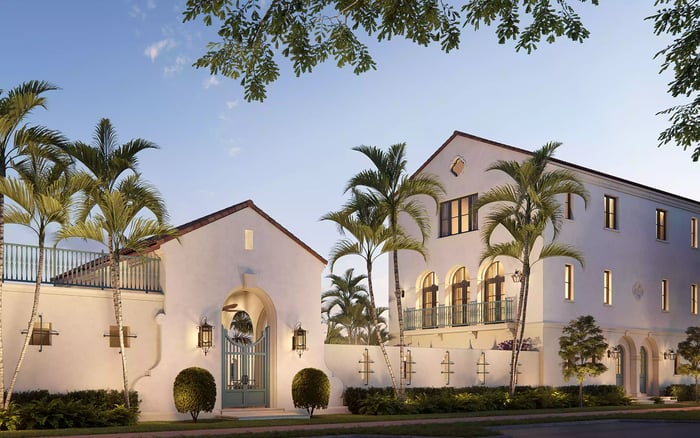
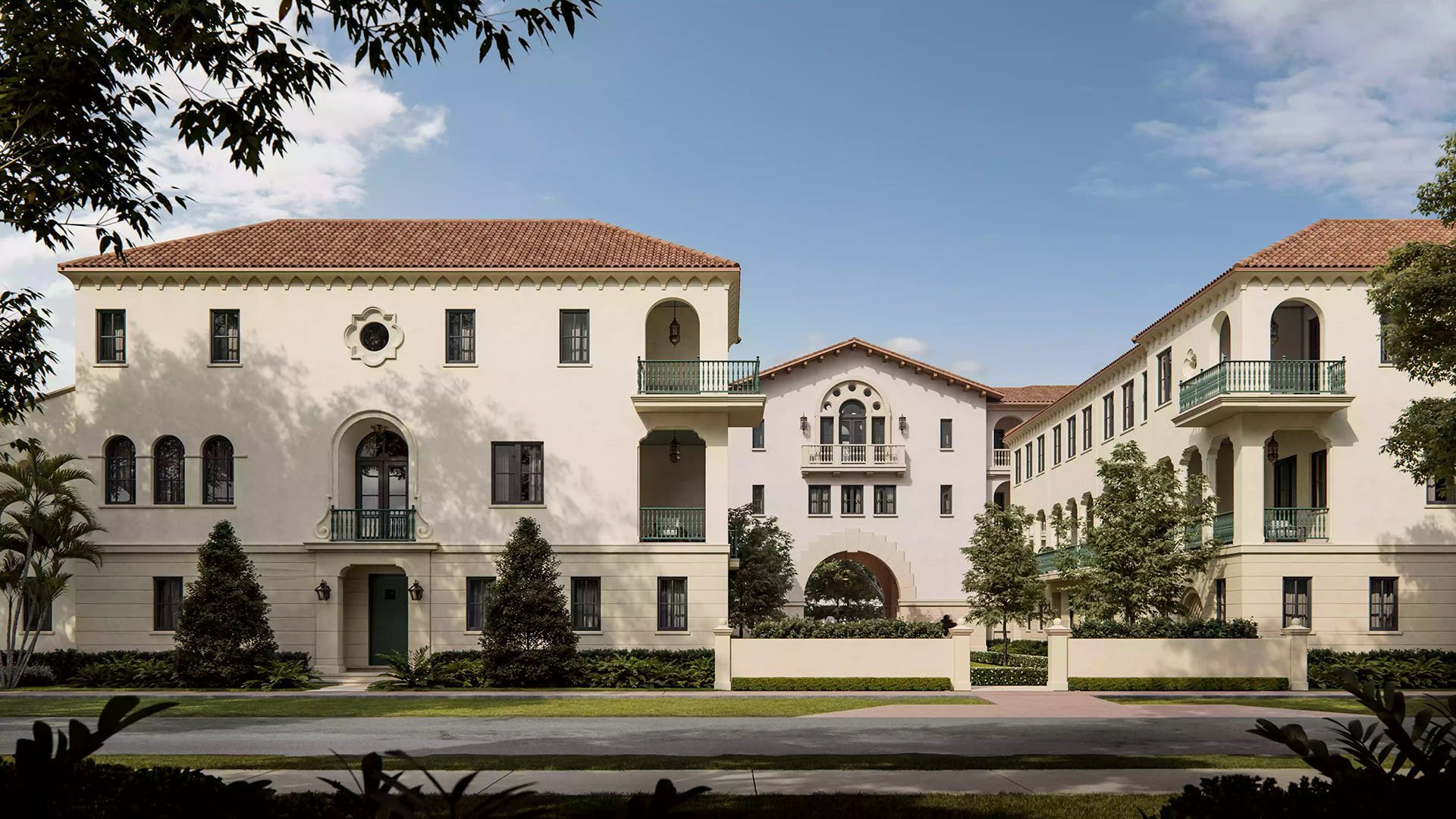
For buyers reviewing Cora Merrick Park, Ponce Park Coral Gables, or The Village at Coral Gables, the right questions can reveal whether a property’s security posture matches the level of discretion expected in the market.
Begin with the perimeter. How does a resident enter the property? How does a guest arrive? What happens after hours? A luxury building should be able to explain, clearly and without improvisation, the sequence between street, garage, lobby, elevator, corridors, amenities, and private residences.
Ask whether access is controlled by keys, fobs, cards, codes, biometrics, staff verification, app credentials, or a combination of systems. Then ask what happens when one of those credentials is lost, shared, expired, or compromised. A credible answer should include deactivation procedures, audit trails where applicable, and a clear standard for issuing replacement access.
Elevator control deserves particular attention. In a high-value building, buyers should ask whether elevators provide open access to all residential floors or whether access is restricted by floor, residence, or authorized user. The answer affects privacy, convenience, and the way guests, deliveries, and service providers experience the building.
Technology is only as effective as the people operating it. Ask who is present at the entrance, who monitors cameras or alarms, and how coverage changes overnight, on weekends, and during holidays. If security functions are handled by concierge, valet, property management, or a third-party team, understand where hospitality ends and enforcement begins.
The important question is not simply whether staff are present. It is whether they have written procedures and the authority to follow them. Can staff deny entry to an unverified guest, even if that person appears confident? Is there a protocol for a resident who asks the team to bend the rules? How are incidents logged and escalated?
Luxury buyers often prize discretion, but discretion is not the same as informality. The best buildings train staff to recognize residents and protect privacy while still requiring process. That balance is especially important in Coral Gables, where a sense of neighborhood ease should not translate into relaxed building control.
Most security gaps occur through ordinary routines: a dinner guest, a dog walker, a housekeeper, a florist, a contractor, a food delivery, or a moving crew. Ask how guests are pre-authorized and whether verbal approval is sufficient. Determine whether staff contact residents directly, require identification, or maintain a recurring guest list.
Vendor access should be treated with equal seriousness. Ask whether vendors use a separate entrance, service elevator, loading area, or time window. Ask whether contractors must provide insurance, identification, or advance scheduling. For buyers planning renovations, this can affect both security and daily quality of life.
Package management is now part of residential security. Ask where packages are stored, who can retrieve them, whether temperature-sensitive deliveries are handled differently, and what happens if an item is oversized or high value. A beautiful lobby loses its elegance quickly when deliveries create confusion at the front desk.
In South Florida, the garage can be one of the most sensitive parts of a residential building. Ask how vehicles are identified, how valet keys are secured, and whether residents can access residential areas directly from parking levels. If guest parking is permitted, ask how guests are registered and whether parking access expires automatically.
A buyer should also ask about pedestrian movement through the garage. Can someone enter behind a vehicle? Are stairwells and elevators controlled? Are service providers separated from resident parking circulation? These questions may feel granular, but they often reveal how carefully the building has considered its full security envelope.
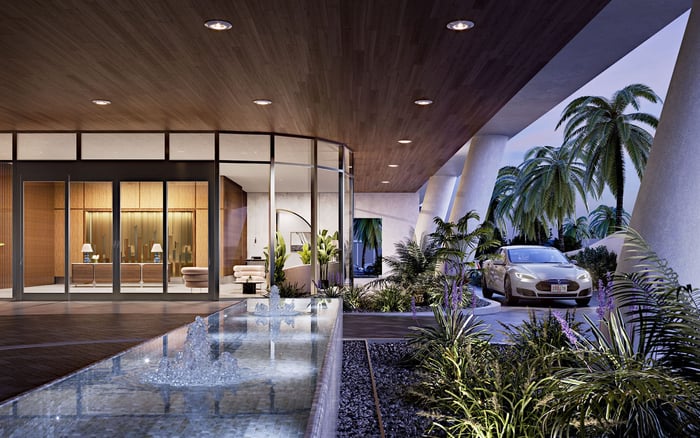
For buyers comparing Coral Gables with nearby urban luxury settings such as Four Seasons Residences Coconut Grove, garage and arrival protocols can be an important point of distinction. A residence may feel private in plan, but privacy begins long before the front door.
Security in Coral Gables must also account for disruption. Ask what happens if power is interrupted, access systems fail, elevators are offline, or staff cannot reach the building. A luxury property should have a continuity plan that addresses entry, communication, emergency staffing, and essential building functions.
New-construction buyers should be particularly precise here. Ask which systems remain operational during an outage, how residents receive building updates, and who makes decisions if normal management channels are unavailable. If a building relies on digital access, ask how manual override works and who controls it.
Emergency planning is not only about dramatic events. It includes water intrusion, fire alarms, medical incidents, elevator entrapment, unauthorized access, and sudden infrastructure issues. Ask whether residents receive orientation on procedures after closing and whether protocols are reviewed periodically.
Modern building security increasingly includes digital exposure. Ask what resident information is stored, who has access to it, and how guest lists, license plates, app credentials, camera footage, and access logs are protected. Buyers do not need to become technologists, but they should know whether the building treats data as private property.
If the residence includes smart-home integration, ask where responsibility shifts from building system to individual owner system. Determine whether vendors can remotely access devices, whether default passwords are changed, and whether building-wide systems are isolated from private residential networks.
Privacy also includes staff conduct. Ask whether employees sign confidentiality policies, whether photography is restricted in amenity areas, and how the building handles high-profile residents or sensitive guest arrivals. In the luxury tier, the absence of gossip is part of the amenity package.
Security questions should be asked early enough to matter. Request the house rules, access policies, move-in and move-out procedures, renovation guidelines, package rules, guest policies, vendor requirements, emergency procedures, and any available summaries of building operations. If answers are verbal, ask whether there is a written standard.
For a buyer’s-guide approach, focus on consistency. A building that can provide clear rules, calm explanations, and defined accountability is usually easier to evaluate than one that relies on charm. The tone of management during due diligence can be as revealing as the documents themselves.
Finally, ask how the building reviews and updates its protocols. Luxury security should not feel frozen in time. It should evolve as resident expectations, technology, and local conditions change, while preserving the quiet dignity that makes Coral Gables so desirable.
What is the first security question to ask before buying? Ask how residents, guests, vendors, and staff move from the street to private residential areas.
Should I ask about elevator access control? Yes. Elevator permissions can have a direct effect on privacy, guest movement, and floor-level security.
How should a building handle guests? Look for pre-authorization, identity verification, clear staff procedures, and an auditable process where appropriate.
Why are vendor rules important? Vendors often enter through service areas and may access elevators, corridors, parking, or residences during unsupervised windows.
Is package management really a security issue? Yes. Package rooms, delivery logs, release procedures, and storage standards all affect resident privacy and loss prevention.
What should I ask about parking security? Ask about valet key control, garage access, guest parking, pedestrian entry, stairwells, and elevator connections.
How do storm plans relate to security? Outages can affect gates, elevators, cameras, communications, and staffing, so continuity planning is essential.
Should cybersecurity be part of my review? Yes. Access apps, cameras, guest lists, license plate records, and smart systems may all involve sensitive resident data.
Can I request written security policies before buying? You can request relevant building rules and procedures during due diligence, subject to what the property makes available.
What is a red flag in a luxury building’s security culture? Vague answers, inconsistent guest handling, informal exceptions, and unclear accountability should prompt deeper review.
For a tailored shortlist and next-step guidance, connect with MILLION.
If branded residences are on your mind — as a home or as an allocation — we would be glad to share what we are seeing, privately.
Begin a quiet conversation