A discreet buyer’s guide to water intrusion due diligence in Fort Lauderdale, from seller disclosures and condo records to inspections, repairs, insurance, and contract strategy.
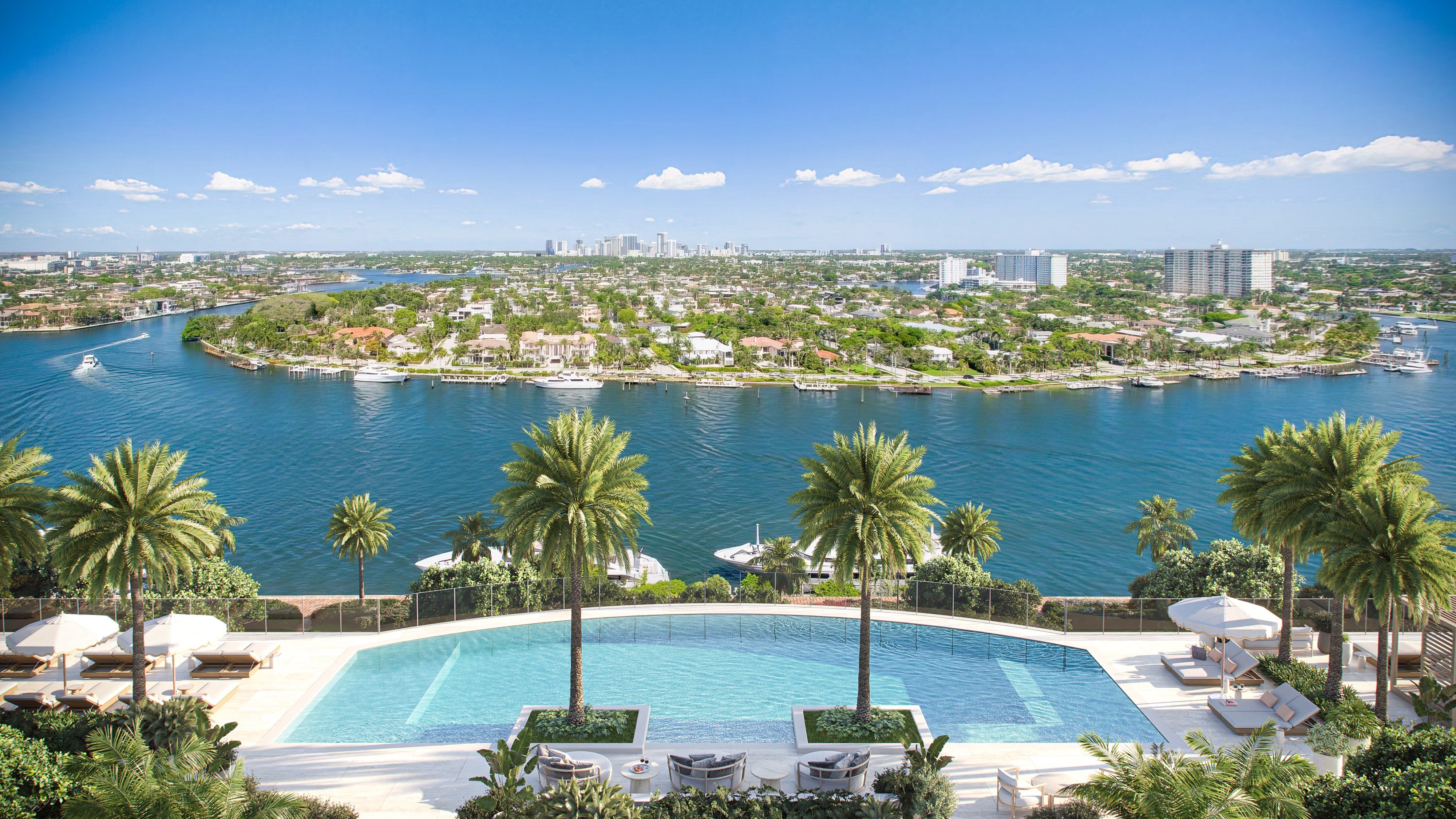
In Fort Lauderdale, water is central to the luxury proposition: oceanfront terraces, canal views, marina proximity, resort pools, and open-air living. It is also a defining due diligence issue. Before a buyer falls for a view corridor, a private dock, or a limestone-clad bath, the sharper question is whether water has ever entered the residence, where it came from, how it was repaired, and whether the condition could return.
For ultra-premium buyers, water intrusion is not simply a maintenance concern. It can influence insurance conversations, renovation budgets, association reserves, resale confidence, and the quiet enjoyment of a second home. The right questions belong early, in writing, and with enough specificity that vague answers become visible.
This applies across the Broward luxury spectrum, from beachside condominiums and Las Olas residences to waterfront estates and new construction. Whether a buyer is considering Four Seasons Hotel & Private Residences Fort Lauderdale or a private residence along the waterways, the discipline is the same: separate design appeal from building performance.
The first question is simple, but powerful: has there ever been water intrusion, moisture damage, roof leakage, window leakage, terrace leakage, plumbing overflow, slab moisture, mold remediation, or storm-related water entry affecting the property?
Do not ask only whether the home “flooded.” Flooding is one category. Luxury properties can take on water through roof assemblies, balcony doors, sliding glass systems, terrace drains, façade penetrations, air-conditioning lines, shower pans, supply lines, seawall-adjacent areas, garages, elevator pits, or below-grade rooms. The more precise the question, the harder it is for the answer to hide behind semantics.
Ask for the answer in writing and request supporting documentation. A clean statement is valuable. A qualified statement can be even more useful, because it tells your inspector and attorney where to focus next.
A repair invoice is not a full history. Buyers should ask when the water was first observed, who discovered it, what area was affected, whether professional drying occurred, whether walls or flooring were opened, and what testing was performed after the repair.
If the issue involved windows or doors, ask whether the repair was limited to caulking or whether the underlying assembly was evaluated. If the issue involved a terrace, ask about drainage, waterproofing membranes, door thresholds, and adjacent interior finishes. If the issue involved a plumbing event, ask whether water migrated beyond the immediately visible area.
In a condominium, ask whether the condition was limited to the unit interior or connected to common elements. For a buyer comparing residences such as Riva Residenze Fort Lauderdale, this distinction matters because responsibility may involve the owner, the association, contractors, warranties, or some combination of parties.
In luxury condominium purchases, water history often lives outside the unit. Ask to review association minutes, maintenance logs, building engineer notes, insurance claim references, reserve discussions, waterproofing projects, façade work, roof work, garage repairs, elevator service records, and any communications about recurring leaks.
The goal is not to create anxiety. The goal is to understand pattern. A single resolved plumbing incident is different from repeated moisture complaints along the same elevation, stack, roof line, garage level, or terrace configuration. If multiple owners have raised similar concerns, the buyer should understand whether the association has diagnosed the cause and funded the remedy.
For beach and marina-oriented searches, including properties such as St. Regis® Residences Bahia Mar Fort Lauderdale, buyers should also ask how maintenance responsibilities are divided between private interiors, limited common elements, and shared building systems.
A general inspection is important, but water intrusion diligence may require additional expertise. Depending on the property, a buyer may consider a moisture assessment, roof review, façade or window consultant, mold assessment, plumbing scope, seawall evaluation, elevator pit review, or engineering review of below-grade and garage areas.
The best inspections are not theatrical. They are targeted. Provide inspectors with seller disclosures, prior invoices, association materials, and photographs before they arrive. Ask them to examine not only the obvious stained ceiling or warped baseboard, but also the surrounding building envelope, drainage paths, mechanical penetrations, exterior transitions, and adjacent spaces.
In newer projects or recently delivered residences, such as Sixth & Rio Fort Lauderdale, ask whether warranties, punch-list items, or developer-related remedies apply to any moisture concern. In resale properties, ask whether prior work was permitted where applicable and whether warranties are transferable.
Water intrusion history can surface in financial documents even when cosmetic repairs make the residence appear pristine. Ask whether there have been insurance claims, association claims, owner-paid repairs, contractor settlements, warranty claims, or ongoing disputes involving water entry or moisture damage.
If there was a claim, ask what was claimed, what was paid, what was excluded, and whether the affected areas were fully restored. If the seller paid privately, ask why. If the association paid, ask whether there are open assessments, pending repairs, or future work that could affect the buyer after closing.
Luxury buyers should also coordinate early with their insurance advisor. A property’s visible beauty does not guarantee an easy underwriting conversation. Clear documentation can help distinguish a completed, isolated event from an unresolved or recurring condition.
Water intrusion diligence should inform the contract structure. Buyers may want sufficient inspection time, access for specialists, rights to review association documents, and clear remedies if new information appears. The purchase agreement should reflect the seriousness of the inquiry without turning every cosmetic imperfection into a negotiation.
If answers are incomplete, the buyer can request extensions, escrow arrangements, repairs before closing, credits, additional documentation, or termination rights where appropriate. The proper response depends on severity, recurrence, responsibility, and confidence in the proposed remedy.
A polished residence can still be an excellent purchase after a past water event. The question is whether the buyer has enough information to price the risk, manage the remedy, and own with composure. For buyers considering The Ritz-Carlton Residences® Fort Lauderdale or other premium addresses, that composure is part of the asset.
Before waiving contingencies or advancing toward closing, ask these core questions in writing:
Has any water ever entered the residence, garage, storage area, mechanical area, terrace, or amenity-adjacent space? What was the cause? Who diagnosed it? Who repaired it? Were affected materials removed, dried, treated, or replaced? Were moisture readings taken before and after repairs? Were photographs taken? Were permits required? Were warranties issued? Did insurance become involved? Was the association notified? Have similar issues occurred elsewhere in the building? Are there open repairs, pending assessments, or unresolved complaints?
The best answer is not always “no.” The best answer is complete, documented, and consistent across the seller, association, inspectors, and visible condition of the property.
Should I ask about water intrusion before or after the inspection? Ask before the inspection so your inspector can target specific areas and compare visible conditions with the seller’s written answers.
Is a past leak always a reason to walk away? No. A documented, isolated, professionally repaired issue may be manageable if specialists agree the cause was corrected.
What wording should I avoid when asking the seller? Avoid asking only whether the property “flooded.” Use broader wording that includes leaks, moisture, plumbing events, roof issues, terrace issues, and mold remediation.
Should condo buyers review association records for water issues? Yes. Association records can reveal building-wide patterns, planned repairs, prior claims, and responsibility for common-element conditions.
Can beautiful new finishes hide water damage? They can. Fresh paint, flooring, and millwork should be evaluated against disclosure answers, moisture readings, and repair documentation.
Who should inspect a luxury waterfront home for moisture concerns? Start with a strong general inspector, then add specialists as needed for roofs, windows, façades, plumbing, mold, seawalls, or structural concerns.
Should I ask about insurance claims related to water? Yes. Claims can clarify the scope of damage, repairs performed, exclusions, and whether the issue may affect future underwriting discussions.
What if the seller says the issue was fixed but has no documents? Treat that as a diligence gap. Ask for more detail, consider specialist review, and discuss contract protections with your advisor.
Are terrace and balcony leaks different from interior plumbing leaks? Yes. Terrace issues may involve waterproofing, drainage, thresholds, and common elements, while plumbing leaks may involve supply lines, drains, or fixtures.
What is the most important takeaway for Fort Lauderdale buyers? Ask early, ask precisely, and verify the answers before you let architecture, views, or amenities outweigh building performance.
For a discreet conversation and a curated building-by-building shortlist, connect with MILLION.
If branded residences are on your mind — as a home or as an allocation — we would be glad to share what we are seeing, privately.
Begin a quiet conversation