A practical buyer’s guide to protecting view value when evaluating luxury property in North Miami and nearby waterfront markets.
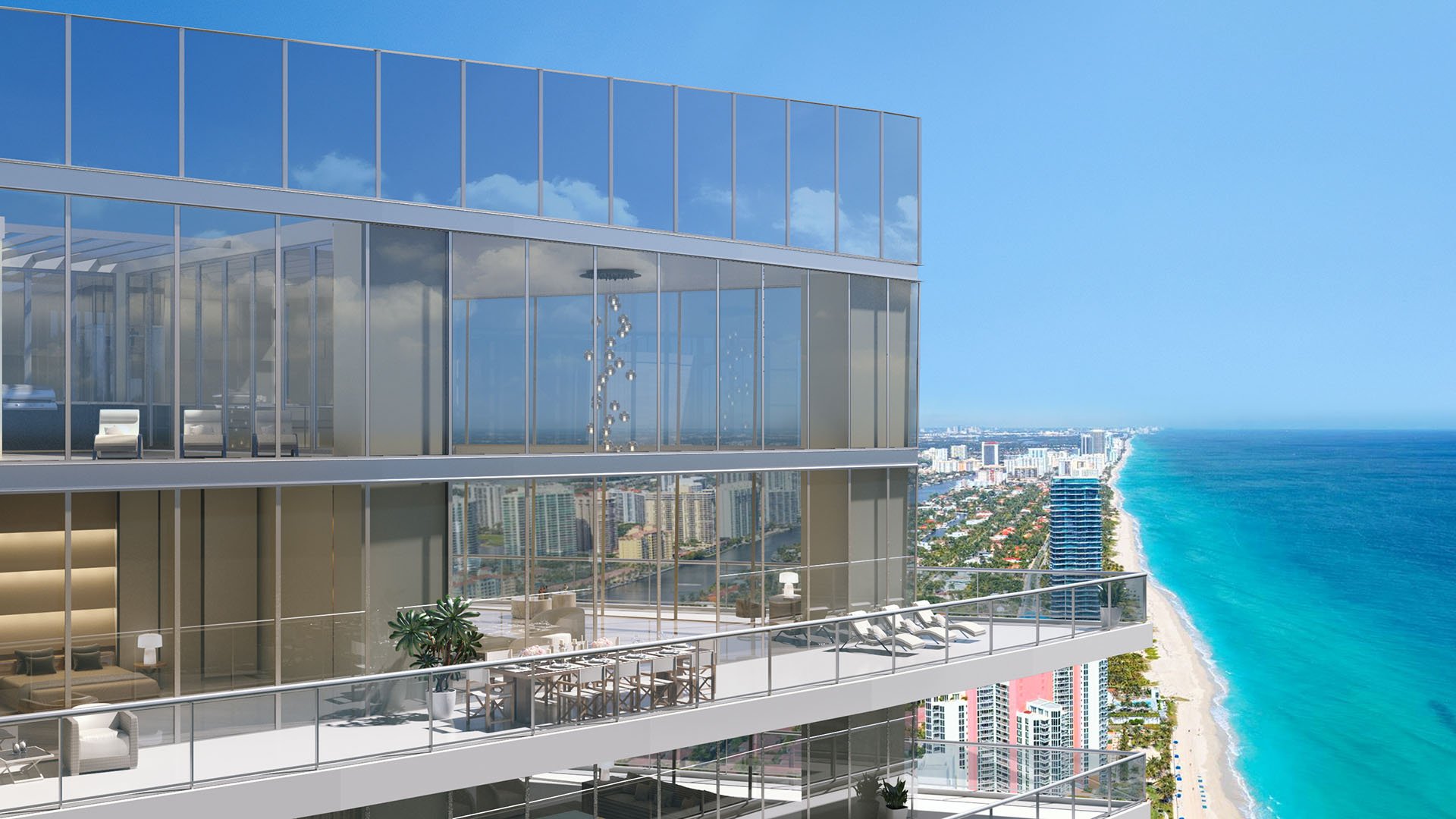
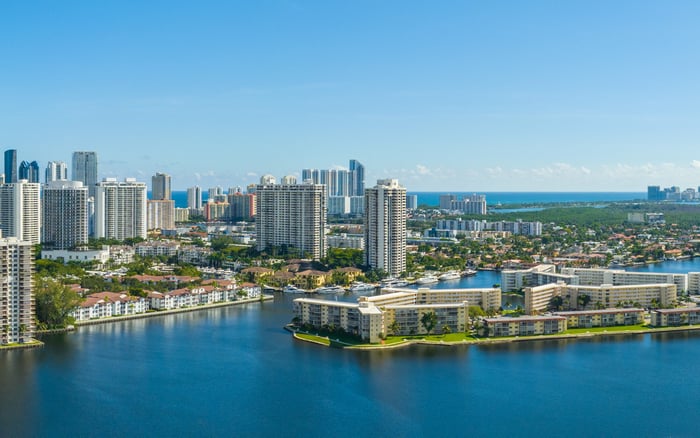
In luxury real estate, a view is never just scenery. It is part of the asset, part of the daily experience, and often part of the premium a buyer is asked to pay. In North Miami, where waterfront living, bay outlooks, and skyline glimpses can shape a residence’s identity, view-corridor risk deserves the same scrutiny as interior finishes, association documents, and closing costs.
A view corridor is the slice of visibility from a residence toward a valued outlook: bay, ocean, Intracoastal, garden, skyline, marina, or open sky. The risk is that this corridor may change. A neighboring parcel may be redeveloped. A vacant lot may not remain vacant. A low-rise structure may eventually give way to something taller. Even landscaping, mechanical screens, amenity decks, or architectural projections can soften a view that once felt open.
For buyers considering One Park Tower by Turnberry North Miami or comparing North Miami with nearby waterfront enclaves, the right question is not simply, “Is the view good today?” The more valuable question is, “What could stand in front of it tomorrow, and how much of my pricing assumes that it will not?”
Before studying risk, define the view with precision. Is the value in a direct water outlook, a broad Waterview, a long diagonal exposure, open sky, sunrise light, evening skyline, or a layered combination? A residence may have a beautiful view from the living room but a more vulnerable angle from the primary suite. It may feel expansive when standing at the glass yet narrower from seated areas, terraces, or bedrooms.
Ask the sales team or listing representative to identify which view lines are being marketed and which are merely incidental. If a premium is being attached to a Waterfront perspective, that premium should be traceable to specific rooms, exposures, and elevations. If the language is broad, ask for it to be clarified in writing. A view described as “open” is not the same as a view represented as protected.
The practical distinction is simple: beauty is emotional, but protection is technical. A prudent buyer documents both.
Begin with the parcels in front of, beside, and diagonally across from the residence. Who controls them? Are they developed, underused, improved with older structures, or positioned for future redevelopment? A parcel that looks quiet during a showing can still carry meaningful future potential.
Ask whether there are pending applications, public approvals, conceptual plans, or entitlement activity affecting surrounding sites. If the residence is in a new development, ask whether the sponsor has completed any view analysis and whether it can be shared. If the home is resale, ask your advisor to review public planning materials and identify whether any adjacent property could materially affect the corridor.
The most important questions are direct:
What can be built on the parcels in the view path? What height, massing, and setbacks may be allowed? Are there easements, waterfront setbacks, access requirements, or other limitations that may preserve portions of the view? Could a future structure block the main view, or only the lower edge? Would the view be affected seasonally by foliage, vessel activity, or lighting from a new building?
None of these questions requires alarm. They require discipline.
High-floor residences can be powerful, especially where lower homes face neighboring roofs, tree canopies, or future podiums. But higher floors are not automatically immune from view-corridor risk. An elevated residence may rise above near-term obstructions yet still face long-range changes if a taller structure is possible on a key parcel.
The best analysis separates three layers. First, near-field risk: the parcel immediately adjacent or across the street. Second, mid-field risk: larger development sites between the residence and the water or skyline. Third, long-field risk: broad skyline evolution that may change the character of the horizon without fully obstructing it.
This is why buyers comparing North Miami with Aventura or Sunny Isles Beach should avoid assuming that a higher floor in one market is equivalent to a higher floor in another. Each corridor has its own geometry. Nearby examples such as Avenia Aventura and St. Regis® Residences Sunny Isles may frame the conversation differently because surrounding context, exposure, and buyer expectations vary by location.
New-construction purchases often begin with renderings, model residences, and curated sales views. These tools can be useful, but they should not be treated as guarantees unless the contract and disclosures say so. Ask whether renderings show actual anticipated view planes, representative outlooks, or artistic impressions. Ask whether the depicted surrounding context includes possible future buildings.
A sophisticated buyer will request floor-specific, exposure-specific information. The view from a corner residence may differ meaningfully from the view two stacks away. A terrace may be oriented toward a more durable corridor while a bedroom faces a more uncertain one. In some cases, the best residence is not the highest or the most expensive, but the one whose key living spaces align with the most resilient sightline.
When comparing a North Miami opportunity with nearby bayfront projects such as Continuum Club & Residences North Bay Village, use the same standard: what is visible today, what is likely, what is legally permitted, and what has merely been implied by marketing imagery.
A careful view review may include surveys, site plans, zoning summaries, recorded easements, condominium documents, association materials, public planning records, and any available development applications for neighboring parcels. For a major purchase, a land-use attorney or planning consultant can interpret what those materials mean in practice.
Ask for written explanations, not verbal comfort. If a view is a major reason you are buying, the file should show the work. A buyer does not need to become a zoning expert, but the buyer should know which expert reviewed the issue and what assumptions support the conclusion.
For Waterfront property, pay close attention to the space between private enjoyment and public regulation. Water adjacency can create openness, but it does not make every angle permanent. The corridor may depend on side parcels, marina elements, bridge alignments, neighboring structures, or future public improvements. For a Waterview residence, the question is often not whether water remains visible, but whether the visible water remains meaningful enough to support the premium.
View risk does not always mean walking away. It may mean negotiating differently. If the view is exceptional but exposed to identifiable future change, the buyer can decide whether the price already reflects that uncertainty. If the seller is asking for a protected-view premium without evidence of protection, the buyer should resist paying for certainty that has not been established.
A practical framework is to separate the residence into three value components: the intrinsic home, the building or community, and the view premium. The intrinsic home includes layout, finishes, ceiling height, light, privacy, and livability. The building includes services, amenities, design, management, and location. The view premium is the extra amount attached to a particular outlook. The more fragile the corridor, the more carefully that premium should be tested.
This is especially important when comparing North Miami with Bay Harbor Islands, where projects such as La Baia North Bay Harbor Islands invite buyers to think carefully about bay exposures, neighboring parcels, and the enduring quality of light over water.
The most successful luxury buyers are neither cynical nor passive. They admire the view, then interrogate it. They return at different times of day, stand in every principal room, sit where furniture will actually be placed, and study the corridor from the terrace, not just from the entry moment. They ask whether privacy, glare, noise, and nighttime light may change if nearby development occurs.
They also understand that no market is frozen. North Miami, Aventura, Sunny Isles Beach, and the broader Biscayne corridor are living environments. Change is part of the appeal and part of the risk. A buyer’s goal is not to eliminate every unknown. It is to avoid paying today for an assumption that has not been tested.
A well-vetted view can still feel romantic. It simply carries the added pleasure of confidence.
What is view-corridor risk in luxury real estate? It is the possibility that a valued outlook may be altered by future buildings, landscaping, infrastructure, or other changes in the view path.
Is a water view in North Miami automatically protected? No. Water adjacency may preserve some openness, but side angles, neighboring parcels, and future improvements can still affect the experience.
Should I rely on a developer rendering? Treat renderings as helpful visual tools, not guarantees, unless protection is clearly supported by binding documents and disclosures.
Are higher floors safer from obstruction? Often they are less exposed to nearby low obstructions, but height alone does not eliminate risk from future taller development.
What documents should I request before closing? Ask for available surveys, site plans, zoning summaries, recorded easements, condominium materials, and public planning records for nearby parcels.
Who should review view-corridor concerns? A knowledgeable real estate advisor, land-use attorney, or planning consultant can help interpret what surrounding parcels may allow.
Can view risk affect resale value? Yes. If a view premium was part of the purchase price, any material change to that outlook may influence future buyer perception.
Is partial obstruction always a dealbreaker? Not necessarily. The issue is whether the price, layout, and lifestyle value still make sense after accounting for the risk.
How many times should I visit before buying? Visit at different times of day when possible, since light, glare, privacy, and activity can change the way a view feels.
What is the most important question to ask? Ask what can legally or practically change in the parcels that shape the view, then decide whether the premium is justified.
When you're ready to tour or underwrite the options, connect with MILLION.
If branded residences are on your mind — as a home or as an allocation — we would be glad to share what we are seeing, privately.
Begin a quiet conversation