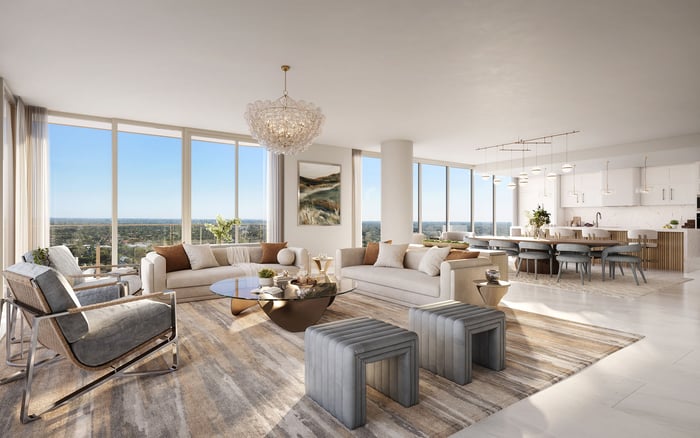
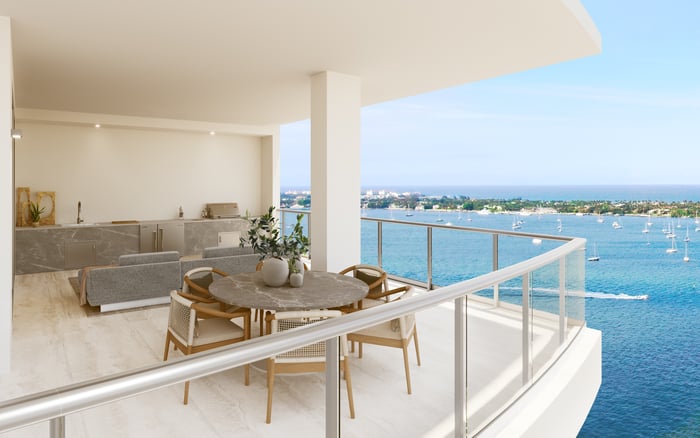
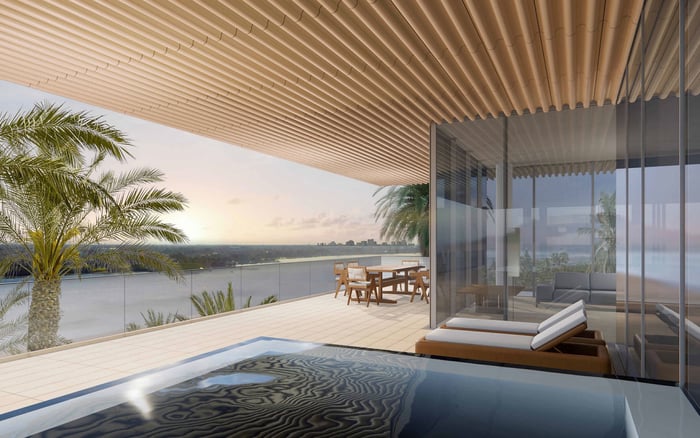
A practical luxury buyer’s guide to evaluating whether residential security in West Palm Beach feels calm, intelligent, and discreet rather than conspicuous or performative.
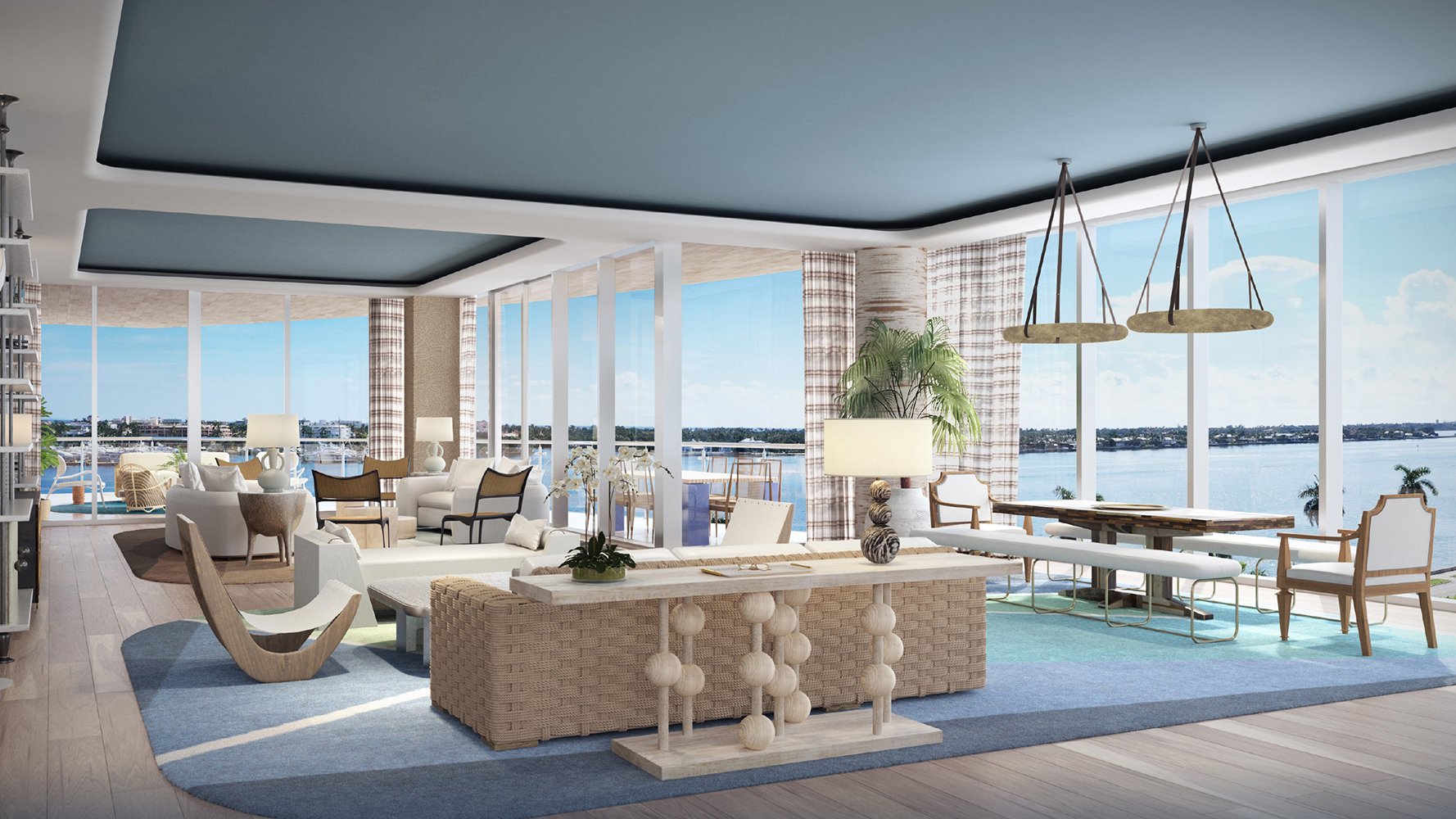
In West Palm Beach, the most desirable residential security rarely announces itself. It does not require a fortified-feeling lobby, a driveway that resembles a checkpoint, or an atmosphere that turns every guest into a suspect. For the luxury buyer, the more refined question is this: does the property make daily life feel private, composed, and protected without allowing security to become the defining feature of home?
That distinction matters. Theatrical security can feel impressive during a five-minute tour, then become tiresome when it interrupts visitors, deliveries, staff, wellness routines, and evenings out. Discreet security is different. It is an operating culture as much as a hardware package, relying on thoughtful arrival sequencing, trained human judgment, controlled circulation, strong sightlines, careful vendor management, and technology that supports residents quietly.
The best frame is simple: evaluate not only what is visible, but what has been designed not to be noticed. A residence may look serene because the real work is happening behind the scenes. That is the ideal.
The first test begins before the lobby. Approach the property as you would on an ordinary day. Notice whether cars, pedestrians, service vehicles, ride-share arrivals, guests, and residents have intuitive paths. A calm arrival sequence should feel choreographed, not improvised. If everyone converges at the same curb or doorway, privacy can erode even when the property appears staffed.
At a new waterfront or urban residence such as Alba West Palm Beach, buyers should pay attention to how the building’s setting shapes movement. Waterfront, downtown, and residential-edge locations each create different privacy demands. The right question is not whether one is automatically better. It is whether the property has anticipated the rhythms of its own location.
Look for subtle transitions: a sense of compression before entry, a clear threshold from public to private space, and staff who can acknowledge without over-performing. The best arrivals feel gracious. They do not make residents explain themselves every time they come home.
Discreet security depends on circulation. Buyers often ask about cameras and access systems, but the more revealing question is how people move once they are inside. Can a guest reach only the appropriate destination? Are service providers separated from residential paths where possible? Are packages, food deliveries, floral arrangements, household staff, and maintenance visits handled without pulling private life into public view?
In West Palm Beach, where many owners may entertain, travel frequently, or maintain multiple residences, operational discretion becomes part of the luxury. A concierge who knows when to be visible and when to recede is more valuable than a desk that simply looks imposing. A property that can handle a dinner party, a contractor visit, and a quiet family weekend without confusion is demonstrating real depth.
When considering Forté on Flagler West Palm Beach or any comparable residence along a prominent corridor, ask to understand the daily choreography. Where do guests pause? Where do staff screen arrivals? How are recurring visitors recognized? How are unknown visitors handled? A buyer is not looking for friction. A buyer is looking for confidence.
Technology should make security more seamless, not more theatrical. The most elegant systems are often the ones residents barely think about: controlled access, elevator permissions, visitor authorization, garage entry, and communication between staff and residents. The buyer’s task is to ask how the system behaves on a normal day and on a difficult one.
Ask whether access procedures are consistent, whether residents can manage guest permissions easily, and whether there is a clear plan when devices fail or power conditions change. Ask who can see resident information, who can approve access, and how permissions are updated when staff, tenants, guests, or household employees change.
New-construction residences can be especially compelling when systems are planned early rather than layered on late. Still, polish should not be confused with maturity. A glossy app is only as good as the staffing discipline behind it. The best properties use technology to support judgment, not replace it.
Many buyers focus on the residence entry and forget that privacy is also tested in amenity spaces. Pools, lounges, wellness rooms, club rooms, valet areas, pet areas, and elevators can reveal whether the building’s security culture is truly discreet. A beautiful amenity deck that exposes residents to uncontrolled guest movement can undermine the sense of retreat.
Lifestyle matters here. A building may be designed for social energy, quiet retreat, seasonal occupancy, or a more club-like rhythm. None of these is inherently right or wrong. The question is whether the security posture matches the lifestyle promise. A residence like Mr. C Residences West Palm Beach may invite buyers to think carefully about hospitality, arrival experience, and the boundary between service and privacy.
The most successful properties protect spontaneity. Residents should be able to meet friends, receive a trainer, host family, walk a dog, or move from garage to residence without feeling watched or exposed. Security should preserve ease.
Before purchasing, buyers should request a practical conversation, not just a feature summary. Ask who manages security operations, how staff are trained, how visitor procedures are enforced, and how changes are communicated to residents. Ask what happens during high-traffic periods, private events, storms, extended owner absences, and move-ins.
For a property such as The Ritz-Carlton Residences® West Palm Beach, or for any luxury residence carrying a strong service expectation, buyers should look beyond the name and examine the lived experience. Does the property protect privacy while maintaining warmth? Are rules applied consistently? Is the tone polished rather than suspicious?
The final test is emotional. After a tour, ask yourself whether the security made the property feel calmer or louder. Did it help you imagine living there, or did it distract you from the home itself? In a truly sophisticated West Palm Beach residence, protection should be felt as atmosphere. It should not need to perform.
What is discreet residential security? Discreet security protects residents through thoughtful design, trained staff, and controlled access without making the home feel guarded or institutional.
Why can theatrical security be a negative for luxury buyers? It can create daily friction, draw attention to residents, and make guests or household staff feel managed rather than welcomed.
What should I watch during my first arrival? Notice whether vehicles, pedestrians, guests, and service providers move through separate, intuitive paths without confusion or visible tension.
Are cameras enough to indicate strong security? No. Cameras may support security, but staffing discipline, access protocols, circulation, and privacy planning are equally important.
How should buyers evaluate concierge staff? Look for calm recognition, consistent procedure, discretion, and the ability to manage unexpected situations without creating drama.
Why does vendor movement matter? Vendors, deliveries, and household services are part of daily life, so their paths should be controlled without disrupting residents.
Should I ask about digital access systems? Yes. Ask how guest permissions, elevator access, garage entry, and resident data are managed in everyday use.
Does waterfront living change security priorities? Waterfront settings can add privacy considerations around approach, exposure, amenity placement, and the transition from public to private space.
Is a gated community always more secure? Not automatically. A gate is only one layer, and its value depends on staffing, procedures, resident habits, and overall design.
What is the best sign of well-designed security? The best sign is ease: residents feel protected, guests feel properly received, and the building never feels defensive.
For a confidential assessment and a building-by-building shortlist, connect with MILLION.
If branded residences are on your mind — as a home or as an allocation — we would be glad to share what we are seeing, privately.
Begin a quiet conversation