A discreet buyer’s guide to reading assessment culture in Sunny Isles Beach luxury condominiums before committing to an oceanfront purchase.
In Sunny Isles Beach, luxury condominium ownership is not only a question of view, ceiling height, private elevator access or amenity programming. It is also a question of how a building thinks about money. Special-assessment culture-the recurring habits behind capital planning, communication and owner funding-can shape daily ownership as much as the pool deck or porte cochere.
For an oceanfront buyer, the right question is rarely, “Has there been an assessment?” A better question is, “What does the building’s assessment history reveal about governance?” Some buildings treat assessments as extraordinary events tied to clearly defined projects. Others may rely on them as a recurring substitute for disciplined long-term planning. The distinction matters for lifestyle, resale positioning, financing comfort and peace of mind.
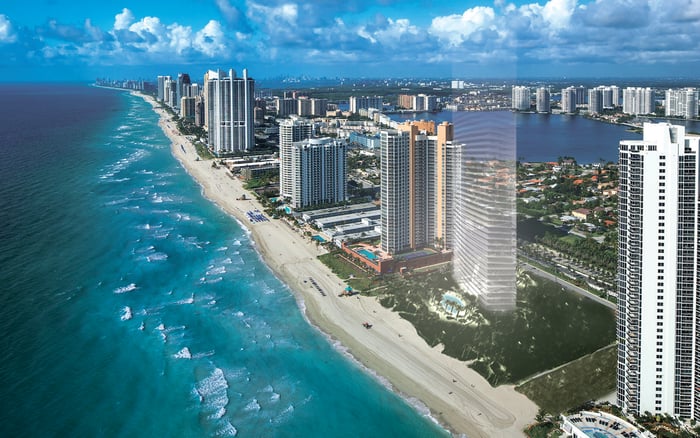
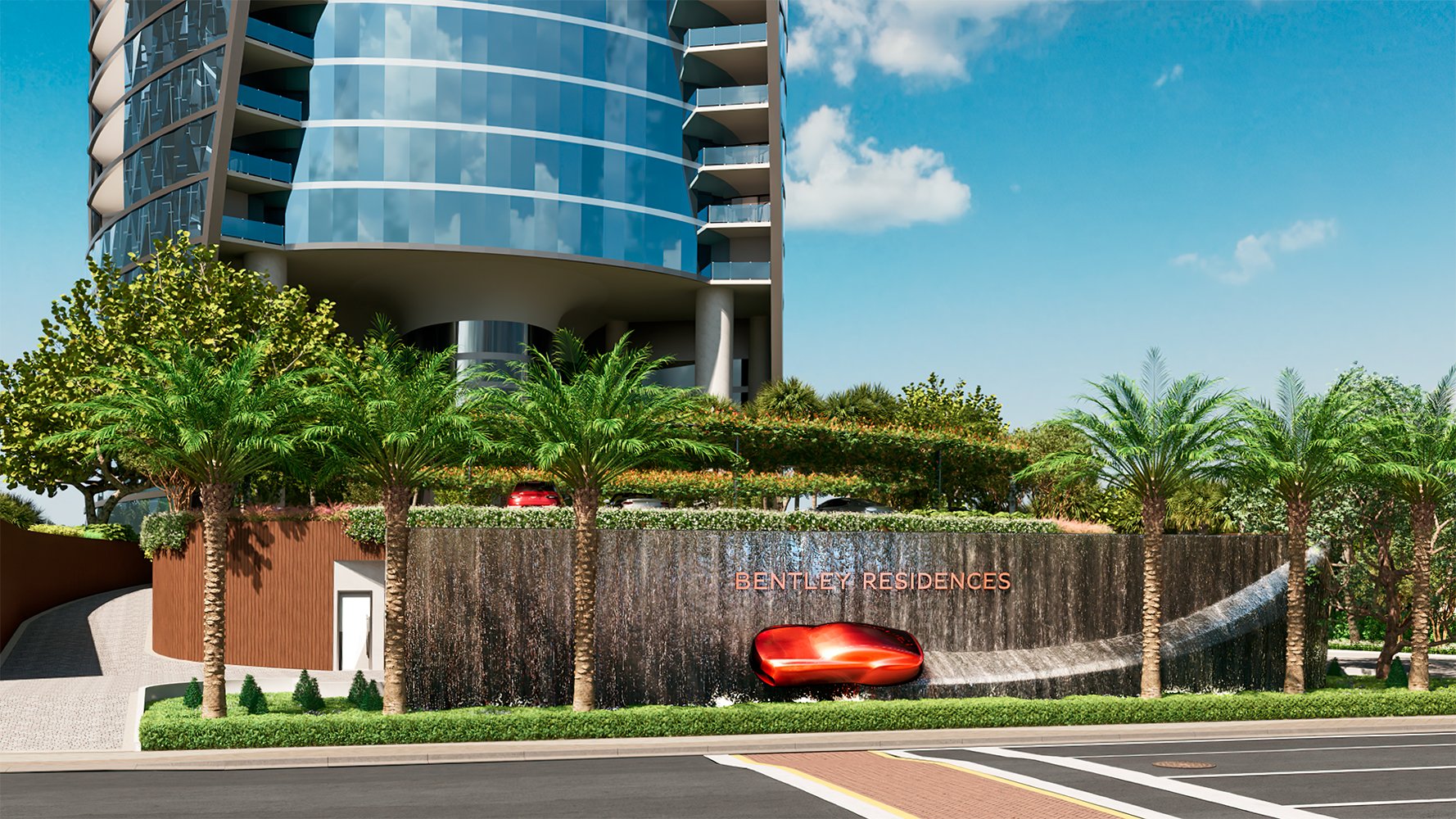
This is especially relevant in a market where trophy residences sit beside established towers, and where buyers may compare a legacy building with a newly delivered branded address such as Bentley Residences Sunny Isles, St. Regis® Residences Sunny Isles or The Ritz-Carlton Residences® Sunny Isles. Each purchase has a different document trail, but the principle is the same: the association’s financial temperament deserves the same scrutiny as the floor plan.
A single assessment number can be misleading without context. Ask whether the association tends to save in advance, borrow for capital work, assess owners when projects become urgent, or use a blend of approaches. None of these paths is automatically wrong. The concern is whether the board can explain its reasoning with clarity and consistency.
The most valuable conversations are practical. What major work has been completed recently? What projects are being discussed but not yet approved? Are professional studies, engineering input or capital plans guiding the conversation? Have owners been prepared gradually, or do funding decisions arrive abruptly?
Listen closely to tone. A polished building with evasive answers may carry more uncertainty than a building that openly acknowledges future work and has already mapped how to fund it. Assessment culture is often visible in the way a manager, board member or seller responds to routine questions.
Meeting minutes can reveal far more than the formal budget. Look for repeated references to deferred maintenance, insurance pressures, leaks, façade work, elevator modernization, amenity renovations, staffing costs, legal matters or owner disputes. Note whether the same item appears month after month without resolution.
The issue is not whether a luxury building has projects. Every sophisticated property requires reinvestment. The issue is whether decision-making appears orderly. A board that documents options, seeks professional input and communicates timelines is different from one that reacts only when deadlines or emergencies force action.
The goal is to separate normal ownership obligations from governance patterns that may affect enjoyment or liquidity. A buyer entering a full-service tower should expect maintenance of a high standard. The question is whether that standard is supported by planning, reserves and owner alignment.
Reserve funding can be one of the clearest windows into assessment culture. Ask how the association explains reserves, how often reserve needs are revisited, and whether owners tend to support funding that protects the building’s long-term condition. A low monthly expense may look attractive at first glance, but it can also signal that future owners may face larger catch-up costs.
Conversely, higher recurring dues may reflect a more conservative funding philosophy. For ultra-premium buyers, the better value is not always the lowest monthly number. It is the most predictable ownership environment. Predictability supports planning, protects lifestyle and can make a residence easier to position when it returns to market.
In Sunny Isles Beach, where many purchases are second homes or discretionary residences, predictability has particular value. Owners who travel frequently, lease seasonally within the rules, or hold for family use often prefer a building where financial notices are timely, clear and unemotional.
Resale due diligence begins with history. Ask for budgets, minutes, current assessments, pending assessments, reserve details, insurance information and any available capital project discussions. If the seller says there is nothing pending, ask how that is supported in writing. A calm answer should be documented, not merely conversational.
New-construction due diligence requires a different lens. There may be less operating history, so the buyer must focus on governing documents, turnover expectations, initial budgets, developer-controlled periods and the long-term cost of maintaining the amenity promise. New-construction glamour can be compelling, but the future association still needs a durable financial structure.
A buyer comparing an established tower such as Jade Signature Sunny Isles Beach with a newer branded offering should not assume one is safer than the other. Instead, compare transparency, documentation and how clearly future obligations are described. The strongest luxury purchase is the one where beauty and governance meet.
Special assessments are only one expression of a building’s financial identity. Review regular maintenance fees, insurance treatment, staffing philosophy, amenity intensity, security protocols, valet operations and capital repair planning. A highly serviced tower can be worth its carrying cost, but only if owners understand what they are funding.
Ask whether the building has a habit of upgrading amenities to remain competitive, or whether it waits until spaces feel dated. Ask how owners respond to proposed improvements. In some luxury communities, there is a shared appetite for reinvestment. In others, owners may be divided between lifestyle preservation and cost restraint.
Neither profile is inherently wrong. A buyer who values hotel-level polish may be comfortable in a building with an active reinvestment culture. A buyer who prioritizes cost stability may prefer a more restrained operating model. The key is alignment.
Certain phrases deserve follow-up. “We do not expect anything” is not the same as “There are no board-approved assessments and no disclosed pending capital project requiring owner funding.” “The building is in great shape” is not the same as a documented maintenance plan. “Everyone is happy” is not the same as clear minutes and owner communication.
A discreet buyer should not be adversarial, but should be precise. Ask direct questions in writing when appropriate. Request clarification on any ambiguous seller disclosure, association statement or budget line. If an answer cannot be confirmed, treat it as an open item rather than reassurance.
Luxury real estate often rewards decisiveness, but assessment due diligence rewards patience. The most elegant residence can become less attractive if the ownership culture is opaque.
The final assessment question is not purely financial. It is personal. How much unpredictability are you willing to accept? Would a large owner vote or a sudden capital notice change your enjoyment of the residence? Do you want the newest amenity environment, the most established board culture, or the most conservative reserve posture?
A trophy home at The Estates at Acqualina Sunny Isles may attract a buyer with a different service expectation than a residence in a more understated building. Both can be excellent decisions if the owner understands the cost culture behind the lobby.
Before signing, ask your advisory team to review the documents through two filters: financial exposure and ownership temperament. The best Sunny Isles Beach purchase is not simply the one with the most cinematic view. It is the one where the building’s culture matches your appetite for discretion, predictability and long-term stewardship.
What is special-assessment culture? It is the pattern of how a condominium association plans, communicates and funds expenses beyond regular dues.
Is a past special assessment always a negative sign? No. A well-explained assessment tied to a defined project may indicate responsible stewardship rather than weakness.
What documents should a buyer review first? Start with budgets, meeting minutes, reserve information, current assessment notices and any available capital project discussions.
How should I evaluate a building with no recent assessments? Ask whether that reflects strong reserves, limited capital needs or deferred decisions that may surface later.
Do luxury amenities increase assessment risk? They can increase operating and replacement complexity, so buyers should understand how the association funds amenity upkeep.
Is New-construction easier to evaluate than Resale? Not always. New-construction may have less history, so governing documents and future operating assumptions become more important.
Should I ask questions in writing? Yes. Written questions help clarify what is confirmed, what is uncertain and what requires additional review before closing.
Can assessment culture affect resale value? It can influence buyer confidence, perceived carrying costs and the ease of presenting the residence to the next purchaser.
Who should help review assessment exposure? A qualified real estate attorney, experienced condominium advisor and financial professional can help interpret the documents.
What is the best sign of a healthy association culture? Clear communication, documented planning and owner alignment are often more reassuring than a low monthly fee alone.
For a discreet conversation and a curated building-by-building shortlist, connect with MILLION.
If branded residences are on your mind — as a home or as an allocation — we would be glad to share what we are seeing, privately.
Begin a quiet conversation