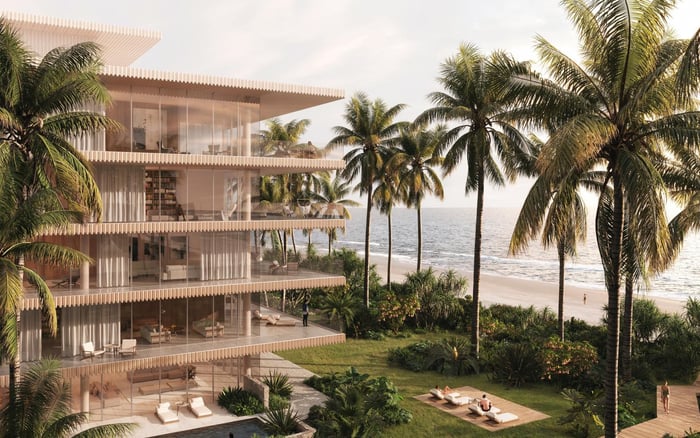
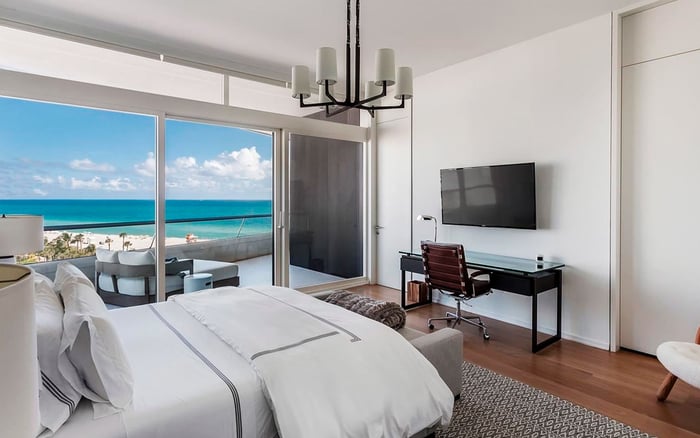
W Pompano Beach Hotel & Residences enters the art-collector-living conversation as a branded, hospitality-led coastal base. Its appeal is less about declared collection facilities and more about service, design sensibility, lock-and-leave ease, and access to South Florida’s cultural rhythm.
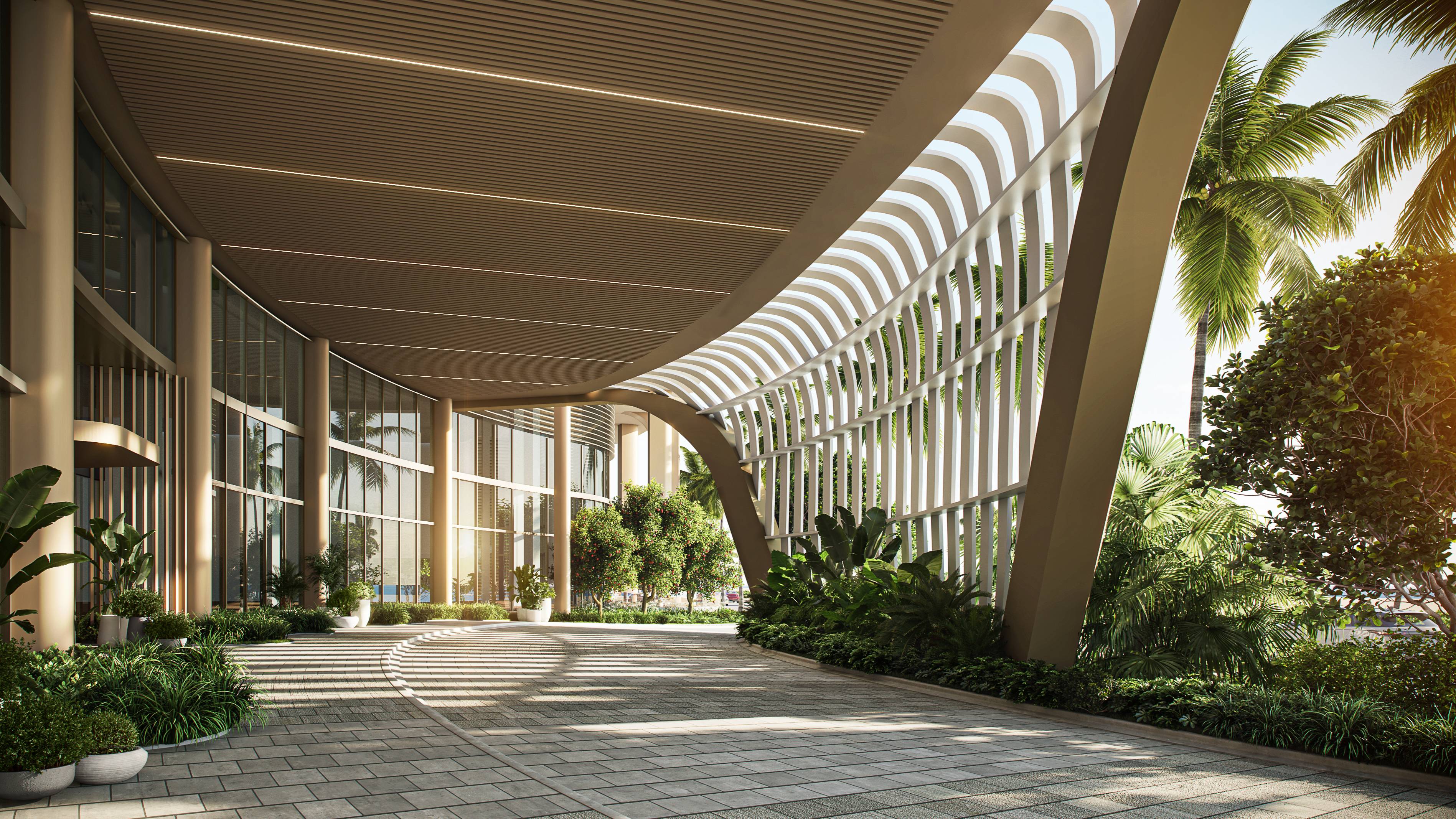
For art collectors, the more compelling residential question is rarely whether a building can imitate a gallery. It is whether a residence supports the life around a collection: travel, privacy, entertaining, preservation-minded habits, and proximity to a broader cultural calendar. In that context, W Pompano Beach Hotel & Residences gives Pompano Beach a timely place in the conversation around artful coastal ownership.
The project is positioned as a W-branded hotel-and-residences address in Pompano Beach, placing it squarely within the branded-residences category. That distinction matters because the modern collector is often as interested in service architecture as physical architecture. A hospitality-led ownership model can make a residence feel more manageable for buyers who divide their time among fairs, auctions, gallery visits, family homes, and business travel.
This is not a story to overstate with claims about dedicated art storage, curatorial staffing, or conservation facilities. The stronger, more precise read is lifestyle: a beach residence with hospitality context, design energy, and access to South Florida’s wider art ecosystem.
Pompano Beach has increasingly been framed as a quieter coastal alternative to denser South Florida luxury markets. For collectors, that quiet can be part of the appeal. Miami remains the region’s most intense cultural arena during major art moments, but not every buyer wants to live at the center of that intensity year-round.
A residence in Pompano Beach can function as a refined retreat within reach of the regional cultural corridor. The idea is not withdrawal from the art world. It is selective participation: attend the fair, host the dinner, meet the advisor, then return to a calmer beach base.
That is where W Pompano Beach fits. It brings a brand associated with design, social energy, hospitality services, and curated experiences into a market increasingly comfortable with higher-end coastal development. Nearby conversations around Armani Casa Residences Pompano Beach, The Ritz-Carlton Residences® Pompano Beach, and Waldorf Astoria Residences Pompano Beach reinforce how the city is being discussed by buyers who see brand, service, and coastal setting as one ownership thesis.
Collectors tend to think visually. They notice proportion, light, arrival, materiality, and the choreography of a room before a brochure begins to explain it. For that buyer, a residence does not need to announce itself loudly. It needs to offer a setting where objects, views, people, and daily rituals can coexist with intention.
W Pompano Beach enters that discussion through brand identity rather than verified claims about specific interiors or amenities. The W association supports a narrative of design-conscious hospitality, social atmosphere, and curated experience. In collector terms, that can translate into a home that feels less static than a traditional estate and more aligned with a cosmopolitan calendar.
This is especially relevant for owners who do not want the operational burden of a standalone property. A collector may own significant works, but the residential decision may still be driven by ease: secure arrival, service culture, lock-and-leave practicality, and the ability to return to a polished environment after weeks away.
The lock-and-leave buyer is not necessarily casual. Often, this buyer is highly intentional. The schedule may include art fairs, private previews, auction weeks, museum events, studio visits, and time in multiple homes. A hotel-residential format gives W Pompano Beach a natural role in that lifestyle because it bridges resort living and private residential ownership.
For the second-home collector, this can be particularly persuasive. The residence is not expected to replace every other home or every cultural anchor. It is expected to perform gracefully when occupied and remain manageable when vacant. That can be more valuable than square footage alone.
The same logic is visible across South Florida’s luxury map. A buyer comparing the beach-and-design proposition may also understand why coastal residences can resonate with owners who want calm within reach of regional cultural activity. W Pompano Beach’s distinction is that it offers the Pompano Beach version of that idea through a hospitality-led lens.
Serious collectors are careful people. They think about who enters the building, how guests arrive, how often they travel, and whether the residence can support a life that is both public and private. Branded hospitality is attractive because it implies a more service-oriented operating environment than a conventional condominium or standalone estate.
That does not mean every detail should be assumed. Buyers should verify specifics around services, access protocols, residence operations, and any art-related needs before committing. Still, the broader appeal is clear: W Pompano Beach can be read as a platform for ease, with the hotel-residential model supporting a more fluid ownership style.
For entertaining, the advantage is equally subtle. Collector life often includes dinners, conversations, and informal gatherings that orbit around culture without becoming formal exhibitions. A residence connected to a design-forward hospitality identity can make that social rhythm feel natural.
An art collector considering W Pompano Beach should begin with use case. Is the residence intended as a primary beach home, a seasonal base, or a lock-and-leave pied-a-terre for the South Florida cultural season? The answer will shape the importance of storage, wall space, service, privacy, and travel logistics.
Next comes the collection itself. Works on paper, photography, sculpture, design objects, and large-format paintings each have different environmental and spatial implications. Buyers should ask how a specific residence could accommodate their holdings, rather than assuming an artful brand identity automatically solves collection management.
Finally, the buyer should look at the building in context. Pompano Beach is not trying to become Miami Beach, Brickell, or Palm Beach. Its appeal is a quieter coastline with increasing design ambition. For many collectors, that may be precisely the point.
W Pompano Beach Hotel & Residences fits the art-collector-living conversation by shifting the focus from static display to lived cultural access. It is best understood as a hospitality-led coastal base for buyers who want design, service, and mobility within South Florida’s broader art ecosystem.
The project’s relevance lies in its balance: resort energy without abandoning private ownership, cultural proximity without the full-time intensity of Miami, and branded ease without the obligations of a traditional estate. For collectors who value discretion as much as visibility, that balance may define the next chapter of Pompano Beach luxury.
Why is W Pompano Beach relevant to art collector living? It aligns with collectors who value design, hospitality services, and access to South Florida’s cultural rhythm from a quieter beach base.
Does W Pompano Beach have dedicated art storage? Dedicated art-storage or conservation facilities should not be assumed. Buyers should verify any collection-specific requirements directly before making decisions.
Is Pompano Beach a cultural alternative to Miami? Pompano Beach can offer a calmer coastal setting while remaining part of the broader South Florida cultural corridor.
What type of collector might prefer this address? It may appeal to buyers who travel often, attend fairs and auctions, and want a service-oriented residence that is easy to leave and return to.
How does the W brand affect the residential story? The W association supports a narrative around design, social energy, hospitality, and curated lifestyle experiences.
Is this more about lifestyle than gallery-style display? Yes. The strongest angle is lifestyle access, service, and design identity rather than unverified claims about formal art facilities.
Can W Pompano Beach work as a second home? Its hotel-residential format naturally suits a lock-and-leave ownership pattern for buyers who divide time across multiple locations.
How should buyers evaluate residences for art? They should review wall conditions, light exposure, climate considerations, access, privacy, and service protocols with qualified advisors.
How does it compare with traditional estates? A branded residence may offer more managed ease and hospitality support, while an estate may offer greater private control and scale.
What is the main buyer takeaway? W Pompano Beach is best read as a design-conscious coastal platform for collectors who want service, mobility, and cultural access.
For a discreet conversation and a curated building-by-building shortlist, connect with MILLION.
If branded residences are on your mind — as a home or as an allocation — we would be glad to share what we are seeing, privately.
Begin a quiet conversation