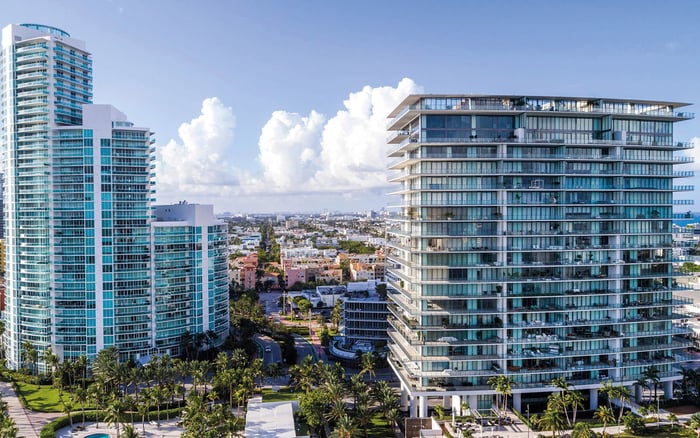
A practical luxury buyer’s guide to evaluating Miami Beach waterfront homes by daily function, not just views, with emphasis on access, privacy, docking logic, and long-term livability.
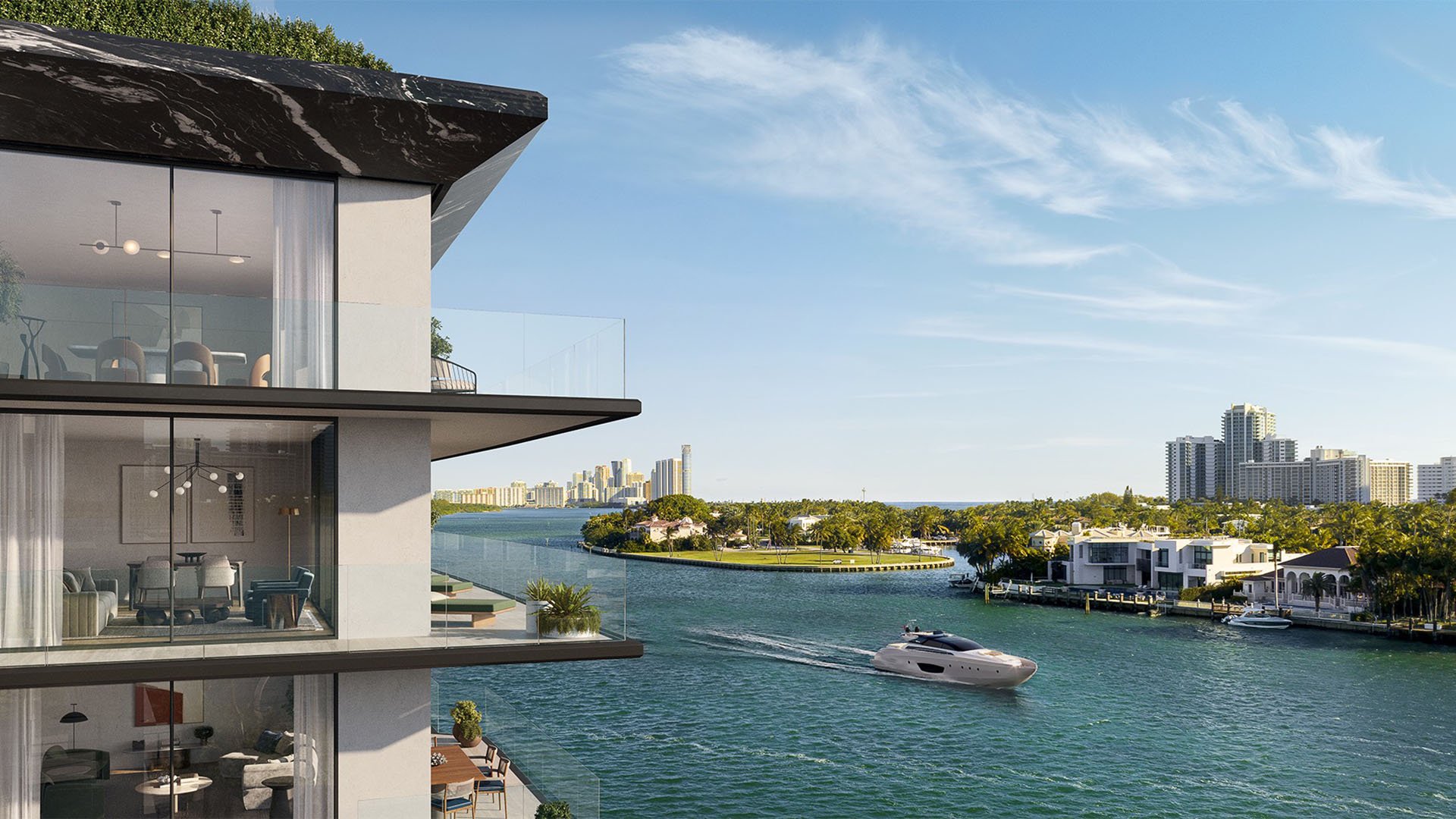
A waterfront address in Miami Beach can seduce quickly. The view is immediate, the light shifts by the hour, and the promise of a calmer domestic rhythm seems built into the horizon. Yet the strongest purchase decisions begin after the first impression fades. A true luxury address should not merely photograph well. It should make ordinary days smoother, more private, and more pleasurable.
For a buyer, the essential question is not simply whether the residence touches water. It is whether the waterfront condition creates real everyday utility. That means evaluating how the home supports morning routines, guest arrivals, beach or boat use, deliveries, fitness, entertaining, pet care, children, staff, and quiet evenings. The address must work Monday through Thursday with the same grace it offers on a holiday weekend.
This is where a disciplined lens matters. Waterfront value in Miami Beach is best understood through use: Beach-access, Boat-slip potential, Marina proximity, privacy, resilience of layout, and the ease of moving between car, elevator, lobby, terrace, shoreline, and neighborhood.
A beautiful view is an asset, but it is not the same as daily usefulness. Some residences offer cinematic water exposure with limited functional connection to the outdoors. Others may be quieter, less theatrical, and far more livable because the terrace, arrival sequence, storage, parking, and service routes are better resolved.
When touring, resist judging the address from one room. Walk the full daily path. How do groceries arrive? Where does a driver wait? How quickly can a guest move from arrival to living space? Is there enough shade on the terrace at the times you would actually use it? Does the primary suite feel private when boats, neighbors, or beachgoers are active nearby?
A buyer comparing Miami Beach residences such as The Perigon Miami Beach should think beyond the name and the waterline. The right test is whether the residence turns the waterfront into a daily ritual, not merely a backdrop.
In Miami Beach, access can be more valuable than spectacle. A waterfront home that is difficult to enter, service, park, or leave may become frustrating despite its beauty. Study the address at different times of day. Consider weekday commutes, weekend guest traffic, restaurant runs, school movement, airport timing, and valet flow.
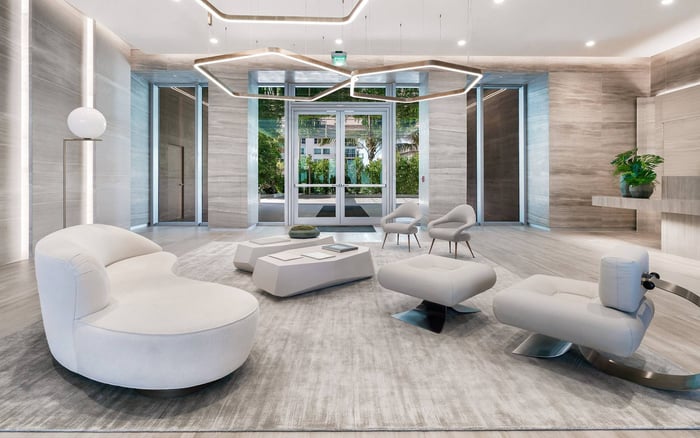
For condominium buyers, lobby scale and circulation matter. A discreet arrival can preserve the tone of the residence. Elevator convenience can change how often you use the beach, pool, gym, or waterfront promenade. Parking should be assessed not only by count, but by convenience for owners, household members, guests, and service providers.
For single-family buyers, driveway geometry, gate placement, delivery access, and outdoor storage carry equal importance. Waterfront living often involves gear: paddleboards, beach chairs, fishing equipment, pet accessories, towels, coolers, bicycles, and boating supplies. If the house has no graceful place for these items, the lifestyle becomes less elegant in practice.
Not all waterfront is the same. Oceanfront, bayfront, canalfront, and intracoastal settings produce different daily experiences. Each has its own character of light, movement, sound, privacy, and access. The goal is not to rank them universally. The goal is to match the setting to the buyer's actual habits.
An ocean-oriented buyer may value sand, horizon, and the sensory rhythm of the beach. A boating household may care more about protected water, access logistics, and where the vessel can be kept. A privacy-focused buyer may prefer a quieter water exposure with fewer passersby. A frequent entertainer may prioritize terrace depth, guest parking, and sunset orientation.
This is why a residence like 57 Ocean Miami Beach belongs in a different conversation from a bay or canal property. The buyer should not ask which is more glamorous. The better question is which one will be used with greater ease, more often, and with fewer compromises.
For buyers who expect boating to be part of the lifestyle, the waterfront must be evaluated as a system. A Boat-slip, dock, lift, tender access, water depth, turning room, storage, and proximity to a Marina can be more important than a broader view. If boating is central to the purchase, the residence should be tested around actual boating routines.
Where will guests board? How will provisions move from kitchen to vessel? Is there convenient storage for lines, cleaning supplies, cushions, water toys, and safety equipment? How does the property feel after returning from the water, when towels, coolers, and equipment need to disappear without disrupting the interiors?
Even buyers who do not currently own a boat should be honest about future optionality. Waterfront utility can include flexibility. A property that supports a low-friction boating life may hold personal value even before that use becomes routine.
Privacy on the water is nuanced. A residence can feel secluded from the street and exposed from the shoreline. Conversely, a home may sit in a more active area but have excellent screening, thoughtful orientation, and interior planning that protects the rooms where privacy matters most.
On tours, stand where you would actually sit, dine, swim, read, and sleep. Look outward, but also look back toward the residence from exterior areas. Consider neighbors, passing boats, beach activity, terrace sightlines, and night lighting. Privacy changes after sunset, when glass becomes reflective or transparent depending on interior light.
A buyer considering Shore Club Private Collections Miami Beach, for example, should think about how private life is choreographed from arrival to residence to outdoor space. In luxury waterfront living, discretion is not an accessory. It is part of the architecture of daily comfort.
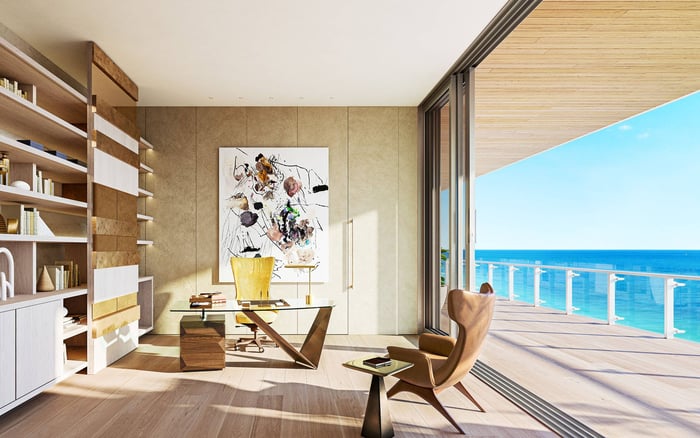
The most successful waterfront residences let the view enhance life without forcing the household to perform for it. The plan should support both spectacle and retreat. Expansive entertaining areas are valuable, but so are quiet bedrooms, protected offices, shaded terraces, practical laundry rooms, and secondary entries.
Ask how the residence behaves during a full day. Can someone work privately while others use the terrace? Can children or guests move between pool, beach, and living areas without carrying sand through formal spaces? Is there a powder room positioned for entertaining? Is the kitchen connected to outdoor dining in a way that will actually be used?
The best layouts make waterfront living feel effortless. They reduce small frictions. They keep towels, deliveries, staff movement, pets, luggage, and guests from colliding. That invisible order is often what separates a beautiful purchase from a deeply satisfying one.
Waterfront utility does not stop at the property line. A Miami Beach address should be judged by how it connects to the buyer's preferred pattern of living. Some buyers want quick access to restaurants, culture, wellness, and social life. Others want a quieter domestic environment and are happy to travel for activity.
Walk or drive the surrounding area at the times you will use it. Morning, late afternoon, and weekend evenings can tell different stories. Consider whether the address supports spontaneous errands, private dining plans, beach routines, school schedules, or a lock-and-leave second-home lifestyle.
A residence such as The Ritz-Carlton Residences® Miami Beach may appeal to buyers who want a refined residential environment, but every buyer should still measure the broader neighborhood rhythm against personal habits. The right address feels natural even when nothing special is happening.
A waterfront home should age well in the owner's life. That does not only mean materials or maintenance, although those matter. It means the property should continue to feel useful as household needs evolve. A residence that works for entertaining but not quiet family life may become tiring. A home that is serene but inconvenient may be underused.
Before purchasing, imagine the property across seasons of use: a solo workweek, a family holiday, a dinner for twelve, a rainy afternoon, a return from travel, and a quiet Sunday morning. The more scenarios the address handles gracefully, the stronger its everyday utility.
The most enduring Miami Beach waterfront purchases are not necessarily the loudest. They are the ones where beauty, access, privacy, and routine align. In that alignment, luxury becomes less about display and more about ease.
What is the first thing to evaluate in a Miami Beach waterfront address? Begin with daily use. A view matters, but access, privacy, parking, service flow, and outdoor usability determine how well the address will live.
Is oceanfront always better than bayfront or canalfront? No. The best waterfront setting depends on whether the buyer prioritizes beach rhythm, boating, privacy, sunset views, or neighborhood convenience.
How should a buyer judge Beach-access? Consider how often you will use it, how easy it is to reach, where towels and gear will be stored, and how sand or water movement affects the residence.
When does a Boat-slip add meaningful value? It matters most when boating is part of the household routine or a serious future plan. Convenience, storage, boarding ease, and water access should all be reviewed.
Why does Marina proximity matter? A nearby Marina can support boating logistics, service, provisioning, and guest access. Its value depends on the buyer's vessel use and lifestyle pattern.
How can privacy be tested during a showing? Stand in the places you will actually use, including terraces, bedrooms, pool areas, and dining spaces. Check sightlines in daylight and at night.
Should buyers tour at multiple times of day? Yes. Light, traffic, noise, water activity, and neighborhood rhythm can shift meaningfully between morning, afternoon, evening, and weekends.
What floor plan details matter most for waterfront living? Look for shaded outdoor areas, practical storage, protected bedrooms, easy guest circulation, and service routes that do not interrupt formal living spaces.
Can a dramatic view compensate for weak everyday function? Usually not for a primary residence. Over time, small inconveniences often outweigh the initial emotion of a spectacular view.
How should second-home buyers approach the decision? They should prioritize lock-and-leave ease, maintenance simplicity, guest readiness, and a location that feels intuitive immediately upon arrival.
If you'd like a private walkthrough and a curated shortlist, connect with MILLION.
If branded residences are on your mind — as a home or as an allocation — we would be glad to share what we are seeing, privately.
Begin a quiet conversation