A discreet buyer’s guide to evaluating service elevator access, freight logistics, move-in rules, renovation constraints and delivery protocols before purchasing a luxury residence in Wynwood.
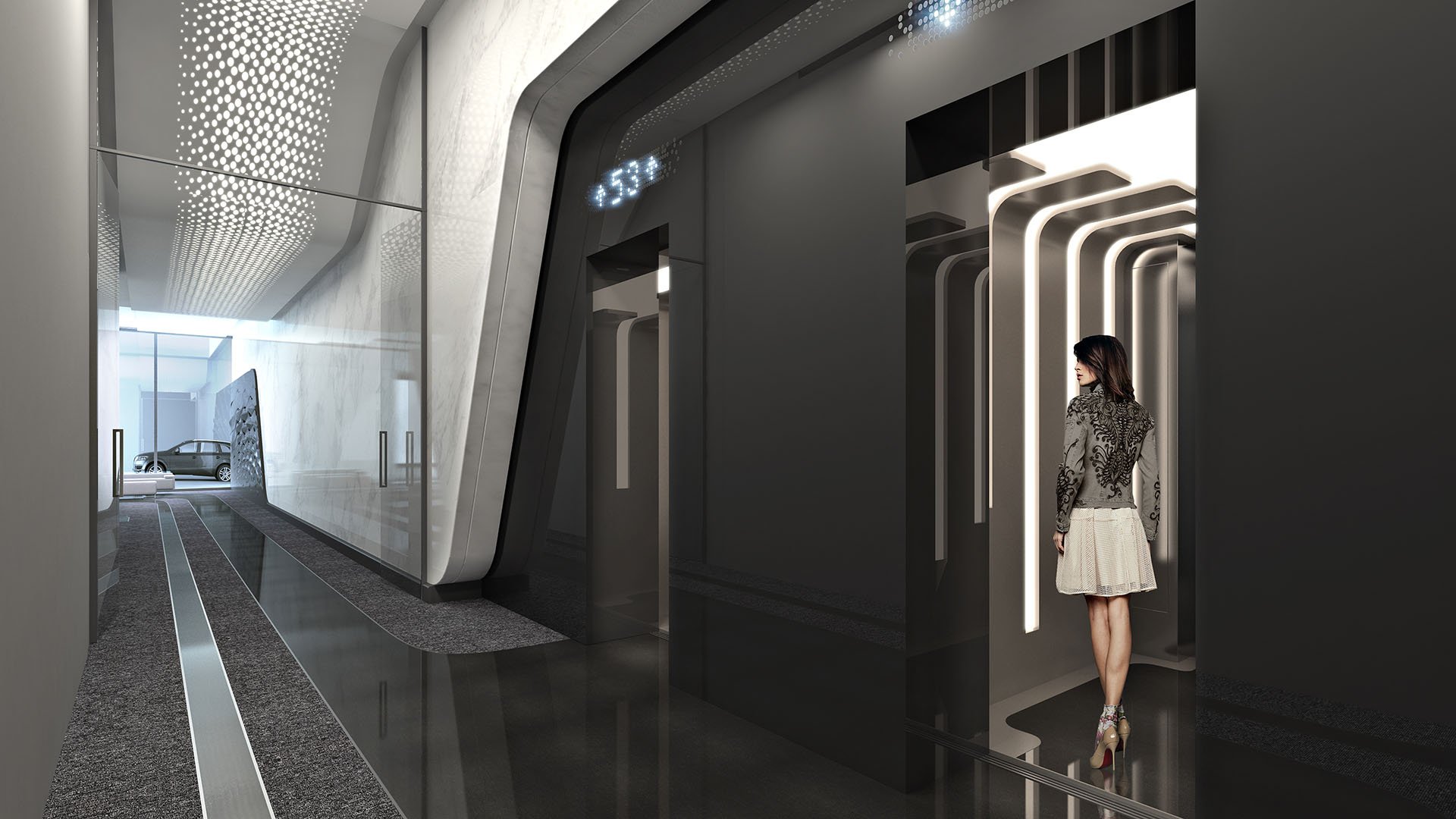
In Wynwood, the purchase conversation often begins with architecture, private outdoor space, views, parking, amenities and proximity to the neighborhood’s creative and dining culture. Yet one of the most consequential questions is quieter: how does the building move things that are too large, too delicate or too disruptive for a passenger elevator?
Service elevator availability affects the lived experience of a luxury residence from the first day of ownership. It shapes how a buyer receives furniture, installs art, coordinates designers, manages seasonal wardrobes, renovates millwork, stores wine, accepts appliances and transitions between residences. For a new-construction buyer, it can also influence the rhythm of post-closing work, especially when many owners are completing interiors at the same time.
This is not a secondary operational detail. In a boutique or high-design building, freight movement is part of privacy, security and polish. Buyers considering Frida Kahlo Wynwood Residences, or any urban residence with strong design ambitions, should evaluate logistics with the same seriousness they bring to floor plans and finish packages.
The first question is simple: is there a dedicated service elevator, or does the building use a passenger elevator under protected conditions for moves and deliveries? A dedicated service elevator typically offers more predictable freight handling, while a shared elevator can still work well if the reservation system is disciplined and the building is properly staffed.
Ask how reservations are made, how far in advance they must be requested and whether owners receive priority over vendors, contractors or residents moving in and out. Clarify whether the reservation is exclusive for the full time block or simply grants access within a broader schedule. A three-hour delivery window is very different from a true reserved elevator, especially when an installer needs continuous access.
It is also worth asking how the building handles overlapping requests. In a dense urban setting, the difference between a courteous concierge promise and a written operating procedure can be material. The more sophisticated the residence, the more important it is that the back-of-house system feels calm rather than improvised.
Luxury buyers often select large sectionals, oversized dining tables, sculptural lighting, collectible art and custom cabinetry. Before committing to a residence, ask for the clear elevator cab dimensions, door height, door width, ceiling height, weight limit and turning clearances from the loading area to the elevator and from the elevator to the residence.
The elevator itself is only one part of the route. A sofa may fit inside the cab but fail at a corridor turn. A stone slab may clear the elevator but not the service hallway. A large painting may require special handling or a different installation method. Buyers should have their designer, art handler or moving company review the full route before closing or before ordering significant pieces.
This is particularly relevant in neighborhoods where buyers are choosing design-forward residences near Midtown, Edgewater and the Design District. A buyer comparing Wynwood with Miami Design Residences Midtown Miami may find that logistics, not only finishes, influence the ease of furnishing the home.
Ask for the building’s move-in and delivery rules in writing. The essentials include permitted days, permitted hours, holiday restrictions, weekend policies, elevator padding requirements, loading dock access, security check-in, vendor insurance requirements and whether a refundable deposit or nonrefundable fee applies.
Blackout dates deserve special attention. Some buildings restrict freight movement during major events, peak hospitality periods, high-traffic weekends or building maintenance windows. In Wynwood, where lifestyle and cultural calendars can shape street activity, buyers should ask how management anticipates congestion and protects residential privacy.
Quiet hours also matter. If a buyer plans immediate upgrades, window treatments, closet systems or audiovisual work, the service elevator schedule must align with contractor access. A beautiful residence can become frustrating if every delivery or installation depends on narrow windows that conflict with vendor availability.
A service elevator is only as useful as the path leading to it. Ask where trucks stop, whether there is a covered loading area, how many vehicles can be accommodated, what size trucks are allowed and whether advance security clearance is required. If the building has a valet court, porte cochère or compact urban frontage, understand how freight activity is separated from resident arrivals.
The ideal experience preserves discretion. Owners should not feel that personal belongings, art crates or contractor materials are moving through the same social spaces where residents greet guests. Ask whether deliveries enter through a back-of-house corridor and whether staff escorts vendors to residences.
For buyers assessing urban luxury beyond Wynwood, this same question applies in nearby vertical markets. At EDITION Edgewater, the broader Edgewater conversation may center on skyline living and waterfront adjacency, but the best buyer diligence still includes how the residence functions behind the scenes.
Even buyers purchasing a move-in-ready home should ask how future work is handled. Can contractors reserve the service elevator? Are there limits on consecutive reservation days? Are construction materials stored on-site, or must they move in and out daily? Does management require protective coverings in corridors? Are there separate rules for demolition, millwork, flooring or plumbing work?
The answers will shape the buyer’s ability to personalize the residence. For an investment-minded owner, these rules may also affect future leasing preparation, resale staging and maintenance turnover. A building that manages vendors efficiently can protect the value of the ownership experience, while a building with vague rules can create delays and friction.
Ask who enforces the rules. A written policy is strongest when paired with staff who understand luxury expectations: punctuality, privacy, clean corridors, protected finishes and minimal disturbance to other residents.
In any new project, early ownership can bring concentrated demand for the service elevator. Multiple owners may be moving in, designers may be installing furniture, developers may be completing punch-list items and vendors may be working across several residences. That does not mean the building is a poor fit. It means buyers should ask how the opening period will be managed.
Questions should include whether early move-ins are phased, whether elevator reservations are capped, whether priority is assigned by closing date and whether the association or management team has a dedicated move coordinator. If a buyer has a firm occupancy deadline, that timeline should be discussed before contract commitments become irreversible.
The same discipline applies in established neighborhoods such as Brickell. A residence at 2200 Brickell may invite a different lifestyle comparison than Wynwood, but buyers in both markets benefit from understanding how freight, staff and residents interact during high-demand moments.
Service elevator diligence should occur before the final decision, not after closing. Ask the sales team, association, management office or owner representative for rules, specifications and reservation procedures. If the residence will require immediate furnishing, art installation or construction, make those logistics part of the purchase calendar.
A well-run building makes this conversation feel precise. The right answers are not merely reassuring; they are operational. They tell the buyer whether the residence can support a seamless move, a curated interior and future changes without compromising privacy or calm.
In Wynwood, where design, culture and urban convenience define the appeal, service elevator availability is part of luxury itself. The goal is not simply to own a beautiful residence. It is to live beautifully once the doors open.
What is the first service elevator question to ask? Ask whether the building has a dedicated service elevator or uses a protected passenger elevator for freight, moves and vendor access.
Why do service elevator dimensions matter? Large furniture, art, lighting and cabinetry may require specific cab dimensions, door clearances and turning radiuses.
Should I ask for the elevator rules in writing? Yes. Written rules help clarify reservation windows, fees, insurance requirements, quiet hours and delivery procedures.
Can service elevator access affect my move-in date? It can. Limited reservation windows or peak demand may influence how quickly a residence can be furnished and occupied.
What should my designer review before ordering furniture? Your designer should review elevator dimensions, loading routes, corridor turns, residence entry clearances and installation rules.
Are blackout dates important in Wynwood? Yes. Event traffic, building operations or management policies may limit when large deliveries and moves can occur.
What insurance documents do vendors usually need? Many buildings request certificates of insurance, but the exact requirements should be confirmed with management before scheduling work.
How does a loading dock affect the ownership experience? A clear loading path can protect privacy, reduce lobby disruption and make deliveries feel more discreet and efficient.
Should renovation rules be reviewed before closing? Yes. Contractor hours, elevator reservations, material handling and corridor protection can all affect future customization.
Is service elevator diligence relevant for resale value? It can support a smoother ownership experience, especially for buyers who value design flexibility, privacy and efficient maintenance.
When you're ready to tour or underwrite the options, connect with MILLION.
If branded residences are on your mind — as a home or as an allocation — we would be glad to share what we are seeing, privately.
Begin a quiet conversation