A practical, discreet guide for Argentine families evaluating Coral Gables condos through layout, schools, governance, taxes, insurance, and long-term residential fit.
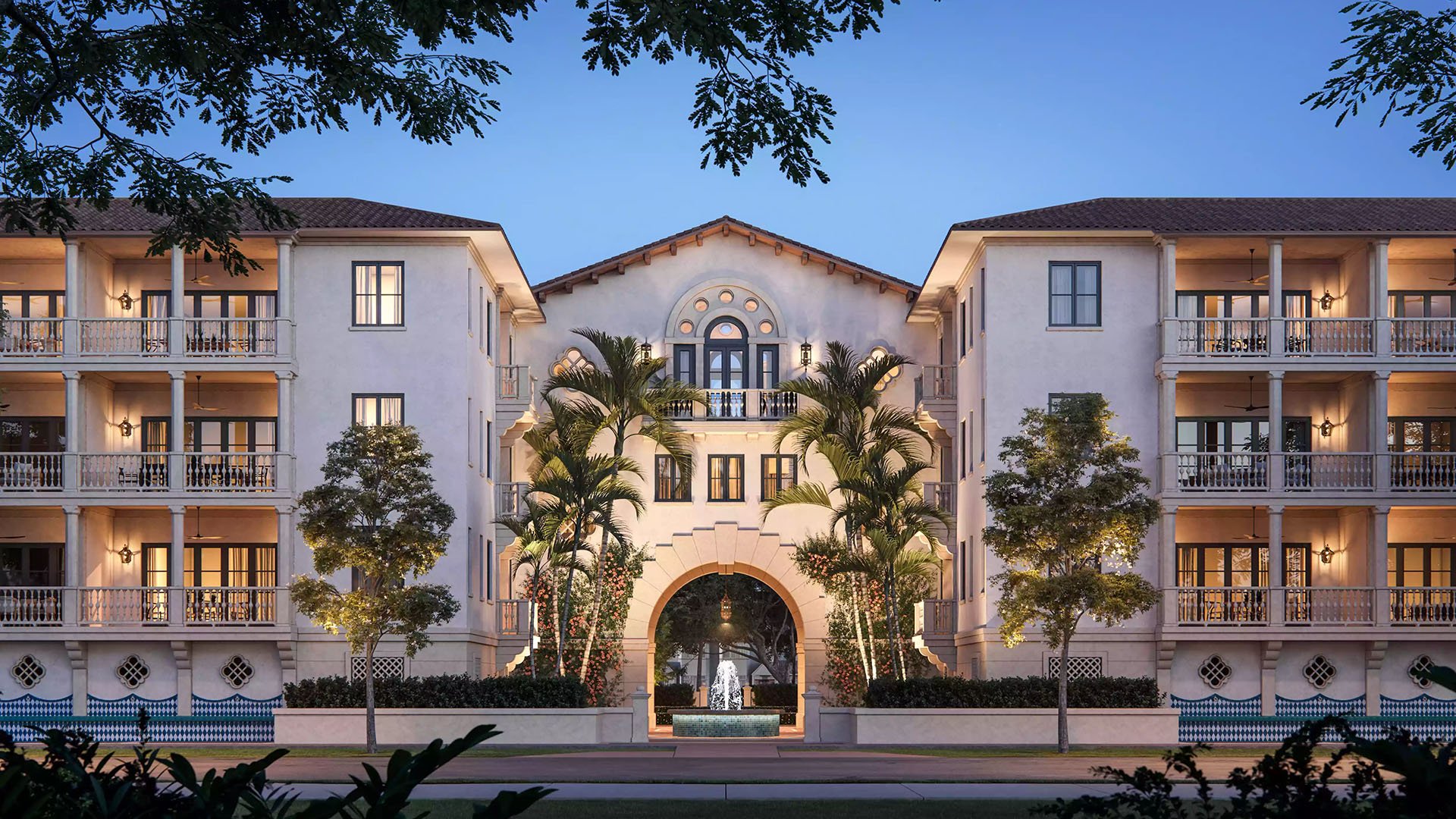
For families arriving from Buenos Aires, Coral Gables can feel more residential and composed than some of South Florida’s more resort-driven condo corridors. The appeal is less about direct beach access and more about neighborhood order, mature streetscapes, civic polish, cultural proximity, and a daily rhythm that can support children, parents, guests, and long-term ownership.
For a Coral Gables buyer search, the question is not simply whether a residence has a dramatic view. It is whether daily life works gracefully: school routes, parking, storage, visiting relatives, staff access, quiet study space, and a separation between entertaining areas and bedrooms.
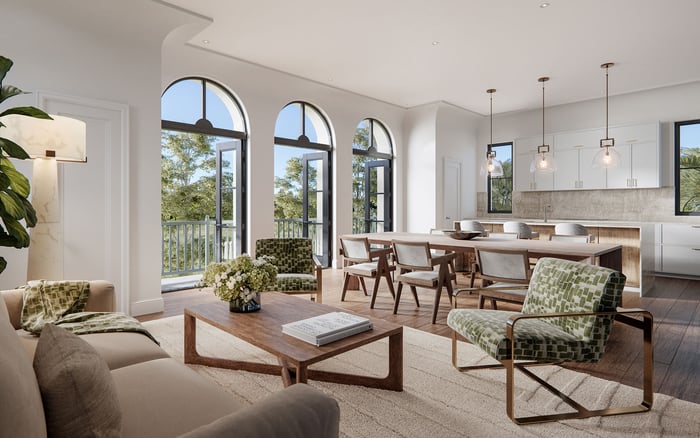
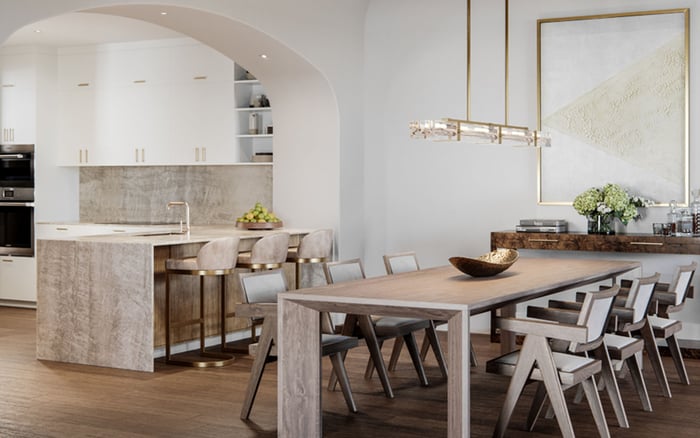
“Family-scale” is not a formal legal category. It is best used as a private buyer filter for residences with enough bedrooms, flexible work or study space, real living and dining proportions, meaningful storage, assigned parking, and enough privacy for primary-residence life.
Buenos Aires buyers should be especially alert to layout. Many porteño households are accustomed to homes with clearer room hierarchy: reception areas, bedrooms set apart, service functionality, balconies, and acoustic privacy. In South Florida, a large square-footage number can still feel casual if the plan is too open, if bedrooms sit directly off the entertaining area, or if storage is treated as an afterthought.
Newer construction can reduce certain maintenance concerns, but it should not replace diligence. A beautiful lobby does not answer questions about association governance, reserves, insurance, rental rules, pet policies, parking status, or future assessments.
Downtown Coral Gables and the Miracle Mile area offer one of the city’s most walkable condominium lifestyles, with restaurants, retail, offices, and civic amenities close to major corridors. Even so, family buyers should test the practical commute: school drop-off, sports, weekend errands, guest parking, and the second-car question.
In this context, projects such as Cora Merrick Park, Ponce Park Coral Gables, and The Village at Coral Gables can be useful starting points for families comparing Coral Gables living patterns. The exercise is not to chase a name first. It is to measure each building against the rhythms of school, work, dining, visiting relatives, and seasonal use.
Some families also compare Coral Gables with nearby Coconut Grove when they want a greener, village-like, waterfront-adjacent atmosphere without making the beach the center of daily life. A project such as Four Seasons Residences Coconut Grove belongs in that broader comparison when the buyer is balancing Coral Gables order with Grove character.
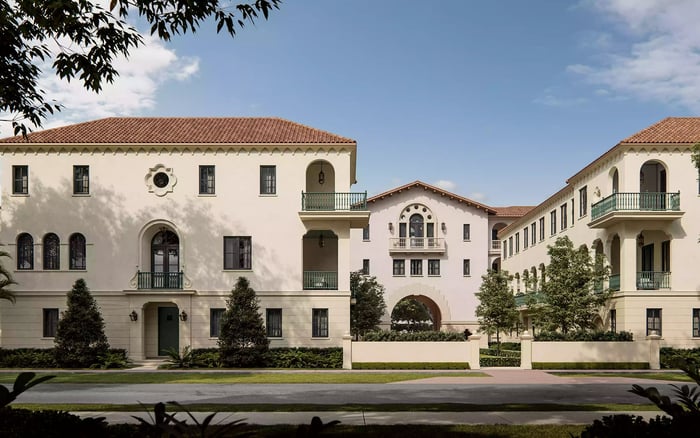
Coral Gables is valued by many families for a more controlled sense of neighborhood character. For condo buyers, that matters because nearby land use, building scale, parking patterns, and redevelopment potential can influence how a residence feels over time.
A carefully planned environment can appeal to Argentine buyers seeking permanence rather than spectacle. Yet the same discipline means each property should be evaluated by its exact location, not just the city name. A condo near the most active urban core will live differently from one closer to quieter residential pockets or institutional anchors.
School planning should be address-specific. Buyers should verify the exact property through official assignment tools rather than assuming every Coral Gables address carries the same school outcome. Private-school planning should also start early, particularly for families relocating mid-cycle or coordinating international curricula.
For many Argentine families, the purchase is not only a home base. It is a dollar-denominated family platform that may need to serve school years, university planning, internships, visiting relatives, seasonal use, and eventual resale.
Before closing, buyers should review the declaration, bylaws, rules, current budget, reserves, insurance, assessment history, association governance, and any pending litigation. They should confirm rental restrictions, pet rules, parking deed status, guest parking, storage rights, storm protections, insurance deductibles, and any known upcoming special assessments.
For older buildings, structural and reserve diligence deserves special attention. A family-scale condo is often a long-hold purchase, so the buyer is not only choosing a floor plan. The buyer is joining a financial and governance structure that can materially shape carrying costs and resale confidence.
Flood exposure should also be checked building by building. Coral Gables is not a single insurance story. Elevation, flood-zone status, lender requirements, master policy terms, and wind coverage can affect both financing and annual ownership costs.
Argentine buyers should decide early whether they are purchasing personally, through an entity, or with family members. Foreign buyers who expect to rent, sell, or structure ownership through an entity should obtain U.S. tax advice before signing a contract.
Florida homestead benefits, federal reporting, rental-income treatment, and resale withholding can depend on residency, ownership structure, and intended use. Before making an offer, buyers should review county property records, assessed values, exemptions, ownership history, and professional tax guidance.
The best purchase plan includes the exit plan: how title will be held, how taxes will be handled, what documentation will be needed, and whether rental income is part of the strategy.
Is Coral Gables a beach alternative for Argentine families? Yes, if the goal is civic quality, schools, walkability, and residential stability rather than direct beach access.
What does family-scale mean in a Coral Gables condo? It usually means enough bedrooms, a flexible den, real dining space, storage, parking, and private bedroom separation.
Is family-scale a legal condominium term in Florida? No. It is a buyer-use description rather than a formal legal category.
Should I rely on the Coral Gables name for school assignment? No. Verify the exact address because school logistics can vary by property location.
Why is neighborhood character important in Coral Gables? It affects how the area may feel over time, including building scale, nearby use, traffic patterns, and long-term residential comfort.
Are older condo buildings riskier for long-hold buyers? They require deeper review of reserves, insurance, structural obligations, assessments, and association governance.
Should Buenos Aires buyers prioritize balconies? Balconies can matter, but acoustic privacy, storage, bedroom separation, and service functionality may matter more.
Can a foreign buyer assume Florida homestead benefits? No. Eligibility depends on the buyer’s circumstances, so foreign or part-time owners should obtain professional advice.
What should be reviewed before signing a condo contract? Review governance documents, budget, reserves, insurance, litigation, rental rules, pet rules, parking, storage, and assessments.
Why should Argentine buyers plan their exit before purchasing? Ownership structure, documentation, tax treatment, and resale withholding can affect the eventual sale, so planning should begin early.
For a confidential assessment and a building-by-building shortlist, connect with MILLION.
If branded residences are on your mind — as a home or as an allocation — we would be glad to share what we are seeing, privately.
Begin a quiet conversation