A discreet buyer’s guide to Midtown Miami as an urban South Florida base, focused on privacy, building selection, lifestyle rhythm, and refined comparisons across nearby luxury markets.
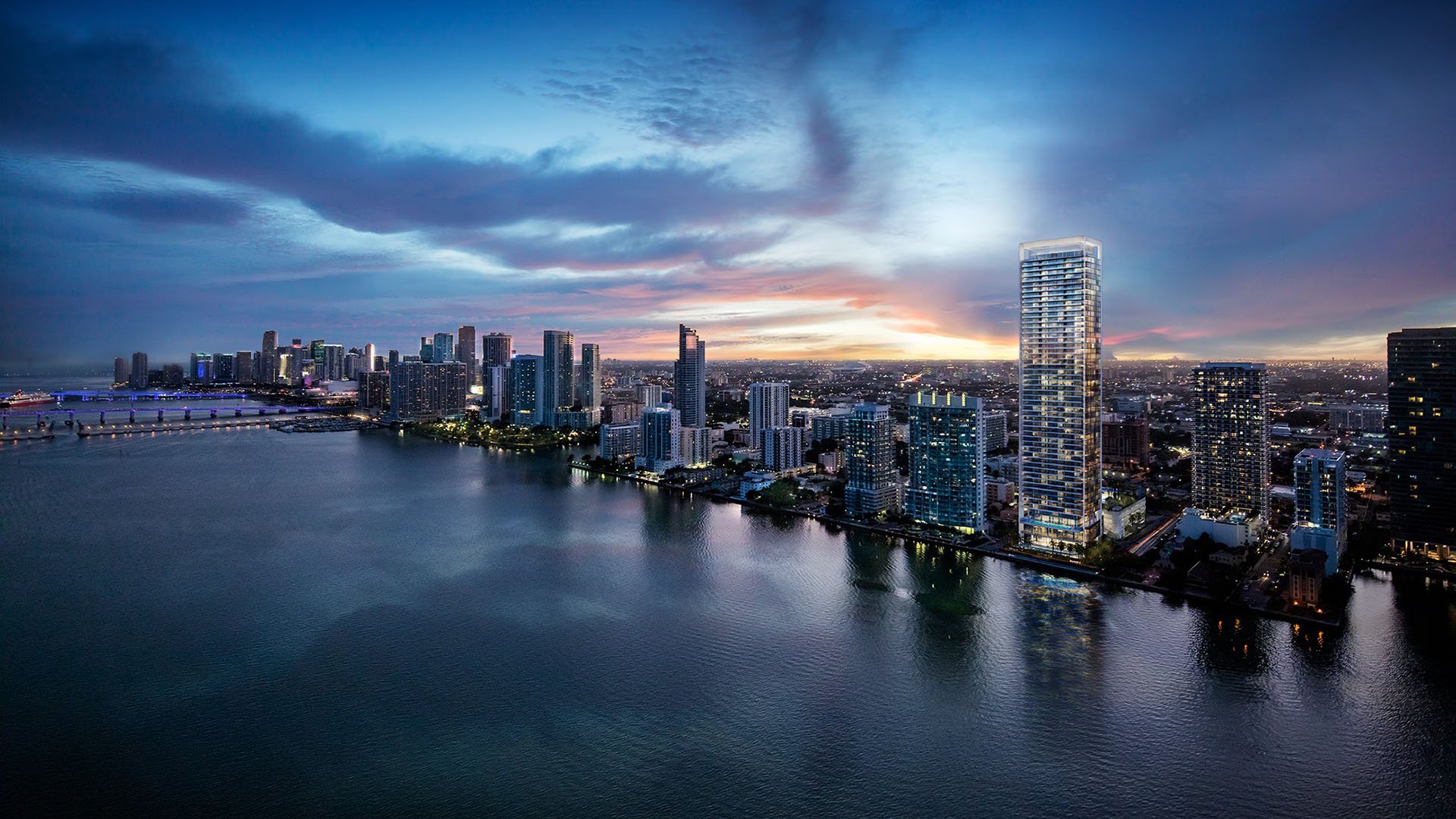
For buyers who want South Florida without the constant performance of a resort address, Midtown Miami can be read through a more discreet lens. Its appeal is not the fantasy of total isolation. It is the ability to live with urban convenience while keeping one’s personal world carefully composed.
Here, privacy is practical rather than theatrical. It is shaped by how a resident arrives, how guests are received, how elevators are managed, how much a home reveals from the street, and whether daily routines can unfold without unnecessary exposure. A buyer seeking a refined base should therefore evaluate Midtown Miami less as a label and more as a set of conditions: access, scale, circulation, service culture, and the ability to move through the city without making the residence itself the headline.
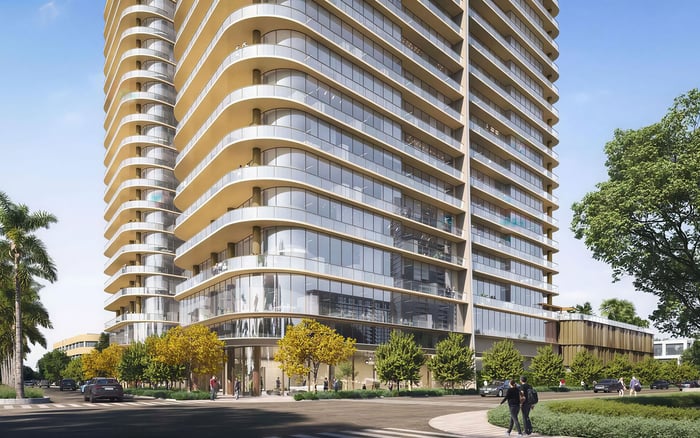
That is why a Midtown search can sit comfortably beside more familiar luxury comparisons. A buyer may study Miami Design Residences Midtown Miami as a Midtown reference point, then compare the feeling of the address against coastal, financial-district, and garden-residential alternatives. The question is not which location is louder. The question is which location allows a private life to function with the least friction.
The most successful private residences are not defined by square footage or finishes alone. They are defined by separation. Separation between public and residential entrances. Separation between entertaining areas and bedrooms. Separation between service movement and family life. Separation between the city outside and the calm inside.
In Midtown Miami, that means a buyer should examine the sequence from curb to residence with unusual care. Is arrival intuitive and controlled? Does the lobby feel composed rather than performative? Are common areas designed for lingering crowds or quiet passage? Can packages, staff, drivers, guests, and household needs be handled without turning the home into a stage?
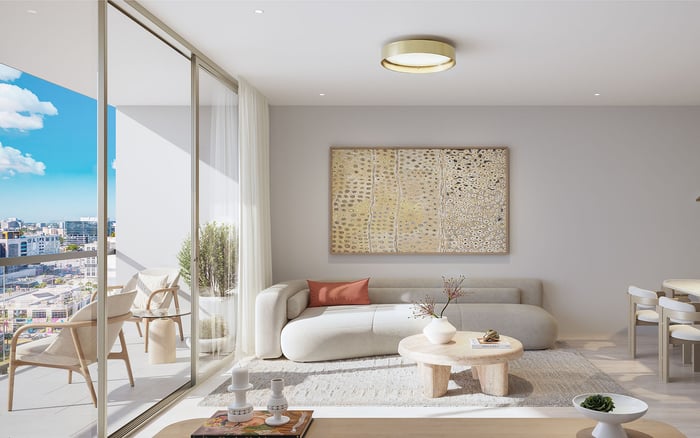
The same discipline applies inside the residence. Deep terraces, thoughtful window placement, proper bedroom separation, and flexible rooms can make an urban home feel unexpectedly private. A buyer who entertains occasionally may want a formal public zone that protects the family quarters. A buyer who works from home may want a study that is not visually or acoustically exposed to the main living room. A collector may care more about wall space and controlled light than spectacle.
A practical search brief may include boutique scale, new-construction condition, investment discipline, and comparisons with Brickell, Edgewater, and Wynwood. Those terms are not merely categories. They describe competing versions of privacy, each with its own rhythm.
Midtown Miami can make sense for buyers who want a central urban base without defaulting to the most globally recognized waterfront addresses. It may appeal to those who divide time between neighborhoods, maintain a separate beach or country property, or prefer a lock-and-leave residence that feels polished without becoming overly conspicuous.
This buyer is often less interested in being seen at the entrance and more interested in making life easy. Private dinners, studio visits, wellness appointments, airport runs, school or family logistics, and informal meetings all influence the choice. The residence becomes a command center, not a trophy cabinet.
For some, Brickell remains the more natural comparison because it carries a strong vertical-city identity. A project such as 2200 Brickell may enter the conversation for buyers who want a more established financial-district frame. Midtown, by contrast, can be evaluated as a softer urban base, especially for those whose lives are not centered on a single office corridor.
Edgewater offers another comparison, particularly for buyers who want proximity to the bayfront residential mood. Aria Reserve Miami may be part of that wider study for clients balancing views, access, and building scale. Midtown’s role in the conversation is different. It asks whether the buyer values discretion through urban practicality rather than privacy through distance.
A privacy-focused buyer should tour with a different checklist than a buyer chasing a postcard view. The first test is arrival. The second is sound. The third is sightline. The fourth is service.
Arrival should feel calm at different times of day. A residence that feels private only during a quiet morning may behave differently during peak social hours. Sound should be assessed from bedrooms, terraces, elevators, corridors, and amenity-adjacent spaces. Sightlines matter because privacy is compromised when neighboring buildings, common decks, or public approaches look directly into living areas. Service matters because even the most beautiful residence can feel exposed if the building culture is careless.
Buyers should also consider how guests are hosted. A refined base does not need to be antisocial. It needs to let the owner decide when the home opens and when it disappears. The best layouts allow a dinner, family visit, or business conversation to occur without revealing the entire private life of the household.
Nearby alternatives can sharpen that decision. Kempinski Residences Miami Design District may appeal to buyers who want a branded residential context connected to a design-forward identity. The Cove Residences Edgewater may suit those weighing a different waterfront-adjacent cadence. The point is not to rank neighborhoods by status. It is to identify where the buyer’s personal privacy actually improves.
For many affluent buyers, the primary question is not whether Midtown Miami replaces a waterfront estate, a Palm Beach residence, or a Miami Beach apartment. It is whether Midtown can serve as the efficient city base within a broader South Florida life.
That distinction is important. A base is judged by utility, comfort, and discretion. It should reduce transitions. It should make the city easier. It should let the owner arrive, reset, host selectively, and leave without complication. When chosen well, it can feel more personal than a larger address that demands constant maintenance or social visibility.
Miami Beach comparisons remain relevant for buyers who want sand, resort energy, or a stronger coastal identity. Coconut Grove, Coral Gables, Bay Harbor Islands, and other enclaves may offer different forms of quiet. Midtown’s potential advantage is neither seclusion nor ceremony. It is the ability to be in the city without turning the home into a public declaration.
That makes due diligence essential. Privacy is not guaranteed by a neighborhood name. It is earned through the specific residence, the building’s operating culture, the owner’s routine, and the discipline of selecting only what supports the way one actually lives.
Is Midtown Miami appropriate for privacy-focused buyers? It can be, especially when the chosen building offers controlled arrival, thoughtful circulation, and residences that protect personal space.
Does privacy in Midtown mean isolation? No. It means the ability to live centrally while controlling exposure, access, and the rhythm of daily life.
What should buyers examine first during a tour? Start with the arrival sequence, lobby atmosphere, elevator access, corridor design, sightlines, and sound levels.
Is a boutique building always more private? Not always. Smaller scale can help, but privacy depends on operations, layout, staffing, and how residents move through the property.
How does Midtown compare with Brickell? Brickell may feel more connected to a financial-district lifestyle, while Midtown can be considered for a more flexible urban base.
How does Midtown compare with Edgewater? Edgewater often enters the conversation for buyers studying a bayfront residential mood, while Midtown may appeal for practical urban positioning.
Should Wynwood be part of the comparison? Yes, for buyers who want to understand the surrounding urban energy and decide how much creative-neighborhood intensity suits their lifestyle.
Is new construction important for privacy? It can be important when newer design improves layouts, amenity separation, building systems, and the overall resident experience.
Can Midtown work as an investment base? It may, if the residence aligns with long-term usability, disciplined acquisition criteria, and the buyer’s broader South Florida plan.
What defines a refined Midtown purchase? A refined purchase is one where the home feels calm, the building operates discreetly, and the location supports life without overexposure.
When you're ready to tour or underwrite the options, connect with MILLION.
If branded residences are on your mind — as a home or as an allocation — we would be glad to share what we are seeing, privately.
Begin a quiet conversation