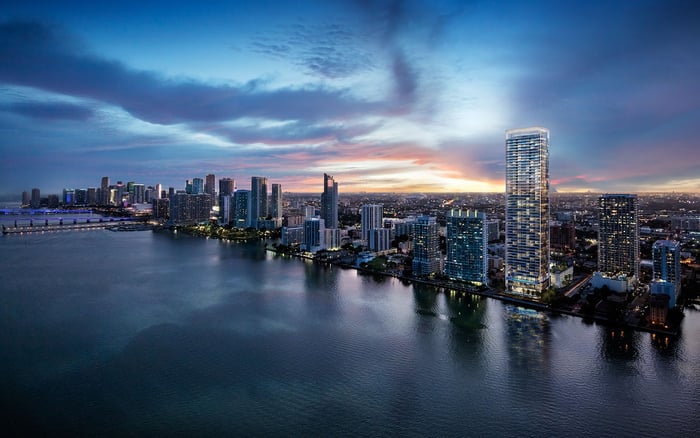
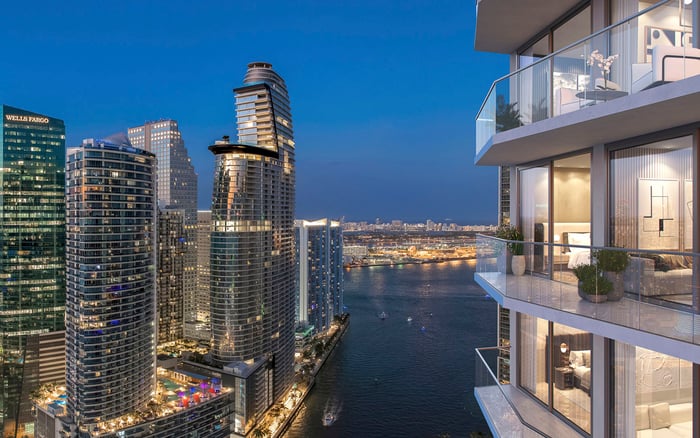
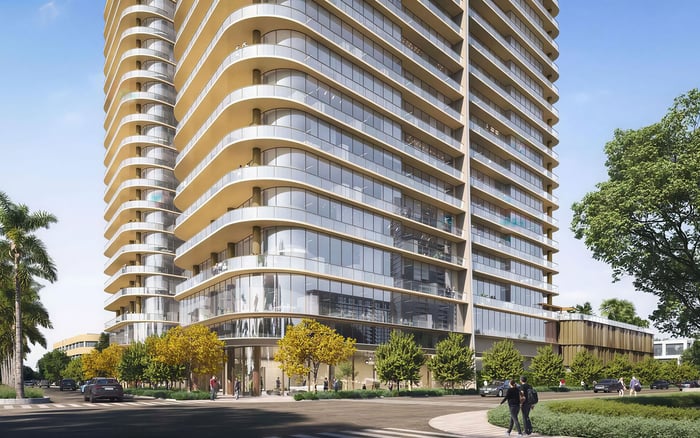
Miami Music Week reframes the South Florida pied-à-terre as a tool of access, privacy, and intelligent positioning, especially for buyers drawn to the Miami Design District.
For the ultra-premium buyer, Miami Music Week is less a party calendar than a live demonstration of how a residence performs under pressure. The week compresses dinners, late arrivals, private gatherings, gallery visits, hotel meetings, and spontaneous invitations into a narrow window. In that environment, a pied-à-terre is not judged by its view alone. It is judged by how gracefully it supports movement, recovery, privacy, and choice.
That is why the Miami Design District has become a more serious consideration for certain South Florida buyers. Its appeal is not merely aesthetic. It is strategic. A better-positioned home can place an owner close to the city’s social and cultural current without requiring them to live inside its most congested expression. During high-demand weeks, that distinction matters.
A pied-à-terre in this context should feel effortless: easy to arrive, easy to leave, simple to maintain, and capable of serving as a calm private base between public-facing commitments. For buyers who already own larger primary estates elsewhere, the question becomes sharper: where does a Miami residence create the most daily utility when the city is at its most animated?
South Florida has long rewarded trophy addresses, but event-driven weeks reveal a subtler hierarchy. The most useful residence is not always the one with the most obvious postcard setting. It may be the one that shortens the distance between a morning appointment, an afternoon fitting, an early dinner, and a late-night return.
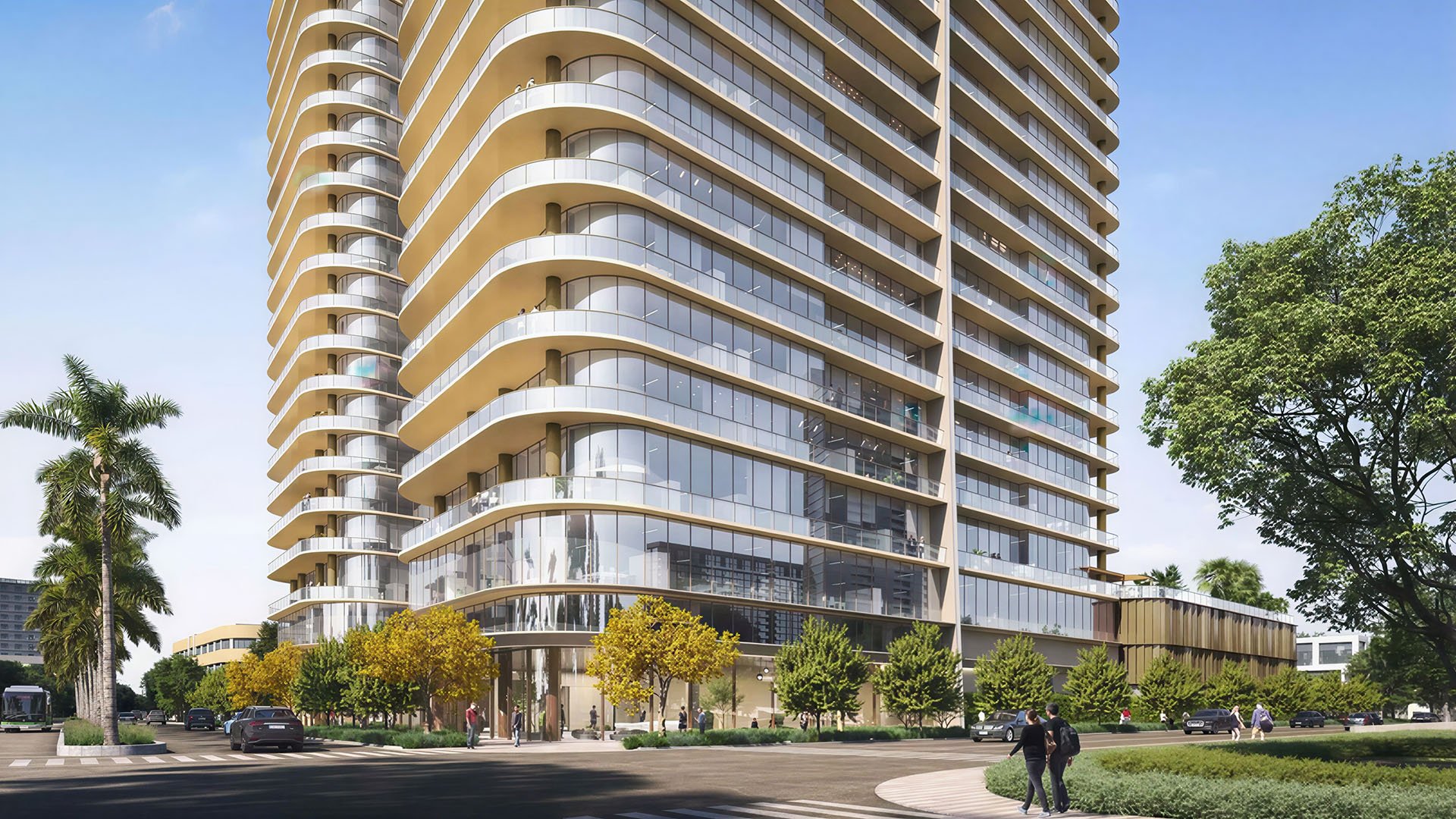
For that reason, projects tied to the Design District and its surrounding neighborhoods deserve careful attention. Kempinski Residences Miami Design District speaks directly to the buyer considering a refined base near Miami’s design-led core. Nearby, Miami Design Residences Midtown Miami offers another way to think about proximity for owners who want the neighborhood relationship without relying on a traditional beach-first thesis.
This is not an argument against oceanfront ownership. It is an argument for matching the asset to the way the owner actually uses Miami. A buyer who comes for winter weekends may value sand, horizon, and resort rhythm. A buyer who arrives for Miami Music Week, art events, brand dinners, and private client meetings may place a higher premium on centrality, discretion, and the ability to move across the city with fewer compromises.
The best pied-à-terre does not punish absence. New-construction buyers often focus on finishes, architecture, and amenity language, but the more enduring test is operational. Can the home remain ready between visits? Does the building support a lifestyle that alternates between intense use and long quiet periods? Does the owner feel served without feeling exposed?
For a South Florida second home, this is practical luxury. The residence should hold clothing, art, wine, wellness routines, and working needs in a way that lets the owner land and resume life immediately. During a week like Miami Music Week, that readiness becomes more visible. A delayed check-in, an inconvenient parking sequence, or a location that turns every outing into a negotiation can diminish the value of an otherwise beautiful home.
Privacy is equally important. Many buyers do not want the energy of the week inside their lobby. They want access to the calendar, then separation from it. A better-positioned pied-à-terre should make both possible, allowing an owner to be present in Miami without surrendering the rituals that make a second residence feel personal.
The buyer’s map is rarely limited to one neighborhood. Brickell remains compelling for those who want a financial-district rhythm, skyline energy, and proximity to formal business life. A project such as 888 Brickell by Dolce & Gabbana may appeal to the owner who wants a more vertical, branded expression of Miami living, especially when business and social calendars overlap.
Wynwood serves a different buyer psychology. It is more experimental, more creative, and often attractive to owners who want to feel close to the city’s emerging cultural edge. It can complement the Design District conversation because both areas speak to buyers who are not choosing Miami only for the beach.
Edgewater can be a bridge between those worlds. It gives some buyers a waterfront-adjacent residential feel while keeping them oriented toward the urban core. The Cove Residences Edgewater fits naturally into that comparison for clients who want to remain connected to central Miami while considering a calmer residential setting.
Miami Beach still has its own gravitational pull, particularly for buyers who want resort identity, established prestige, and immediate coastal atmosphere. The key is not to rank these areas universally. The key is to decide which area best supports the owner’s real itinerary during the weeks when Miami matters most.
A strong pied-à-terre search begins with access, but it should not end there. Buyers should consider the building’s arrival sequence, the quality of private and semi-private spaces, the ease of hosting a small gathering, and the ability to step away from activity when needed. The residence should function for a quick solo trip, a couple’s long weekend, or a small group of close friends.
Interior planning deserves particular scrutiny. The most useful layouts are not always the largest. They provide separation between sleeping, dressing, working, and entertaining. They offer a place to decompress after late nights and a polished backdrop for daytime meetings. A terrace can matter, but so can acoustic comfort, elevator experience, storage, and the feeling of control.
For buyers who still want the prestige of Miami Beach in the conversation, The Perigon Miami Beach illustrates how the beach thesis can remain relevant. The comparison is useful because it forces clarity. Is the goal a coastal retreat that occasionally participates in the city, or an urban pied-à-terre that keeps the city close while preserving private calm?
Investment discipline does not require a cold view of lifestyle. In Miami, the strongest luxury decisions often blend personal utility with durable positioning. A pied-à-terre that an owner uses repeatedly, confidently, and with minimal friction can justify itself in ways that pure spreadsheet logic may not capture.
Still, discipline matters. Buyers should avoid purchasing only for one week of the year. Miami Music Week is a revealing stress test, not the entire thesis. The better question is whether the same residence also works during art season, holiday travel, family visits, board meetings, and quiet weekends when the owner wants restaurants, design, wellness, and privacy without overplanning.
This is where the Miami Design District argument becomes compelling. It sits within a lifestyle pattern broader than nightlife. For the right buyer, it supports a year-round Miami habit built around culture, access, taste, and convenience. The residence becomes less of a trophy held at a distance and more of a precise instrument for living well in South Florida.
Why does Miami Music Week matter for pied-à-terre buyers? It reveals how well a residence handles access, privacy, arrivals, and recovery during one of Miami’s most active social periods.
Is the Miami Design District better than the beach for a second home? Not universally. It is better for buyers who value centrality, design culture, dining access, and urban convenience over a purely resort setting.
Should buyers prioritize views or location? The best answer depends on use. For event-driven owners, location and frictionless movement may matter as much as the view.
What makes a pied-à-terre feel truly turnkey? It should be easy to maintain, ready between visits, secure, private, and comfortable for both short stays and longer weekends.
Is Brickell a strong alternative to the Design District? Yes, especially for buyers whose Miami life includes business meetings, skyline living, and a more formal urban rhythm.
How does Wynwood fit into the search? Wynwood appeals to buyers who want proximity to creative energy and a less conventional expression of Miami living.
Can Miami Beach still be the right choice? Absolutely. Miami Beach remains powerful for buyers who want coastal atmosphere, resort identity, and established luxury context.
Should a buyer purchase only because of Miami Music Week? No. The week is a useful stress test, but the residence should also work across the broader South Florida calendar.
What should international buyers consider first? They should focus on ease of arrival, building services, privacy, maintenance, and how quickly the residence feels ready after landing.
Is new construction always preferable for a pied-à-terre? Not always, but it can be attractive when buyers want modern systems, fresh design, and a more predictable ownership experience.
For a discreet conversation and a curated building-by-building shortlist, connect with MILLION.
If branded residences are on your mind — as a home or as an allocation — we would be glad to share what we are seeing, privately.
Begin a quiet conversation