A discreet buyer’s guide to reviewing reserve study assumptions before purchasing luxury real estate in Grove Isle, with practical questions on timing, costs, amenities, exposure, and negotiation.
In Grove Isle, even the most elegant residence can be shaped by a quiet spreadsheet. A reserve study is not the romance of the view, the proportion of a terrace, or the ease of arriving home by the bay. It is the financial model behind the building’s future care, and for a luxury buyer, it deserves calm, close attention.
The point is not to become alarmed by every projected repair or replacement. Sophisticated buildings require ongoing stewardship. The point is to understand the assumptions behind the study: what is expected to wear out, when it is expected to be replaced, how future costs are estimated, and whether the association’s funding path feels credible for the way you intend to own.
For buyers evaluating Vita at Grove Isle or comparing Grove Isle against broader Coconut Grove options, reserve assumptions belong in the same conversation as architecture, privacy, service, and access. A beautiful acquisition should also read clearly on paper.
The first question is simple: what assumptions drive the numbers? A reserve study is a model, and every model reflects choices. It may assume a useful life for major components, a replacement timeline, an inflation factor, a funding method, and a level of contingency. None of those choices is neutral.
Ask whether the study relies on visual inspection, engineering input, association records, recent bids, or broader cost estimates. Ask when it was last updated, and whether any major events have occurred since then that could alter the analysis. In a luxury building, the difference between a theoretical estimate and a current bid can matter, especially when finishes, systems, and access conditions are more complex than in a standard condominium.
Also ask what is excluded. Buyers often focus on the headline reserve balance, but exclusions can be just as revealing. If certain aesthetic upgrades, amenity improvements, technology systems, or discretionary enhancements are not included, the future funding conversation may not be fully captured by the reserve table.
Timing is where reserve studies become most relevant to a buyer’s horizon. A building can be well managed and still have significant projects scheduled in the years just after closing. That does not necessarily make the purchase unattractive, but it does affect negotiation, cash planning, and comfort level.
Ask which components are projected for attention in the next one, three, five, and ten years. Then ask whether those timelines are conservative, moderate, or optimistic. A replacement scheduled far in the future may feel distant, but if the assumption is aggressive, the association could face earlier decisions.
This is especially important for owners buying for a specific chapter: a primary residence, a seasonal base, or a long-term family holding. A buyer planning to hold for decades may view reserves differently from someone focused on a shorter ownership window. In both cases, clarity is the luxury.
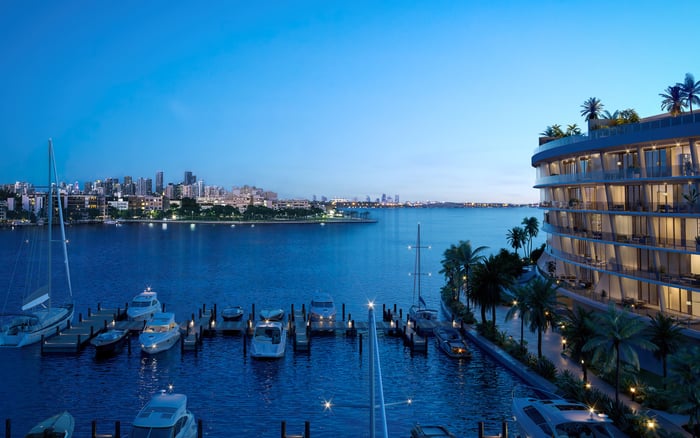
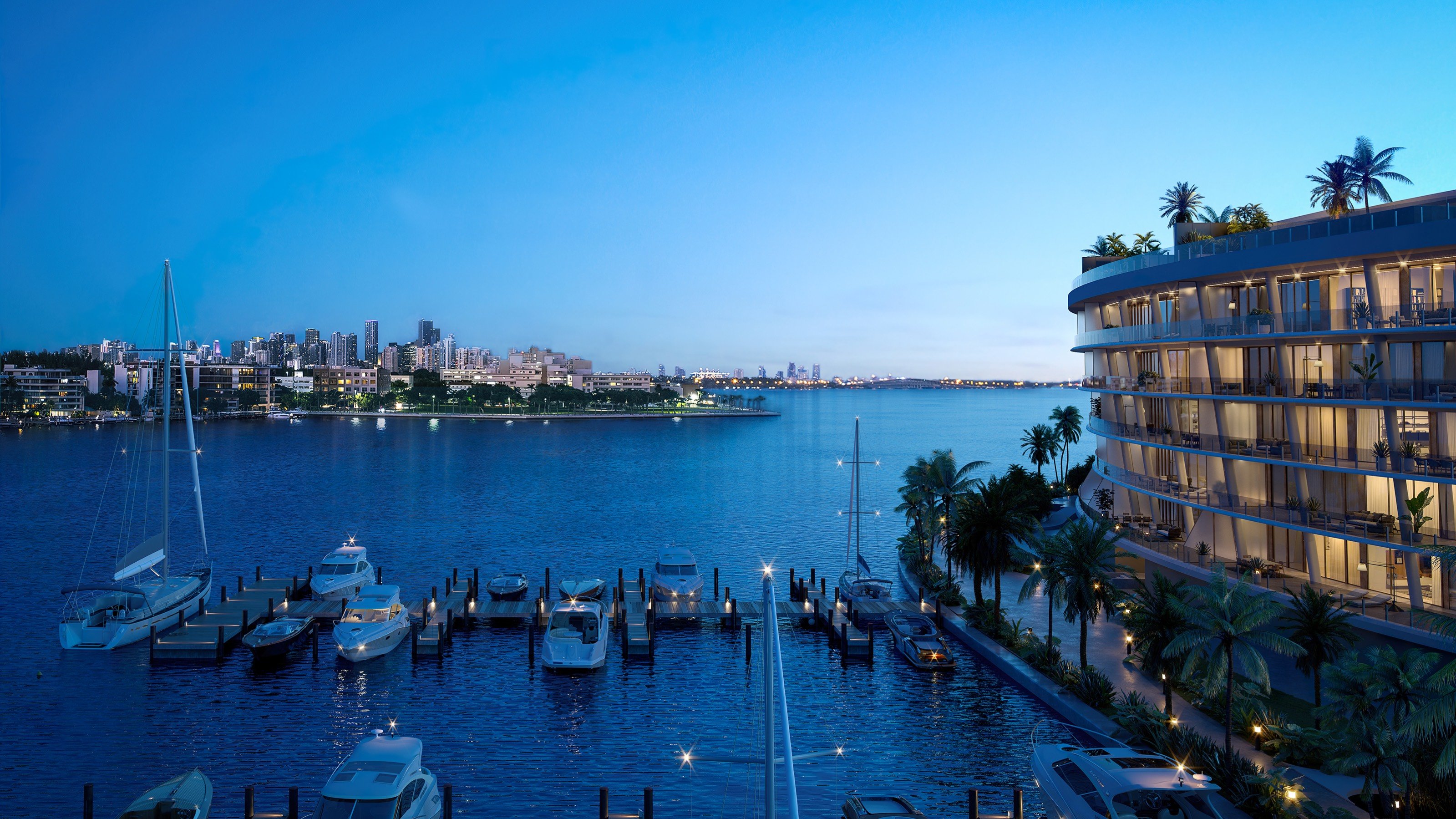
Grove Isle’s appeal is inseparable from the water. The same setting that creates privacy, light, and a sense of removal can also make building stewardship more demanding. Without assigning any specific risk to a particular property, a prudent buyer should ask how the study accounts for waterfront exposure, exterior systems, access logistics, and specialized maintenance.
The right question is not, “Is the building fine?” The better question is, “How does the reserve study translate the building’s setting into cost, timing, and contingency?” If the study treats waterfront conditions generically, ask whether that approach is sufficient. If it uses a more tailored assumption set, ask what evidence supports it.
This is where a luxury advisor, attorney, inspector, and building specialist can work together. The goal is not to second-guess every line item. It is to identify whether the future care of the property has been modeled with the same seriousness the buyer brings to the purchase.
New-construction and Resale opportunities call for different reserve questions. In a new or recently delivered building, early budgets may be based on projections, warranties, developer estimates, and a young operating history. In an established condominium, the association may have more evidence, but also more aging components to evaluate.
For a buyer comparing Grove Isle with Four Seasons Residences Coconut Grove, Park Grove Coconut Grove, or The Well Coconut Grove, the exercise is not about declaring one category safer than another. It is about asking the right questions for the building’s stage of life.
In a newer building, ask how early reserve contributions are expected to ramp up and whether the association budget anticipates a mature operating profile. In an established building, ask whether past maintenance has been proactive or deferred. For both, ask whether the reserve study has been reconciled with the current budget, insurance costs, planned projects, and actual association decisions.
In a Coconut Grove search, buyers often compare lifestyle first. Reserve discipline should sit beside that lifestyle analysis, not behind it.
Luxury amenities are not merely features. They are future obligations. Pools, fitness areas, lobbies, elevators, garages, landscaping, security systems, marine-facing elements, and exterior finishes all have life cycles. The more refined the amenity environment, the more important it becomes to understand how renewal is funded.
Ask whether the reserve study separates ordinary maintenance from capital replacement. Ask whether amenity refreshes are treated as necessary expenditures, discretionary improvements, or excluded items. A lobby renovation, for example, may not be essential in the same way as a mechanical replacement, but it can affect perceived value in a luxury building.
Waterview and Balcony preferences also have financial dimensions. Exterior elements, railings, waterproofing, glazing, and terrace surfaces should be understood within the broader maintenance framework. Buyers do not need to predict every future project, but they should know whether the study gives those elements the attention they deserve.
A reserve study is useful only if it connects to funding. Ask whether the association is funding reserves at a level that aligns with the study, and whether future increases are anticipated. Ask how the board has historically treated reserve contributions, special assessments, and project approvals.
A low monthly payment can be appealing, but it is not automatically a sign of value. If reserves are underfunded, future owners may face larger assessments or sharper increases. Conversely, a higher monthly contribution may reflect a more disciplined approach to long-term care. In luxury real estate, the better question is not which number is lowest, but which number is most honest.
Buyers should also ask whether the study includes inflation assumptions and whether those assumptions feel current. Material, labor, insurance, and access costs can move in ways that affect capital planning. The reserve study should not be read as a promise. It should be read as a planning instrument that requires regular updating.
Reserve concerns do not always mean walking away. They may support a different offer, a seller credit, a request for additional disclosures, or a longer review period. They may also confirm that the building’s stewardship is strong, increasing confidence in paying a premium.
The key is to raise reserve questions early enough to matter. Before contract deadlines, ask for the study, current budget, meeting minutes, pending assessment information, and any relevant project communications available through the transaction process. Then review them with professionals who understand condominium ownership and high-value buildings.
A discreet buyer does not need drama. The strongest position is informed calm: understand the assumptions, price the uncertainty, and decide whether the residence still fits the intended life.
What is a reserve study assumption? It is an estimate used to model future repair, replacement, cost, timing, or funding needs for a condominium association.
Why do assumptions matter before buying in Grove Isle? They can influence future assessments, monthly ownership costs, and the confidence a buyer has in the building’s long-term care.
Should I focus only on the reserve balance? No. The balance matters, but the assumptions behind costs, timing, exclusions, and funding are often more revealing.
What should I ask about major upcoming projects? Ask which projects are expected in the next several years, whether they are fully funded, and whether timelines are considered conservative.
Are luxury amenities part of reserve planning? They may be, depending on how the study is structured. Ask whether amenity replacements and refreshes are included or excluded.
How should I compare a newer building with an older one? Newer buildings may have shorter operating histories, while older buildings may have more known life-cycle needs. Each requires different questions.
Can reserve assumptions affect negotiation? Yes. They may support a revised offer, seller credit, added review time, or a decision to proceed with greater confidence.
Who should review the reserve materials with me? Consider a real estate attorney, inspector, financial advisor, and qualified building specialist familiar with condominium ownership.
Is a reserve study a guarantee of future costs? No. It is a planning tool based on assumptions that should be reviewed, tested, and updated over time.
What is the most important buyer mindset? Treat the reserve study as part of the residence’s architecture: not visible at first glance, but essential to lasting ownership.
For a confidential assessment and a building-by-building shortlist, connect with MILLION.
If branded residences are on your mind — as a home or as an allocation — we would be glad to share what we are seeing, privately.
Begin a quiet conversation