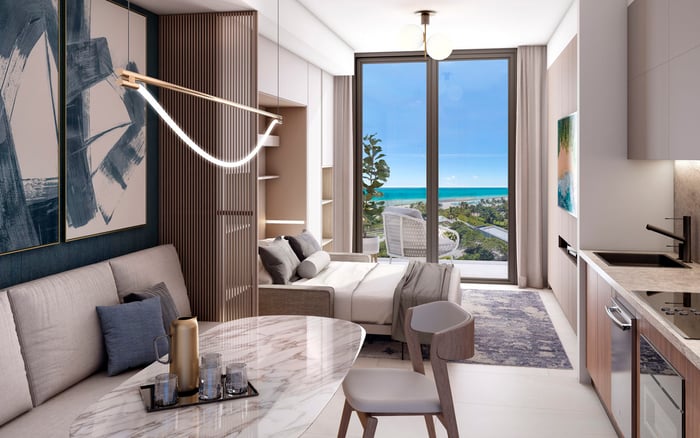
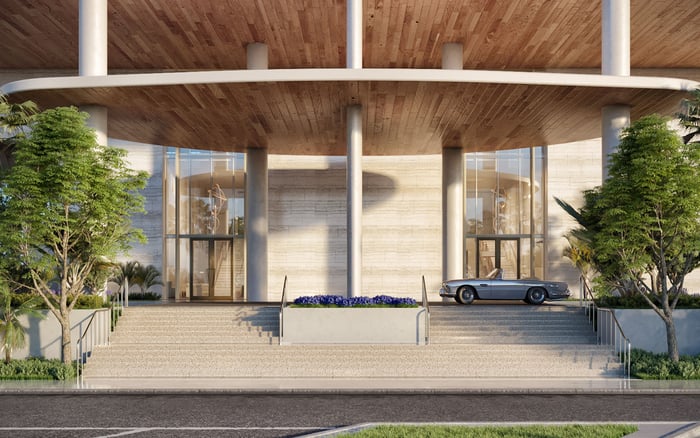
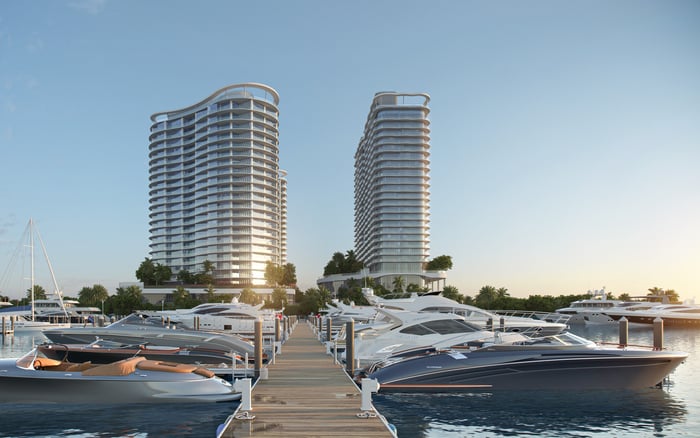
Winter polo season can sharpen the logic for a Fort Lauderdale pied-à-terre by reframing the home as a strategic South Florida base, not merely a seasonal retreat.
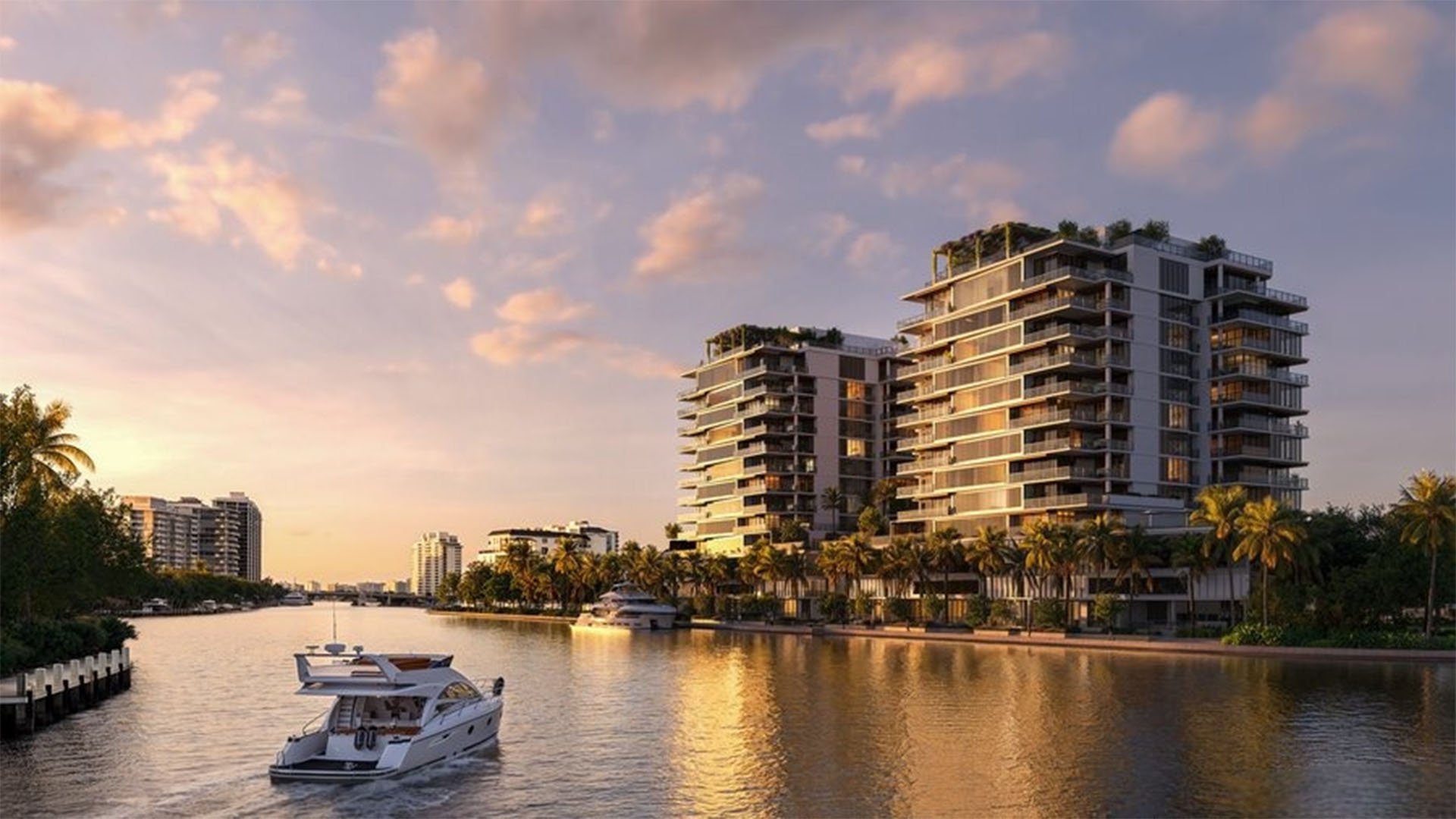
Winter polo season has a way of making geography feel personal. For many South Florida buyers, the question is not simply where to spend the season, but how to move through it with ease. A better-positioned pied-à-terre is less about owning another beautiful address and more about reducing friction among weekday obligations, weekend sport, private dinners, airport arrivals, marina plans, and the inevitable last-minute change of itinerary.
That is where Fort Lauderdale becomes compelling. It sits in the mental map of seasonal South Florida as a poised midpoint: close enough to participate in the Palm Beach orbit, connected enough for Miami appointments, and relaxed enough to feel like an actual retreat. The appeal is not theatrical. It is logistical, discreet, and increasingly aligned with how affluent households use second residences today.
A pied-à-terre in this context is not a smaller compromise. It is a calibrated instrument. The right one should allow an owner to arrive with minimal preparation, entertain without overexposure, leave without maintenance anxiety, and return to a residence that still feels personal. During winter, when the calendar compresses and social commitments multiply, those qualities move from conveniences to essentials.
The winter polo circuit draws attention northward, but that does not mean every buyer wants to live directly inside that rhythm. Many prefer a residence that offers access without immersion. Fort Lauderdale supports that posture. It gives seasonal owners the ability to participate in the polo world, then return to a coastal city with its own dining, boating, beach, and residential identity.
This distinction matters for buyers who value privacy. A highly social seasonal calendar can make a quiet home base feel more valuable, not less. After a day spent in grandstands, tents, clubs, or private compounds, the best pied-à-terre is often the one that allows decompression. Fort Lauderdale can offer that in a way that feels less performative than some legacy enclaves and less urban-intense than certain Miami neighborhoods.
For many households, the buyer shorthand is Fort Lauderdale, Broward, second home, investment, marina, and new construction. Those labels are not a marketing slogan. They describe the way the decision is often framed: location, county, use case, capital discipline, lifestyle access, and building quality.
A winter residence should be judged by how it works during a demanding week. Can one arrive easily, host a guest comfortably, reach the coast quickly, manage a dinner plan without a long drive, and leave the next morning without a cascade of household tasks? That is the standard for a true pied-à-terre.
Fort Lauderdale is especially interesting because it can serve multiple versions of the same owner. For the polo weekend, it is a practical base. For a boating week, it is intuitive. For Miami business or cultural plans, it remains connected. For a quieter family visit, it feels residential. The point is not that one address does everything perfectly, but that a strong Fort Lauderdale address can reduce the number of compromises.
In this sense, projects such as Four Seasons Hotel & Private Residences Fort Lauderdale appeal to buyers who want the polish of a branded environment within a coastal Fort Lauderdale setting. The brand association is not the entire thesis. The larger idea is service, predictability, and the ability to use a residence seasonally without treating it like a second full-time household.
South Florida buyers often speak about views, but the deeper issue is orientation. A pied-à-terre should orient the owner toward the life they actually intend to lead. In Fort Lauderdale, that may mean beach proximity, water access, boating culture, or simply the psychological shift that comes from returning to a residence near the water after a highly programmed day.
The city’s waterfront character also gives the pied-à-terre a dual role. It can support winter polo trips while remaining relevant beyond them. That matters. A seasonal residence tied too narrowly to one event calendar can feel underused once the calendar changes. A Fort Lauderdale home with water, walkability, services, or marina adjacency can remain useful for long weekends, short escapes, and informal entertaining throughout the year.
This is where Riva Residenze Fort Lauderdale enters the conversation naturally for buyers comparing residences with a waterfront sensibility. The value proposition is not merely a view. It is whether the residence supports a rhythm of arrival, pause, and departure with the right degree of refinement.
For ultra-premium buyers, lock-and-leave living is sometimes misunderstood as convenience. In reality, it is a form of risk management. A seasonal owner may be in South Florida for polo, a private event, a boat weekend, or a spontaneous family visit. The residence must be ready without requiring the owner to rebuild domestic infrastructure each time.
That favors buildings with thoughtful staffing, controlled access, durable design, and layouts that make short stays feel natural. It also favors residences that do not demand the emotional and operational weight of a large estate. A pied-à-terre should feel complete, but not burdensome.
For buyers who prefer a more urban-river orientation, Sixth & Rio Fort Lauderdale may belong in the broader comparison set. The more important principle is that a Fort Lauderdale pied-à-terre should match the owner’s actual seasonal pattern, not an abstract idea of prestige.
Palm Beach and Wellington will always hold distinct appeal for certain polo-focused households. Miami offers a different gravitational pull, with a denser cultural and business calendar. Boca Raton, Pompano Beach, and the barrier island communities each have their own logic. Fort Lauderdale’s advantage is its ability to sit between these identities without being diluted by them.
For a buyer who wants one winter command post rather than several specialized residences, that balance matters. Fort Lauderdale can feel coastal without being remote, social without being relentlessly public, and established without forcing the buyer into a single lifestyle lane. It is especially persuasive for owners whose winter calendar combines sport, yachting, dining, wellness, and private travel.
A residence such as St. Regis® Residences Bahia Mar Fort Lauderdale will naturally attract attention from buyers who want the Fort Lauderdale waterfront to play a central role in their seasonal lifestyle. The broader takeaway is that branded or high-service residences are increasingly judged by how well they support time, not only by how they photograph.
The strongest pied-à-terre decision begins with behavior. How often will the owner attend polo? Will the residence be used between matches and social weekends, or only as a seasonal stopover? Is boating part of the lifestyle, or simply part of the view? Will guests stay frequently? Is discretion more important than a high-visibility address?
Once those answers are clear, the search becomes more disciplined. The best Fort Lauderdale pied-à-terre should align with access, privacy, service, and ease of ownership. It should not be chosen solely because it is new, branded, waterfront, or fashionable. Those qualities matter only when they serve the owner’s actual use.
For some buyers, The Ritz-Carlton Residences® Fort Lauderdale may represent the kind of recognizable service profile that makes seasonal ownership feel seamless. For others, a different building scale or neighborhood feel may be more appropriate. The best answer is rarely the loudest one. It is the one that makes the winter season feel effortless.
Polo season sharpens decisions because it reveals inefficiencies. A residence that seemed impressive on paper may feel poorly positioned after repeated drives, awkward arrivals, limited privacy, or insufficient service. Conversely, a Fort Lauderdale pied-à-terre that works quietly in the background can become indispensable.
That is the essence of a better-positioned South Florida home. It does not need to compete with an estate or a primary residence. It needs to improve the owner’s seasonal life. In Fort Lauderdale, that improvement can come from geography, water, services, privacy, and the rare ability to connect several luxury corridors without belonging entirely to any one of them.
For the buyer who wants access to winter polo without surrendering to a single seasonal script, Fort Lauderdale deserves a serious look. The right pied-à-terre is not just a place to stay. It is a way to move through South Florida with more grace.
Why consider Fort Lauderdale for a winter polo-season pied-à-terre? Fort Lauderdale can serve as a practical base for buyers who want South Florida access, coastal living, and a quieter return point after highly social winter events.
Is a Fort Lauderdale pied-à-terre only useful during polo season? No. The strongest residences remain useful for boating weekends, beach time, dining, business travel, and short seasonal escapes beyond the polo calendar.
What defines a better-positioned pied-à-terre? It should reduce travel friction, support privacy, offer dependable services, and match the owner’s actual patterns of use.
Should buyers prioritize waterfront residences? Waterfront can be valuable when it supports the intended lifestyle, especially for owners who want views, boating proximity, or a stronger sense of retreat.
Are branded residences a good fit for seasonal owners? They can be, particularly when service, consistency, and lock-and-leave ownership are high priorities.
How should a buyer compare Fort Lauderdale with Palm Beach or Miami? The comparison should focus on lifestyle rhythm, privacy preferences, travel patterns, and how often the residence will be used outside headline events.
Is new construction always the best choice? Not always. New construction may offer modern systems and amenities, but the best choice is the residence that fits the owner’s behavior and expectations.
What role does privacy play in this decision? Privacy is central for many winter buyers because social calendars can be intense, making a calm and discreet home base more valuable.
Can a pied-à-terre be an investment as well as a lifestyle purchase? It can be evaluated through both lenses, but lifestyle utility should be clear before treating the residence as a capital decision.
When should buyers start evaluating options? Buyers should begin before the height of the winter season, when there is more time to compare buildings, locations, services, and ownership structure.
For a discreet conversation and a curated building-by-building shortlist, connect with MILLION.
If branded residences are on your mind — as a home or as an allocation — we would be glad to share what we are seeing, privately.
Begin a quiet conversation