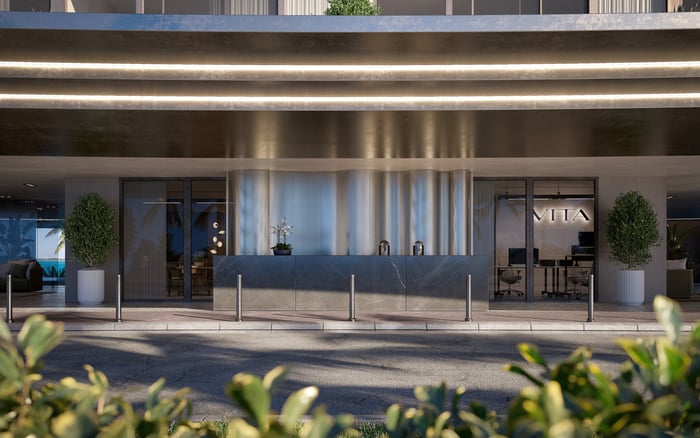
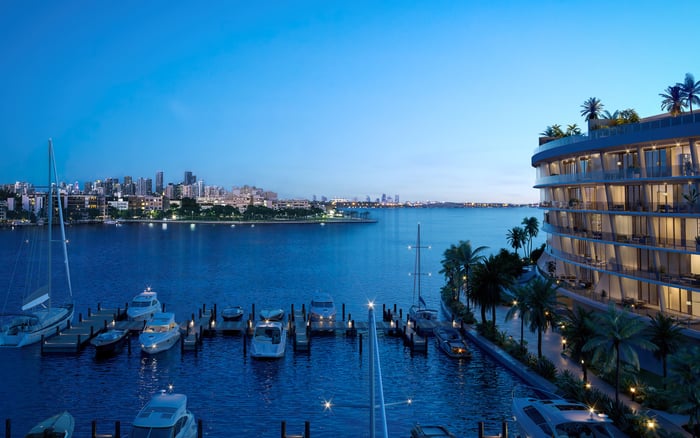
A discreet buyer’s guide to evaluating neighboring development risk before purchasing luxury real estate in Grove Isle, with practical questions for views, access, approvals, contracts, and long-term resale positioning.
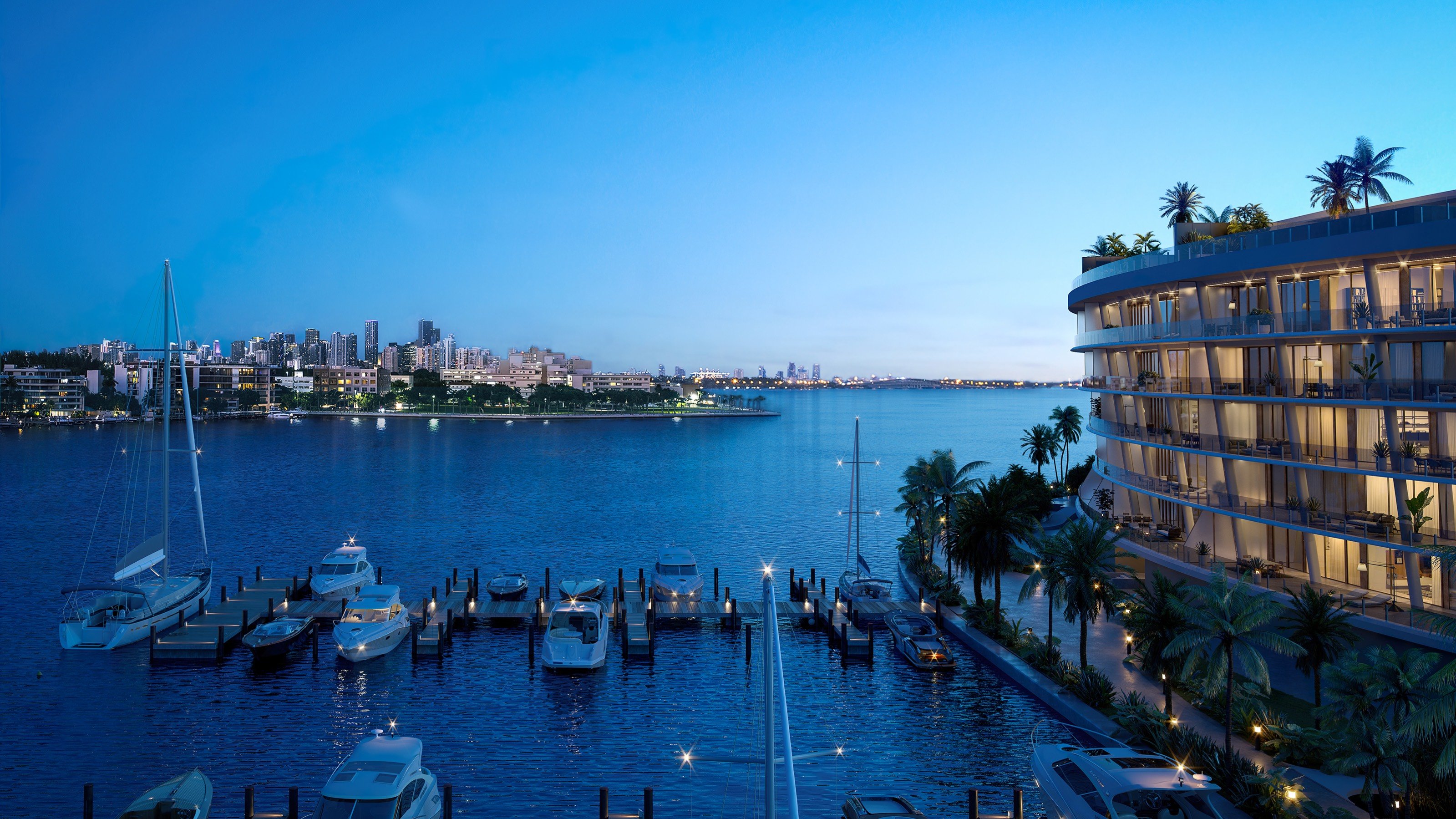
In Grove Isle, the most consequential real estate decisions often turn on what is not yet visible. A residence may show beautifully, frame the bay with cinematic calm, and feel protected from the pace of the mainland. Yet a refined buyer understands that neighboring development risk is not a footnote. It is central to pricing, livability, negotiating leverage, and eventual resale.
The right question is not simply, “Will something be built nearby?” In South Florida luxury real estate, the sharper question is, “What range of outcomes could affect my daily experience, and how should that range be reflected in the purchase?” For a buyer considering Vita at Grove Isle or evaluating resale opportunities in the area, that conversation should begin before the offer, not during a late-stage closing review.
This is a Coconut Grove, waterview, marina, new-construction, and resale conversation at once. It touches privacy, construction logistics, shoreline character, insurance optics, association governance, and the durability of the view that first made the home feel exceptional.
A luxury buyer should distinguish between the view that exists today and the view plane that may remain defensible over time. Ask which exposures are most vulnerable to change, whether the residence depends on a narrow corridor of water or skyline, and how different floors may respond to future massing nearby. A broad bay panorama is different from a framed opening between structures.
Walk the residence at several times of day if possible. Morning glare, afternoon shadow, evening light, and night reflections can all change the emotional value of a room. If a neighboring project were to rise, even without blocking the primary water view, it could alter privacy, reflected light, perceived density, and the sense of arrival.
Buyers comparing Grove Isle with other Coconut Grove addresses such as Park Grove Coconut Grove should avoid treating all water-oriented views as equal. The true test is not beauty alone. It is resilience.
The most important development-risk question is not what a neighbor says will happen. It is what the applicable rules may permit, what approvals may already exist, and what could be requested in the future. A buyer’s advisory team should review zoning status, recorded covenants, site constraints, association materials, public hearing history, pending applications, and any disclosed construction plans affecting nearby parcels or shared infrastructure.
The phrasing matters. Ask, “What is the maximum envelope that could reasonably be pursued?” Then ask, “What is already approved, what is only proposed, and what remains speculative?” Those three categories carry very different weight. A rumor should not be priced like an approval, and an approval should not be dismissed like a rumor.
Also ask whether any neighboring work could affect access routes, staging, parking patterns, service entries, guest arrival, landscaping, or waterfront use. Luxury living is choreographed through small details. A change that never touches the living room view can still alter the daily rhythm of ownership.
Construction inconvenience and permanent value impairment are often conflated. They should be analyzed separately. Temporary disruption may include noise, dust, truck movement, security adjustments, contractor staging, or altered circulation. Permanent impairment may include view loss, reduced privacy, changed light, diminished waterfront serenity, or a less exclusive sense of place.
A disciplined buyer asks for the realistic timeline, the likely intensity of disruption, and the areas of the property most likely to be affected. Will the primary bedroom, terrace, pool deck, entry sequence, or parking experience feel the change most? A residence that remains serene indoors but loses terrace privacy requires a different pricing conversation than one that faces months of visible construction from its main entertaining spaces.
For buyers also considering mainland Coconut Grove options like Four Seasons Residences Coconut Grove, the comparison should include not only amenities and finishes, but also the surrounding development context. In luxury real estate, the neighborhood is part of the residence.
Neighboring development risk is not limited to height and mass. Ask about seawall work, marina activity, bridge or access constraints, landscaping changes, lighting, mechanical equipment placement, generator locations, service drives, and flood-resilience improvements. These elements may sound technical, but they influence the quiet luxury of ownership.
Lighting is especially easy to overlook. A new exterior lighting plan nearby can affect evening privacy, terrace ambiance, and bedroom comfort. Mechanical systems can introduce low-frequency sound. A changed service route can bring daily movement past spaces that previously felt secluded. In a rarefied waterfront setting, the margin between pleasant and compromised can be thin.
The same discipline applies when comparing boutique Coconut Grove projects such as The Well Coconut Grove. The question is not whether a project is desirable in isolation. It is whether its context supports the buyer’s intended lifestyle over a long horizon.
Once a buyer understands the range of possible neighboring development outcomes, the contract should reflect that knowledge. Ask what disclosures have been provided, whether the seller has received notices, whether the association has discussed nearby work, and whether meeting minutes, budgets, or correspondence reveal pending issues.
The buyer should consider inspection periods, document review rights, association document delivery, seller representations, and the ability to cancel or renegotiate if material information emerges. In ultra-premium transactions, vague comfort is not enough. The paper trail should be as polished as the interiors.
Price should also be discussed with nuance. A residence with a secure, expansive, high-floor view may deserve a different valuation than one whose appeal depends on a more vulnerable angle. A short-term inconvenience may justify one type of concession. A permanent change in privacy or outlook may justify another.
A strong buyer does not study Grove Isle in isolation. Compare it with nearby and parallel luxury choices, including The Lincoln Coconut Grove and Ziggurat Coconut Grove, to understand how different settings price privacy, access, scale, and future context.
This does not mean one address is inherently safer than another. It means each opportunity carries a different profile. Some buyers prize the island feeling, even with more diligence required. Others prefer an urban village setting where surrounding change feels more legible. The best purchase is the one where the buyer understands the tradeoff before falling in love with the terrace.
For Grove Isle specifically, the most elegant approach is calm skepticism. Assume that every view, access point, and shared edge deserves a question. Then decide whether the answers support the premium.
What is neighboring development risk in Grove Isle? It is the possibility that nearby construction, approvals, infrastructure work, or property changes could affect views, privacy, access, noise, or resale perception.
Should I avoid a residence if development is possible nearby? Not necessarily. The issue is whether the risk is understood, priced appropriately, and acceptable for your lifestyle horizon.
What is the first question to ask before making an offer? Ask what is approved, proposed, disclosed, or reasonably possible on adjacent or nearby property that could affect the residence.
How can development risk affect value? It may influence view quality, privacy, buyer demand, days on market, and the premium a future purchaser is willing to pay.
Are high-floor residences less exposed to neighboring development risk? Often they may be more resilient, but exposure depends on orientation, view corridor, neighboring height potential, and the specific setting.
Should association documents be reviewed for this issue? Yes. Minutes, notices, budgets, and correspondence may reveal discussions about nearby work, access, shared systems, or owner concerns.
Can construction disruption matter even if the view remains intact? Yes. Noise, dust, traffic, staging, lighting, and service-route changes can affect the ownership experience even without permanent view loss.
How should I compare Grove Isle with mainland Coconut Grove options? Compare privacy, access, view resilience, surrounding parcels, amenity lifestyle, and how each setting may evolve over time.
What should be negotiated if risk is discovered? Depending on severity, buyers may seek price adjustments, stronger disclosure language, extended review periods, or cancellation rights.
Who should help evaluate this before closing? Use a qualified real estate advisor, attorney, inspection team, and any specialized consultants needed for zoning, association, or construction review.
When you're ready to tour or underwrite the options, connect with MILLION.
If branded residences are on your mind — as a home or as an allocation — we would be glad to share what we are seeing, privately.
Begin a quiet conversation