A buyer-focused look at how Edgewater’s luxury condo decision shifts when comparing branded hospitality, boutique privacy, daily service expectations, and long-term lifestyle fit.
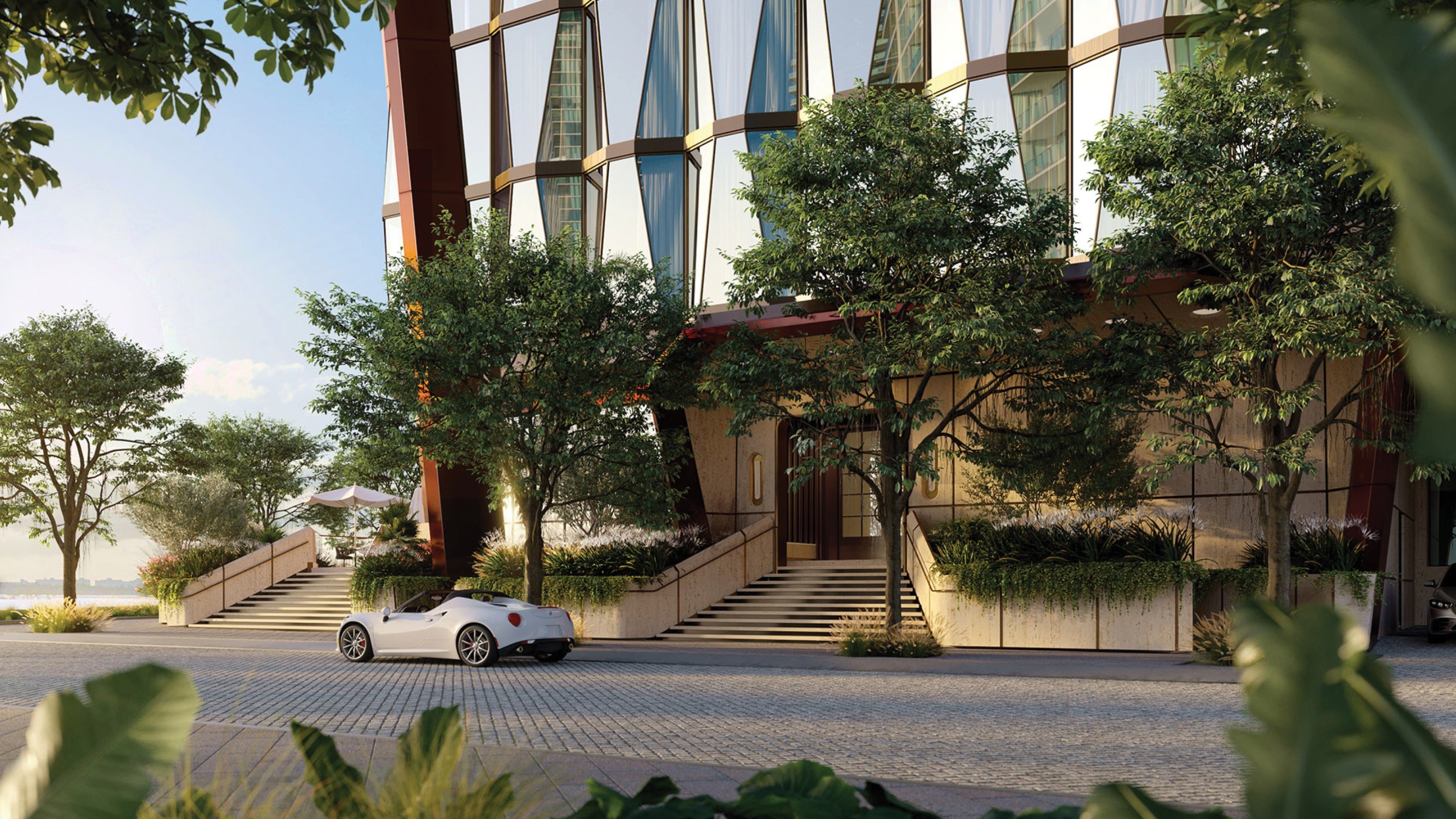
In Edgewater, the most revealing luxury decision is not simply whether a residence offers views, amenities, or a recognizable address. It is whether the buyer wants a home that operates with the polish of hospitality or one that recedes into the background with quiet competence. That distinction shapes everything: arrival, staff interaction, guest protocol, amenity culture, resale perception, and the subtle sense of belonging when the elevator doors open.
The conversation often begins with Branded Residences because the category implies a known standard. A buyer can understand the service language before ever stepping inside. There is an expectation of choreography, from valet to concierge to spa-like amenity programming. In Edgewater, that can be especially compelling for owners who split time between cities, entertain frequently, or value a residence that feels managed even when they are away.
Boutique discretion appeals to a different instinct. It is less about performance and more about privacy. The building may still offer thoughtful amenities and sophisticated design, but the emotional center is calm. Fewer encounters, fewer public moments, and a more residential cadence can feel more luxurious to buyers who prize control over visibility.
The strength of a branded building is not only the name. It is the operating promise implied by the name. Buyers drawn to EDITION Edgewater are often responding to a hospitality mindset: curated common areas, a defined sense of arrival, and a lifestyle that feels deliberately serviced. The brand establishes the atmosphere before the owner has to explain it.
That can matter for international buyers, corporate founders, hospitality loyalists, and families who want consistency across residences. If the building is part of a broader branded ecosystem, the appeal is psychological as much as practical. The owner is not simply buying space. The owner is buying into a particular manner of being looked after.
The tradeoff is that branded environments are usually more legible to others. Guests understand them quickly. Neighbors may arrive with similar expectations. The building’s identity is more public, which can support confidence but may reduce the feeling of anonymity. For some buyers, that visibility is a virtue. For others, it is the exact reason to look elsewhere.
Boutique living is often mistaken for being smaller or less ambitious. In the upper tier, it is better understood as selective. The luxury is not volume. It is proportion, pacing, and the absence of unnecessary friction. A discreet residence can feel more personal because it asks less of the owner socially.
This is where a buyer may study The Cove Residences Edgewater through a different lens than a branded tower. The question is not whether the building can impress at first glance. It is whether it can remain comfortable after the first year, after repeated arrivals, after guests have left, and after the owner has settled into a routine.
Discretion also changes staff interaction. Some owners want to be known by name and greeted with ceremony. Others want staff to understand preferences without making them visible. The best boutique buildings tend to deliver service that feels intuitive rather than staged. The experience is still premium, but quieter in expression.
Edgewater buyers are often tempted to compare amenity menus line by line. That exercise can be useful, but it misses the more important question: which amenities will feel natural to use? A grand amenity deck can be spectacular, yet underused by an owner who prefers private fitness, in-residence dining, or quiet mornings. Conversely, an active social and wellness program can be a meaningful advantage for a buyer who wants the building to extend daily life beyond the residence.
A project such as Aria Reserve Miami invites this type of lifestyle analysis because the buyer is not merely considering a floor plan. The buyer is considering how indoor and outdoor routines, wellness expectations, and social energy might gather around the home.
The essential test is simple: imagine a weekday, not a holiday weekend. Where do you enter? How often do you call downstairs? Will you use the lounge, pool, fitness areas, private dining, or guest services? Do you want the building to animate your schedule, or do you want it to protect your silence? The answer usually clarifies whether branded service or boutique discretion is the better fit.
Privacy is often reduced to density, but in practice it is also about circulation, staff culture, guest handling, elevator rhythm, acoustic separation, and how public the building feels. A larger building can still feel private if movement is well managed. A smaller building can feel exposed if every arrival becomes a social moment.
In branded settings, privacy depends on how elegantly service is delivered. A strong service culture can make a busy building feel composed because each interaction has structure. In boutique settings, privacy depends on restraint. The building should support the owner without creating the sense of being observed.
For buyers considering Villa Miami, the decision may turn on the relationship between lifestyle identity and personal boundaries. A residence can be expressive and still private, but the buyer must be honest about whether that expression feels energizing or too visible over time.
Branded Residences often have a clearer story in resale conversations. The name can simplify the explanation of service, design intent, and lifestyle positioning. That does not guarantee performance, but it can make the asset easier for future buyers to understand quickly.
Boutique buildings rely on a more intimate argument. The value case may come from scarcity, privacy, architectural tone, or a residential feeling that is difficult to replicate. These qualities can be powerful, but they require the right buyer to appreciate them. In Edgewater, where lifestyle preferences can vary widely, both arguments can be compelling.
The practical consideration is the exit audience. If a future buyer is likely to value brand recognition and serviced living, a branded residence may have the more direct narrative. If the likely buyer prioritizes discretion, fewer social obligations, and a calmer identity, boutique positioning may be more persuasive.
There is no superior category in the abstract. The better choice is the one that fits the owner’s habits. A branded building can feel effortless to the buyer who wants hospitality at home, a strong arrival sequence, and a residence that communicates its standards immediately. A boutique building can feel more refined to the buyer who wants quiet recognition, fewer visible rituals, and a home that does not need to announce itself.
In Edgewater, that distinction is increasingly important because the neighborhood can support both sensibilities. The buyer’s task is to define luxury not by the longest amenity list or the loudest identity, but by the daily experience that will still feel right after novelty fades.
Is branded service always better for part-time owners? Not always, but it can help owners who want consistent support, guest coordination, and a managed feeling while moving between homes.
Does boutique mean fewer amenities? Boutique does not necessarily mean less; it usually means the experience is more selective, quieter, and less publicly programmed.
Why is Edgewater suited to both choices? Edgewater attracts buyers who want refined urban waterfront living, yet their preferences differ sharply on visibility, service, and social rhythm.
Are Branded Residences more recognizable at resale? Often, yes. A brand can make the service promise and lifestyle positioning easier for future buyers to understand.
Can a boutique building still offer strong service? Yes. The difference is often tone, with service delivered more quietly and with less ceremonial visibility.
Which option is better for privacy? It depends on circulation, staff culture, and guest handling. Boutique may feel quieter, while branded service can manage privacy through structure.
Should amenities drive the decision? Amenities matter, but only if they match daily habits. The best building is the one whose spaces you will actually use.
Is a branded building more social? It can be, especially when hospitality programming is part of the identity, but each building’s culture should be evaluated individually.
How should buyers compare arrival experiences? Walk through the sequence from valet or lobby to elevator and residence. The right arrival should feel natural, not merely impressive.
What is the simplest way to decide? Choose branded service if you want managed hospitality at home, and choose boutique discretion if quiet control feels more luxurious.
To compare the best-fit options with clarity, connect with MILLION.
If branded residences are on your mind — as a home or as an allocation — we would be glad to share what we are seeing, privately.
Begin a quiet conversation