A buyer-focused guide to asking sharper questions about insurance binder timing before purchasing luxury real estate in Midtown Miami, with practical prompts for financing, closing coordination, condominium review, and negotiation discipline.
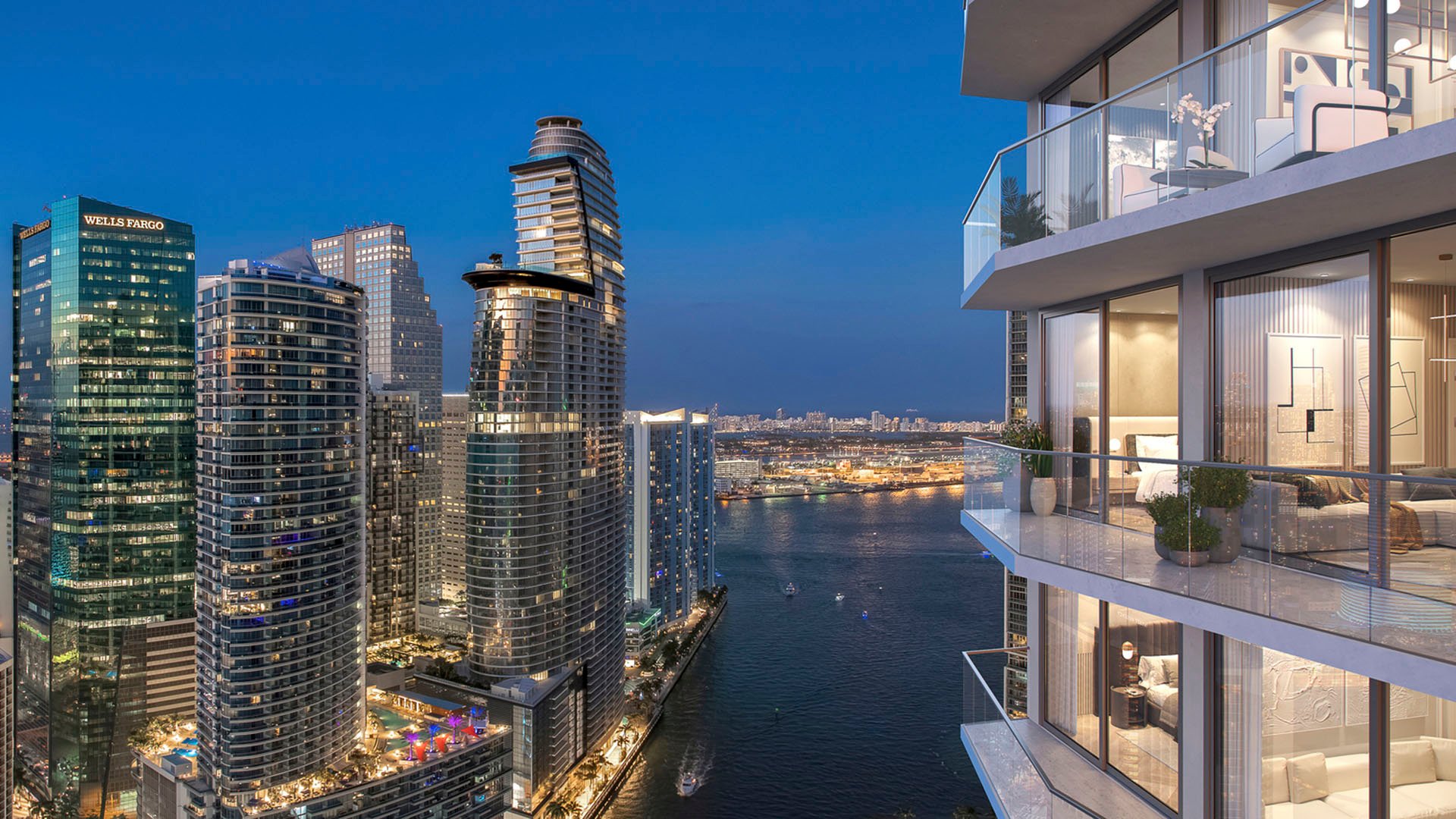
In a luxury purchase, insurance is often treated as a quiet administrative step. That is precisely why it can become consequential. Before buying luxury real estate in Midtown Miami, the question is not simply whether coverage can be obtained. The sharper question is when a binder can be issued, who must review it, and what happens if revisions are requested close to closing.
A polished transaction depends on choreography. Contract deadlines, deposit milestones, financing review, condominium documentation, title coordination, and insurance all move on parallel tracks. If the binder is late, incomplete, or misaligned with another party’s expectations, the buyer may lose time exactly when discretion and certainty matter most.
The best approach is to move insurance binder timing into the earliest stage of due diligence. The objective is not to create anxiety. It is to preserve optionality, particularly for buyers weighing a primary residence, second home, or investment purchase.
Start by asking who is responsible for initiating the insurance process and who will confirm that the binder is acceptable for closing. A buyer may assume the insurance advisor, lender, closing agent, or attorney is managing this sequence. Assumptions are not a strategy.
Ask for a simple timeline: when quotes should be requested, when underwriting information should be delivered, when the binder should be expected, and when final review should occur. If financing is involved, ask whether the binder must be reviewed before loan documents can be finalized. If the purchase is cash, ask who still needs to approve evidence of coverage before closing funds are released.
In luxury buildings, timing conversations should also account for association review. Ask whether the association requires any insurance documentation from the buyer and whether building-level coverage information must be cross-checked with the buyer’s policy. This is not about duplicating work. It is about discovering early whether the binder will be reviewed by more than one party.
A binder is only as timely as the information behind it. Before contract deadlines become compressed, ask what details the insurance advisor needs to begin. The answer may include ownership structure, intended occupancy, financing details, closing date, lender clauses, property characteristics, and any special contents or improvement considerations.
For new-construction purchases, ask whether the timing differs before delivery, at certificate or turnover stages, or after final walk-through. For resale purchases, ask whether prior insurance information, association documents, or inspection items could affect timing. Avoid waiting for the final week to learn that a missing document is needed before the binder can be issued.
This is especially relevant when comparing a Midtown Miami search with nearby luxury corridors. A buyer considering The Cove Residences Edgewater or Aria Reserve Miami may be evaluating different building profiles, contract structures, and closing rhythms. The binder conversation should adapt to the asset, not remain generic.
The most elegant time to resolve insurance uncertainty is before leverage narrows. Ask whether the contract timeline allows enough room for quoting, underwriting, binder issuance, and revisions. If a deposit becomes non-refundable before the binder is available, the buyer should understand that sequence clearly.
Useful questions include: Can the insurance advisor review the property before the inspection period ends? Can preliminary pricing be discussed before financing contingencies expire? Can the binder be issued early enough for lender and closing review? If the binder requires correction, who coordinates that correction, and how quickly can it be turned around?
The goal is not to renegotiate the transaction around hypothetical problems. The goal is to avoid discovering a practical obstacle after the buyer has already surrendered meaningful flexibility.
Financed and cash purchases can feel very different, but both benefit from insurance discipline. With financing, ask exactly when the lender wants the binder and how the lender’s requirements should appear. With cash, ask whether the closing agent, attorney, or association has any expectations that should be addressed before closing day.
A cash buyer may be tempted to handle coverage after the major business terms are resolved. In the ultra-premium segment, that can be an expensive habit. Even when financing is absent, ownership structure, closing timing, contents coverage, renovation intentions, and association requirements may still make binder timing relevant.
Buyers comparing Midtown Miami with Brickell may see how closing coordination varies by building and deal structure. When reviewing residences such as 2200 Brickell or The Residences at 1428 Brickell, the better question is not which neighborhood is simpler. It is whether the transaction team has translated the building, financing, and ownership details into an insurance timeline.
In a condominium purchase, the buyer’s policy is only one part of the broader insurance picture. Ask what the association covers, what the buyer is expected to cover, and how those responsibilities are reflected in the binder. Avoid interpreting this casually. The wording can matter, and the timing of review can matter just as much.
Ask whether the association’s insurance information is current and available for review. Ask whether the insurance advisor has seen the governing documents or relevant coverage summaries. Ask whether planned upgrades, furnishings, art, wine storage, home automation, or other private improvements should be discussed before binding.
For a waterfront preference, the buyer should be even more disciplined about asking coverage questions early, without assuming that all waterfront or near-water residences are evaluated the same way. The property, the building, the policy structure, and the buyer’s intended use all belong in the conversation.
A strong binder process should survive the closing-week test. Ask your team to identify the last possible date by which the binder must be in final acceptable form. Then move the internal target earlier.
The buyer should know who receives the binder, who confirms its accuracy, who checks names and entities, who verifies lender language if applicable, and who communicates any corrections. This is particularly important when the buyer is using an entity, trust, or other ownership arrangement. Names that look minor on paper can become inconvenient if they have to be corrected at speed.
The tone should remain calm and procedural. Luxury buyers do not need drama in the final hours. They need clarity, privacy, and a team that knows which documents must be finished before everyone arrives at the table.
Before buying luxury real estate in Midtown Miami, ask these questions in writing and keep the answers with the transaction file:
Who is ordering the insurance quotes, and when will that begin? What information is needed before a binder can be issued? Who reviews the binder before closing? Does the lender need specific language? Does the association need to see any buyer policy documents? What building-level insurance information should be reviewed? What happens if the binder requires revisions? Can preliminary coverage feedback be obtained before key contingencies expire? Is the proposed closing date realistic for insurance review? Who has final responsibility for confirming that the binder is acceptable?
These questions are not glamorous, but they are elegant. They reduce friction, preserve leverage, and help keep the acquisition focused on the residence itself.
When should I ask about insurance binder timing? Ask at the beginning of due diligence, before key contract deadlines and deposits become difficult to adjust.
Is binder timing only important if I am financing? No. Financing adds another review layer, but cash buyers still benefit from early insurance coordination.
Who should coordinate the binder? Your transaction team should identify one clear point person and confirm who else must review the binder.
What can delay a binder? Missing ownership details, incomplete building information, lender wording, or late revisions can all create friction.
Should I ask about the association’s insurance? Yes. Ask what the association covers and what the buyer’s policy is expected to address.
Does new construction change the timing conversation? It can. Ask how delivery, turnover, and final closing steps affect when coverage should be bound.
Does resale change the timing conversation? It can. Ask whether existing documents, prior coverage details, or inspection concerns should be reviewed early.
Can insurance questions affect negotiation strategy? Yes. Early answers can help a buyer evaluate timing, contingencies, and closing confidence.
Should luxury buyers wait until the week of closing? No. The final week should be for confirmations, not first-round insurance discovery.
What is the simplest rule for binder timing? Treat it as a core closing document and start the conversation before the transaction feels urgent.
If you'd like a private walkthrough and a curated shortlist, connect with MILLION.
If branded residences are on your mind — as a home or as an allocation — we would be glad to share what we are seeing, privately.
Begin a quiet conversation