A buyer-focused look at Alma Bay Harbor Islands and why its quiet waterfront setting, boutique scale, privacy, and operational discipline make it compelling for owners who value livability over social visibility.
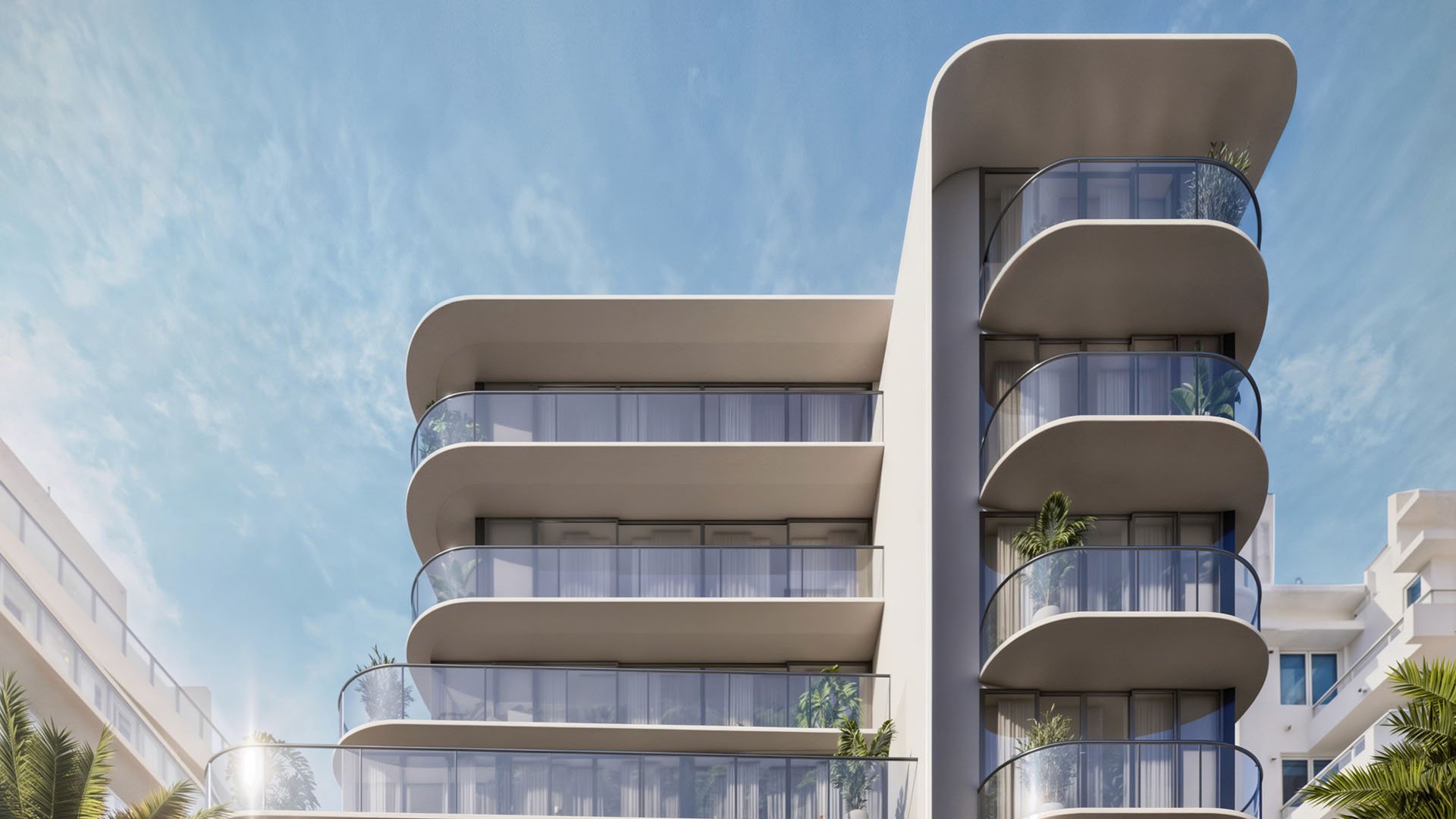
For a certain South Florida buyer, the most persuasive residence is not the one that announces itself most loudly. It is the one that works best. Alma Bay Harbor Islands belongs in that conversation because its appeal is grounded in privacy, service precision, and a calmer residential rhythm rather than spectacle.
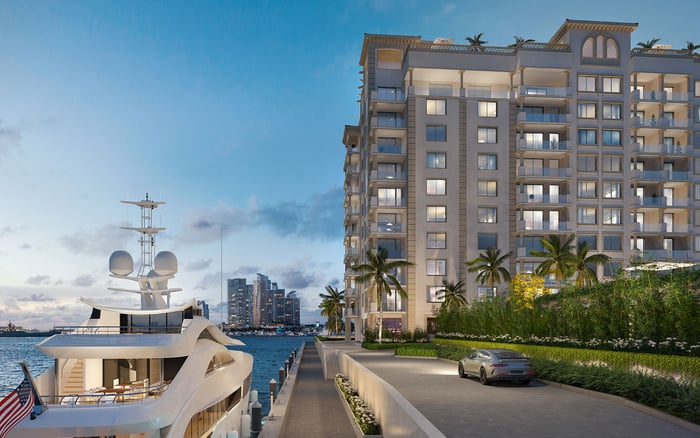
That distinction matters in a market where luxury often arrives with brand theater, social programming, and skyline ambition. Alma is positioned as a boutique waterfront residential option in Bay Harbor Islands, not as a high-buzz tower product chasing the energy of Brickell or South Beach. Its strength is quieter and, for many owners, more durable: a home base that supports daily life with consistency.
Buyers who place Alma on the shortlist tend to ask sharper questions. How predictable is arrival? How attentive is the front-desk culture? How responsive are building operations when something needs attention? How private does the residence feel on an ordinary weekday, not just during a polished sales presentation? In that frame, Alma’s value proposition comes into focus.
Boutique is not merely an aesthetic label. In the best residential buildings, it can become an operational advantage. Alma’s smaller, more controlled posture supports the idea that fewer residences can allow for a more predictable owner experience, with service that feels tailored rather than diluted.
That matters for long-stay and full-time buyers. A residence may impress during a tour, but ownership is judged through repetition: valet flow, package handling, guest arrival, maintenance coordination, privacy at entry, and the tone of everyday interactions. Alma’s shortlist case depends less on headline amenities and more on whether the building can deliver a smooth, low-friction pattern over time.
This is also why comparisons within Bay Harbor Islands are useful. A buyer considering Alana Bay Harbor Islands or other neighborhood-scale residences may be evaluating not only architecture and views, but also the feeling of being known by a building staff and protected from unnecessary commotion. Alma fits that buyer psychology: refined, residential, and deliberately less performative.
Waterfront living in South Florida can mean many things. In some addresses, it is theatrical, designed around a constant sense of arrival. At Alma, the waterfront context is better understood as part of a calmer lifestyle proposition. The setting supports privacy, daylight, and a softer residential cadence while keeping owners connected to nearby luxury nodes.
The point is not isolation. It is selective access. Buyers can still compare Bal Harbour, Miami Beach, and Brickell when thinking about shopping, dining, work, and cultural routines, but Alma’s premise is that the primary residence should remain composed. Home should not feel like an extension of the city’s nightlife calendar.
That is where Bay Harbor Islands has particular relevance. It offers a quieter atmosphere than more intense urban submarkets while still sitting within the broader orbit of Miami luxury. For owners who travel frequently, work from home, host family, or divide time between residences, that balance can be more valuable than a louder amenity narrative.
The luxury conversation is maturing. For years, social energy could serve as a proxy for desirability: the recognizable name, the busy lobby, the event calendar, the branded glow. Alma speaks to a different definition of status, one where discretion carries more weight than visibility.
Service precision is not about excess. It is about reliability. A well-run building makes life feel easier in ways that are often invisible until they fail. The car is ready when expected. A guest is greeted correctly. A service request is handled without repeated follow-up. The front desk understands privacy. Maintenance communication is clear. These are not glamorous details, but they are the details that shape ownership.
In this respect, Alma is relevant for buyers who define luxury through consistency and responsive operations. The project is framed as a fit for owners who value operational clarity and tailored service over headline-making amenities. For this audience, a building does not need to be socially famous to be deeply desirable.
Alma should not be read as an alternative to every luxury condominium. It should be read as an alternative to a particular kind of energy. In Brickell, for example, buyers may be drawn to vertical glamour, branded residences, skyline views, and proximity to finance and dining. A project such as 888 Brickell by Dolce & Gabbana speaks to a more overtly urban and fashion-driven mood.
Alma’s appeal is different. It is less about being seen and more about being settled. The buyer who chooses Alma may still enjoy Miami Beach, Bal Harbour, or Brickell, but may not want those environments to define the atmosphere of home. That distinction is especially important for families, remote executives, seasonal owners extending their stays, and buyers who use their residence as a restorative base between travel.
Within Bay Harbor Islands, projects such as La Maré Bay Harbor Islands and Onda Bay Harbor may enter the same buyer conversation because they share a neighborhood context oriented toward water, privacy, and residential calm. Alma’s particular shortlist argument rests on its emphasis on service discipline and day-to-day livability.
Lifestyle is often used loosely in luxury real estate, but at Alma it should be understood practically. A long-stay owner needs a residence that can support work, wellness, family routines, guests, deliveries, maintenance, travel departures, and quiet returns. The building has to behave like a reliable system.
This is why Alma resonates with buyers who want a low-friction home base. The residence is positioned less as a destination-style property built around events and more as a discreet luxury address. That difference can change how the home feels at 7 a.m., after a long flight, during a school week, or when an owner wants privacy rather than stimulation.
The broader Bay Harbor Islands market also includes wellness-oriented and residentially calm options such as The Well Bay Harbor Islands, underscoring the neighborhood’s appeal to buyers seeking a composed alternative to busier districts. Alma belongs within that context, but its most persuasive identity remains grounded in privacy, service precision, and operational ease.
Alma is not trying to win every buyer. That is part of its appeal. It is best suited to owners who prefer discretion over social cachet, predictability over spectacle, and residential calm over destination-style programming.
The strongest Alma buyer is likely someone who values what happens after closing: the tone of the lobby, the reliability of the valet experience, the responsiveness of staff, the privacy of arrivals, and the general feeling that the building is designed to make ownership simpler. These buyers may appreciate design and setting, but they are ultimately making a lifestyle decision based on operational trust.
For South Florida’s ultra-premium audience, that is a serious form of luxury. Social buzz can fade. Service culture, if well executed, compounds over time. Alma Bay Harbor Islands belongs on the shortlist precisely because it understands that the quietest residential experiences are often the ones owners rely on most.
Is Alma Bay Harbor Islands a high-buzz Miami tower product? No. Alma is positioned as a boutique waterfront residence with a quieter, more residential focus.
What type of buyer is Alma best suited for? It is best suited for buyers who prioritize privacy, service consistency, and day-to-day livability.
Does Alma emphasize social programming? Alma is better understood as a discreet residence than a destination-style property built around events.
Why does boutique scale matter at Alma? Fewer residences can support a more controlled, predictable, and personalized ownership experience.
How does Bay Harbor Islands compare with Brickell or South Beach? Bay Harbor Islands offers a calmer residential atmosphere than more intense urban and nightlife-driven districts.
Is Alma relevant for full-time owners? Yes. Its service and privacy profile is especially relevant for full-time and long-stay residential use.
What does service precision mean in this context? It means reliable valet flow, attentive front-desk culture, responsive maintenance, and smooth owner routines.
Is Alma more about practicality than spectacle? Yes. Its appeal depends more on practical luxury and operational clarity than headline-making amenities.
Can Alma work for buyers who still want access to Miami luxury nodes? Yes. Alma appeals to buyers who want nearby access while keeping home life calm and low-friction.
Why should Alma be on a serious buyer’s shortlist? It offers a discreet luxury proposition built around privacy, livability, and service discipline.
If you'd like a private walkthrough and a curated shortlist, connect with MILLION.
If branded residences are on your mind — as a home or as an allocation — we would be glad to share what we are seeing, privately.
Begin a quiet conversation