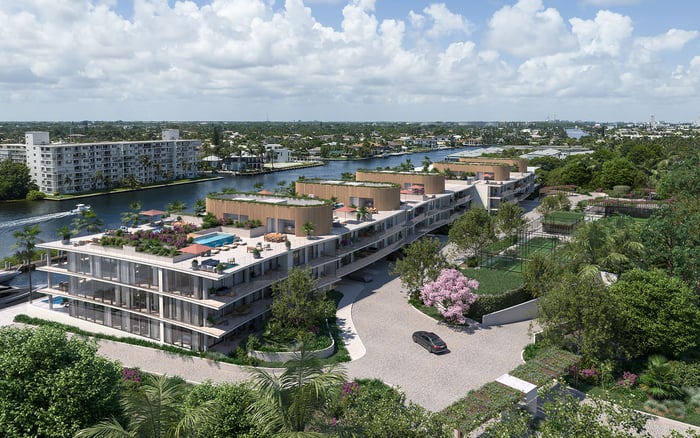
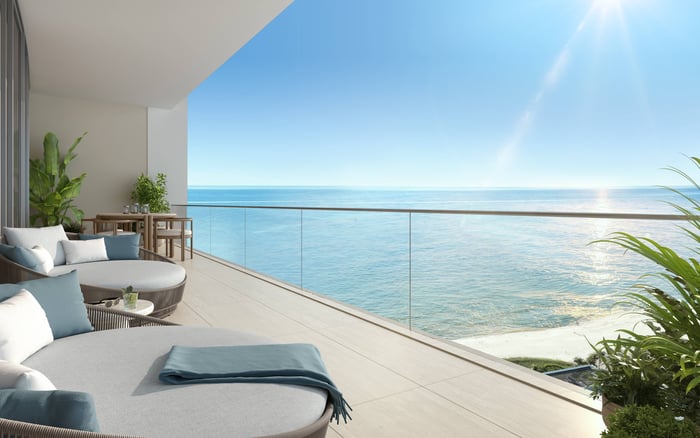
A buyer-focused guide to the insurance binder timing questions that should be raised before closing on a residence at W Pompano Beach Hotel & Residences.

At the upper end of the Pompano Beach market, insurance is not a clerical afterthought. It is part of the closing architecture. For buyers evaluating W Pompano Beach Hotel & Residences, the central question is not simply whether coverage can be obtained. It is when coverage must be bound, who is responsible for it, and whether every required document will be ready before the purchase contract’s closing date.
A binder-timing conversation should begin well before the buyer reaches the closing table. The purchase contract may establish the date, but insurance readiness can involve the developer or seller, the condominium association, the hotel operator, the lender, the insurance broker, and the unit owner. Each party may control a different piece of the file. If those pieces arrive late, the buyer can encounter avoidable friction in attorney review, underwriting, funding, and final walk-through coordination.
This is especially relevant in a hotel-residence environment. Condo-hotel ownership can create separate questions for the residential unit, hotel operations, shared amenities, common areas, and any rental-program participation. The refined buyer does not wait for a last-minute binder request. The refined buyer builds an insurance calendar.
The first question is direct: how must insurance binding align with the closing date for a residence at W Pompano Beach Hotel & Residences? Buyers should ask whether coverage must be bound days before closing, on the closing date, or only after specified documents are complete. That answer can shape everything from lender timing to cash-to-close planning.
The buyer should also ask whether the insurance broker can issue a binder before closing, or whether final underwriting, inspections, premium payment, or association documentation must be completed first. If a lender is involved, the buyer should ask whether funding depends on evidence of bound coverage, proof of premium payment, policy declarations, or a formal binder. The lender’s checklist and the insurance broker’s timeline should be reconciled early, not during the final week.
This same discipline applies across Branded Residences and waterfront condominium purchases throughout South Florida. Buyers comparing the W context with nearby Pompano Beach offerings such as The Ritz-Carlton Residences® Pompano Beach or Armani Casa Residences Pompano Beach should still treat insurance timing as a project-specific diligence item, not a generic market assumption.
A luxury buyer should not assume that one insurance policy answers every risk question. Before buying at W Pompano Beach Hotel & Residences, ask which party is responsible for binding coverage before closing: the developer, seller, condominium association, hotel operator, lender, or unit owner. The answer may vary by coverage category and document requirement.
The association’s master policy is a core issue. Buyers should ask whether that master policy will already be in force at closing and what it covers versus what the unit owner must insure separately. They should also ask whether proof of master-policy coverage will be available early enough for attorney review, lender underwriting, and closing coordination. If the master policy documentation is not available when the lender or attorney needs it, the closing process can become needlessly compressed.
The unit owner’s policy may follow a different timeline. Buyers should ask whether windstorm, flood, liability, and unit-level property coverage must be bound simultaneously or in separate sequences. They should also ask whether policy limits, named perils, deductible levels, or binding deadlines are specified in the condominium declaration, bylaws, or hotel-management documents.
The hotel-residence structure is central to the binder-timing conversation. Buyers should ask whether residential units, hotel operations, shared amenities, and common areas are insured through separate policies or coordinated programs. The distinction matters because a buyer’s unit-level policy may not answer questions about pools, restaurants, valet areas, beach access, hospitality spaces, or other amenities.
At W Pompano Beach Hotel & Residences, the buyer should ask whether those shared spaces are covered under association or hotel policies rather than the unit owner’s policy. The objective is not to memorize every insurance term. It is to understand where responsibility begins and ends before the deed changes hands.
Participation in any hotel rental program deserves its own discussion. Buyers should ask whether rental-program use changes the timing, type, or cost of required insurance coverage. A residence used purely as a private second home may raise a different insurance conversation than a residence enrolled in a managed hospitality arrangement. The question should be posed to counsel, the insurance broker, the lender, and the appropriate project representatives before closing documents are finalized.
For oceanfront buyers, this degree of specificity is part of the privilege and discipline of ownership. A comparable mindset is useful when reviewing other coastal options such as Waldorf Astoria Residences Pompano Beach, where insurance questions should still be tied to the governing documents and the exact ownership structure.
In South Florida, the calendar matters. Buyers should ask whether insurance-binding moratoriums or restrictions during named storms or active hurricane threats could affect the closing schedule. The important point is timing, not speculation. If coverage cannot be bound during a particular weather event or underwriting pause, the buyer needs to know how that risk is handled under the contract.
This question should be asked before the buyer is locked into a narrow closing window. If the binder depends on final underwriting, premium payment, association documents, or inspection completion, a storm-related delay could compound other timing issues. The buyer’s team should identify who monitors this risk and who communicates with the closing agent, lender, and attorney if a binder cannot be issued on schedule.
Deductibles also belong in the early conversation. Buyers should ask whether the association’s deductible structure could create meaningful post-closing exposure for individual unit owners. They should also ask whether insurance premiums, deductibles, or special assessments tied to master coverage could materially affect the long-term cost of ownership. The most elegant residence can still carry ownership obligations that deserve careful modeling.
The most effective approach is practical. Ask for the insurance timeline in writing. Identify the party responsible for each coverage category. Confirm whether the master policy is already in force at closing. Determine whether the lender needs declarations, proof of premium payment, a formal binder, or all of the above. Ask whether unit coverage, windstorm, flood, and liability coverage are synchronized or separately sequenced.
Then ask whether the condominium declaration, bylaws, and hotel-management documents impose specific insurance limits, named perils, deductible requirements, or binding deadlines. If the buyer plans to participate in a hotel rental program, request a separate explanation of how that decision changes coverage requirements and timing. If the file involves financing, make sure the lender’s requirements match what the insurance broker can actually issue before closing.
The principle is consistent: elegance in acquisition comes from removing uncertainty early. For buyers considering W Pompano Beach Hotel & Residences, binder timing is not a minor administrative task. It is a closing-critical question that protects the buyer’s schedule, financing, and first day of ownership.
What is the first insurance question to ask before buying at W Pompano Beach Hotel & Residences? Ask how insurance binding must align with the purchase contract’s closing date and whether a binder is required before funds can be released.
Who may be responsible for binding coverage before closing? Responsibility may involve the developer, seller, condominium association, hotel operator, lender, or unit owner, depending on the coverage type.
Should I ask about the condominium association’s master policy? Yes. Ask whether the master policy will be in force at closing and what it covers versus what you must insure separately.
Can the hotel-residence structure affect insurance timing? Yes. Buyers should ask whether residential units, hotel operations, amenities, and common areas have separate insurance requirements.
What might a lender require before closing? A lender may require evidence of bound coverage, proof of premium payment, policy declarations, or a formal binder before releasing funds.
Should windstorm and flood coverage be discussed separately? Yes. Ask whether windstorm, flood, liability, and unit-level property coverage must be bound together or on different timelines.
Can a named storm affect the ability to bind coverage? Buyers should ask whether binding moratoriums or restrictions during named storms or active hurricane threats could affect closing.
Why do association deductibles matter after closing? The association’s deductible structure could create post-closing exposure for individual unit owners, so it should be reviewed early.
Does hotel rental participation change the insurance conversation? It can. Ask whether participation in any hotel rental program changes the timing, type, or cost of required insurance coverage.
Which documents should be reviewed for insurance requirements? Review the condominium declaration, bylaws, and hotel-management documents for policy limits, named perils, deductibles, and binding deadlines.
For a tailored shortlist and next-step guidance, connect with MILLION.
If branded residences are on your mind — as a home or as an allocation — we would be glad to share what we are seeing, privately.
Begin a quiet conversation