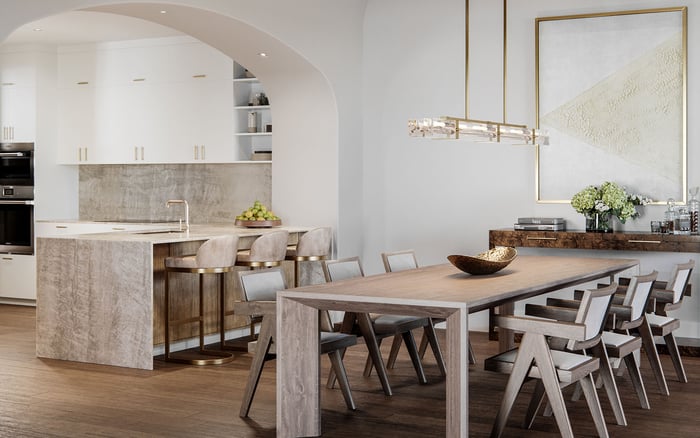
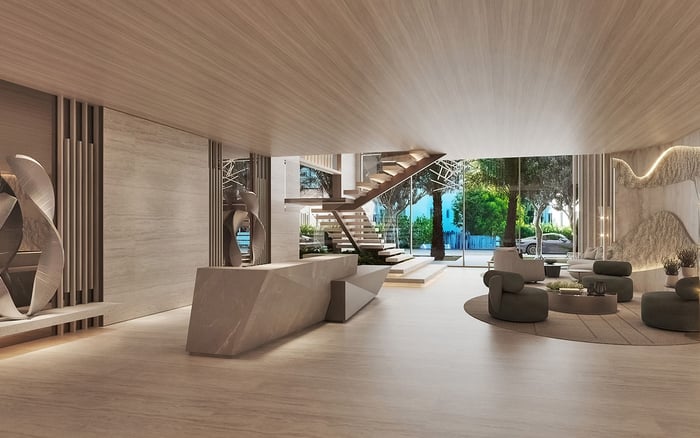
A practical, discreet closing guide for seasonal buyers considering Vita at Grove Isle, with emphasis on governance, lock-and-leave planning, insurance, design timing, and long-term ownership rhythm.

Buying at Vita at Grove Isle is not only a design decision. For many South Florida purchasers, it is a rhythm decision: when you arrive, how long you stay, who prepares the residence before you land, and what must be settled before you leave again. That makes the period before closing especially important for a seasonal owner.
A primary resident can often address small matters in person. A seasonal owner needs a more deliberate plan. The goal is to close with legal, financial, building, service, and lifestyle details already aligned, so the first season feels seamless rather than administrative. In the upper tier of the Coconut Grove market, discretion and preparation carry as much value as finishes.
This is where a Second-home strategy differs from a conventional purchase. The residence must function beautifully while occupied, but it must also remain protected, accessible, and manageable while vacant. Before closing, every buyer should understand who holds keys, who approves vendors, how deliveries are handled, what insurance is required, and how the association communicates during the months when the owner is away.
For seasonal buyers, the closing date should be coordinated around travel, funds, walk-through timing, legal review, and post-closing setup. If the buyer will not be in Miami for signing or final inspection, the power of attorney, remote notary process, and wire procedures should be confirmed well in advance. Last-minute improvisation is the enemy of a calm closing.
The pre-closing walk-through deserves particular attention. Even when a residence is new or recently completed, the buyer should document visible conditions, confirm agreed inclusions, and make sure access devices, parking credentials, storage rights, and building contacts are clearly transferred. In a New-construction environment, buyers should also understand how punch-list items are handled after closing and who coordinates follow-up access.
Seasonal owners should also consider the days immediately after the deed changes hands. Will furniture arrive at once, or should the residence remain lightly used until the next season? Will a designer, property manager, or family office representative need authorization to enter? A refined closing plan answers these questions before ownership begins.
Luxury condominium ownership is shaped by documents, rules, and etiquette. Before closing, the buyer should review association materials with counsel and understand restrictions on leasing, guests, service providers, renovations, pets, deliveries, and amenity use. These items are not glamorous, but they define the daily experience.
Privacy is especially important for seasonal owners. A buyer should know how the property manages visitors, domestic staff, drivers, contractors, and unaccompanied guests. If the residence will be used by family members when the owner is not present, those permissions should be documented rather than assumed.
Coconut Grove buyers often compare a range of lifestyle formats, from island-style residences to low-density village settings. A project such as Four Seasons Residences Coconut Grove may appeal to buyers evaluating service orientation, while The Well Coconut Grove can enter the conversation for those prioritizing wellness-centered living. The point is not to rank one address against another, but to define which ownership culture best supports a seasonal routine.
Waterfront living is one of South Florida’s enduring privileges, but it rewards disciplined ownership. Before closing, buyers should clarify insurance expectations, storm preparation procedures, window and door protocols, balcony or Terrace rules, and responsibility for any exterior components. The more elevated the lifestyle, the more important the operational details become.
Seasonal owners should have a written departure checklist. That may include air-conditioning settings, humidity monitoring, water shutoff practices where appropriate, appliance checks, outdoor furniture protocols, plant care, and vendor access. None of this diminishes the romance of the home. It preserves it.
A Terrace can be one of the most used areas during season, but it also introduces questions about furnishings, planters, wind exposure, cleaning, and permitted modifications. Buyers should confirm what is allowed before ordering custom pieces. The same applies to window treatments, lighting, audio systems, and any installation that requires building approval.
The best seasonal residences feel effortless because someone has designed the back-of-house plan. Before closing, the buyer should decide whether a property manager, personal assistant, designer, housekeeper, or family office will oversee the home. The association may have preferred procedures for vendor registration, insurance certificates, loading areas, elevator reservations, and work hours.
A high-quality service plan includes recurring inspections while the owner is away. It also includes protocols for urgent matters. Who receives a building notice? Who can authorize a repair? Who checks after severe weather? Who prepares the residence before arrival? These answers should be established before the first extended absence.
Buyers considering other Coconut Grove residences, including The Lincoln Coconut Grove, should apply the same discipline. Beautiful architecture is only one part of a seasonal purchase. The owner experience depends on how the building, residence, and private support team work together when the owner is not in town.
A closing can trigger decisions that reach beyond real estate. Seasonal buyers should coordinate with legal and tax advisers regarding ownership structure, estate planning, residency objectives, insurance, and document retention. If the buyer is purchasing through an entity or trust, all approvals and signatures should be aligned before closing week.
Carrying costs should be understood in practical terms. Association assessments, insurance premiums, utilities, service contracts, parking, storage, cleaning, and management fees all contribute to the true annual cost of ownership. Luxury buyers rarely object to cost when value is clear. They object to surprise.
Financing, if used, should be coordinated with the same rigor. Lenders may require condominium documentation, insurance confirmations, appraisal access, and updated financials. Cash buyers still need careful wire-security protocols and closing statement review. In South Florida’s premium market, caution is not hesitation. It is sophistication.
Seasonal owners often want the residence ready for a specific arrival window. That means design decisions must begin before closing whenever possible. Furniture lead times, window treatments, closet systems, audiovisual planning, art installation, terrace furnishings, and kitchen stocking all require sequencing.
The buyer should ask which work can occur before closing, which work requires ownership, and which work requires association approval. In many cases, the smoothest path is to separate essential setup from discretionary personalization. First, make the home livable, secure, and guest-ready. Then refine the details over time.
This is also the moment to decide how the residence will be used. A couple using the home privately has different needs than a multigenerational family hosting for holidays. Guest rooms, owner storage, service closets, wine storage, linens, children’s items, and pet logistics should be mapped with actual use in mind.
Vita at Grove Isle sits in a buyer conversation shaped by privacy, water, proximity, and the understated appeal of Coconut Grove. Some buyers want the village character of the Grove. Others compare the energy of Brickell, where residences such as Una Residences Brickell may appeal to those who prefer a more urban daily pattern. The right answer depends on how the owner actually lives between arrivals and departures.
A seasonal buyer should resist choosing only for peak-season fantasy. The better test is year-round ownership. How easy is it to secure the home before leaving? How intuitive is access for approved guests? How responsive is the management structure? How comfortable is the residence in both active hosting mode and quiet private mode?
For this reason, the final weeks before closing are not merely transactional. They are the rehearsal for ownership. If the process feels organized, transparent, and calm, the residence is more likely to deliver the kind of quiet luxury that seasoned buyers value.
What should a seasonal owner confirm before closing at Vita at Grove Isle? Confirm legal documents, building rules, access procedures, insurance requirements, service contacts, and post-closing setup plans before the closing date.
Is a final walk-through still important for a seasonal buyer? Yes. The walk-through should document condition, access items, parking, storage, agreed inclusions, and any follow-up items.
Should I hire a property manager for a Second-home? Many seasonal owners benefit from a trusted manager who can inspect the residence, coordinate vendors, and prepare the home before arrival.
What should I ask about guest access? Ask how guests are registered, whether family members can enter without you, and what permissions are required for staff or vendors.
How should I think about Terrace furnishings? Confirm building rules before ordering furniture, planters, lighting, or anything that may be affected by wind, maintenance, or approval requirements.
What matters most in Waterfront ownership? Insurance, storm procedures, humidity control, exterior maintenance rules, and departure checklists should all be understood before closing.
Can design work begin before closing? Sometimes planning can begin early, but installation and access depend on contract terms, ownership status, and building procedures.
What documents should counsel review? Counsel should review the contract, association documents, title materials, closing statement, ownership structure, and any leasing or use restrictions.
How should I compare Coconut Grove with other Miami neighborhoods? Compare privacy, access, service style, daily routine, guest needs, and the ease of managing the residence while away.
What is the best mindset before closing? Treat closing as the start of an operating plan, not just a transfer of title, especially if the home will be used seasonally.
If you'd like a private walkthrough and a curated shortlist, connect with MILLION.
If branded residences are on your mind — as a home or as an allocation — we would be glad to share what we are seeing, privately.
Begin a quiet conversation