A buyer-focused look at why staff logistics, receiving, valet sequencing and discreet back-of-house planning matter inside Armani Casa Residences Pompano Beach.
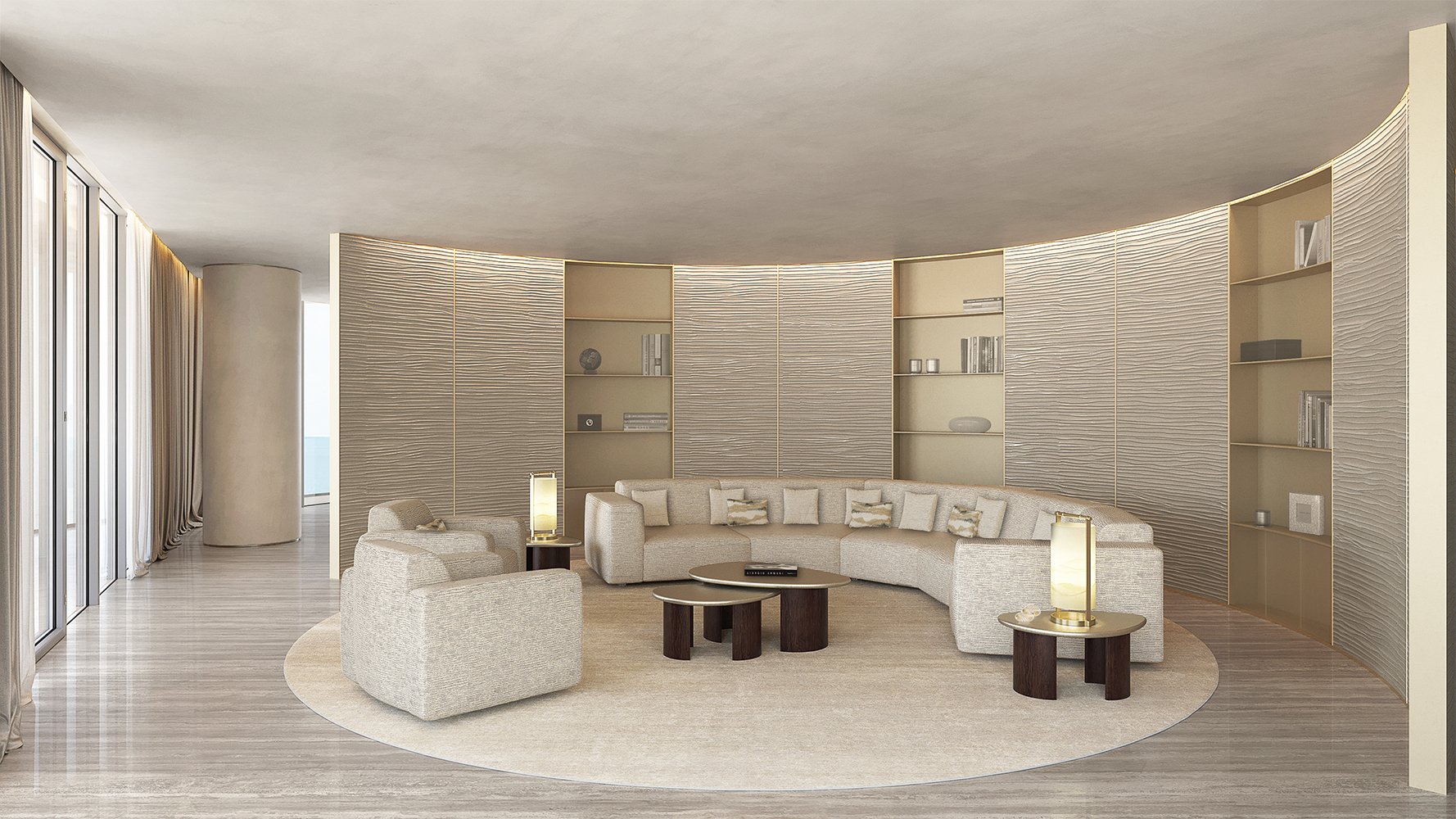
At Armani Casa Residences Pompano Beach, the visible proposition is clear: a luxury branded residential address shaped by the expectations of Armani/Casa design. The less visible proposition may prove more consequential over time. Staff logistics, receiving, valet flow, engineering access and the quiet choreography of service determine whether the building feels effortless long after the sales gallery moment has passed.
For buyers evaluating Armani Casa Residences Pompano Beach, the right question is not simply which amenities are offered. It is how the tower is expected to operate once every residence, vehicle, package, guest, vendor and service request begins moving through the building at the same time. In branded residences, hotel-like consistency is part of the appeal, but condominium privacy remains essential. Residents want service that feels immediate, polished and anticipatory without making home feel like a public hotel environment.
This is where design and architecture becomes operational, not merely aesthetic. A lobby can be beautiful, a pool deck can photograph well and a residence can carry the right material language, but luxury is also measured in elevator response, delivery handling, valet sequencing and the absence of friction.
In an ultra-premium tower, back-of-house design is the infrastructure behind calm. Concierge, security, engineering, valet, housekeeping, residential services and receiving all need places to work, store, move and coordinate. If those functions are compressed or poorly sequenced, residents eventually feel it through delays, noise, unnecessary staff encounters or congested arrival moments.
The strongest service environments separate resident experience from service movement. In general luxury-residential practice, this may involve discreet service corridors, staff-only vertical circulation, well-located support rooms and carefully planned receiving areas. For buyers, the important caveat is that specific service-elevator counts, loading dimensions, staffing levels and operating manuals should be confirmed through project materials, condominium documents or direct representation. The concept matters, but the details matter more.
Pompano Beach is increasingly part of a larger Broward conversation about branded and resort-style residential living. Buyers comparing Armani Casa Residences Pompano Beach with The Ritz-Carlton Residences® Pompano Beach or Waldorf Astoria Residences Pompano Beach are not only comparing finishes and amenity decks. They are comparing service cultures, arrival patterns and the degree to which daily operations can remain elegant under pressure.
That distinction is especially important in oceanfront living, where a property must balance leisure, privacy and constant movement. Beach access, guest arrivals, ride-share activity, package volume, maintenance cycles and storm preparation all place demands on back-of-house systems.
A sophisticated buyer should treat staff logistics as part of due diligence. The first area to examine is arrival. How are valet and resident self-parking, if applicable, expected to be sequenced? Where do guests wait? How are peak dinner hours, weekend beach days and holiday periods managed? A slow or crowded arrival experience can undermine the sense of exclusivity faster than almost any design shortcoming.
The second area is vertical circulation. Elevator experience is one of the clearest tests of a luxury tower. Residents may tolerate a brief wait, but repeated delays create daily irritation. Buyers should ask how resident, guest, staff and service movements are separated or coordinated, and how deliveries, housekeeping, engineering visits and move-ins are expected to be scheduled.
The third area is receiving. Modern luxury condominium life includes high package volume, food deliveries, florals, wardrobe services, art handling, maintenance vendors and personal staff. Receiving is no longer a simple mailroom function. It is a logistics hub requiring security, tracking, storage and discretion.
The fourth area is communication. Digital service systems can help coordinate requests without intrusive knocks, repeated calls or unnecessary face-to-face interruptions. In a residence defined by privacy, a well-managed request platform can be as important as a concierge desk. The goal is to allow staff to respond quickly while preserving the resident’s sense of control.
The fifth area is service adjacency. Where are support rooms placed relative to amenity spaces, residences, elevators and loading zones? Poor adjacency can create staff traffic through resident areas. Strong adjacency makes service feel almost invisible.
South Florida’s coastal context raises the stakes. In Pompano Beach, dense site planning, valet movement, hurricane resilience and flood resilience are not abstract design ideas. They shape how a high-service tower functions through ordinary days and extraordinary weather cycles.
For luxury buyers, resilience is not only about structural confidence. It is also about continuity of service. How can staff access critical areas? How are receiving and storage protected? How does the building manage equipment, maintenance and resident communication before and after major weather events? Those questions belong in the same conversation as views, terraces and interior palettes.
Nearby projects such as Ocean 580 Pompano Beach and W Pompano Beach Hotel & Residences reinforce how competitive the Pompano Beach corridor has become. As the market matures, buyers will increasingly distinguish between buildings that present a luxury image and buildings that can sustain a luxury rhythm.
Back-of-house planning rarely leads a sales conversation, but it can influence long-term perception, resale value and absorption. A building that consistently delivers the promised lifestyle earns trust. A building with recurring valet congestion, delivery confusion or slow service response risks eroding the emotional premium that branded residential buyers pay for.
This is especially relevant for Armani Casa Residences Pompano Beach because Armani/Casa branding raises expectations for coherence. Residents will expect the same discipline behind the scenes that they experience in the design language. Staff presence should feel discreet. Service should feel coordinated. Operational friction should be minimized before it becomes visible.
The most informed buyers will therefore look beyond amenity renderings and ask how the building plans to protect privacy, sequence staff activity and support daily service quality. In high-end condominium living, the most luxurious systems are often the ones a resident never has to think about.
Why does back-of-house design matter at Armani Casa Residences Pompano Beach? It affects how consistently the building can deliver privacy, service and comfort after residents move in.
Are specific service elevators or loading areas confirmed? Specific counts, dimensions and operating details should be verified through official project or condominium materials.
What departments typically shape service quality in a luxury tower? Concierge, security, engineering, valet, housekeeping, residential services and receiving all influence the daily experience.
How can staff movement affect privacy? When staff circulation is poorly planned, residents may encounter more service traffic in lobbies, corridors or elevators.
Why is valet sequencing important in Pompano Beach? Arrival flow can become a defining service moment, especially during peak hours, weekends and seasonal occupancy.
Do digital service systems matter? Yes. They can coordinate requests discreetly and reduce unnecessary interruptions inside private residences.
How does coastal living affect operations? Hurricane resilience, flood resilience, equipment access and communication planning all become part of the service equation.
Is back-of-house planning only a management issue? No. It can influence perceived luxury, resident satisfaction and long-term asset value.
What should buyers ask during due diligence? Ask about receiving, elevator coordination, valet flow, service access, staffing protocols and emergency operations.
How should buyers compare branded residences in Broward? Compare not only amenities and finishes, but also how each building expects to manage daily service and privacy.
For a discreet conversation and a curated building-by-building shortlist, connect with MILLION.
If branded residences are on your mind — as a home or as an allocation — we would be glad to share what we are seeing, privately.
Begin a quiet conversation