A buyer-focused guide to reading valet flow in ultra-luxury South Florida buildings, especially where multi-car ownership, guests, deliveries, and seasonal use can turn a beautiful arrival court into an everyday friction point.
In a South Florida luxury residence, valet is often the first and last service touchpoint of the day. It is also one of the least examined during a purchase. Buyers may tour the lobby, study the views, and compare amenity decks, yet leave without understanding how their cars will actually move through the property at 8 a.m., 7 p.m., during a dinner party, or after a holiday weekend.
That omission matters when many owners keep more than one vehicle. A primary car, a beach car, a collectible, a visiting family member’s SUV, and a driver-managed sedan each create different operational demands. In this environment, valet flow is not only about courtesy. It is about sequencing, storage, accountability, communication, and the degree to which service remains calm when everyone wants something at once.
For buyers comparing dense urban settings such as Brickell with oceanfront, island, or marina-adjacent addresses, valet performance can affect daily satisfaction as much as ceiling height or kitchen specification. A building may feel cinematic on arrival, but the deeper question is whether that performance holds up through repetition.
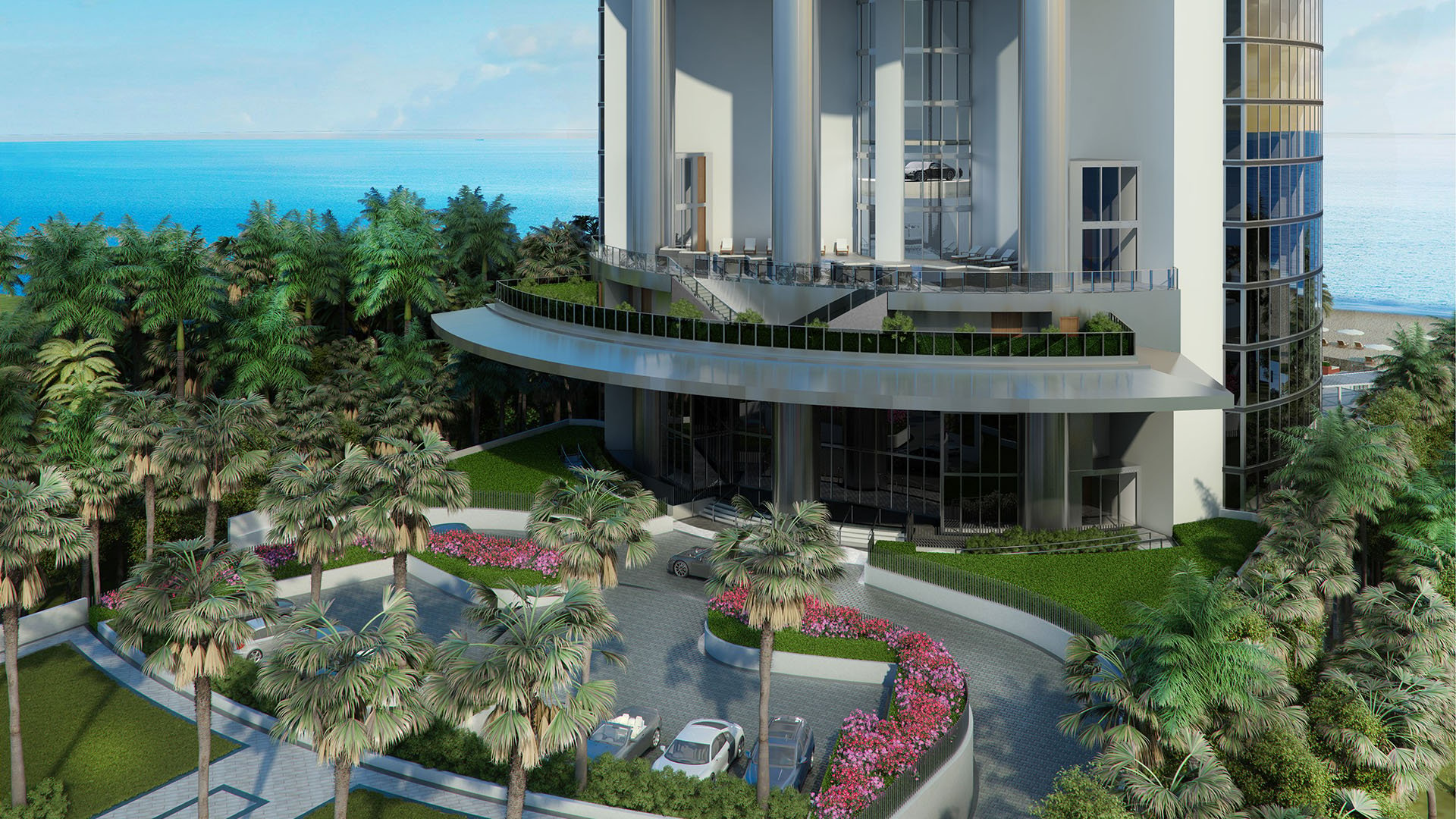
The evaluation begins before you step out of the car. A proper arrival court should allow vehicles to pause, unload, and depart without awkward reversals or bottlenecks. Watch whether the geometry encourages smooth movement or creates hesitation. The most elegant porte cochere is not always the most functional one.
Look for separation of uses. Residents, guests, rideshare vehicles, deliveries, service providers, and moving activity should not all compete for the same physical space at the same moment. If they do, even strong staff can be pushed into constant improvisation. In high-end buildings, the best arrival choreography feels quiet because the infrastructure gives staff room to work.
Ask yourself three simple questions while observing the entrance. Can two or more cars arrive without tension? Is there enough depth for an SUV with open doors and luggage? Does a waiting vehicle block the next arrival? These visible clues often say more than a brochure ever could.
Valet flow is won or lost in the areas residents rarely see. The garage plan, ramp width, turning radii, elevator access, stacking areas, and key-control protocol shape the actual experience. A beautiful arrival court can still fail if the back-of-house route is cramped or confusing.
For multi-car owners, the critical issue is predictability. Where are secondary vehicles kept? Are frequently used cars prioritized differently from occasional cars? How are oversized vehicles accommodated? What happens when an owner wants one car dropped and another retrieved within the same window? These are operational questions, but they become lifestyle questions very quickly.
New-construction buyers should request a specific explanation of how resident vehicles, guest vehicles, and service vehicles are intended to circulate. In established buildings, spend time watching the process during a naturally busy period. The difference between a system and a workaround is usually visible within minutes.
A building rarely reveals itself during a quiet midweek tour. The real test is the peak moment: school departures, dinner reservations, weekend arrivals, event nights, boat days, holiday periods, and seasonal occupancy surges. Valet flow should be judged by how it performs under compression.
In Brickell, for example, the rhythm of a building may be shaped by business hours, restaurant traffic, and a steady cadence of arrivals and departures. When considering residences such as The Residences at 1428 Brickell, buyers should think beyond the private residence itself and consider how the surrounding urban tempo may influence curbside movement.
In coastal areas, the peak pattern may be different. Beach days, visiting guests, club plans, and evening returns can concentrate demand in softer but still meaningful waves. The question is not whether a building has valet. The question is whether the valet system is designed for the way residents actually live.
Valet staffing is not simply a headcount. It is a service culture. A small team with excellent communication, memory, and discipline can outperform a larger team without structure. Buyers should listen for whether the staff knows residents by preference, not merely by unit number.
For multi-car households, preference tracking becomes essential. Which car should be brought down by default? Which vehicle requires more careful handling? Which one should be staged for a driver? Which one should never be parked in a tight position? The strongest operations treat these preferences as part of the residence profile.
Discretion matters as well. Owners of notable cars do not want a public performance every time a vehicle appears. A great valet team handles an exotic or collectible car with the same poise it brings to a family SUV. The tone should be attentive, never theatrical.
Not all cars behave the same in a building. Low-clearance sports cars, large SUVs, electric vehicles, chauffeur-driven sedans, golf-club-filled trunks, child seats, surf gear, and pet carriers each alter the valet experience. A system designed around one generic vehicle type may frustrate owners with more varied garages.
Sunny Isles buyers, for instance, often compare buildings where the car itself is part of the lifestyle statement. When evaluating an address such as Bentley Residences Sunny Isles, it is natural to think carefully about how vehicle handling, arrival privacy, and daily access align with the broader ownership experience.
Second-home owners should also ask how their vehicles are managed during periods of absence. The practical concerns are simple: readiness, battery maintenance coordination if applicable, cleanliness, access for authorized family or staff, and clarity about who may request a vehicle. The best systems remove ambiguity.
Valet flow is not only about residents. It is also about the people residents bring into the building. Guests arriving for dinner, family staying for a weekend, private chefs, wellness providers, stylists, and event staff can all create temporary surges. If the guest strategy is weak, resident service suffers.
Ask where guest vehicles wait, how guest arrivals are announced, and whether there is a distinction between short-stay and long-stay guest parking. For buyers who entertain often, this can be as important as the dining room. A home that hosts beautifully upstairs should not feel chaotic downstairs.
Miami Beach residences often carry an especially social rhythm, with beach, dining, and cultural plans layered into daily life. In that context, a project such as The Perigon Miami Beach invites buyers to think about arrival experience as part of the overall hospitality standard, not as an afterthought.
Apps, text-ahead systems, license-plate recognition, and digital key logs can support valet flow, but technology is not a substitute for operational discipline. The question is whether the system reduces friction or merely creates another layer of dependency.
A useful test is simple: how does the building handle exceptions? A dead phone, an unannounced guest, a sudden downpour, a resident changing plans, or two vehicles requested at once will reveal whether staff can think fluidly. Technology should make normal moments smoother and leave the team free to manage the unusual ones.
Buyers should also ask how requests are prioritized. A building with many multi-car owners needs a clear internal logic for simultaneous demands. Without it, service can become personality-driven, which may feel gracious one day and inconsistent the next.
Different South Florida locations create different valet pressures. Urban towers may contend with tight curbs and quick turnarounds. Beachfront properties may see luggage, club gear, and guest waves. Fort Lauderdale and marina-oriented locations may combine car movement with boating, airport runs, and weekend guest traffic.
At St. Regis® Residences Bahia Mar Fort Lauderdale, the broader lifestyle context encourages buyers to think about arrival, departure, water access, and hospitality as connected parts of one ownership experience. The car is not isolated from the rest of the day. It is part of a sequence.
The strongest buildings understand their own rhythm. They do not apply a generic luxury script to a specific site. They design service around resident behavior, local traffic patterns, guest habits, and the expected mix of vehicles.
Before committing, visit at more than one time of day if possible. Arrive as a resident would, not as a guest being curated through a sales path. Notice whether staff appear rushed or composed. Watch how long cars remain in the arrival court. Listen for horns, radio chatter, repeated questions, or visible confusion.
Then ask direct, calm questions. How are multiple vehicles assigned to one residence? How are keys stored and tracked? What is the protocol for oversized vehicles? How are guest surges handled? What happens during heavy rain? How are owner preferences recorded? How does the building manage vehicles when owners are away?
The goal is not to interrogate. It is to understand whether the service promise has an operating system beneath it. In the ultra-premium market, the best valet flow is almost invisible. Cars appear when expected, guests arrive without drama, staff remember the details, and owners never feel that their lifestyle is too complex for the building they chose.
What is valet flow in a luxury condominium? Valet flow is the way vehicles move from arrival to staging, storage, retrieval, and departure. It includes design, staffing, communication, and back-of-house circulation.
Why is valet flow more important for owners with multiple cars? Multiple cars create more retrieval combinations, storage needs, and preference details. A building must know which vehicle is used when and how each should be handled.
What should I observe during a building tour? Watch the entrance, curb depth, staff coordination, guest handling, and whether cars block one another. A few minutes of observation can reveal recurring friction.
Should I ask about the garage even if I will use valet? Yes. The garage layout directly affects retrieval time, vehicle handling, and staff efficiency. Back-of-house design is part of the resident experience.
How do guest vehicles affect resident valet service? Guest arrivals can compete with resident requests if the building lacks separation and clear protocols. Frequent entertainers should review guest procedures carefully.
Does technology guarantee better valet performance? No. Technology helps when it supports a disciplined service culture. Staff judgment remains essential when plans change or several residents request cars at once.
What matters for collectible or low-clearance cars? Ask how specialized vehicles are handled, parked, and protected from tight movements. The answer should be specific, calm, and operationally clear.
How should second-home owners evaluate valet service? They should ask how vehicles are managed during absences and who may request access. Clear authorization rules help avoid confusion.
Is valet flow different in new-construction buildings? It can be, because the operating procedures may still be forming. Buyers should ask how the system is intended to function once occupancy increases.
What is the best sign of a strong valet operation? The best sign is quiet consistency. Cars arrive without drama, staff know preferences, and the entrance never feels like it is improvising.
If you'd like a private walkthrough and a curated shortlist, connect with MILLION.
If branded residences are on your mind — as a home or as an allocation — we would be glad to share what we are seeing, privately.
Begin a quiet conversation